
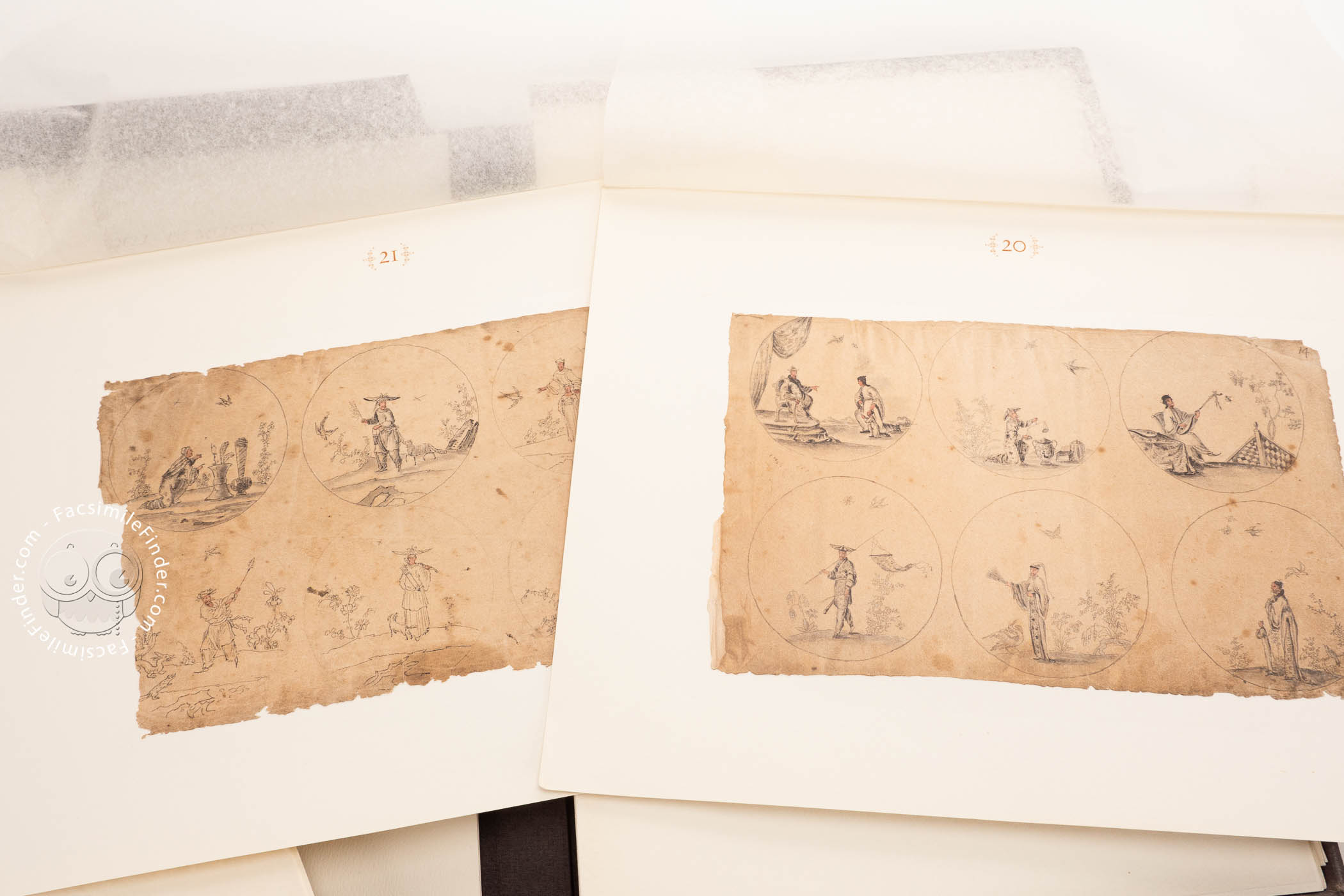
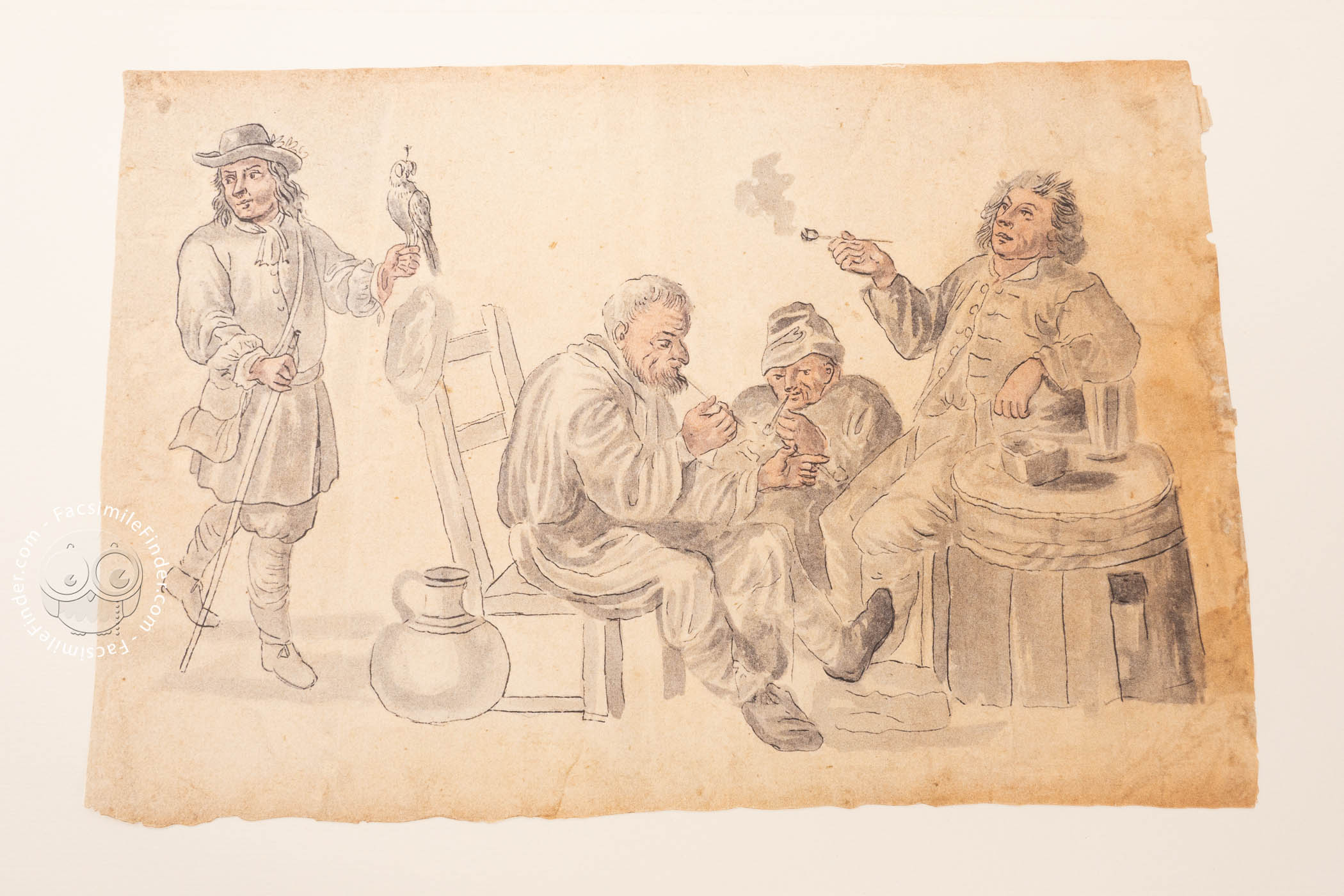
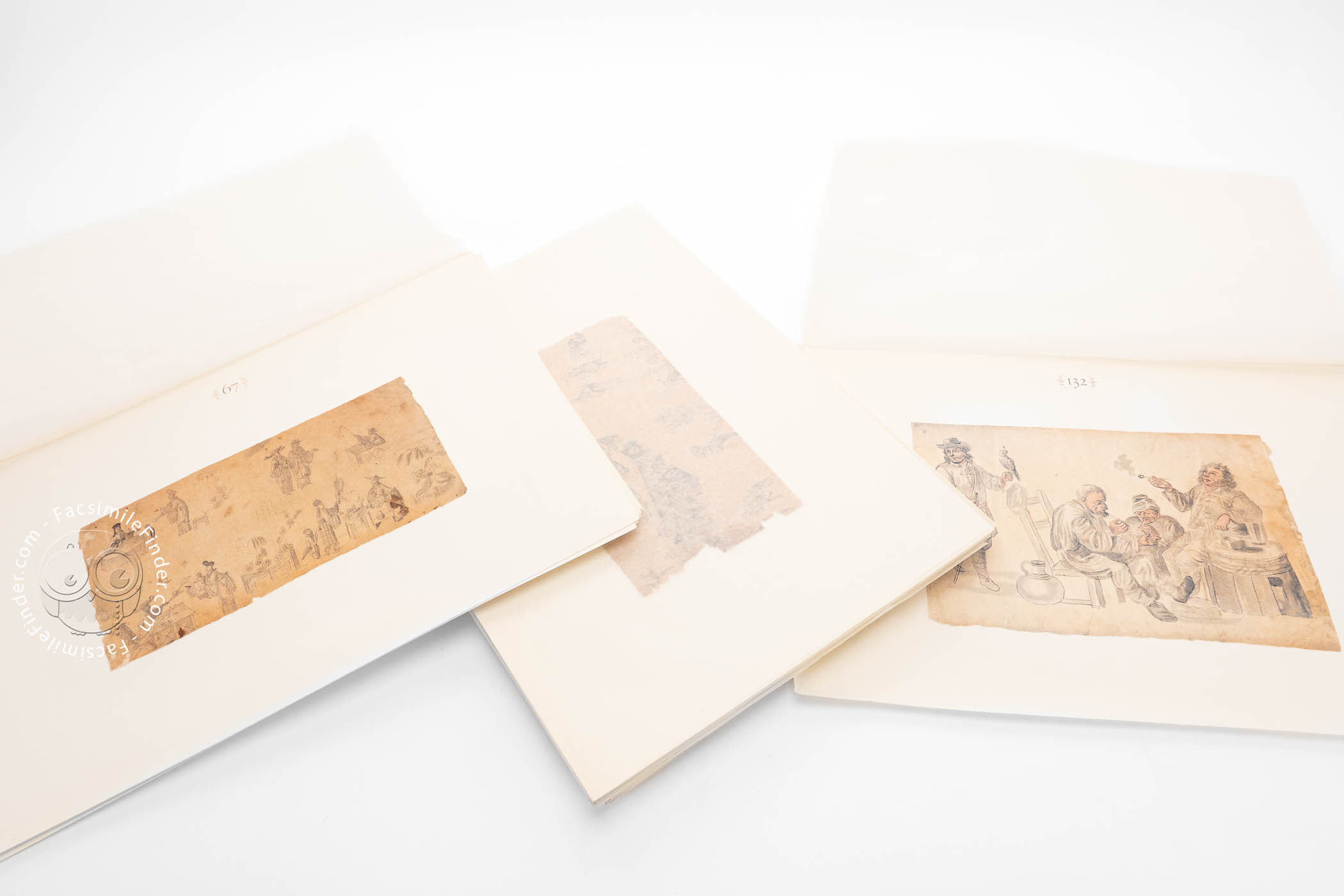
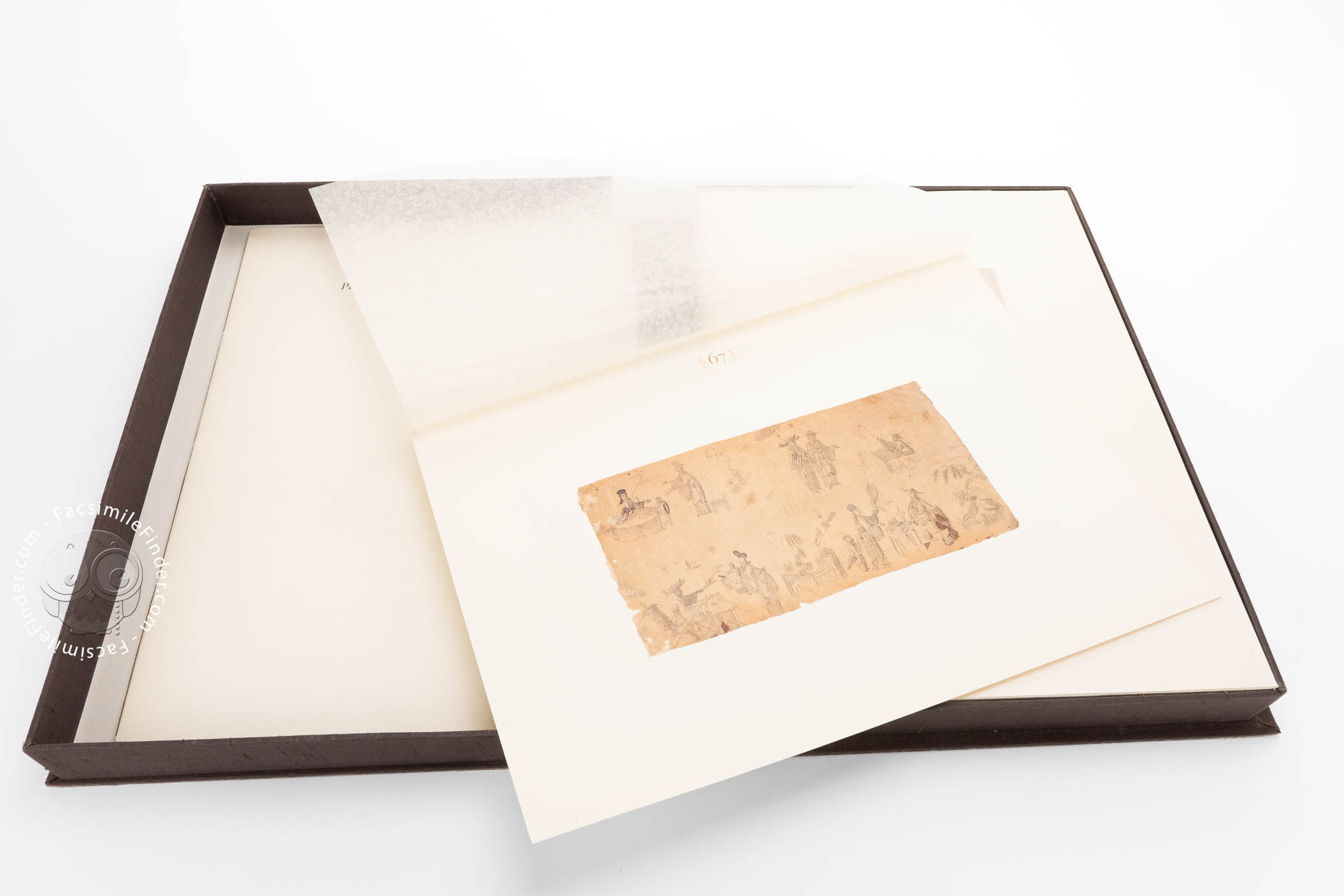
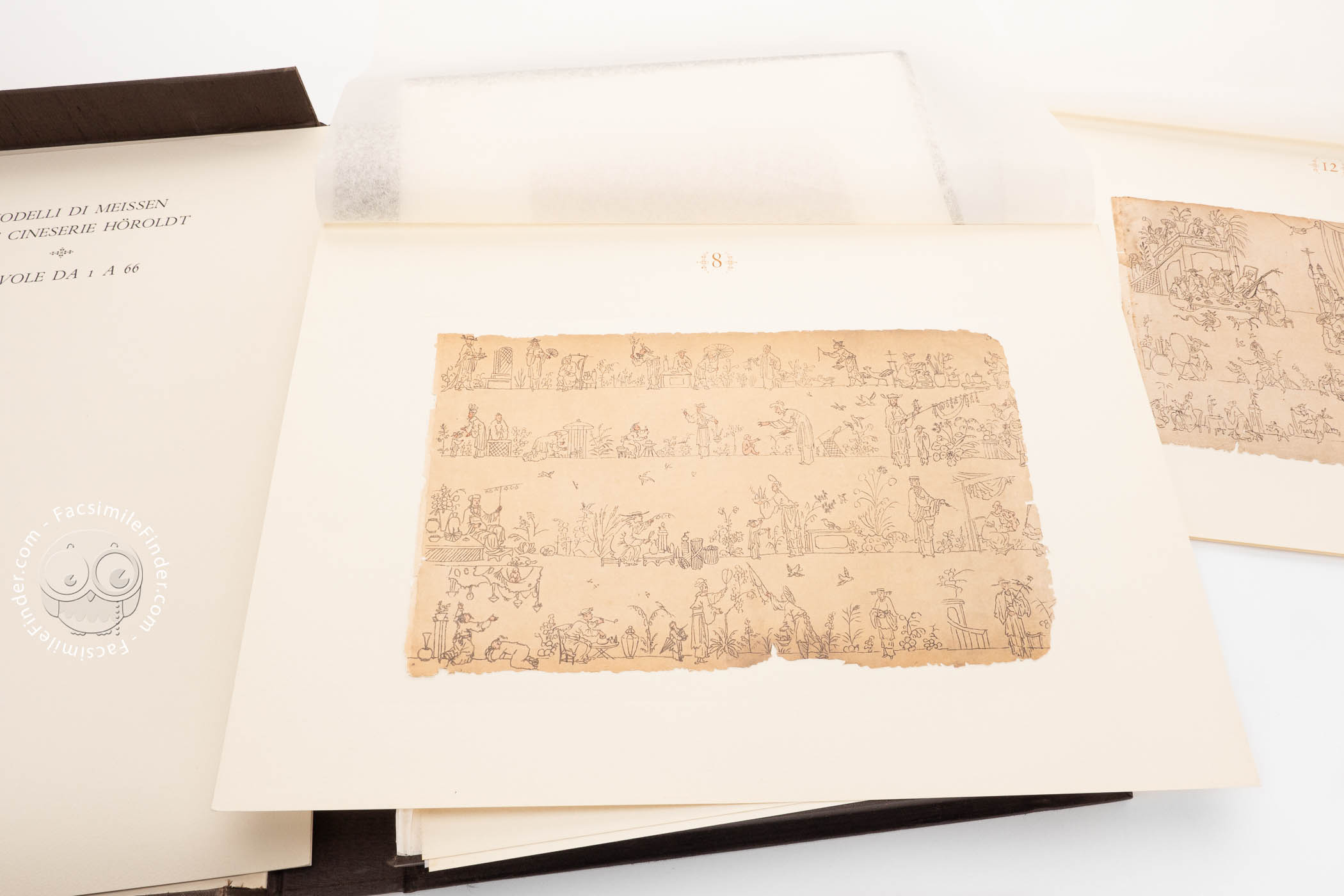
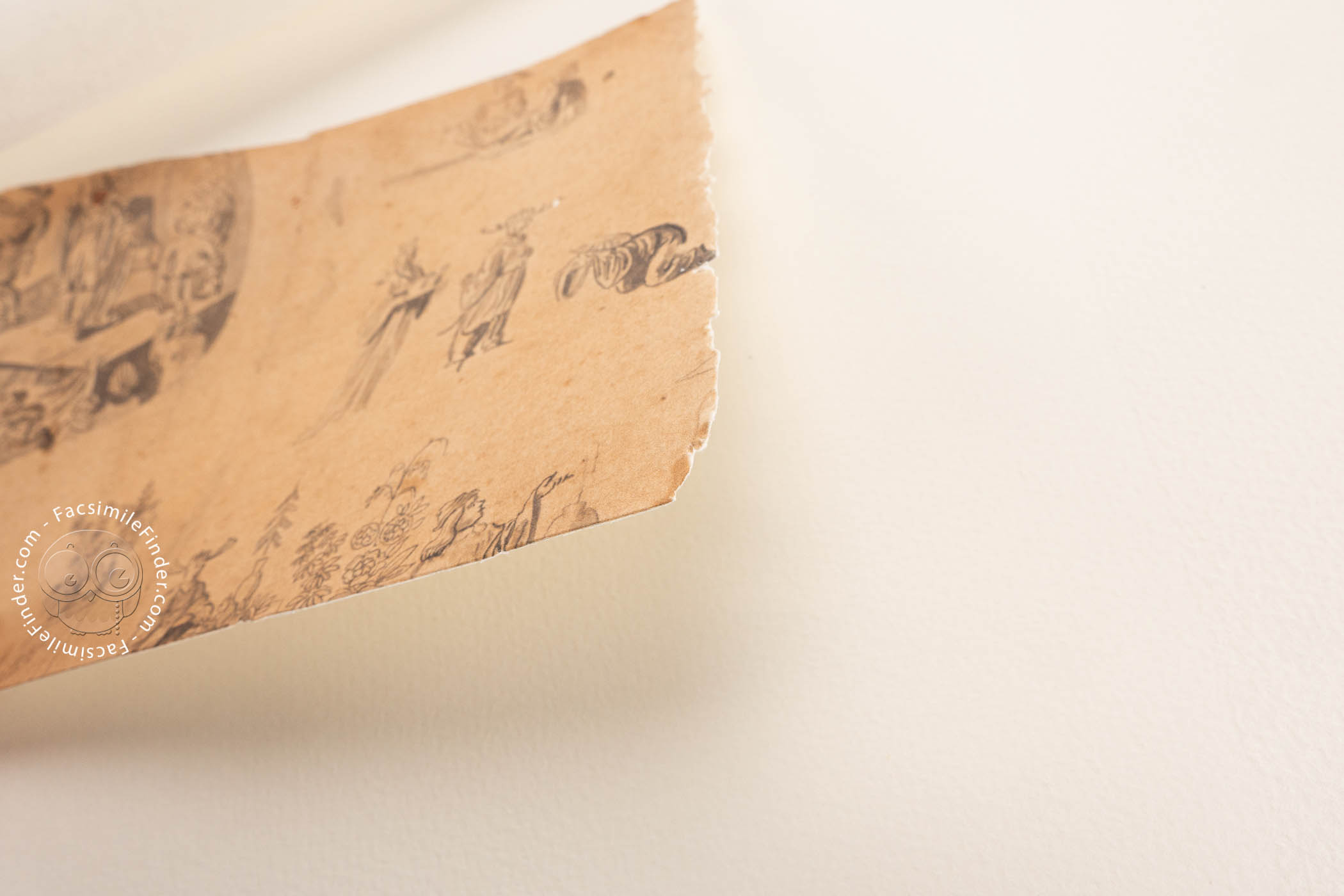
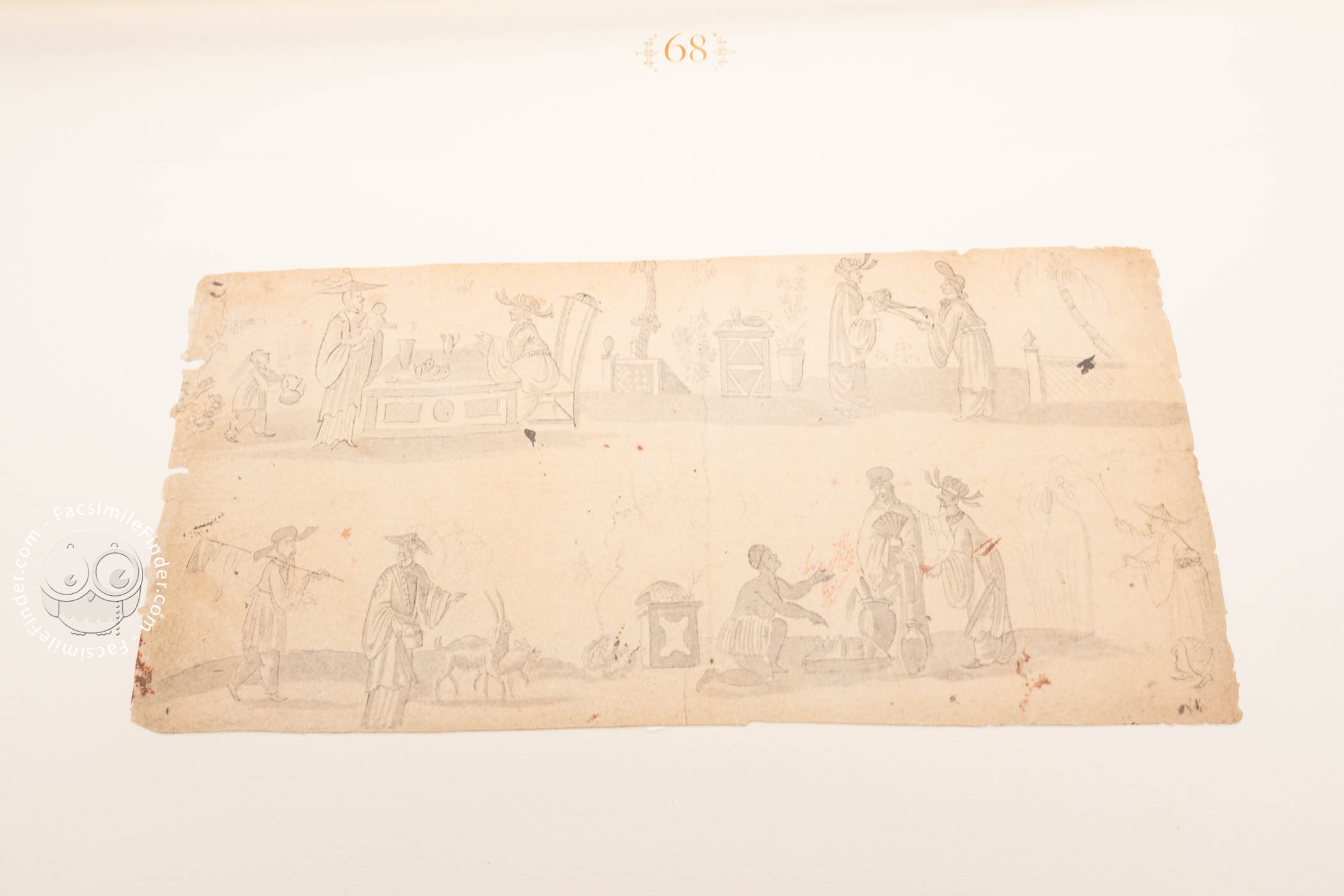
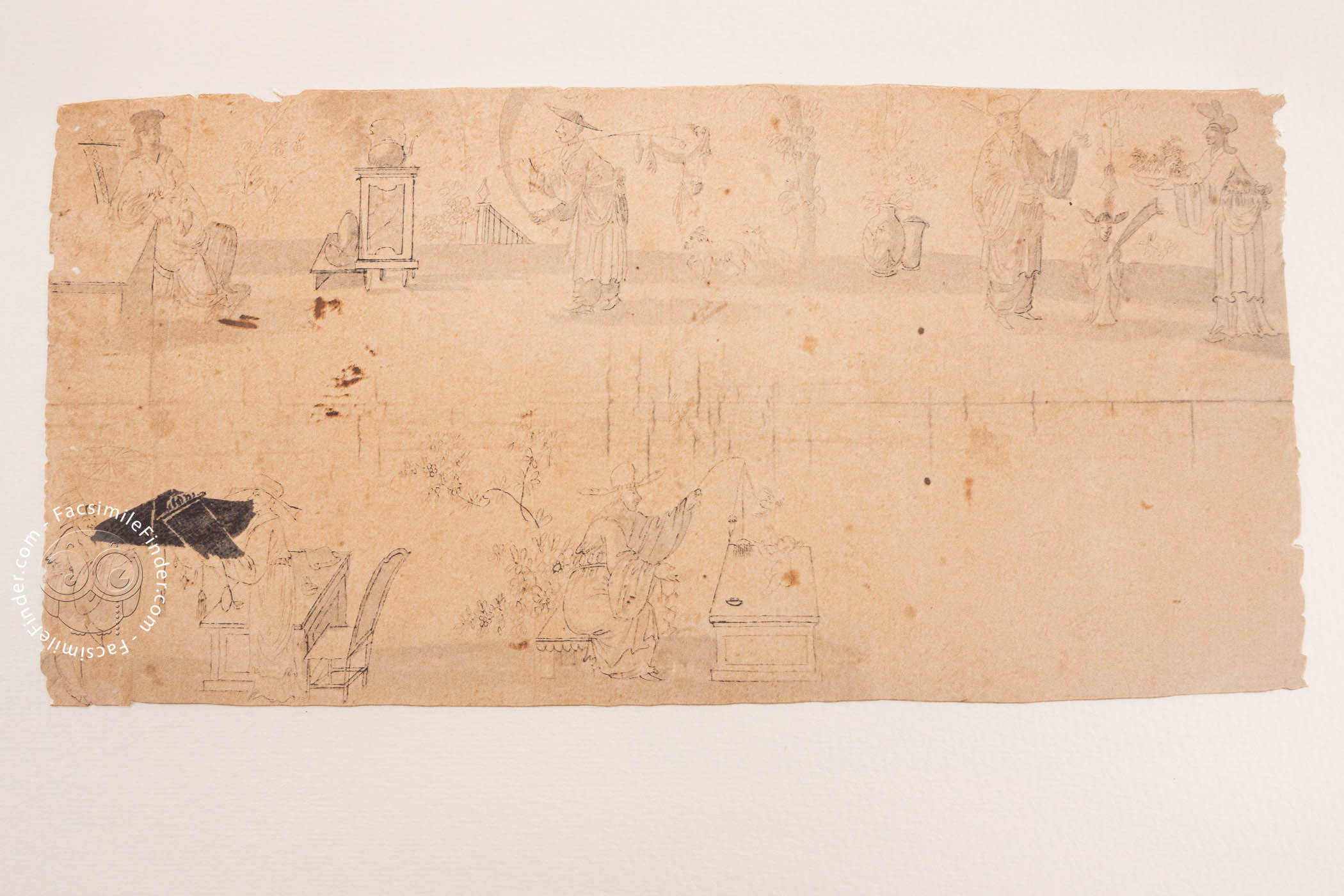
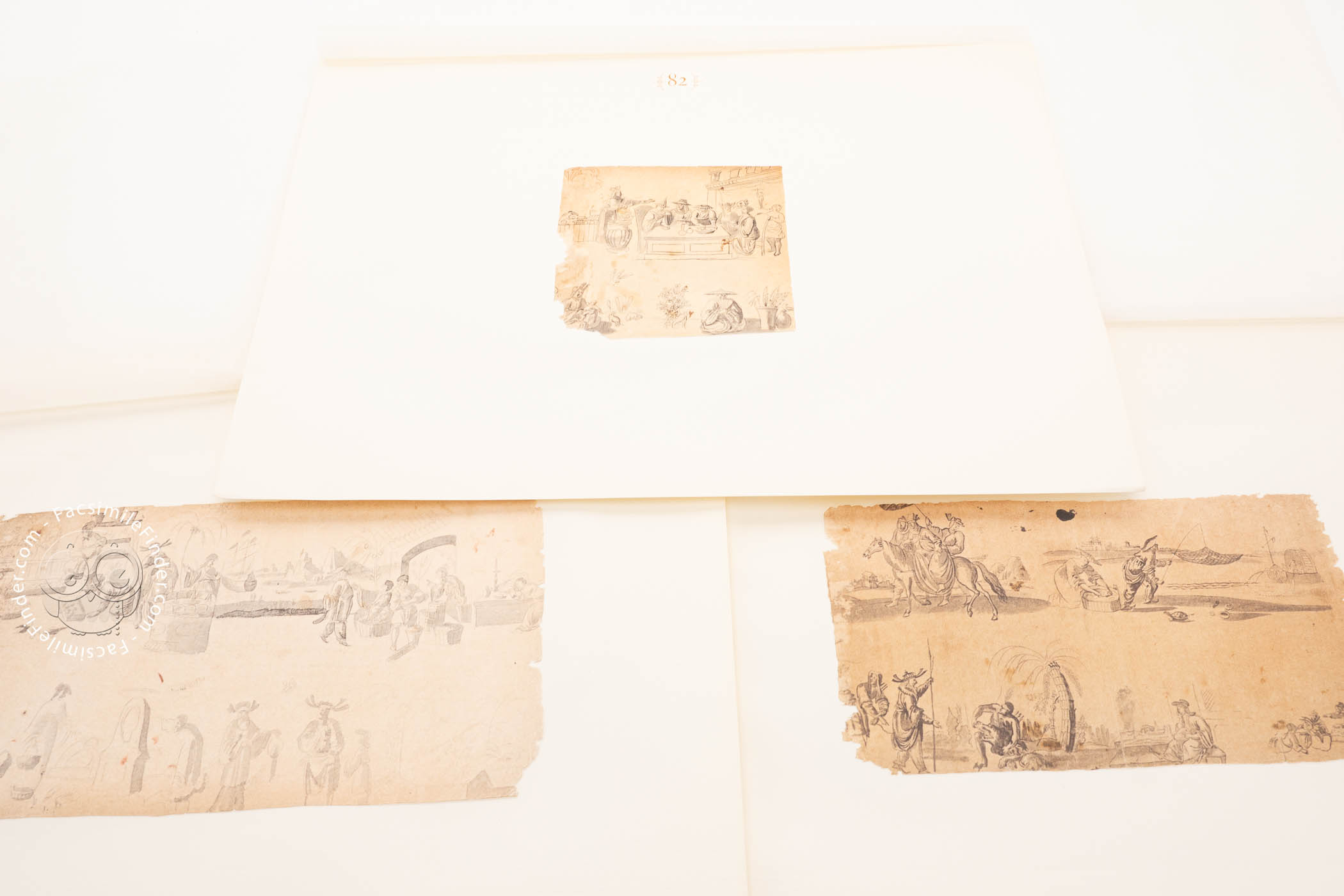
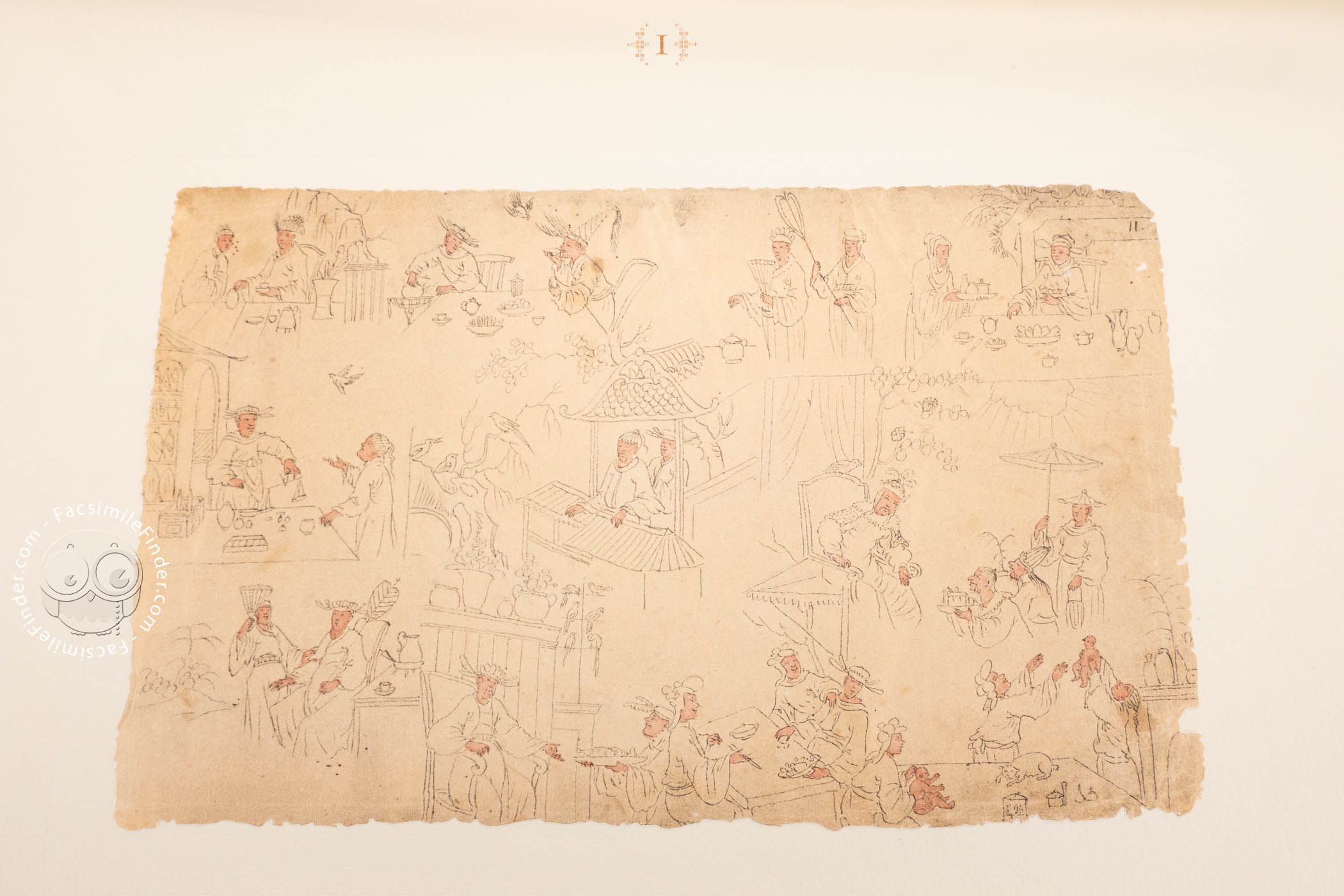
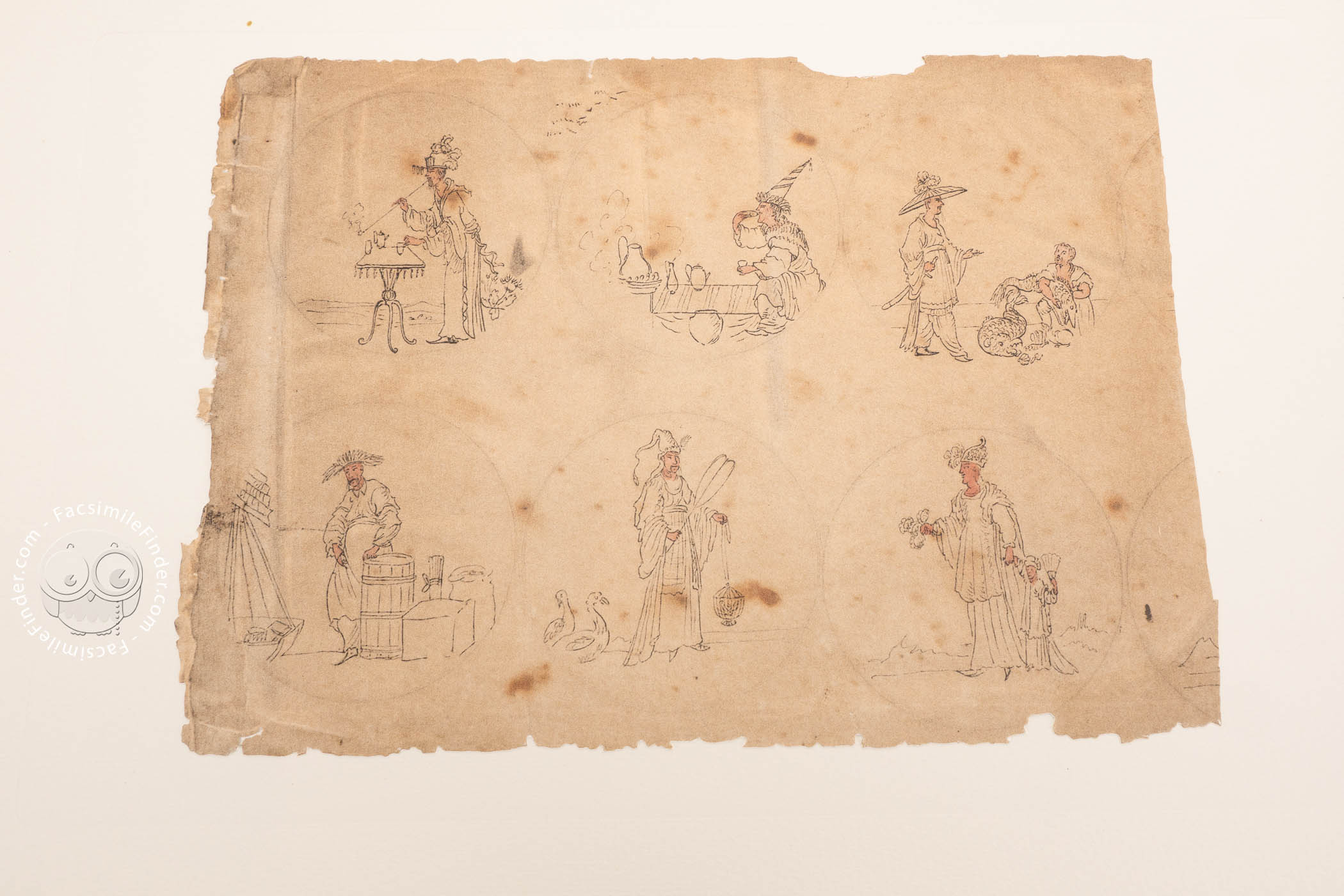
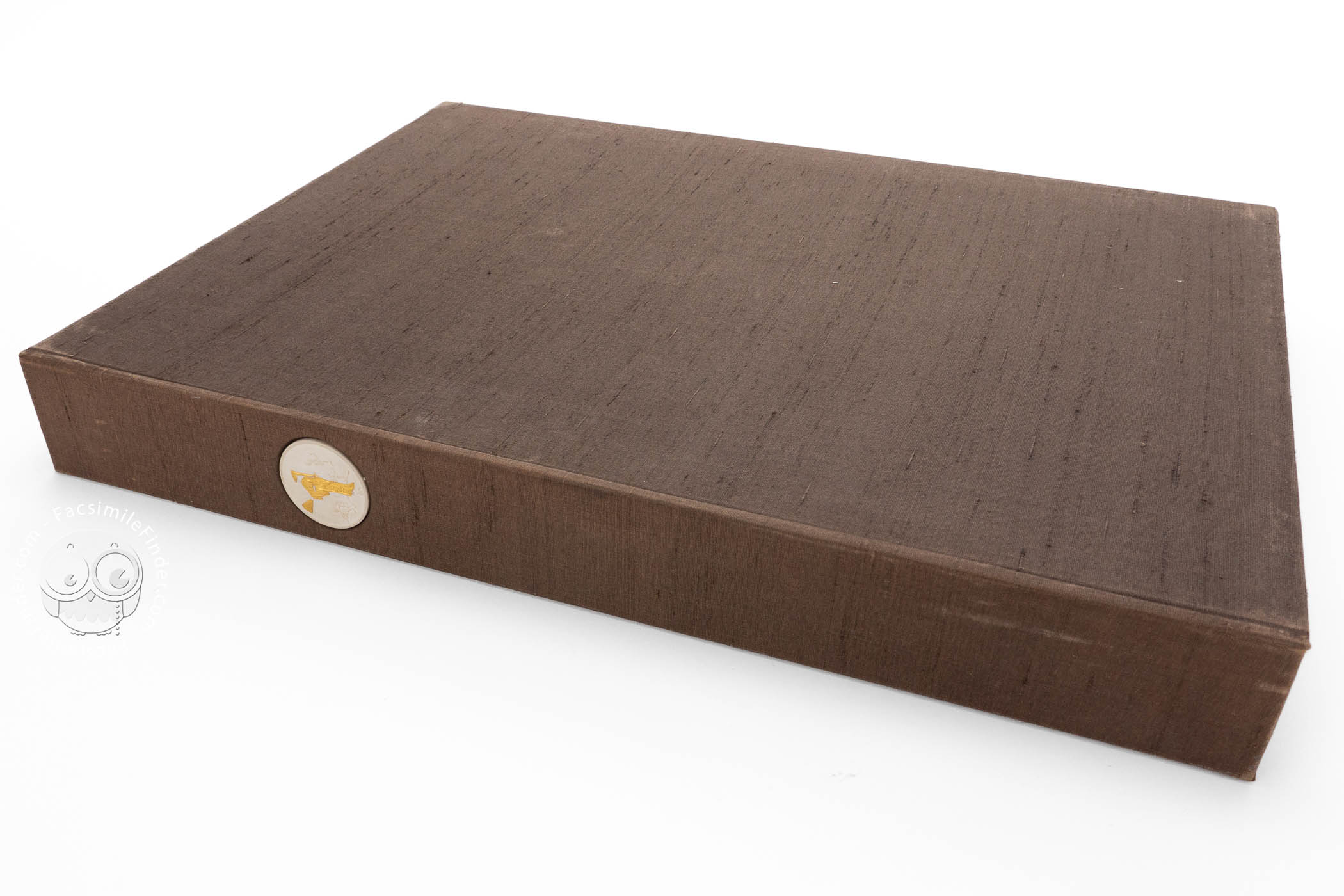
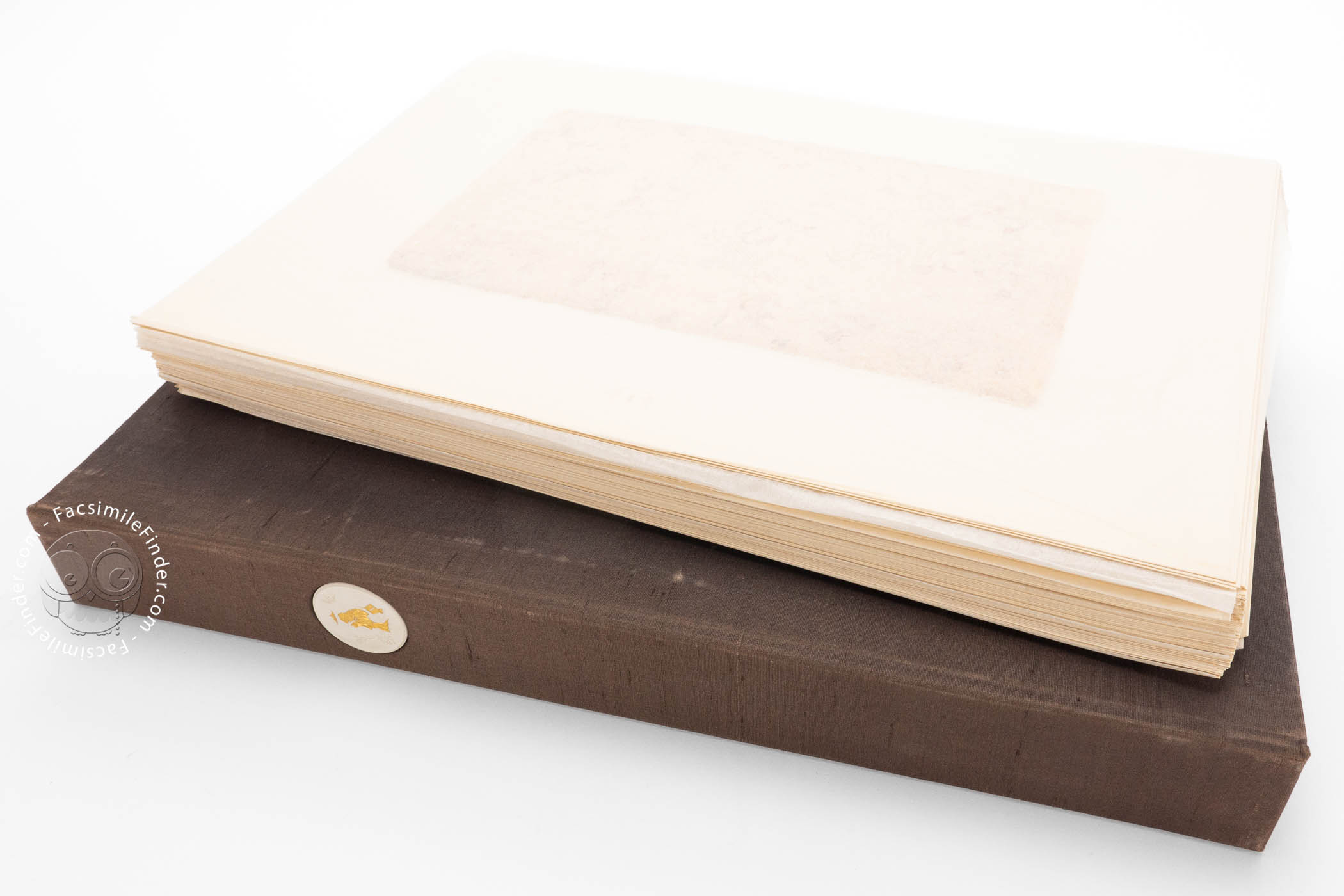
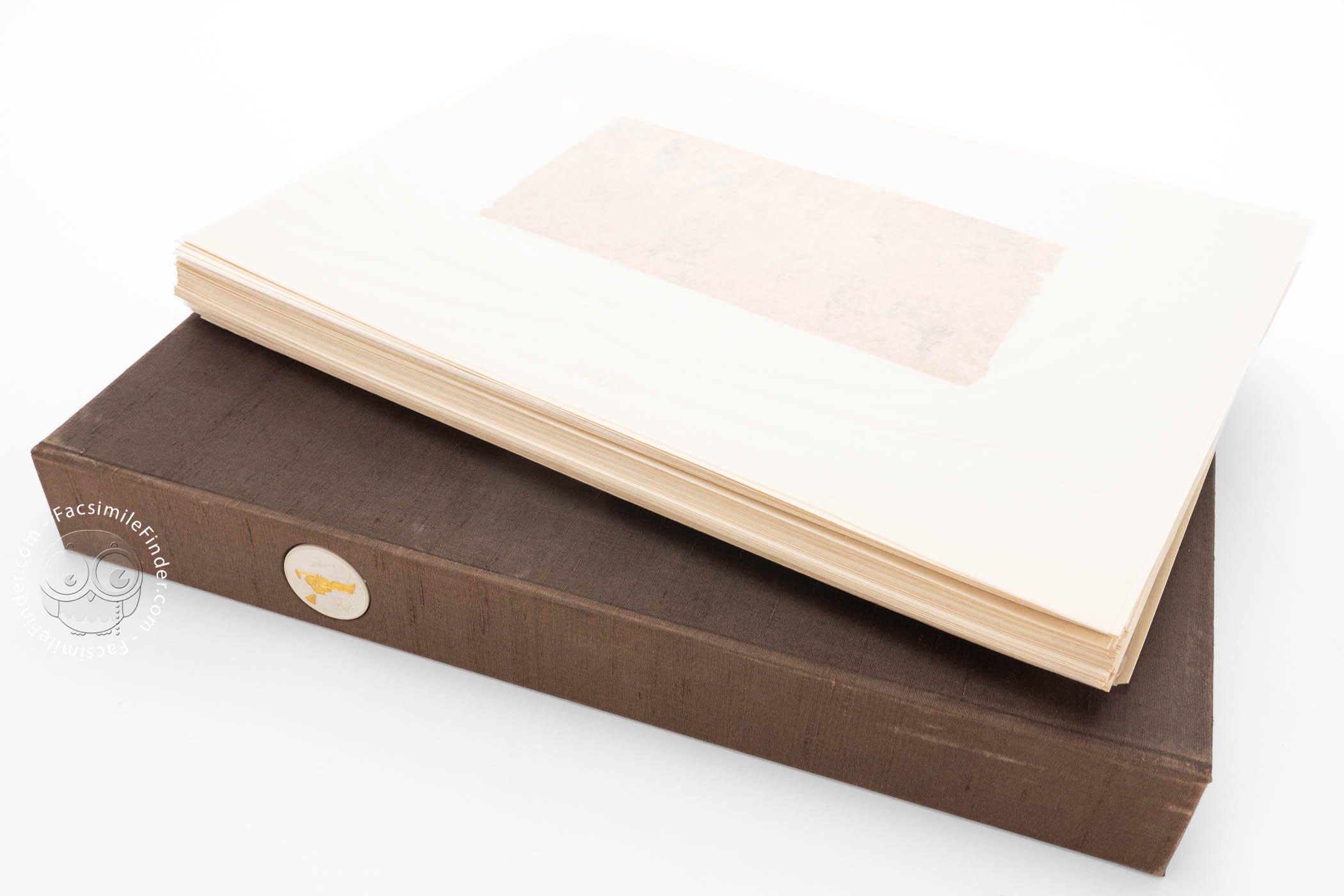
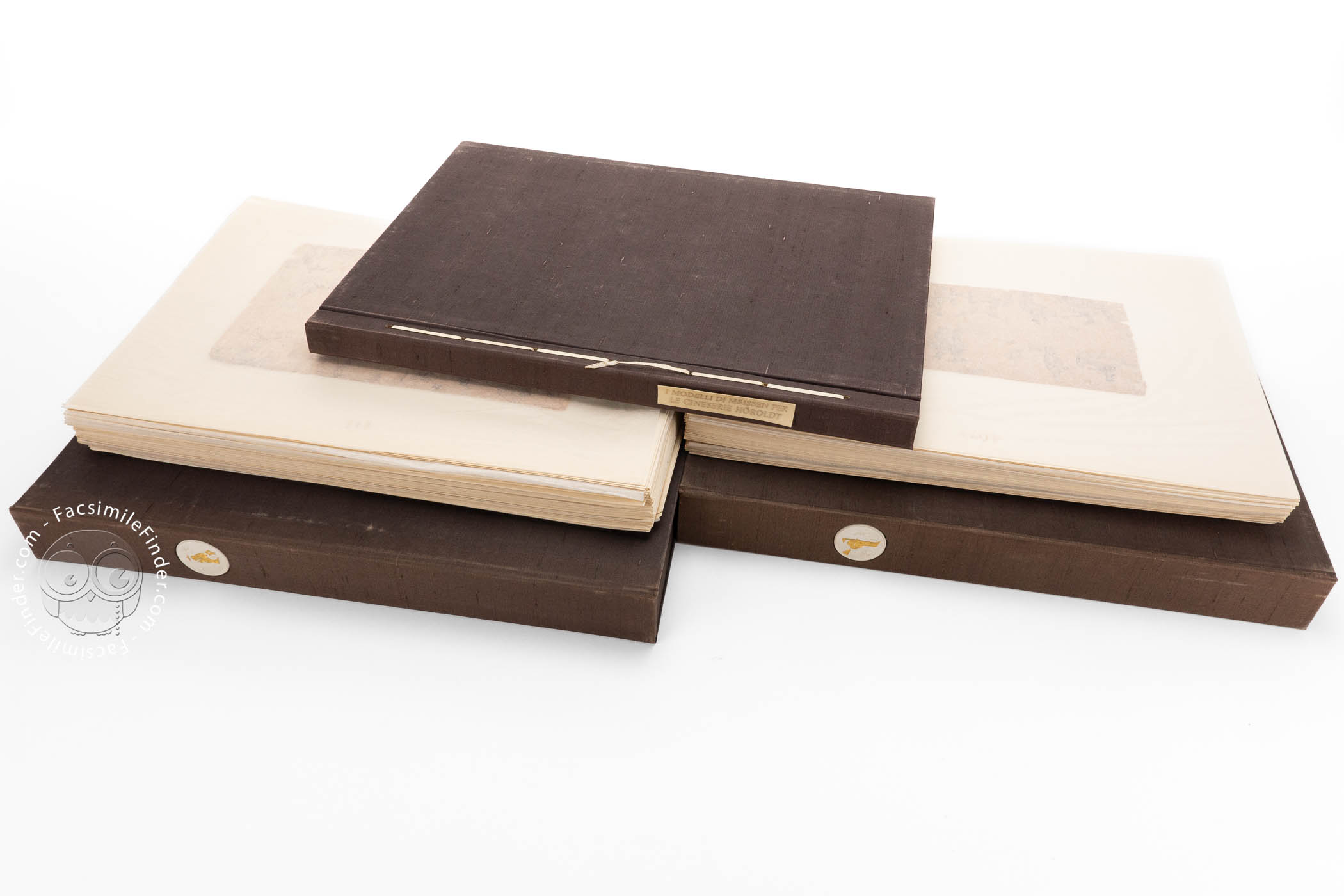
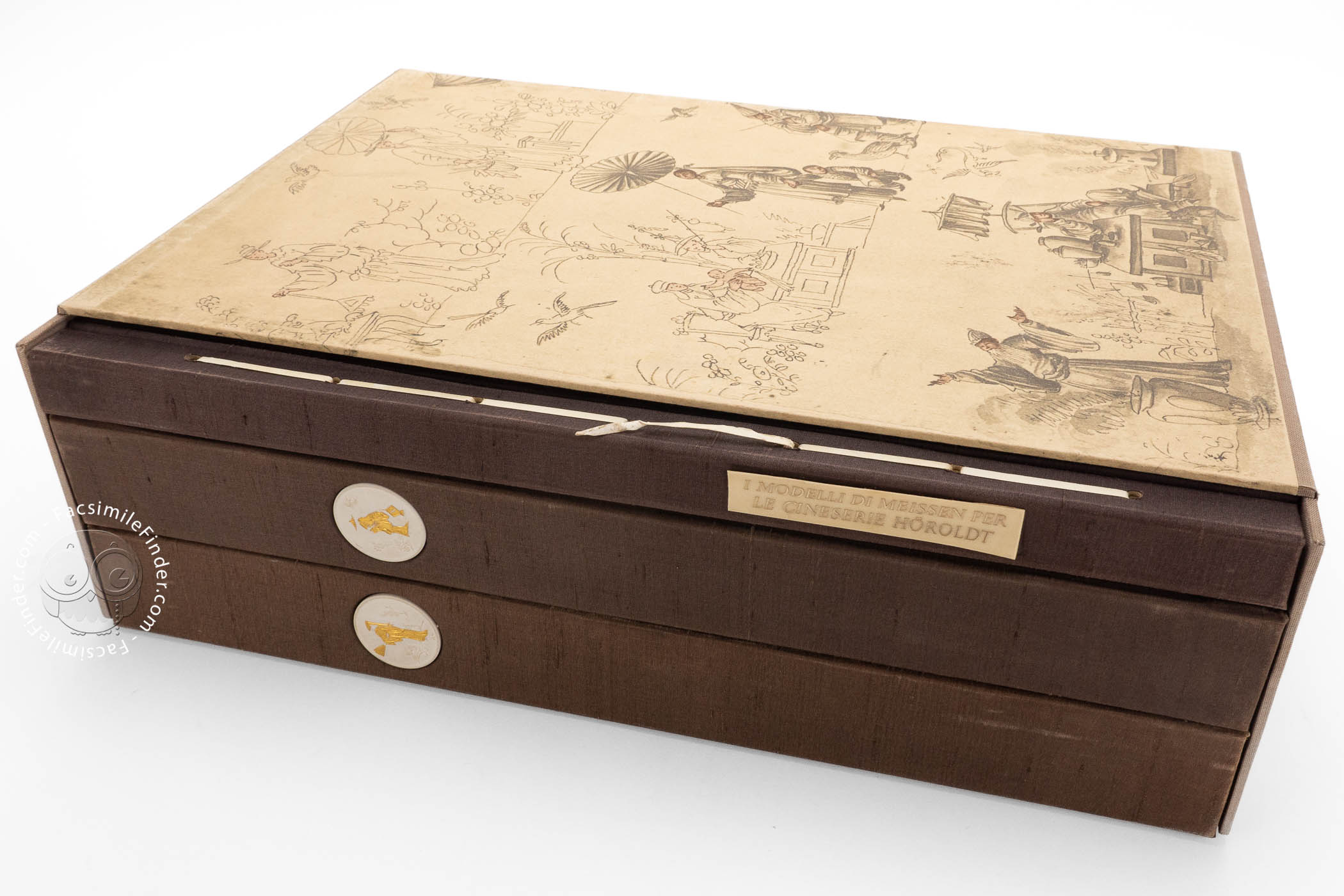
The secret of the chemical composition of China having been discovered in 1709 (until then an exclusive perquisite of Chinese handicraft), the first European hard porcelain manufactory opened in Meissen, Germany, in 1710. Its most skillful decorator and painter, the accomplished J.G. Höroldt (1696-1775) gave his name to a style thanks to which the "chinoiseries" (fanciful imitations of Asian models, in fashion since the second half of the seventeenth century) produced in Meissen, soon became the only ones to compete in Europe with Eastern porcelain.
The so-called Schulz Codex is the celebrated collection of designs and patterns of Chinese subjects used until the end of the nineteenth century for the decoration of some of Meissen's most famous porcelain.
We have 2 facsimiles of the manuscript "Schulz Codex":
- Meissener Musterbuch für Höroldt-Chinoiserien facsimile edition published by Idion Verlag, 1978
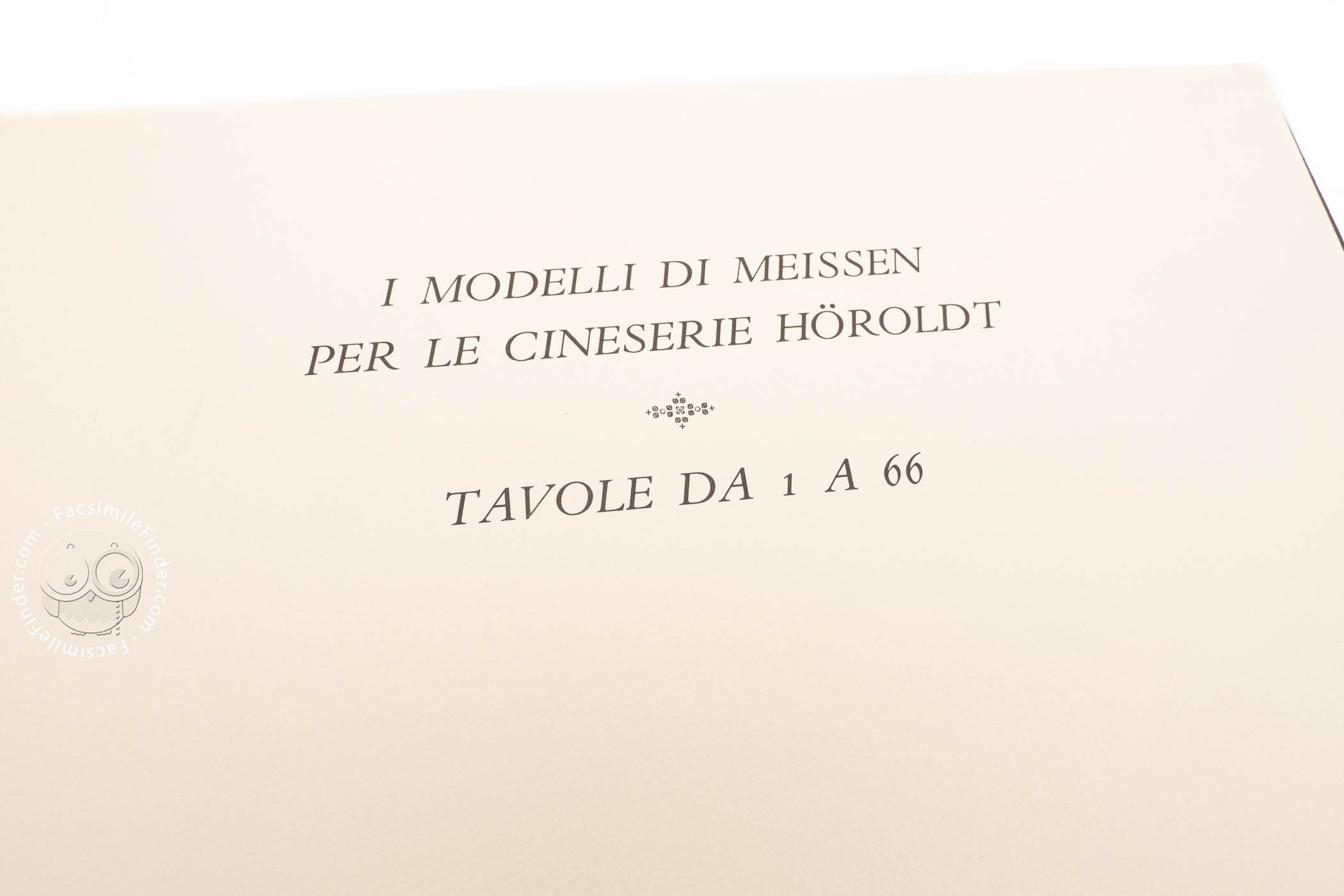
- Modelli di Meissen per le Cineserie Höroldt facsimile edition published by Giunti Editore, 1981