


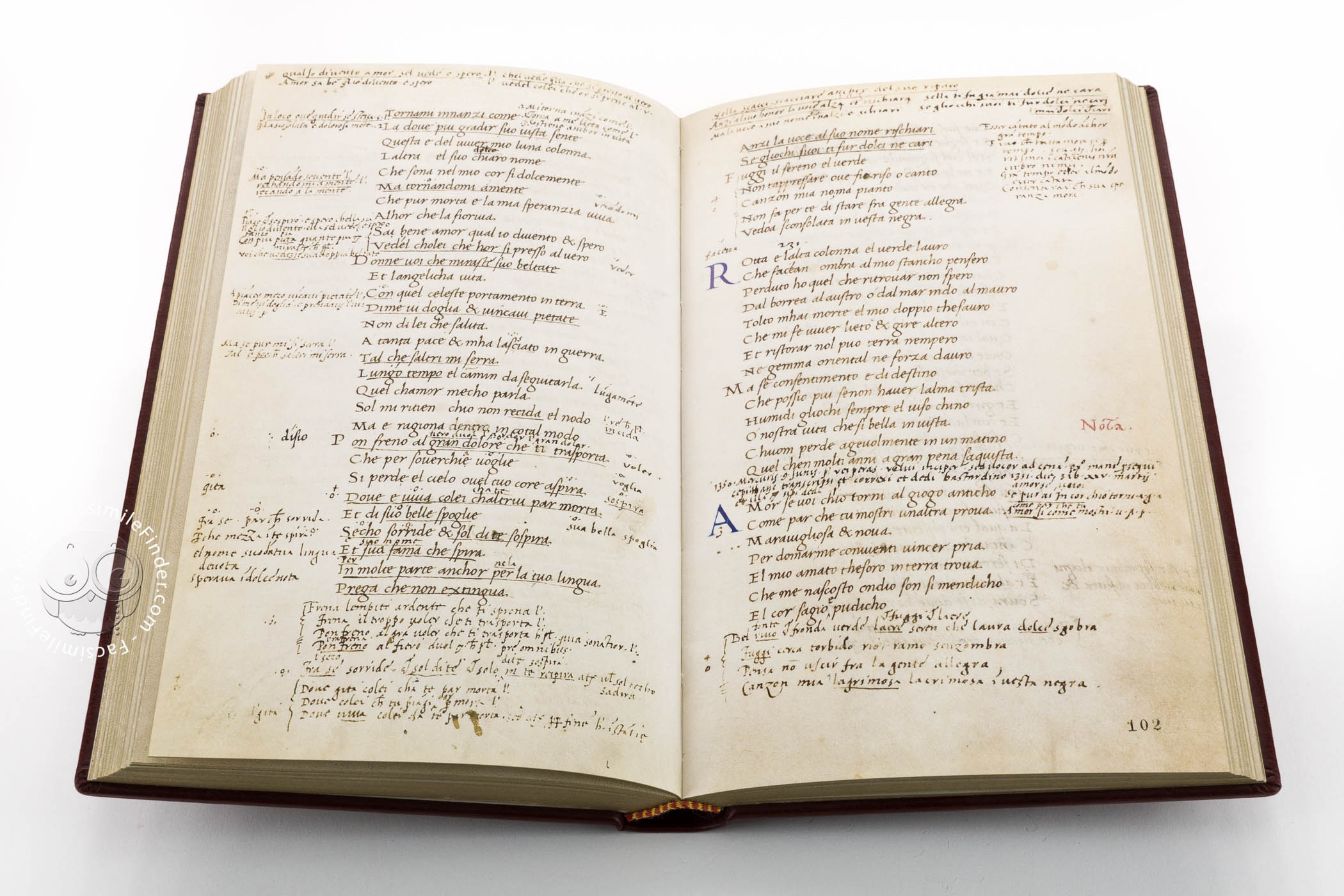
Copied in the 1470s, probably in the Veneto, the Casanatense Petrarch is a manuscript comprising most of the Italian-language works of Francesco Petrarch. These include the collection of lyric poems titled Fragments of Vernacular Things (also known as Il Canzoniere), an incomplete version of the Triumphs, and diverse sonnets. Also included are Latin-language texts concerning the poet's beloved Laura, who also inspired the poems of the Canzoniere. The manuscript is especially valued for its marginal and interlinear glosses, which record alternate readings and comments, some of which ultimately derive from much earlier manuscripts.
The manuscript's sparse decoration—one headpiece and fewer than ten painted initials—is expertly executed and reflects the refined taste of Italian humanists.
A Curly-Haired Boy
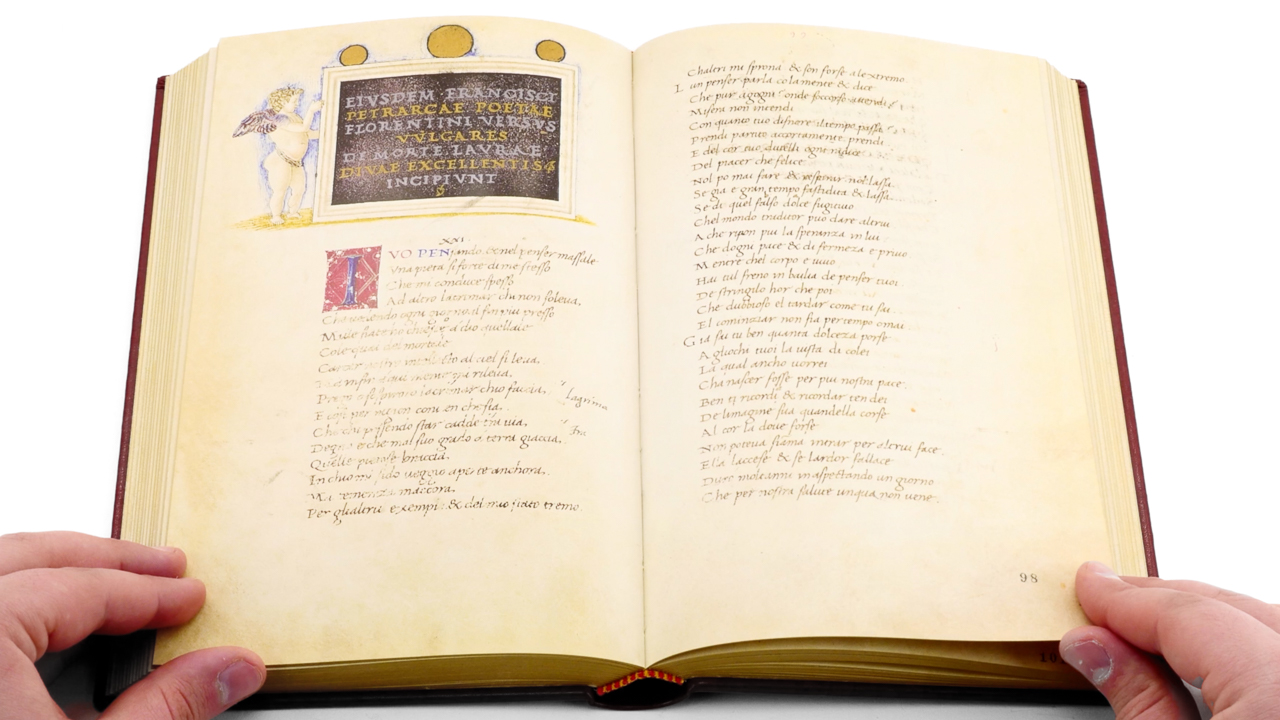
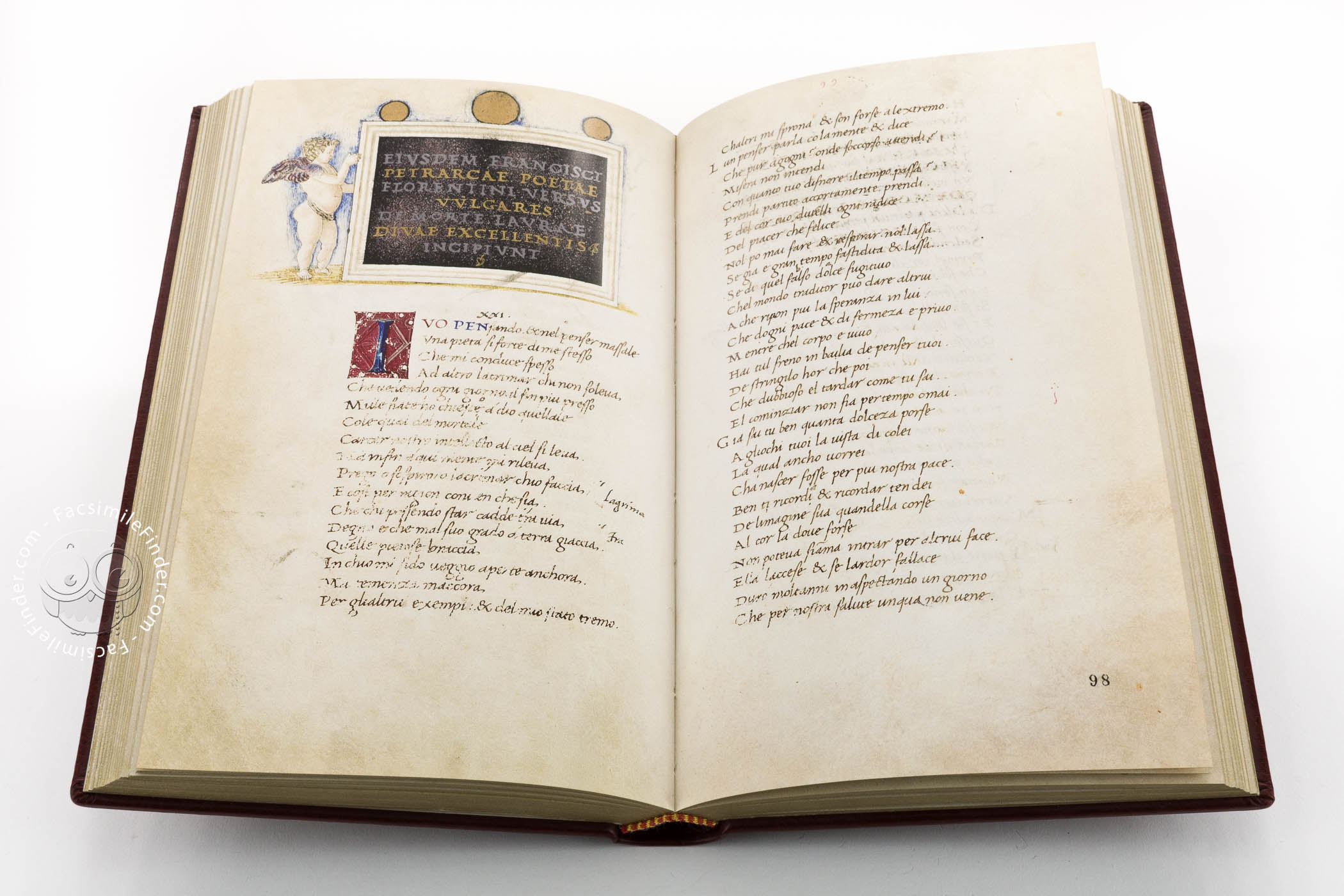
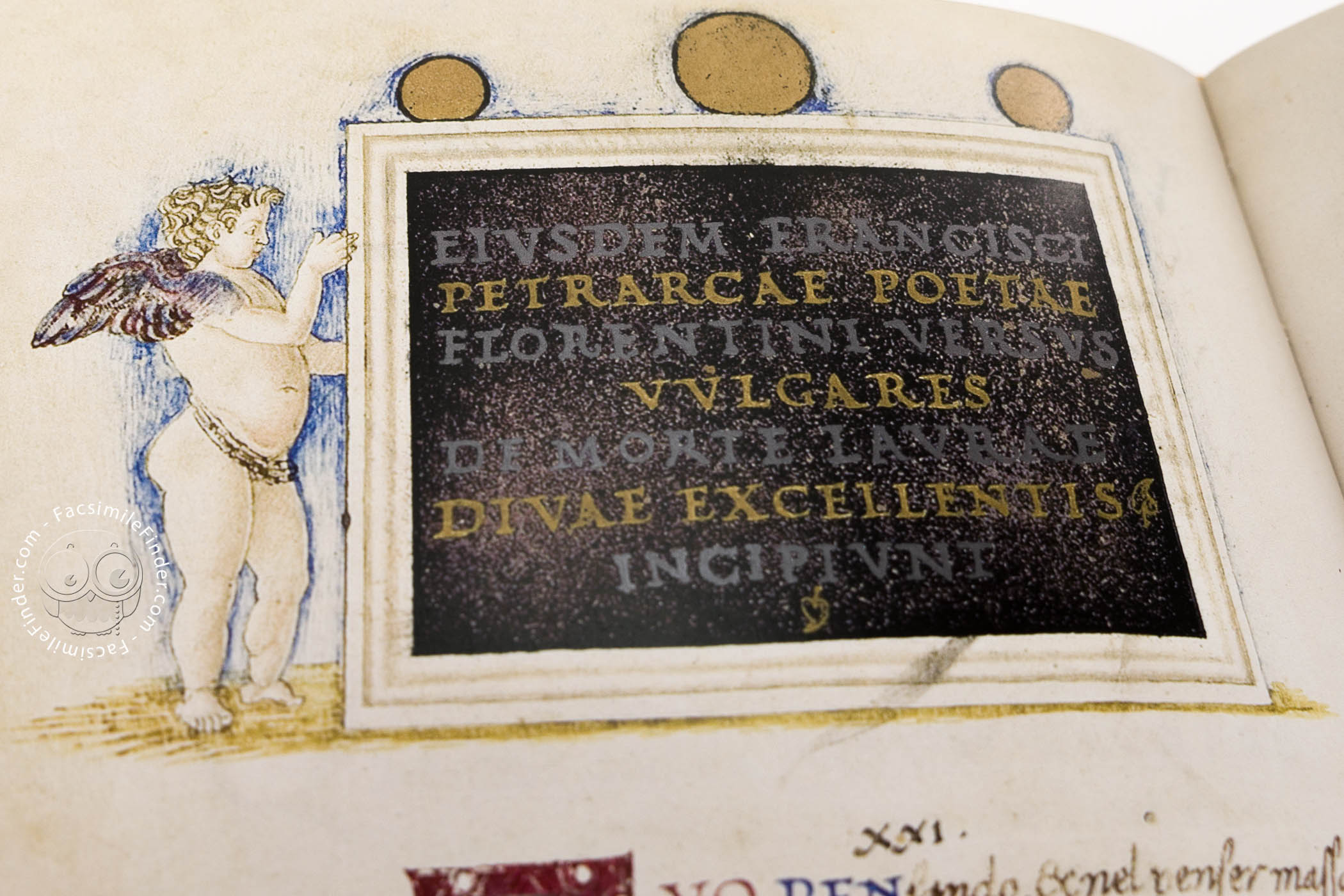
The manuscript's most impressive painting is found in the headpiece that marks the resumption of the Canzoniere following an interruption comprising Latin-language texts: a putto—a nearly nude, winged infant—stands holding a fictive plaque with lettering in silver and gold that imitates the carved letters of ancient Roman inscriptions (fol. 97v).
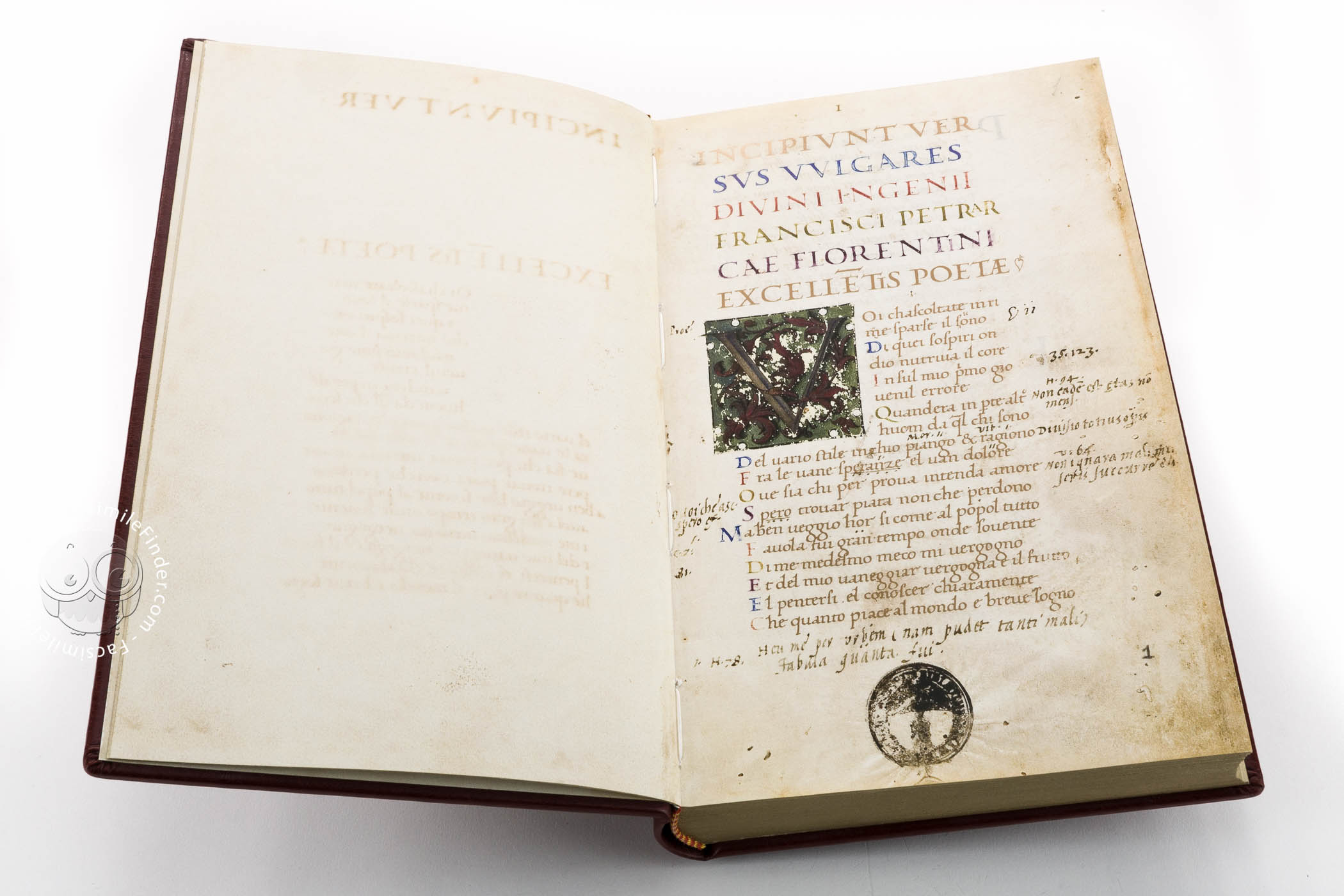
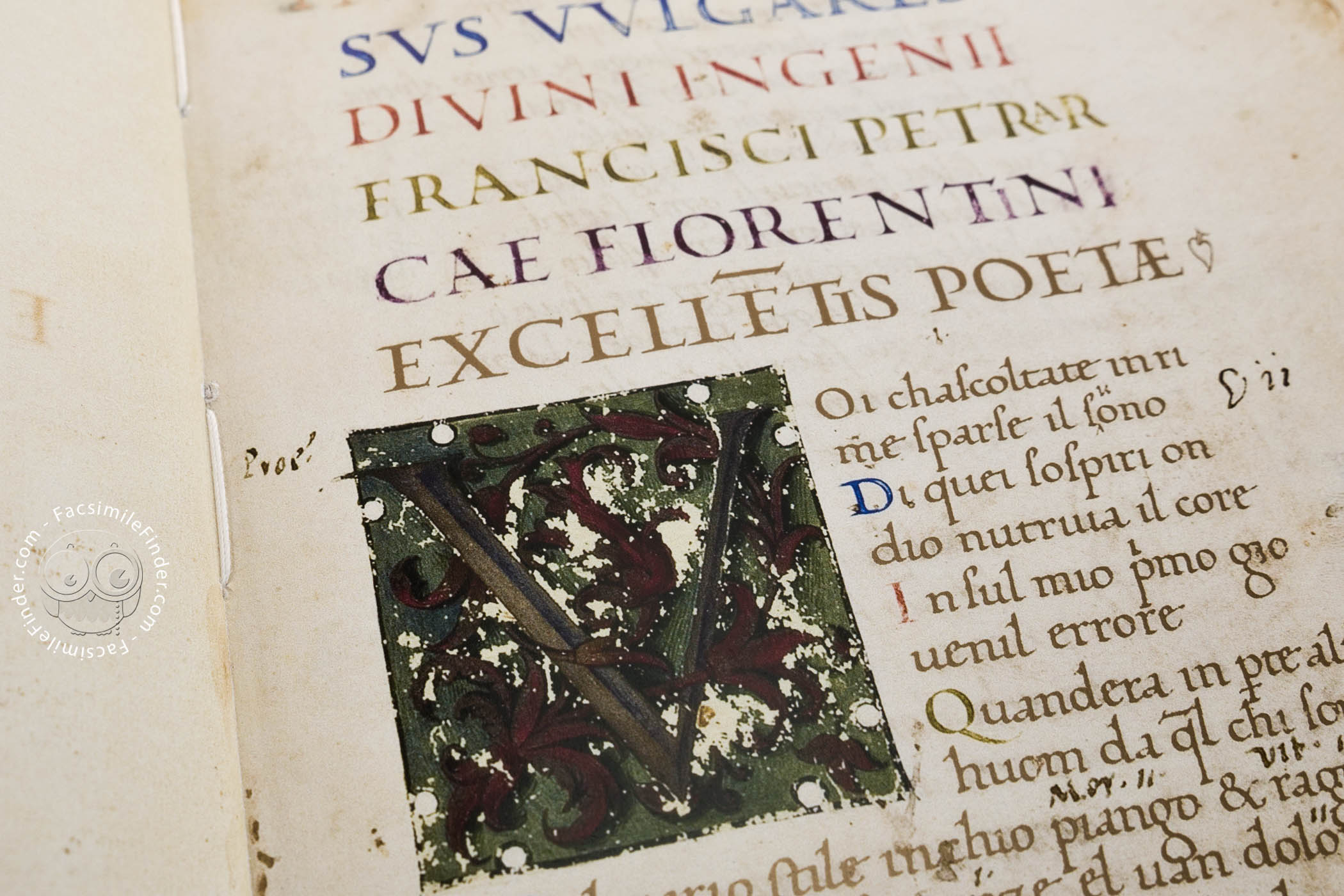
A gold initial on a colored ground marks the beginning of each of the Triumphs, and the beginnings of many texts are executed in colored capitals. The opening rubric in colored capitals, which announces the start of the Canzoniere, is followed by an 8-line decorated initial featuring stylized acanthus, a motif learned from ancient art (fol. 1r).
Humanistic Writing on Display
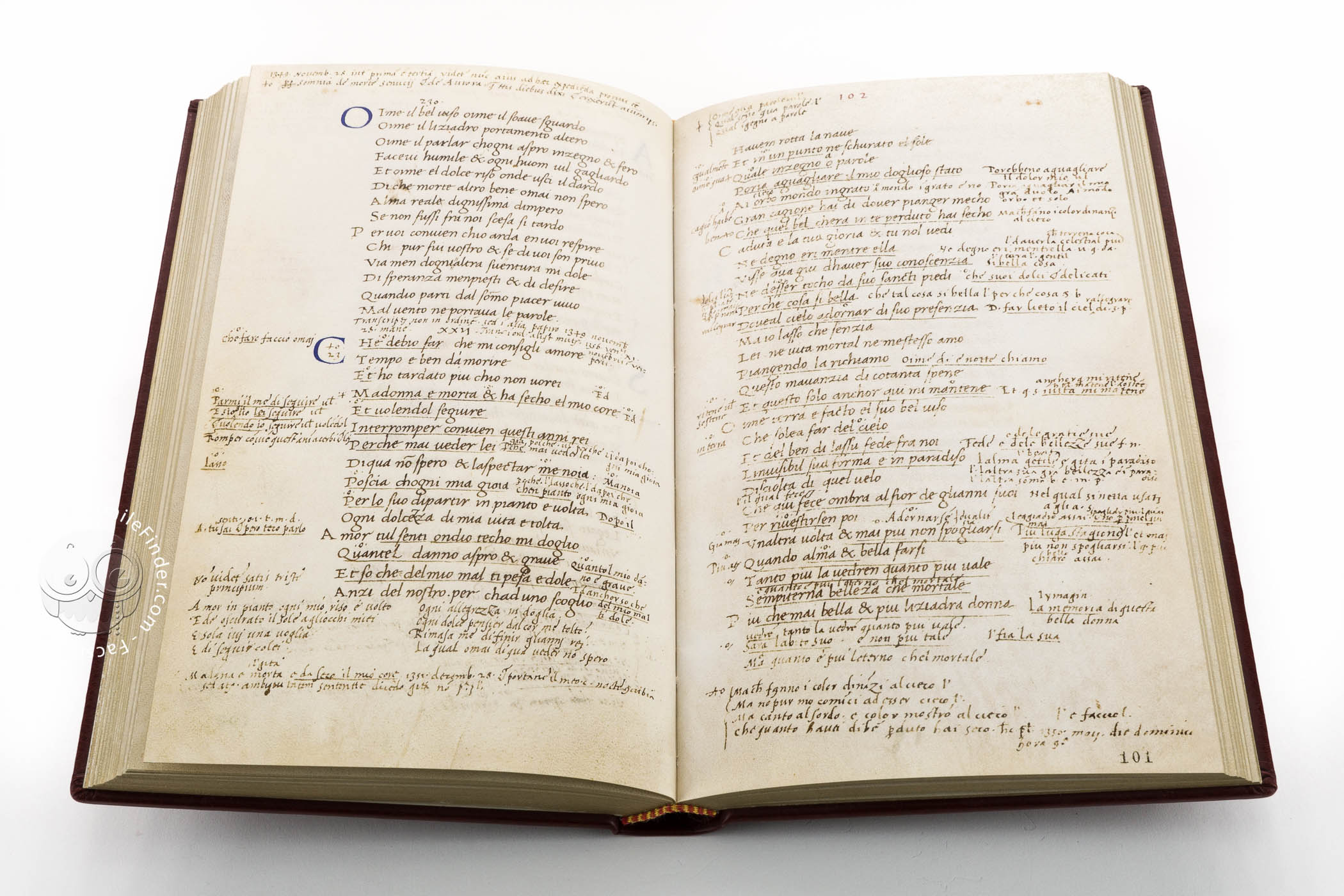
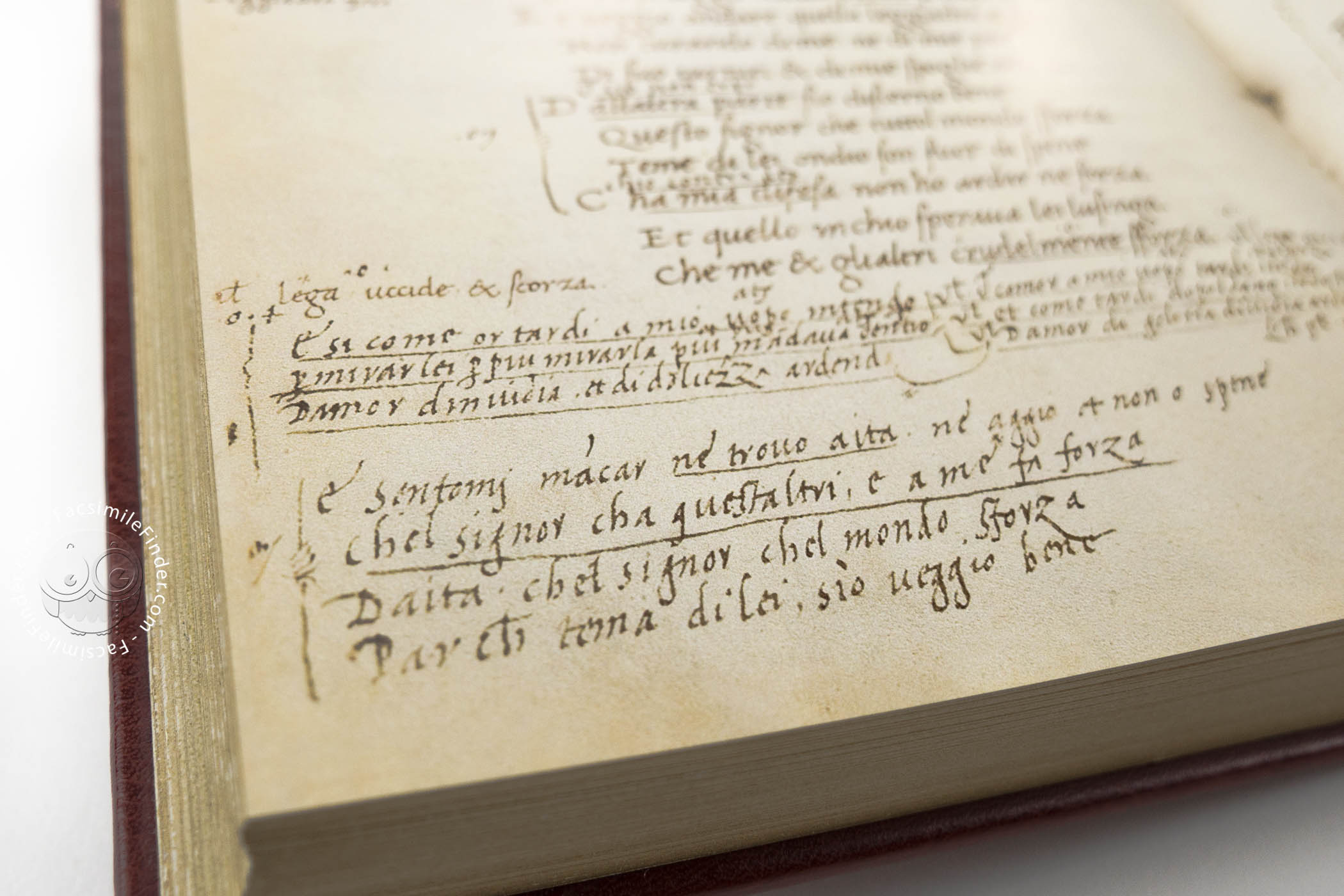
A single scribe wrote the main text in long lines (a single column) with ample margins that easily accommodate the annotations stemming both from the main scribe of the book and subsequent scribes active in the early sixteenth century.
The opening page of the manuscript is written in Humanistic Minuscule, the script favored for literary texts in humanistic circles, but most of the text is written in more compact Humanistic Cursive, the model for the italic typeface of early printing. The scribe made generous use of Square Capitals at the beginnings of texts, another script favored in Italian humanist circles.
A Scholar's Book
The manuscript was conceived as a luxury object, but it was also a work of scholarship. The main scribe's annotations reveal a keen interest in Petrarch's authorial intention and a familiarity—direct or indirect—with the Petrarch autograph manuscript known as the "sketches" (Vatican City, Biblioteca Apostolica Vaticana, MS Vat. lat. 3196). Three subsequent annotators provided explanations and identified Petrarch's literary sources.
Untraced for Three Centuries
The manuscript's early history is unknown. In 1763, it entered the collection of the Biblioteca Casanatense—named for Girolamo Casanate (1620-1700), whose private library formed the foundation collection of the public library established after his death. A gathering of twelve leaves of the Triumphs has been lost, and the contents have been partially scrambled.
A Twentieth-Century Discovery
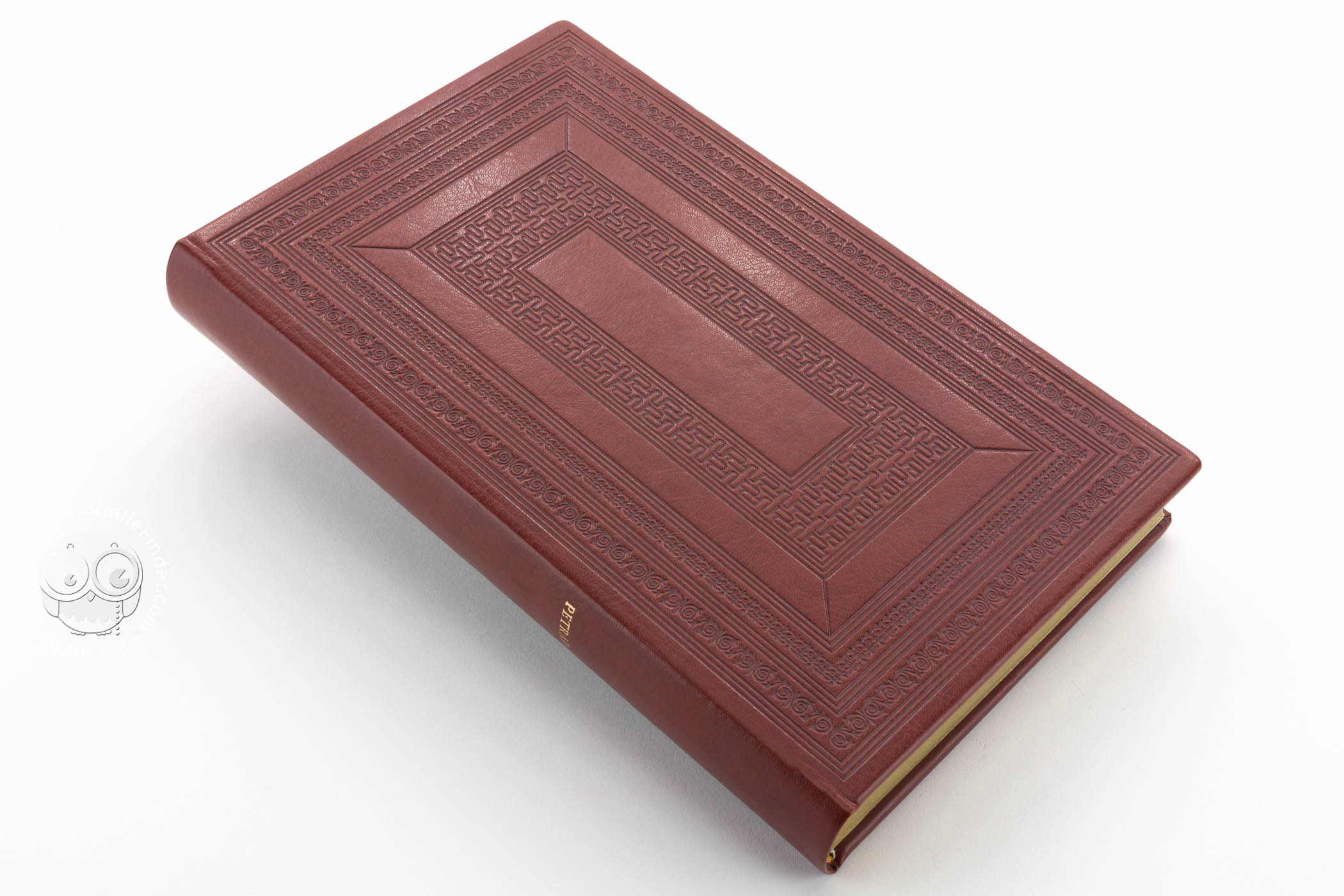
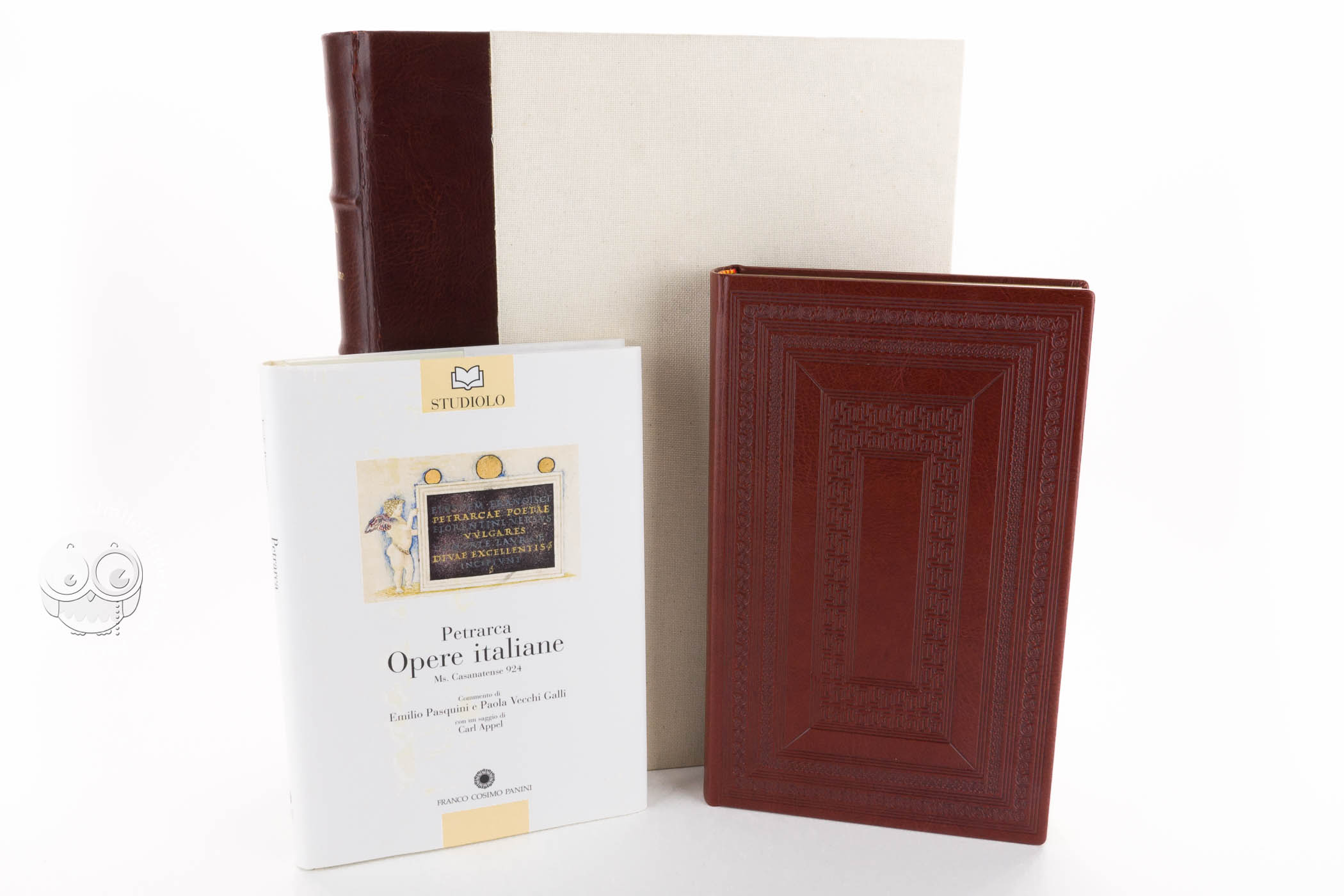
The last two leaves of the manuscript were extracted from an earlier binding in 1905. Written in two columns on one side only in Humanistic Cursive, they include three sonnets, a ballata, and a fragment. Although Petrarchan in style, it is uncertain whether these are genuine works. The current blind-tooled leather binding over pasteboard with leather and metal clasps dates from the early twentieth century.
We have 1 facsimile edition of the manuscript "Casanatense Petrarch": Petrarca - Opere Italiane (MS Casanatense 924) facsimile edition, published by Franco Cosimo Panini Editore, 2006
Request Info / Price