
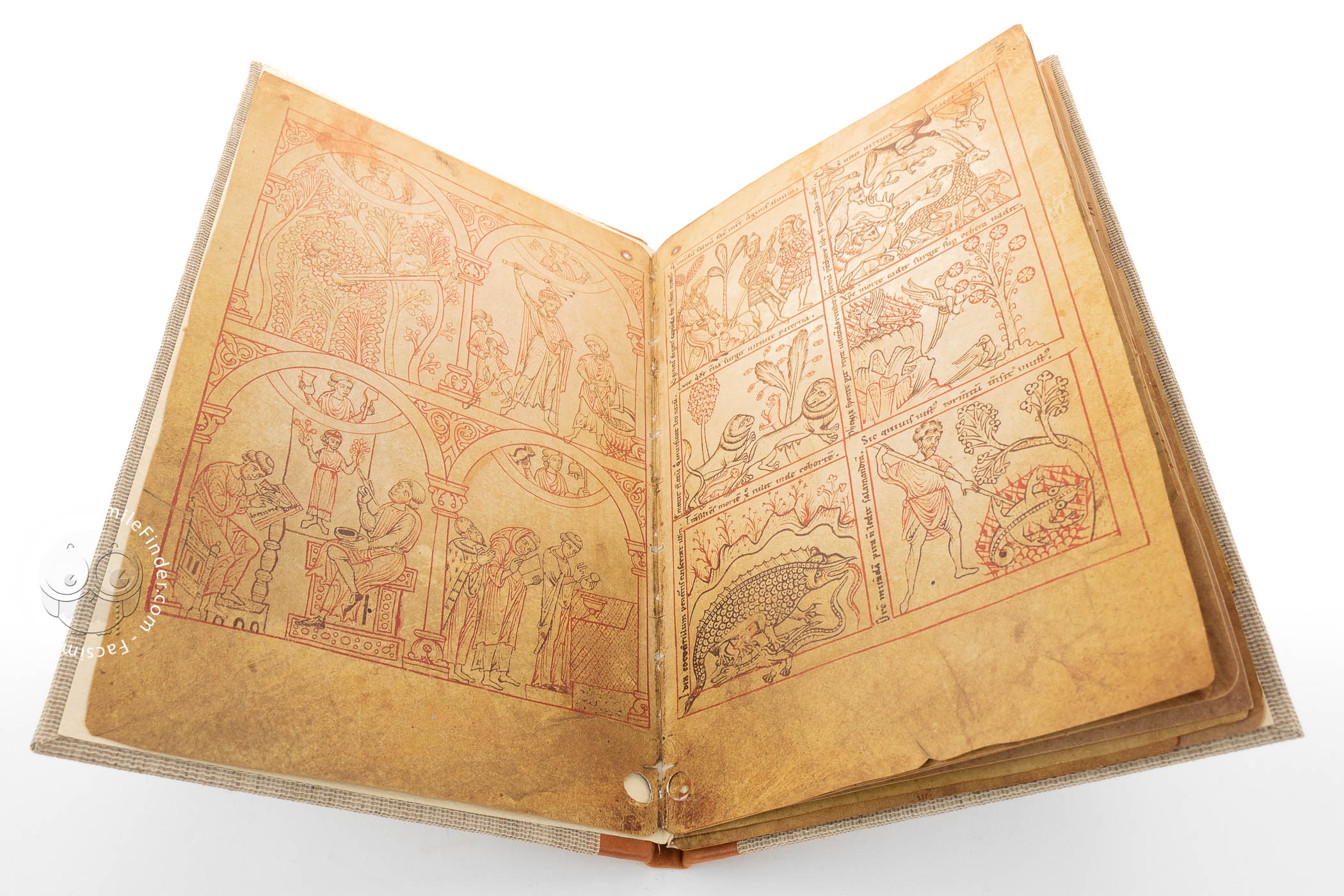

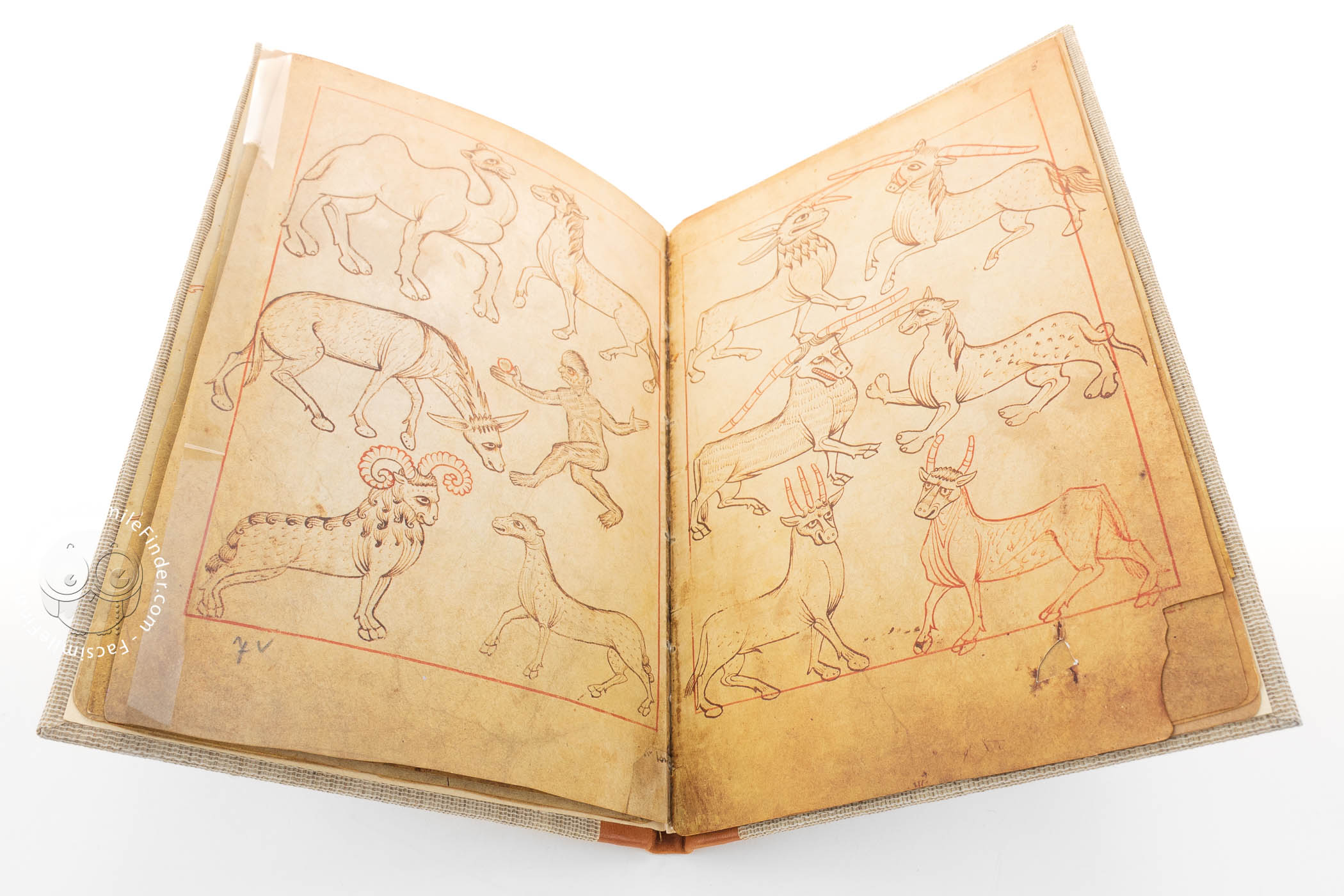
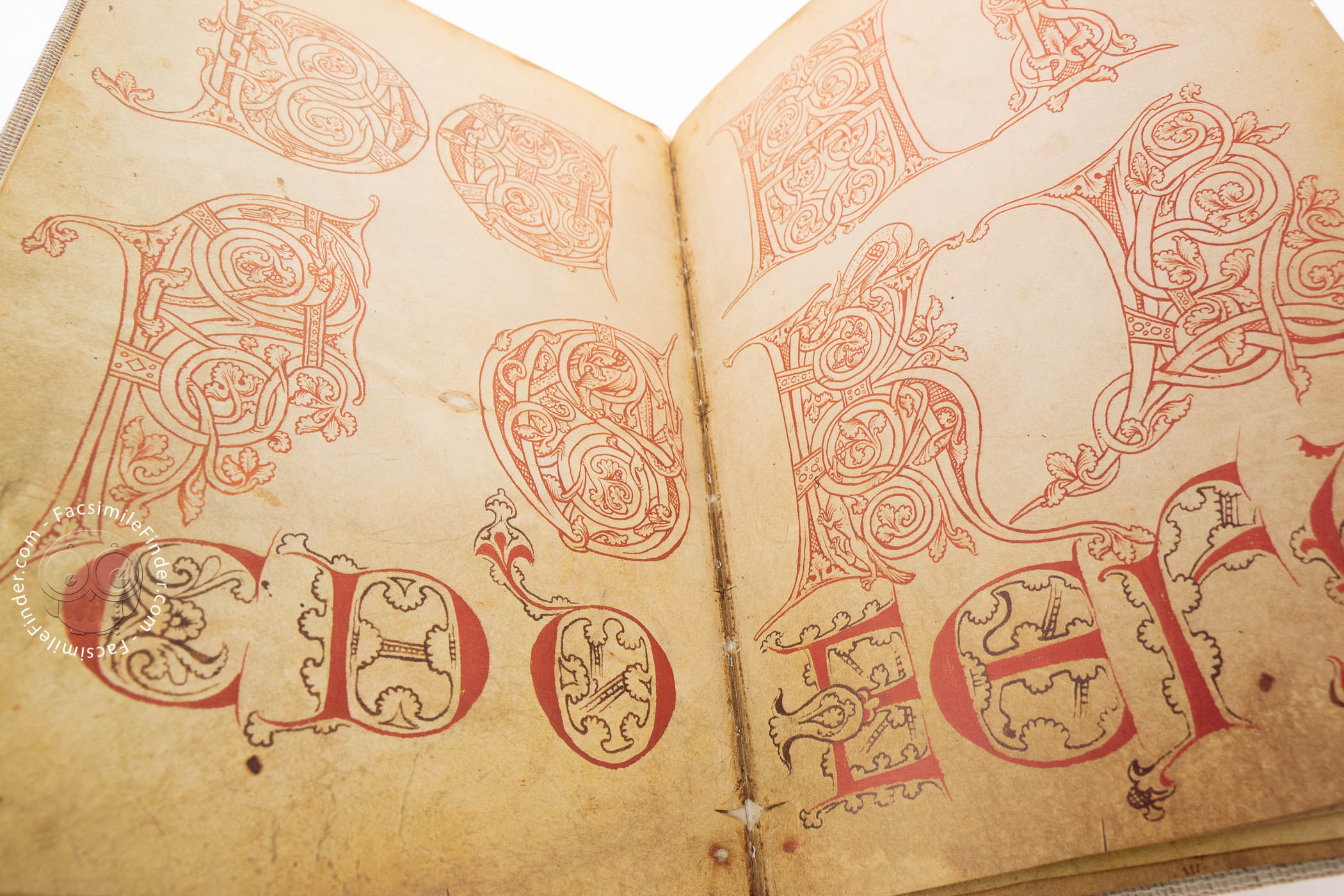
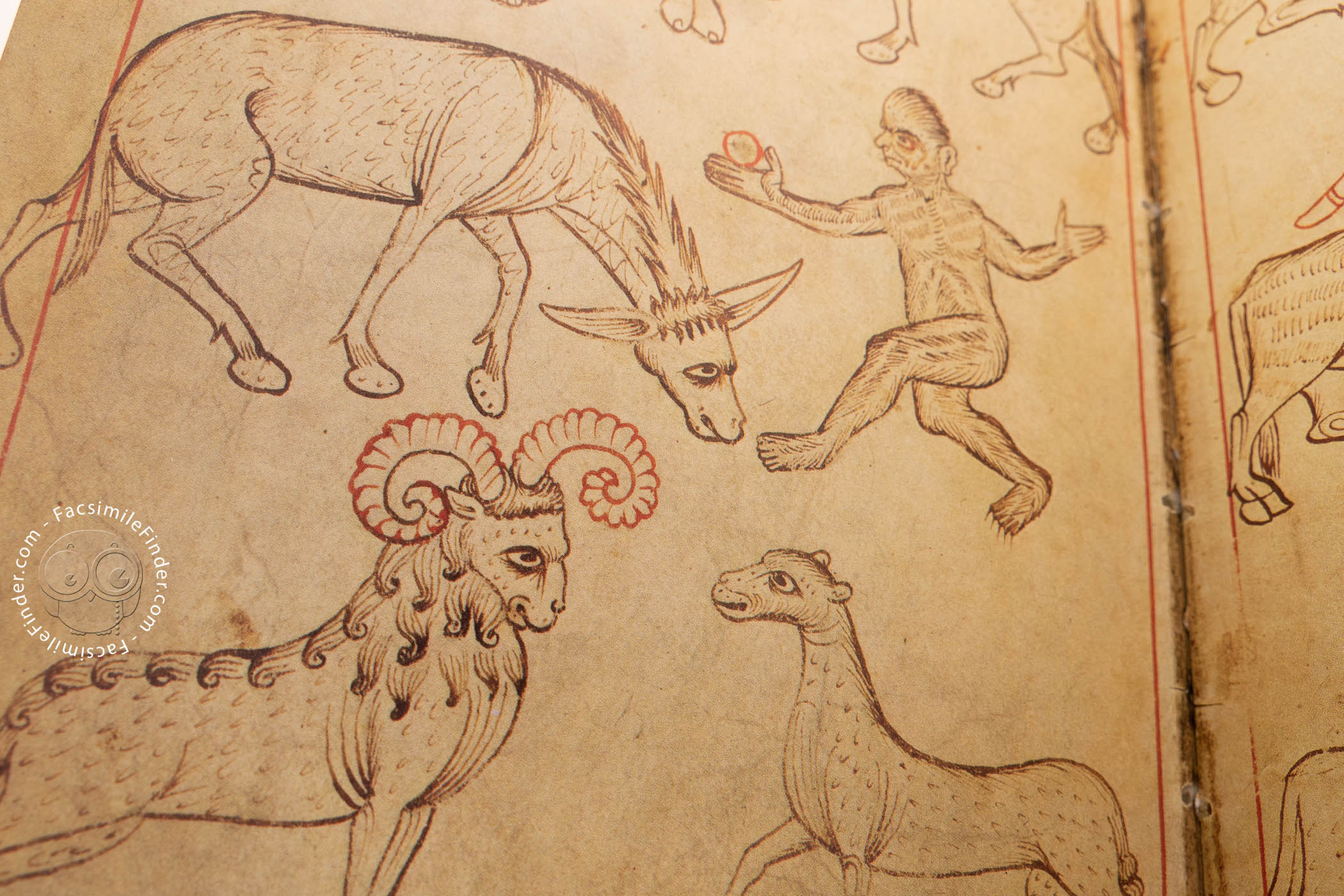
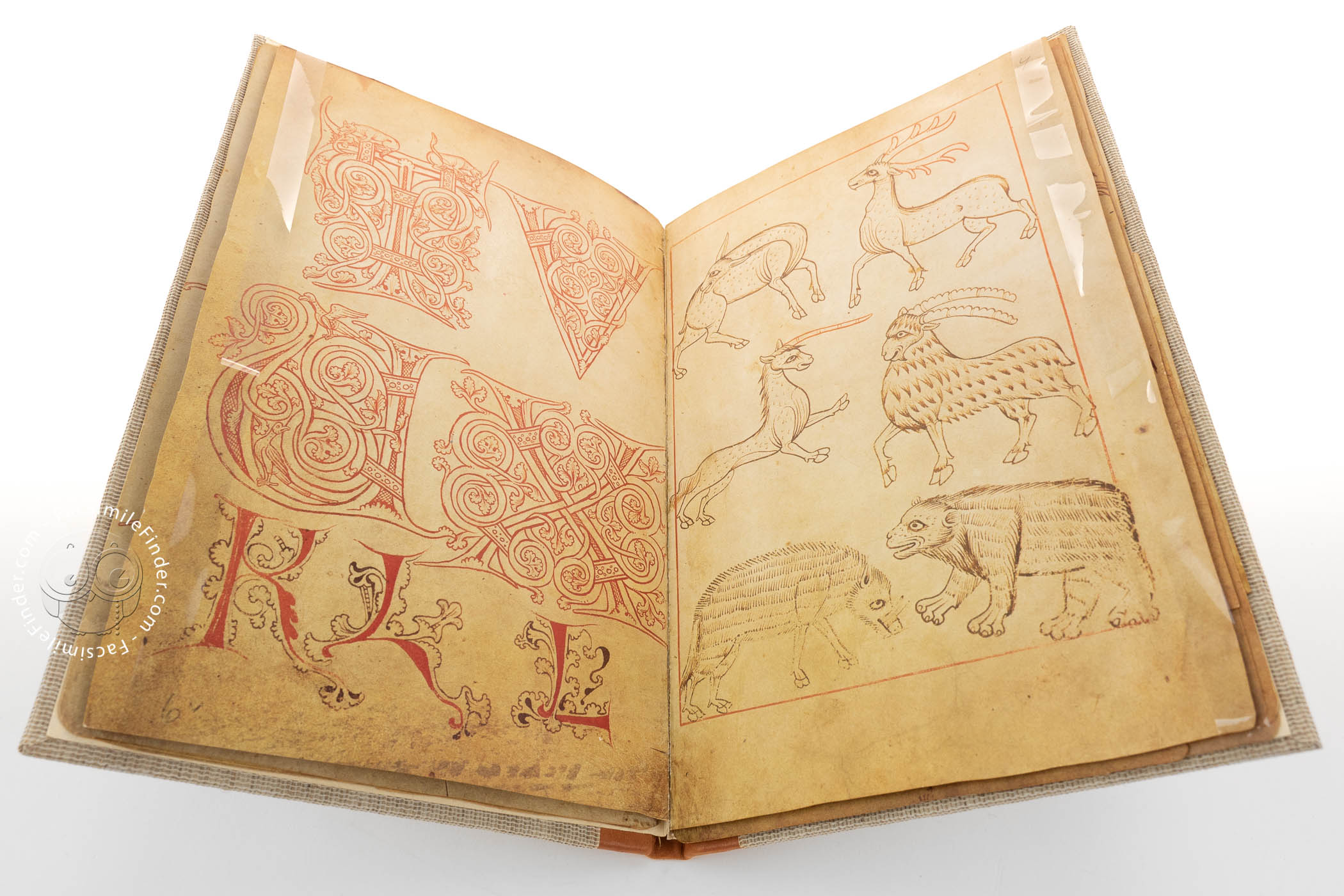
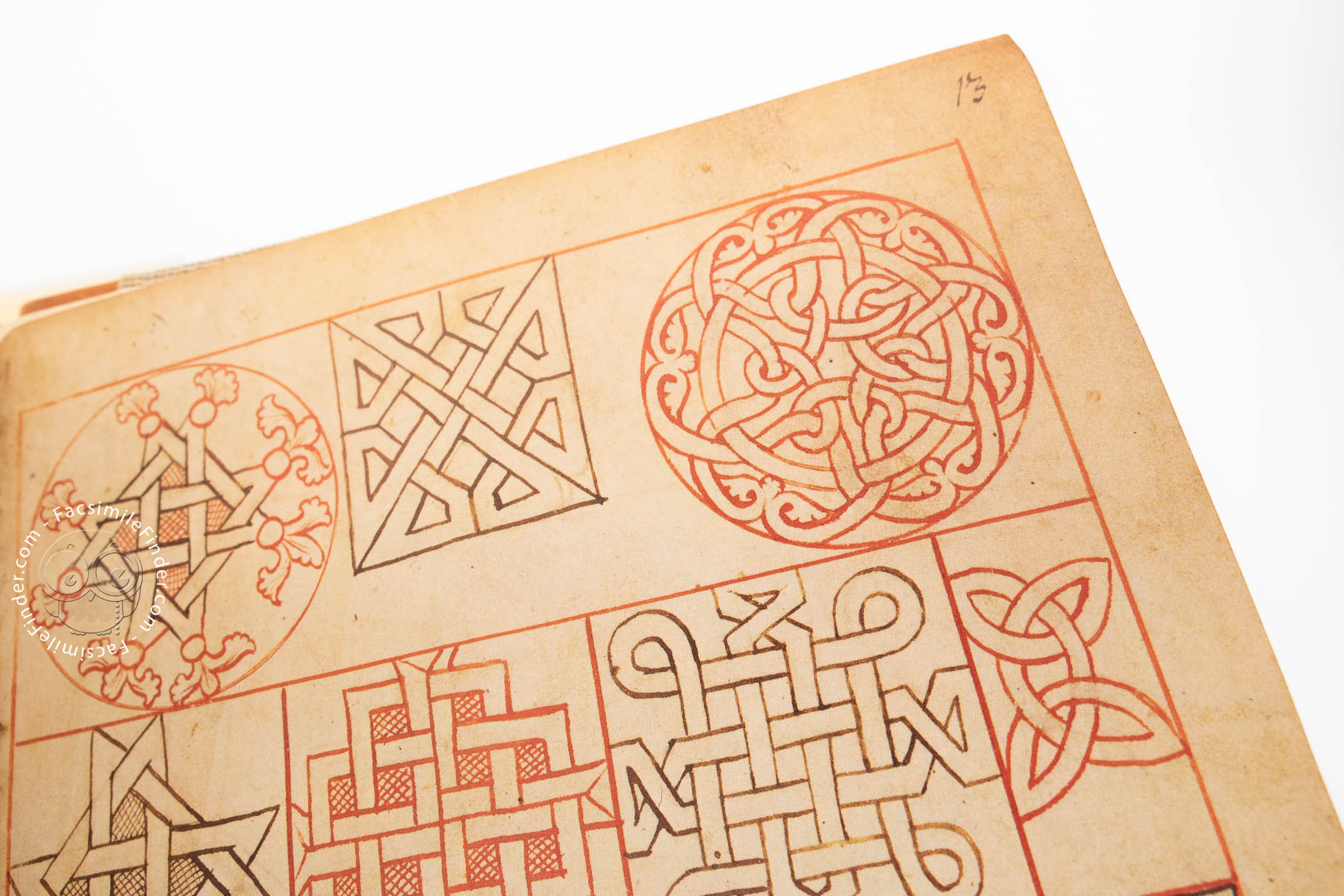
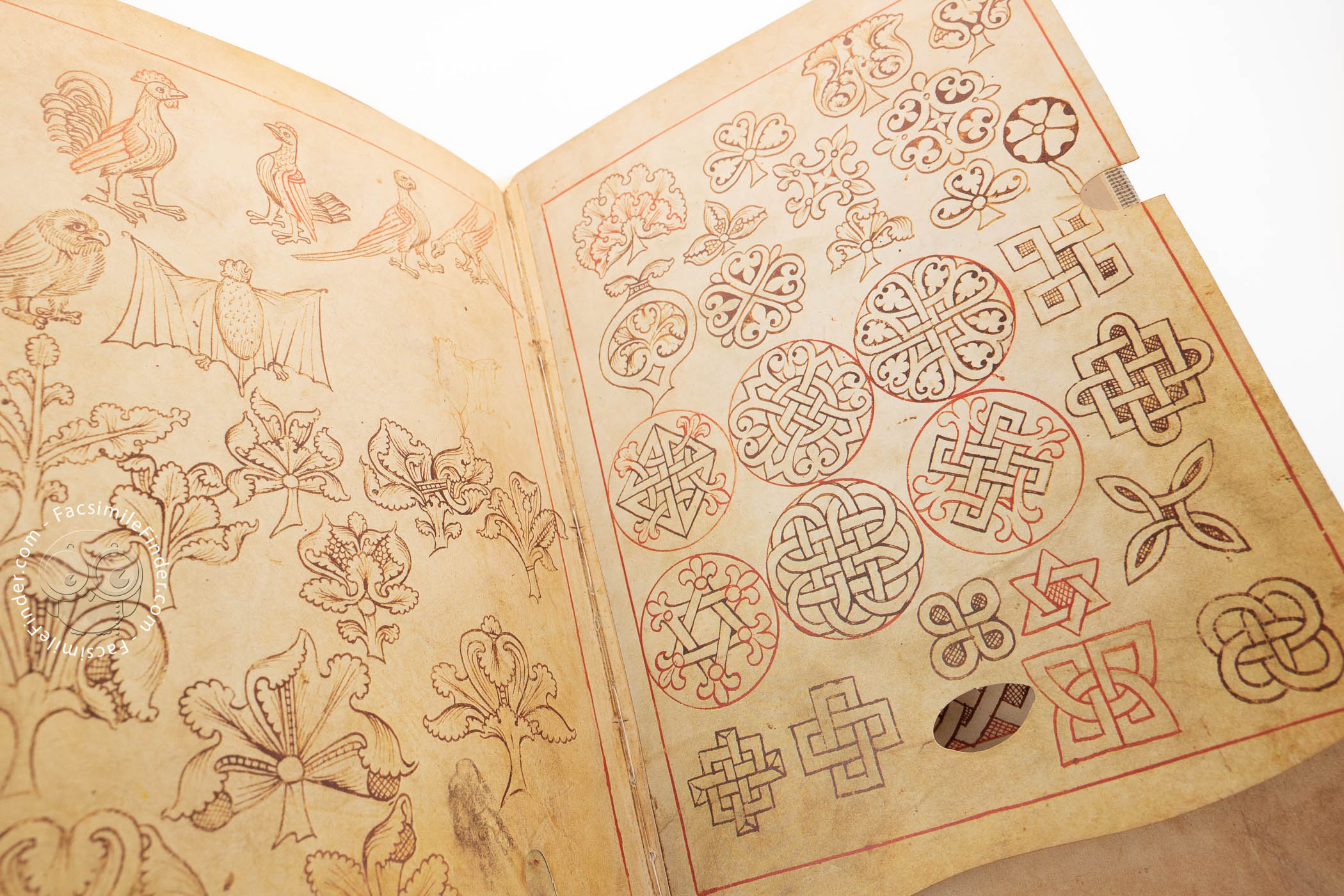
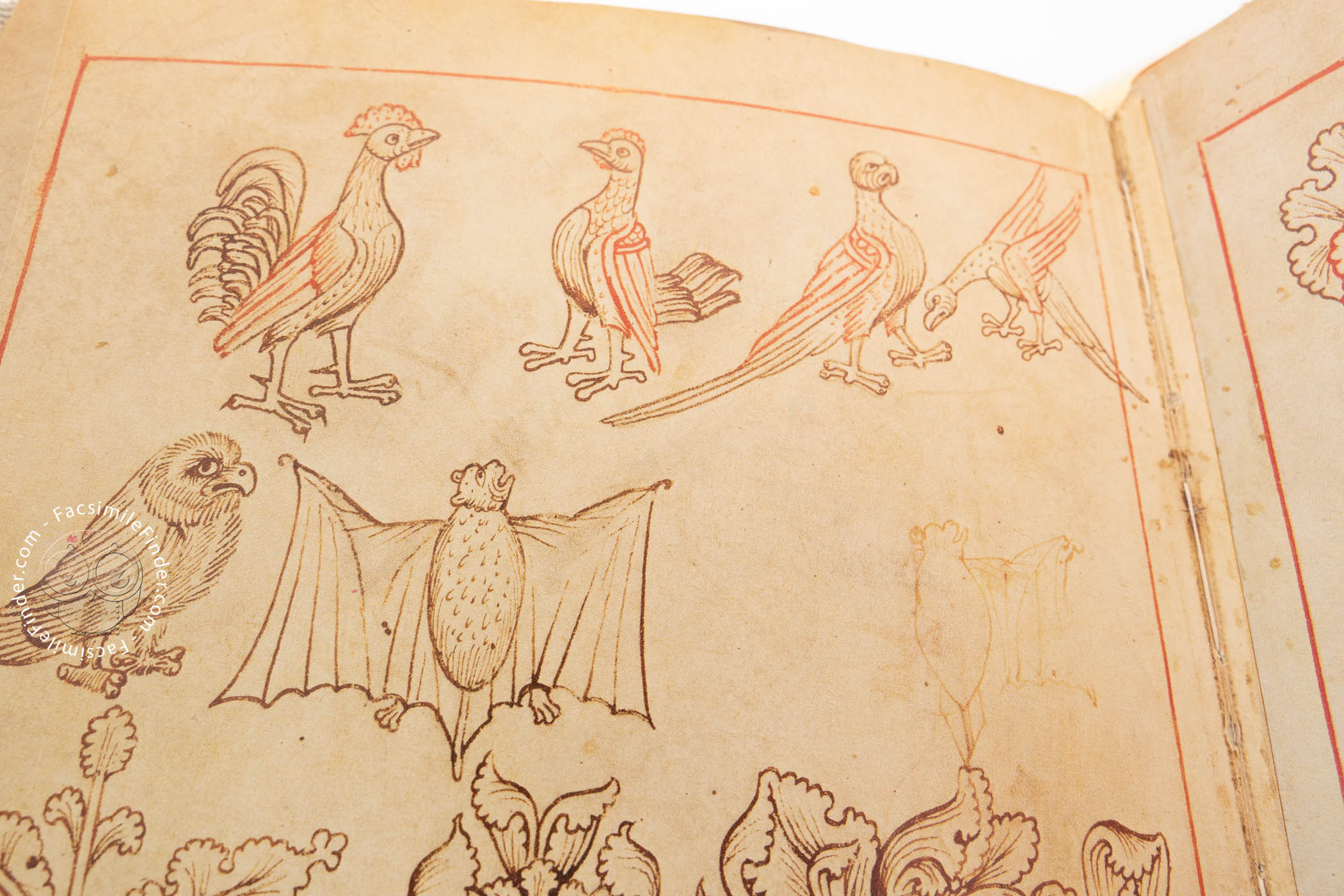


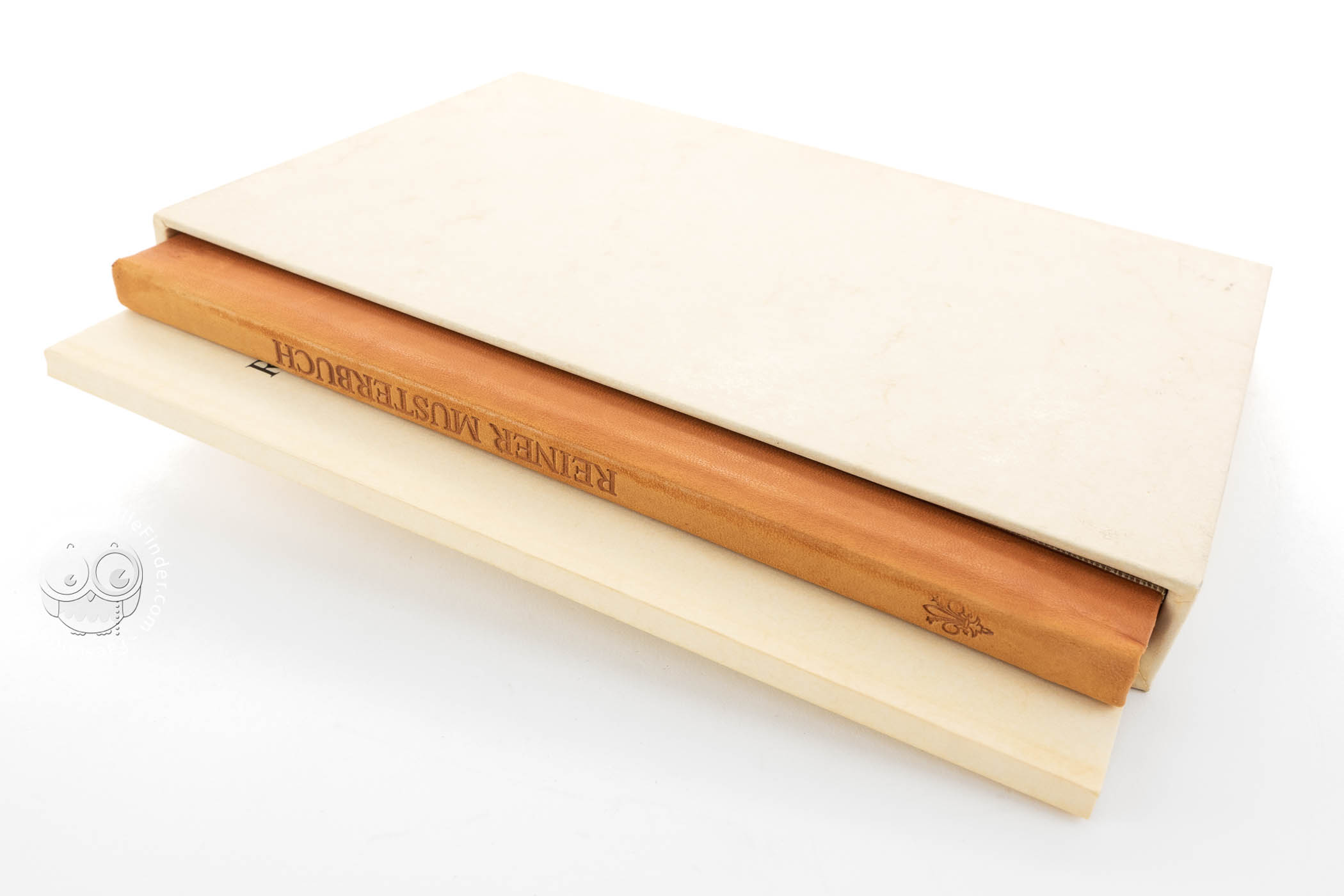
The Model Book of Rein, preserved in the Austrian National Library, is one of the earliest and most substantial surviving medieval artists’ model books. Probably assembled in a Cistercian milieu around the beginning of the thirteenth century, its first thirteen folios preserve an unusually varied repertory of images intended for artistic instruction and reuse. Their restrained execution in red and black pen reflects the austere visual culture cultivated within the Cistercian order.
A Repertory for Medieval Artists
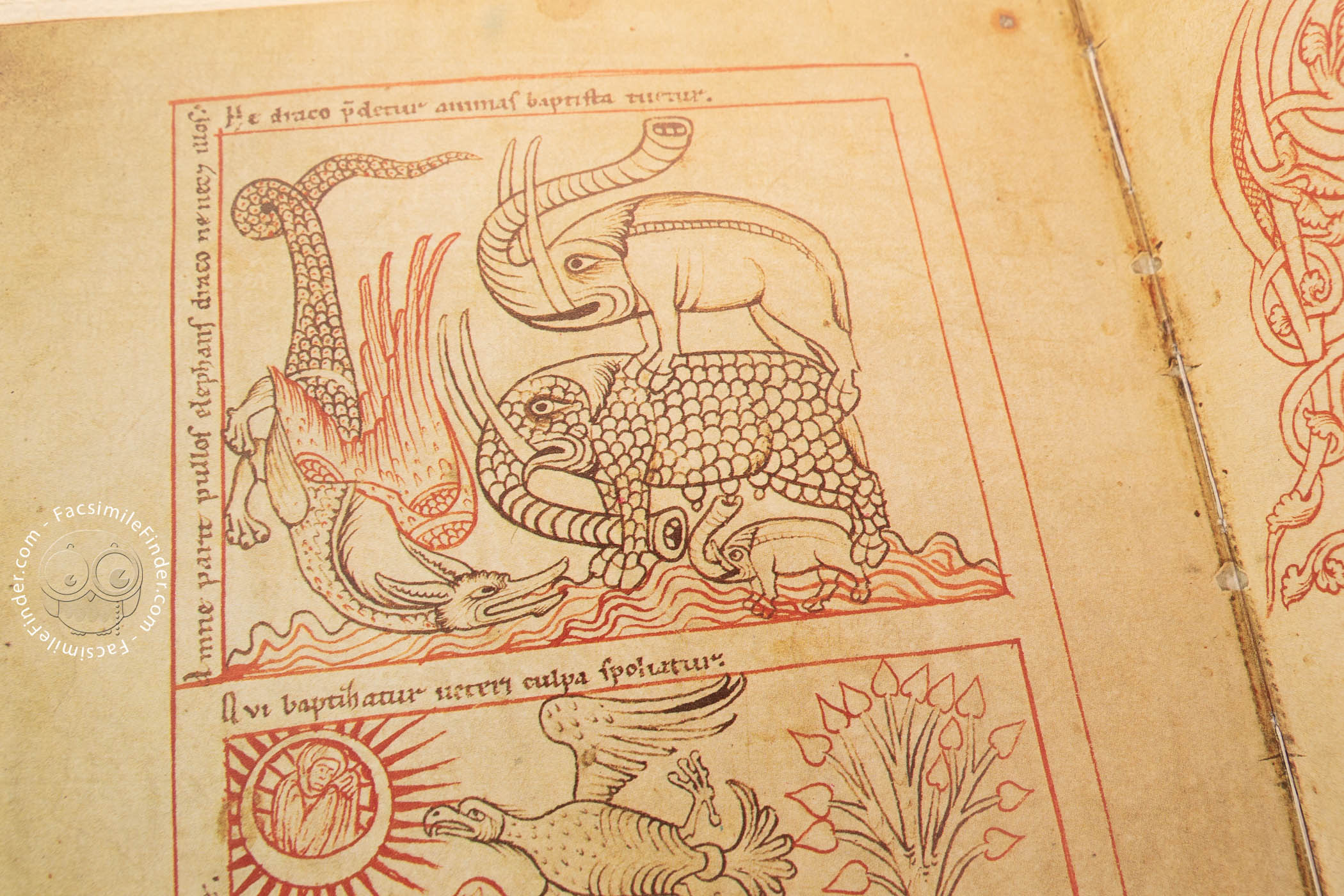
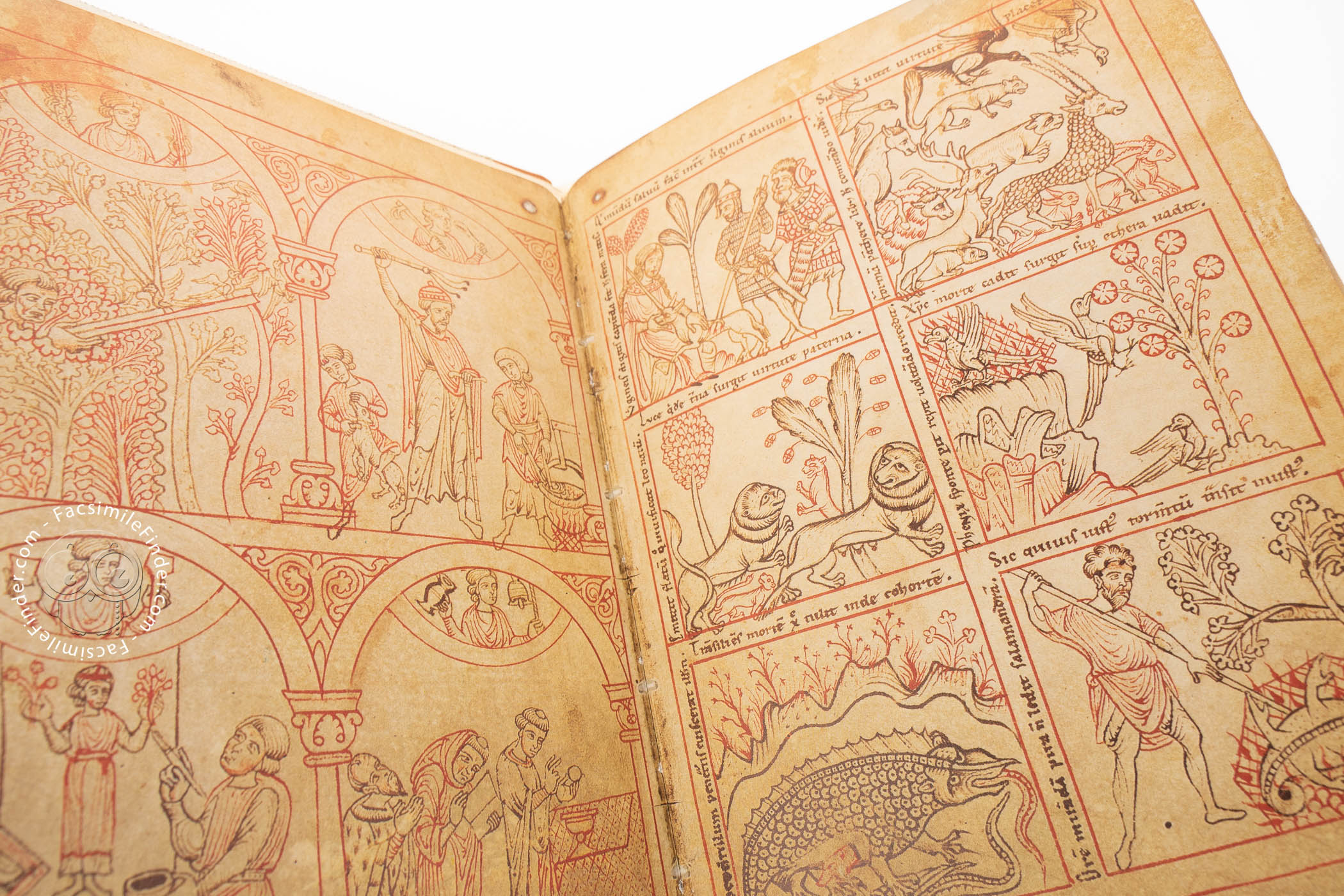
The manuscript brings together several kinds of visual material. Twelve scenes of everyday activity evoke the mechanical arts, including agriculture, metalworking, weaving, leatherworking, fishing, hunting, cooking, writing, and painting. A further group derives from the Physiologus, where animals such as the unicorn, panther, lion, phoenix, elephant, and eagle embody Christian moral and theological meanings.
Letters, Animals, and Ornament
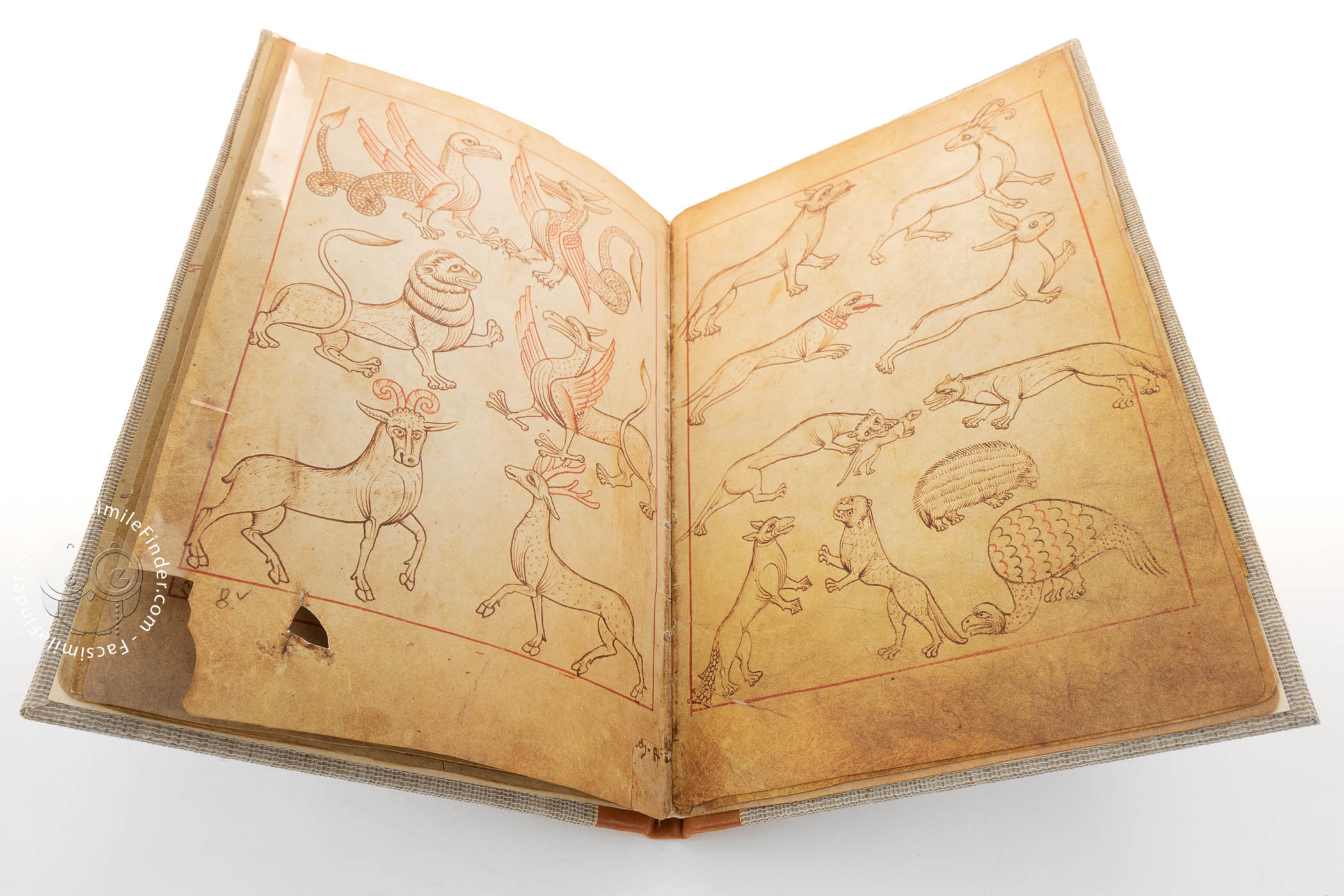
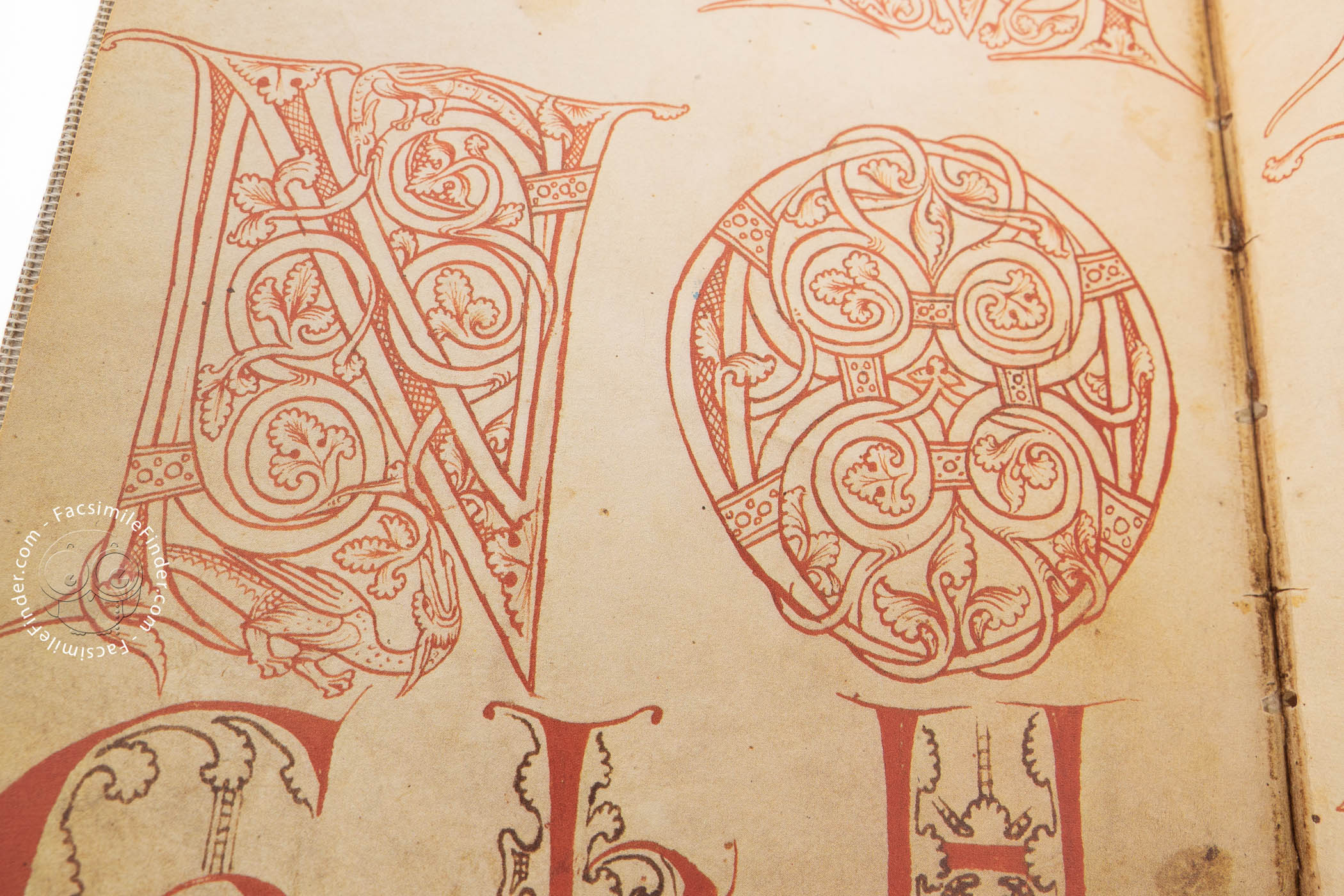
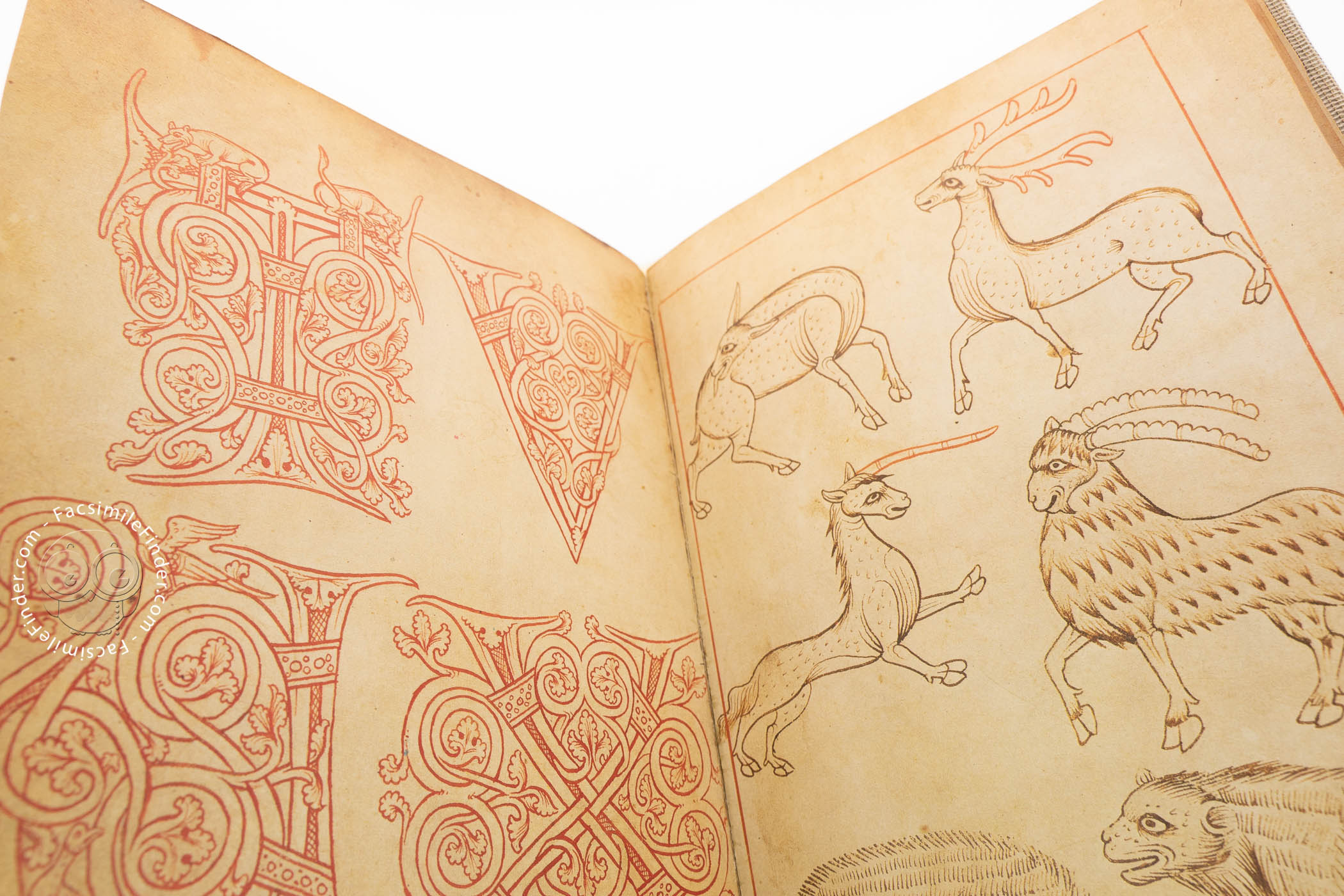
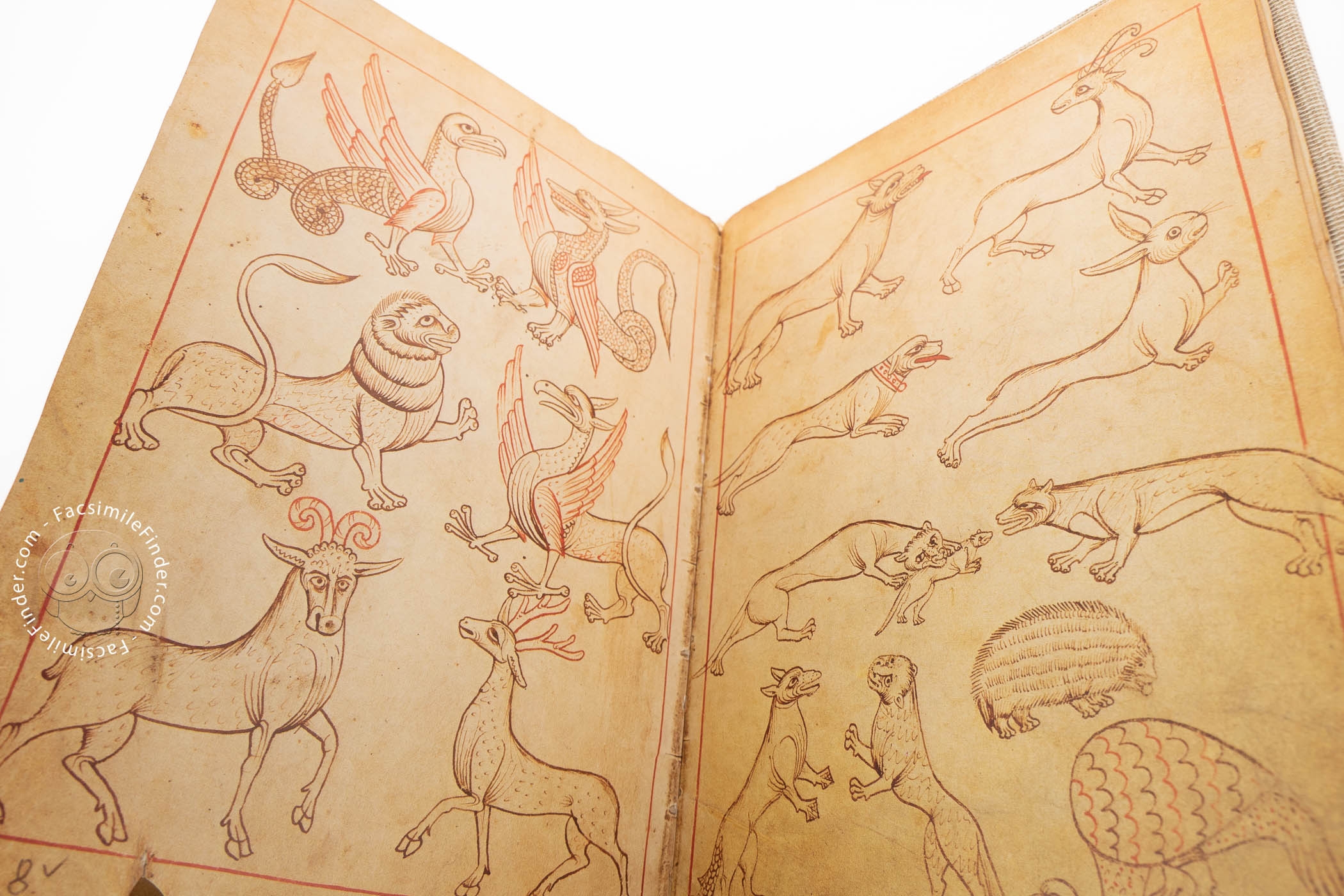
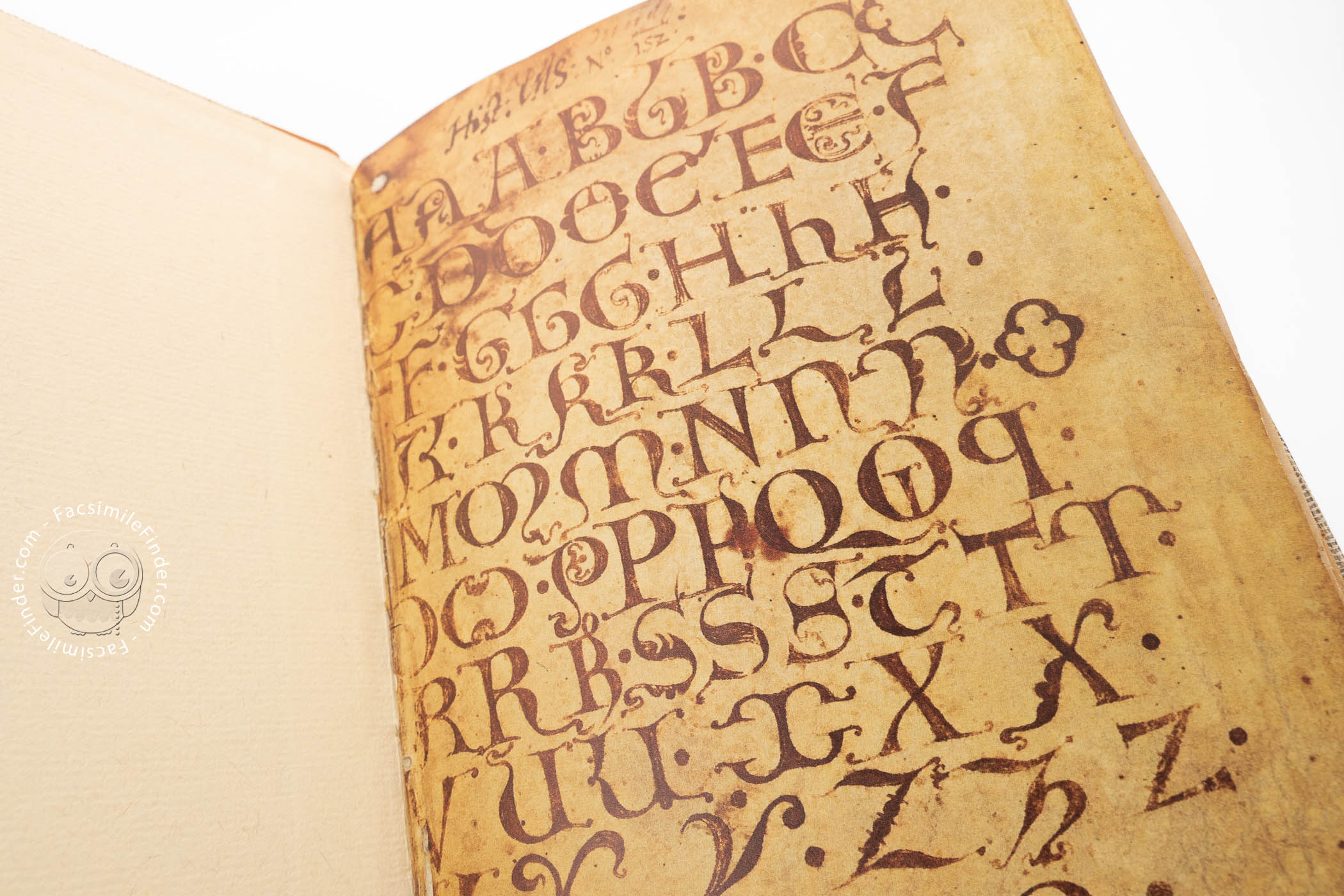
Other folios reveal the book’s practical function more directly. Three alphabets provide models for decorated initials of varying complexity, while extensive animal studies include both familiar creatures and fantastical beings. Birds, quadrupeds, dragons, and hybrids appear alongside studies of curling foliage whose forms recur within the large ornamental initials.
Patterns Across Artistic Media
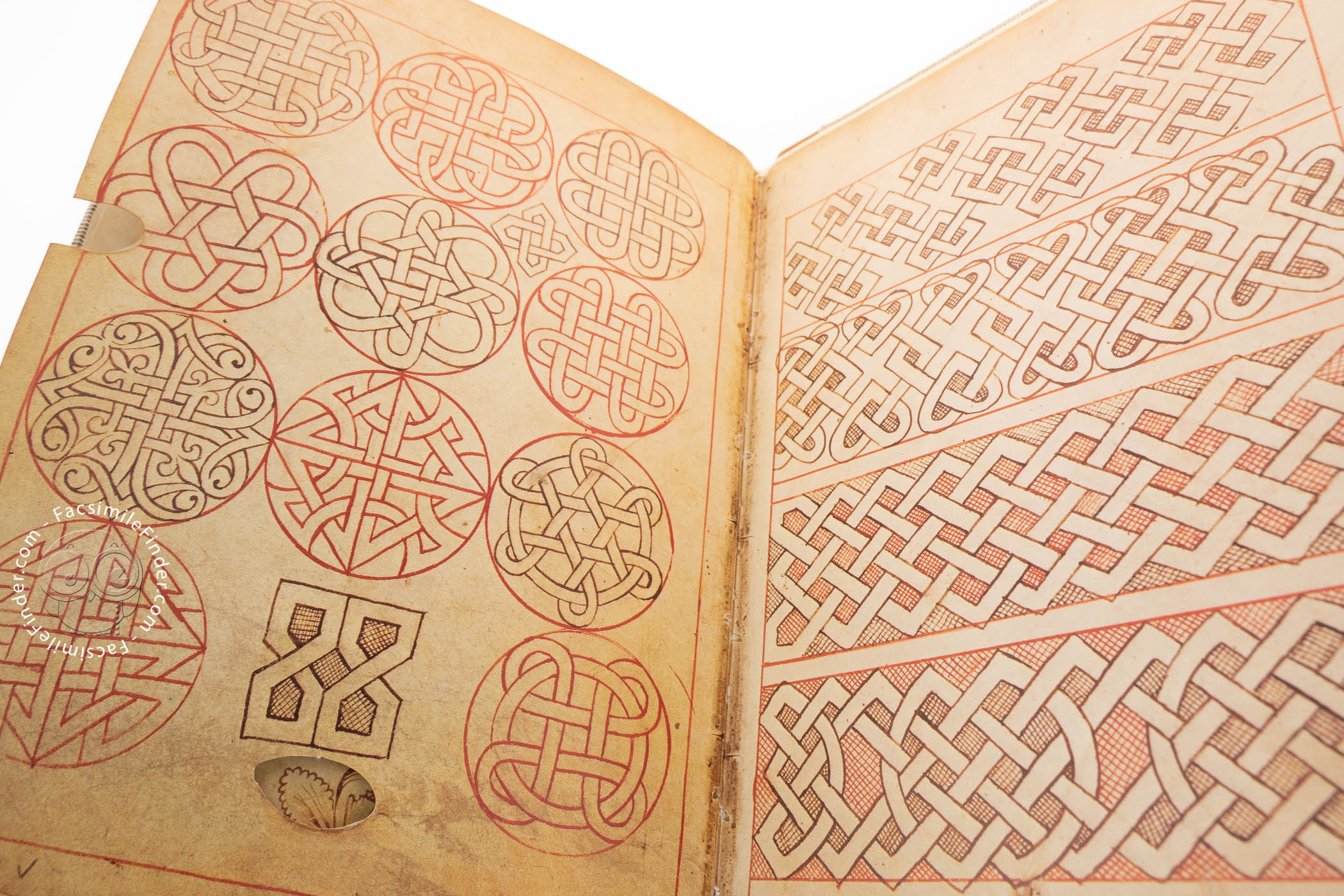
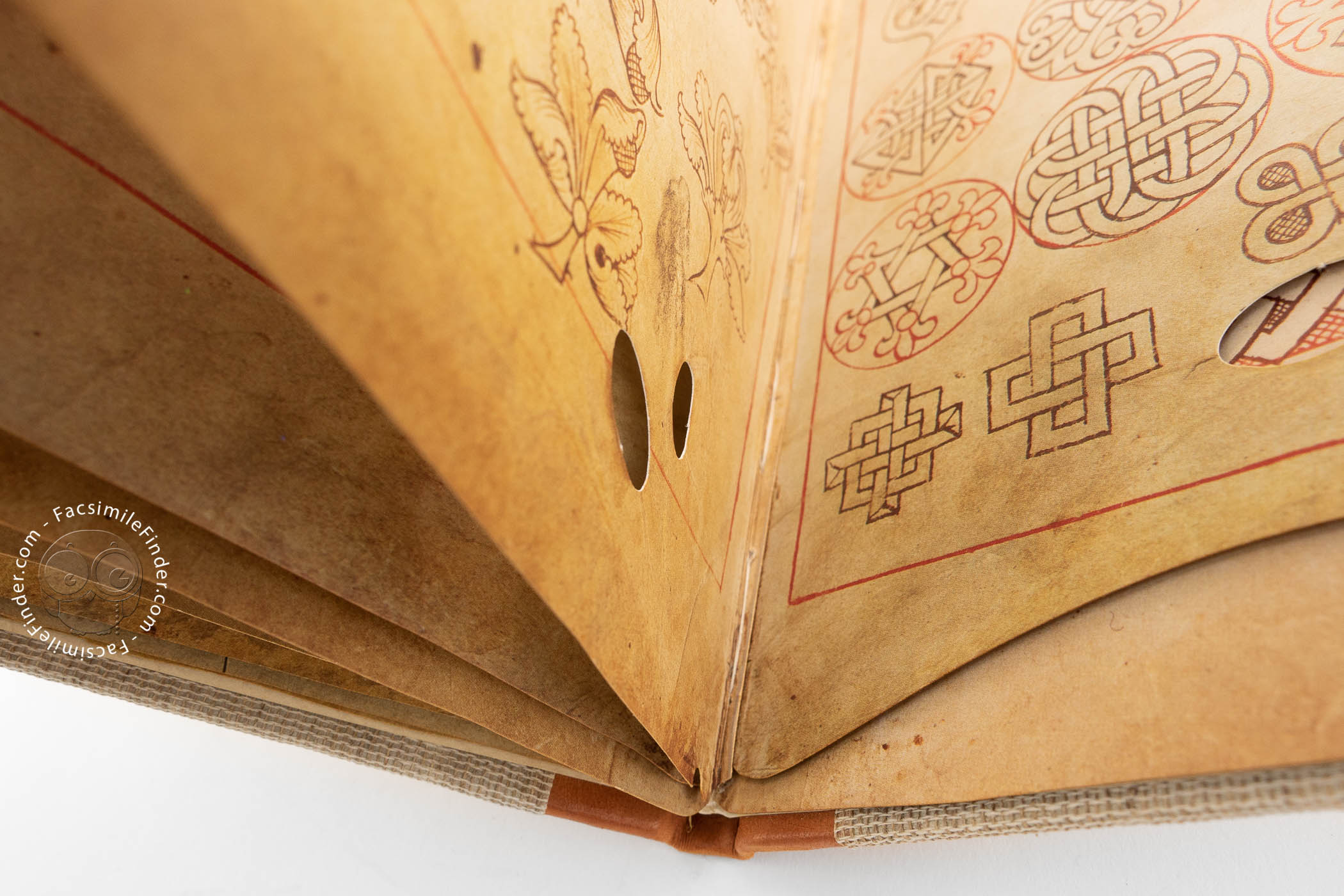
The final sections expand beyond book decoration. More than forty geometric and interlaced designs could serve as models for floor tiles, while larger compositions appear suited to stained-glass windows. Closely related ornamental systems circulated widely through Cistercian foundations, allowing motifs to move between manuscripts, architecture, and the decorative arts.
A Workshop Memory Preserved
The Model Book of Rein offers a rare glimpse into medieval artistic transmission. Rather than presenting a finished luxury object, it preserves the working vocabulary of artists: forms to be copied, adapted, and taught. In its pages, artistic knowledge survives as a portable archive of Cistercian design practice and medieval visual memory.
We have 2 facsimiles of the manuscript "Model Book of Rein":
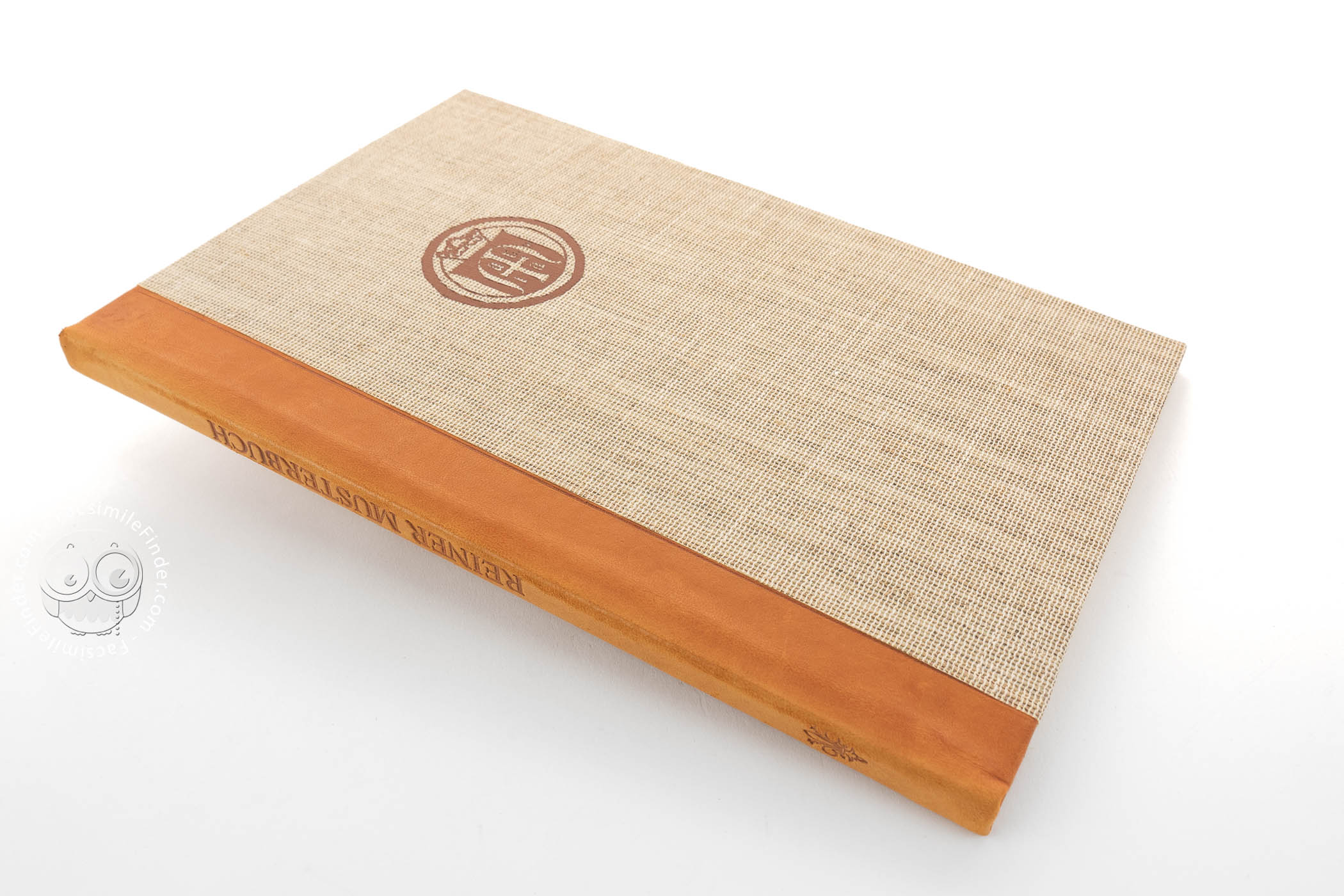
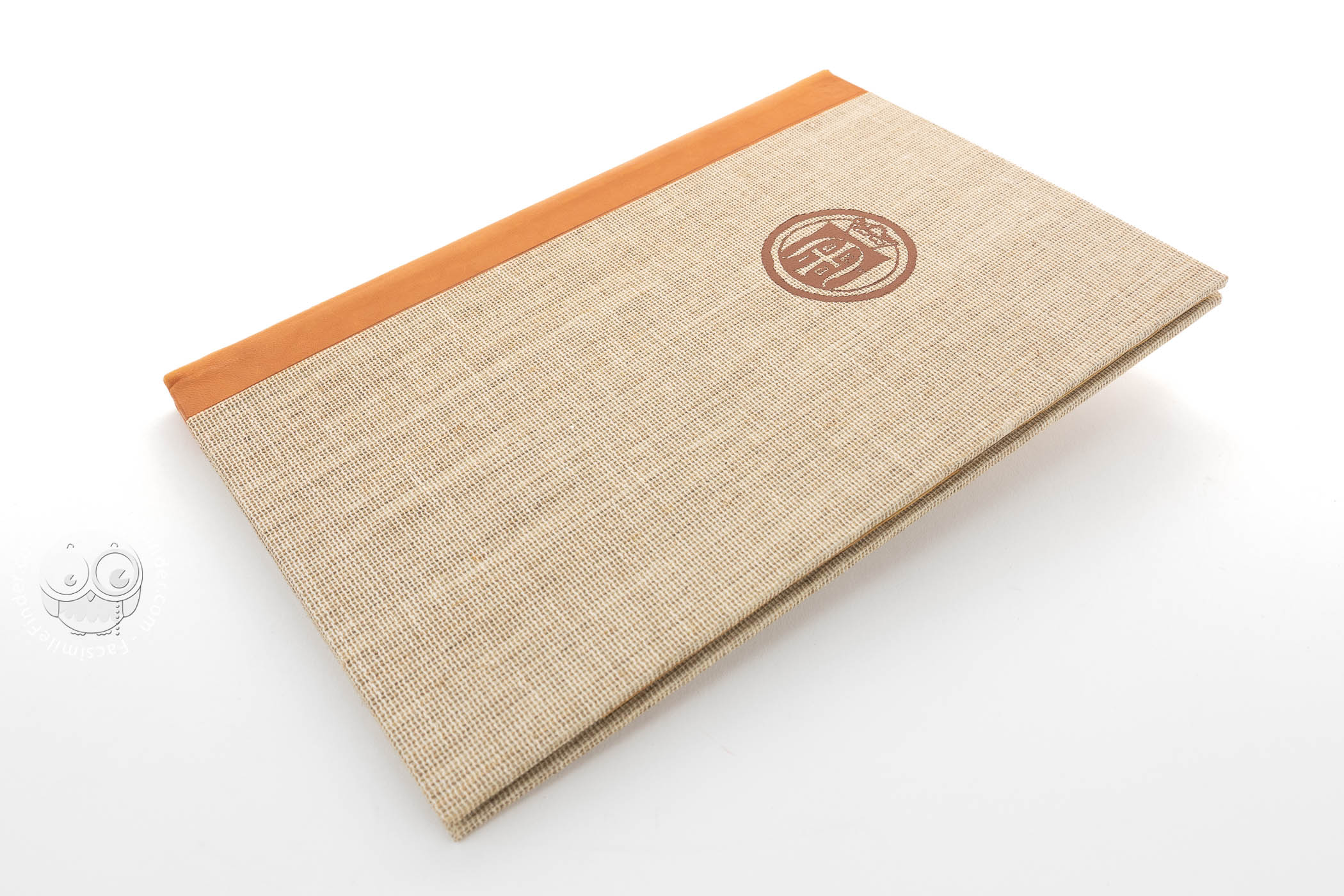
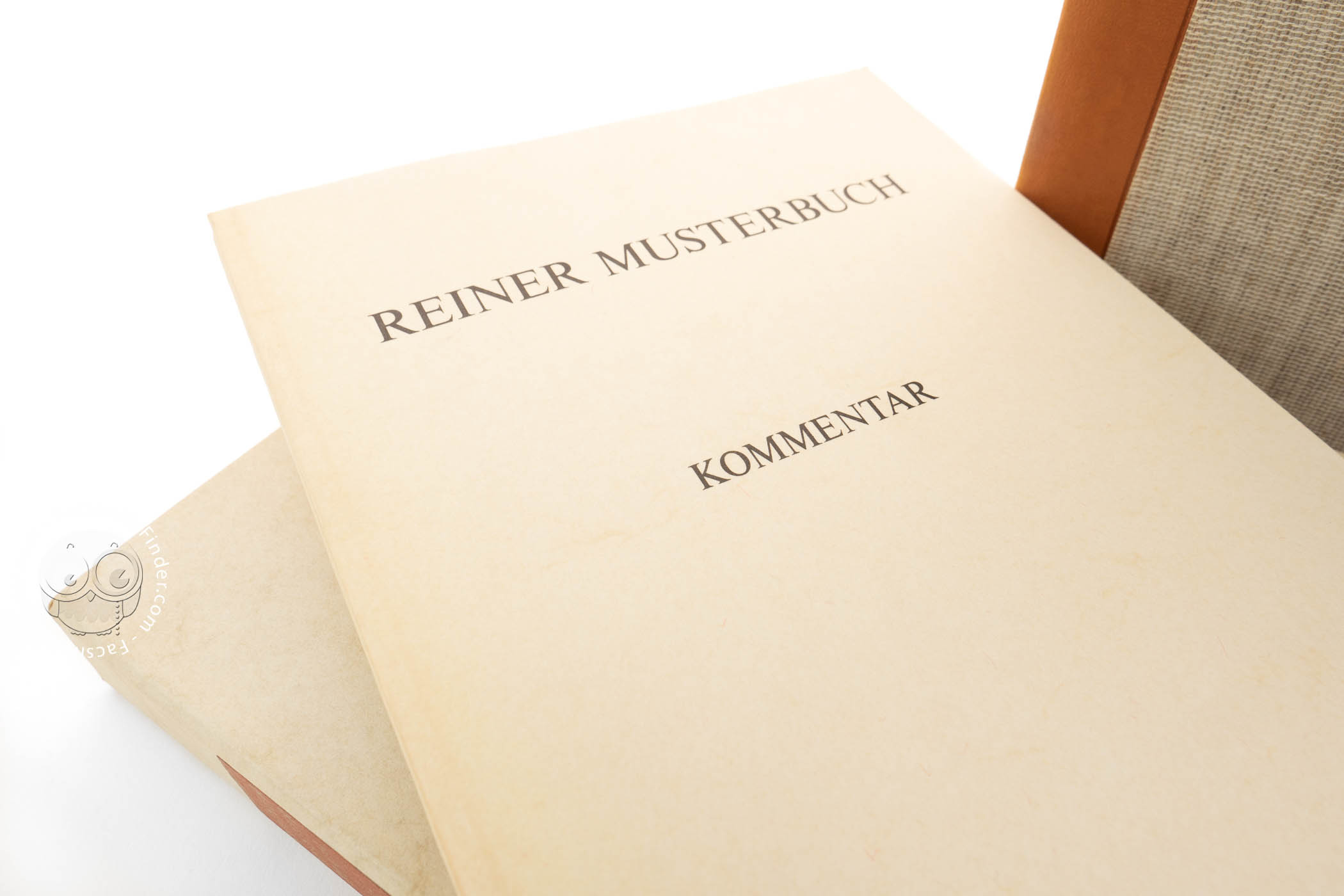
- Reiner Musterbuch (Leather Edition) facsimile edition published by Akademische Druck- u. Verlagsanstalt (ADEVA), 1979
- Reiner Musterbuch (Half-leather Edition) facsimile edition published by Akademische Druck- u. Verlagsanstalt (ADEVA), 1979