
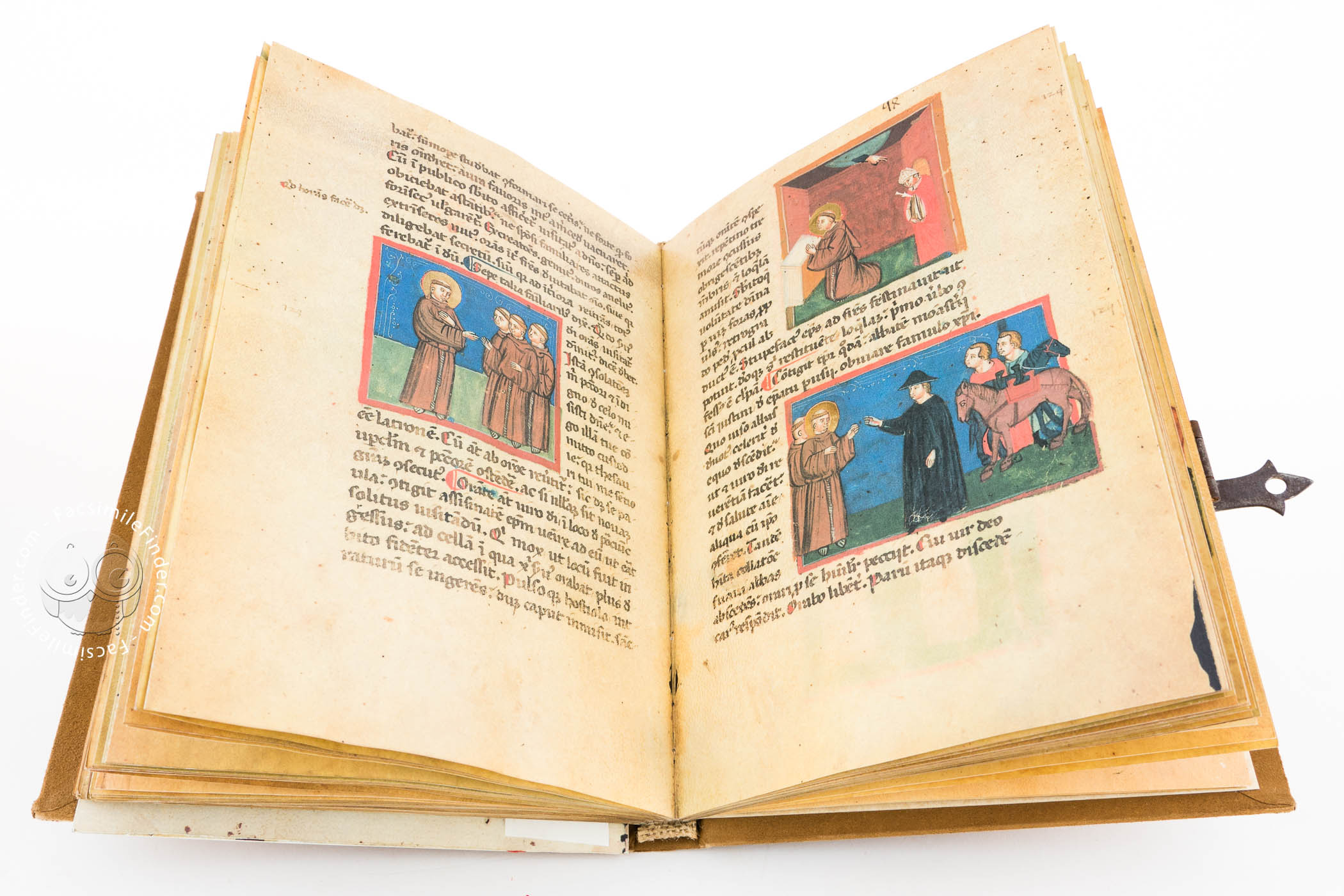
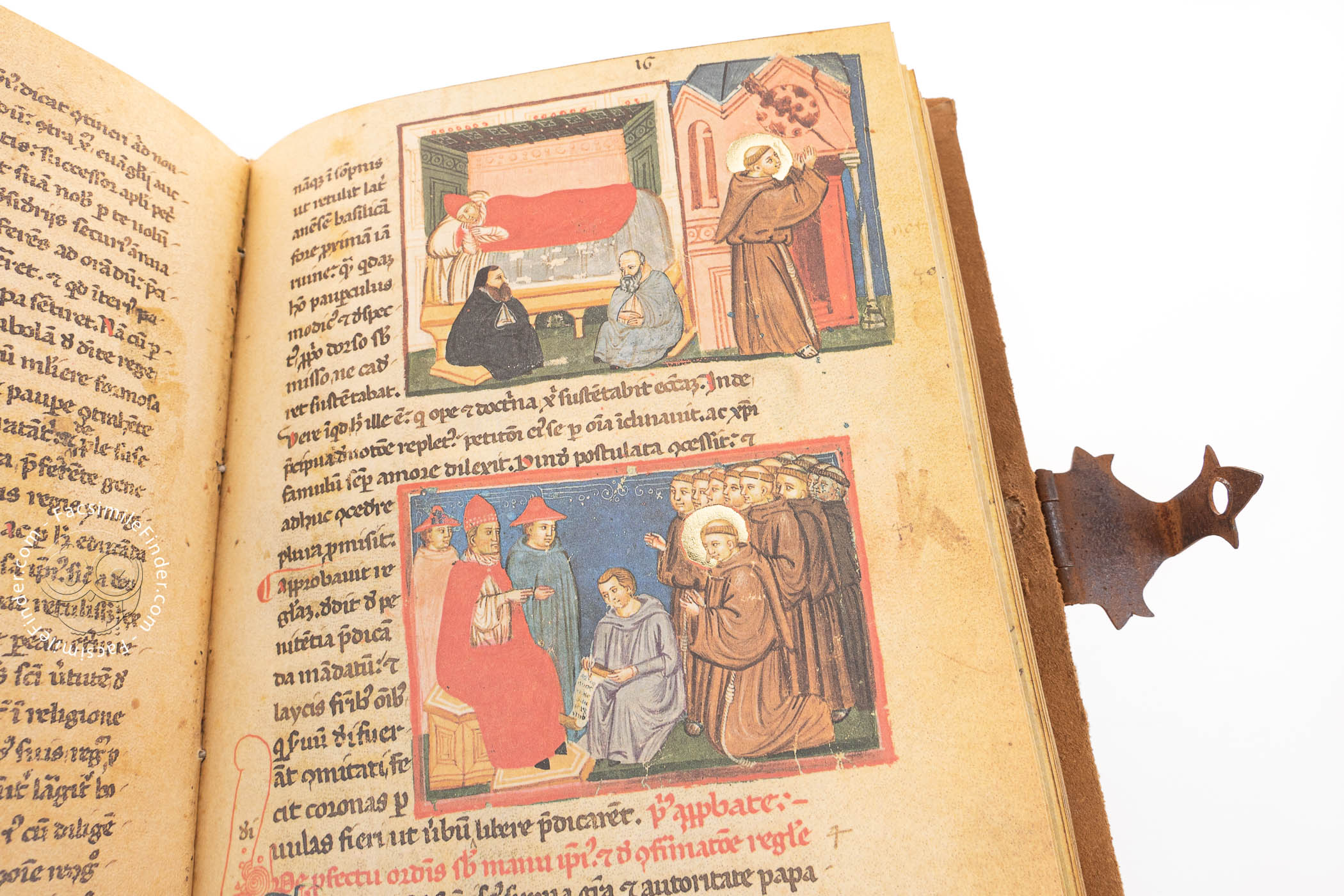


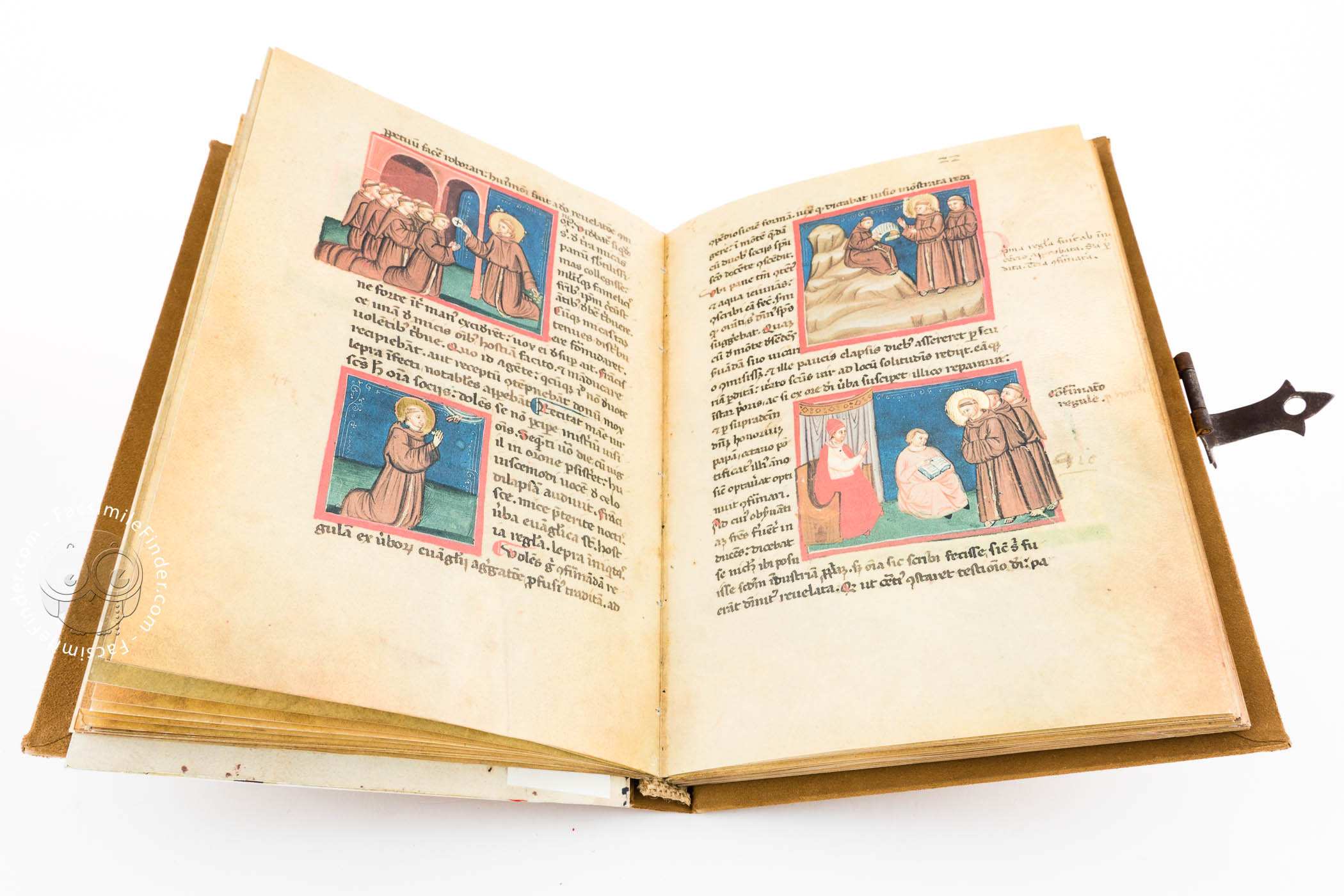


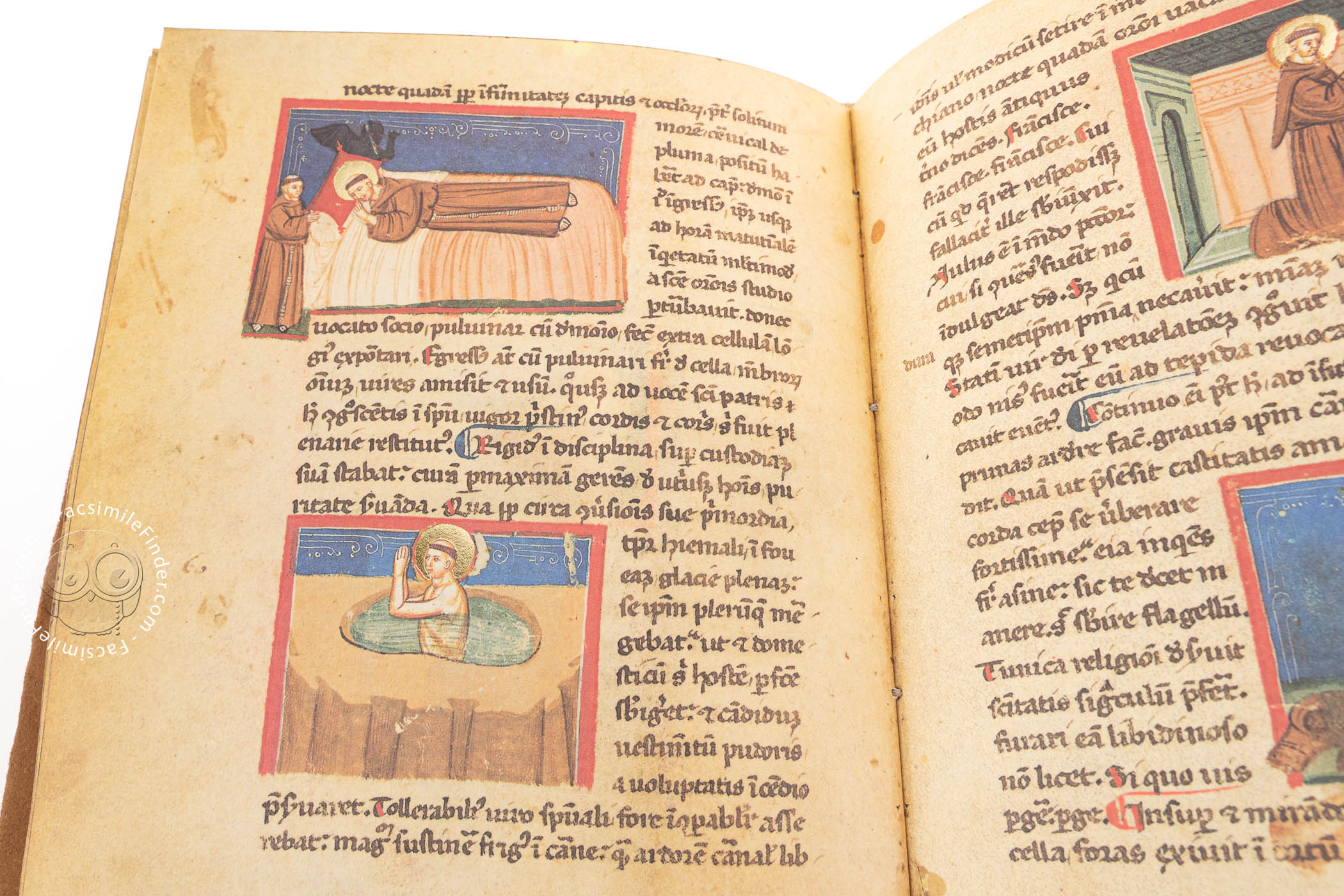
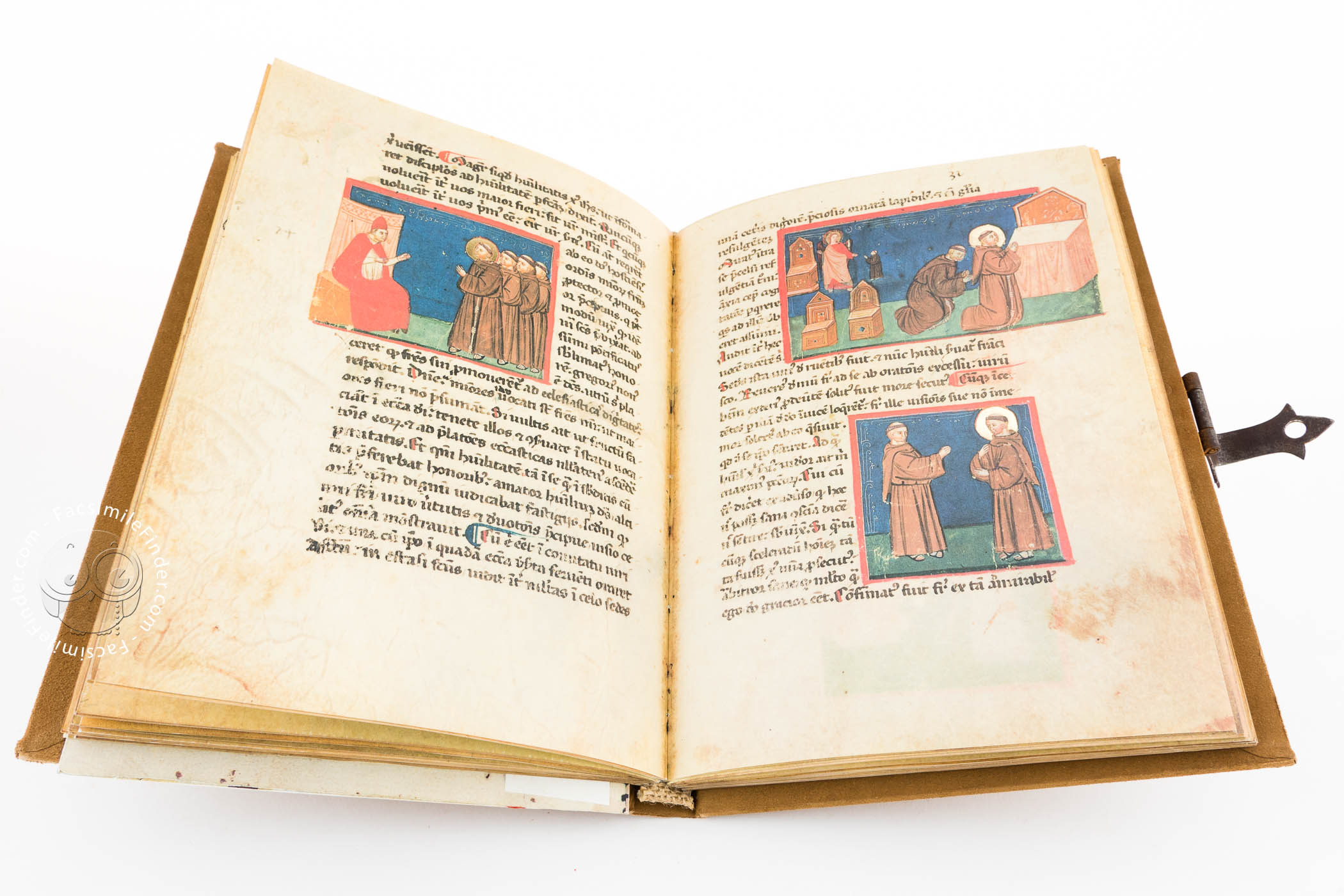
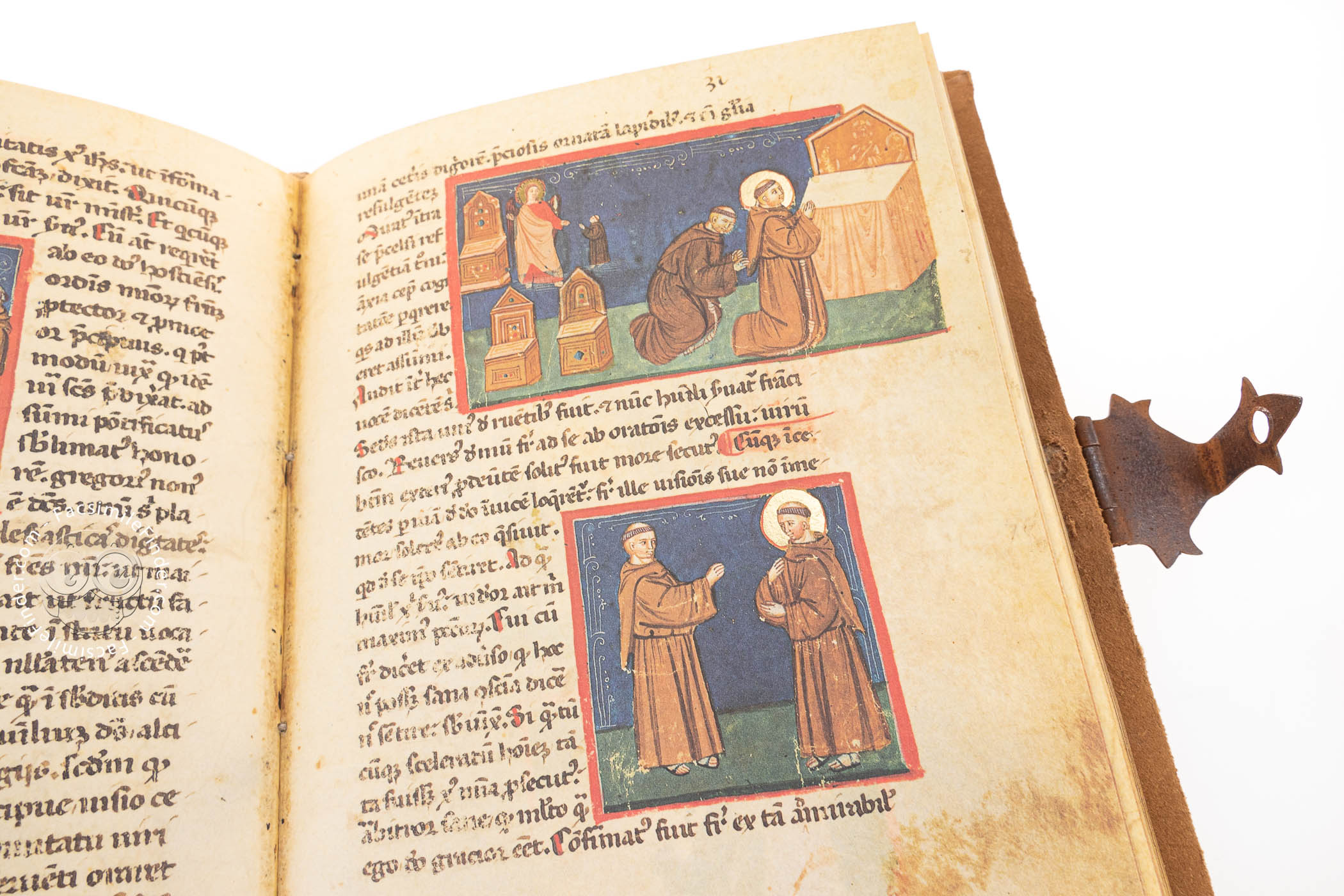
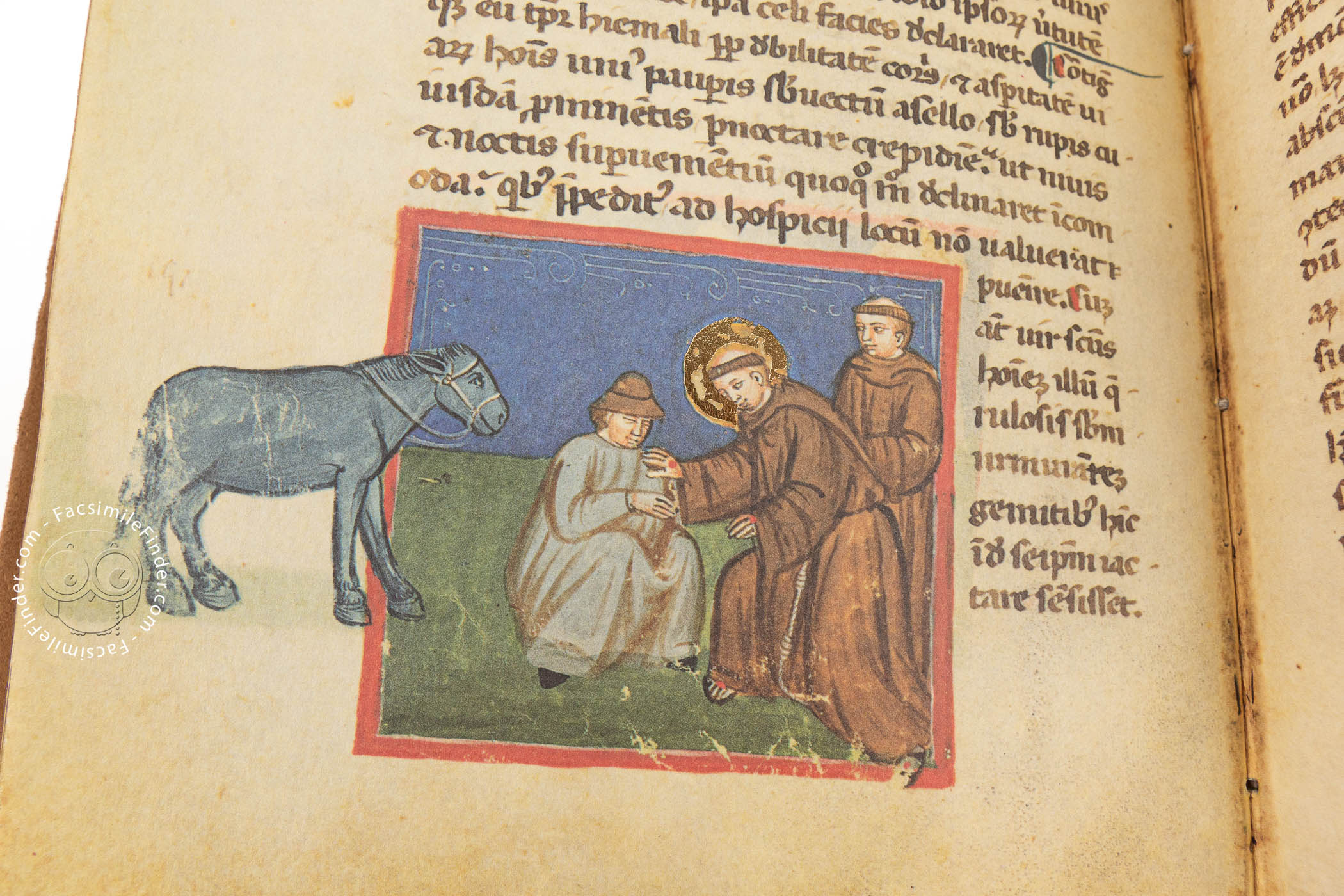


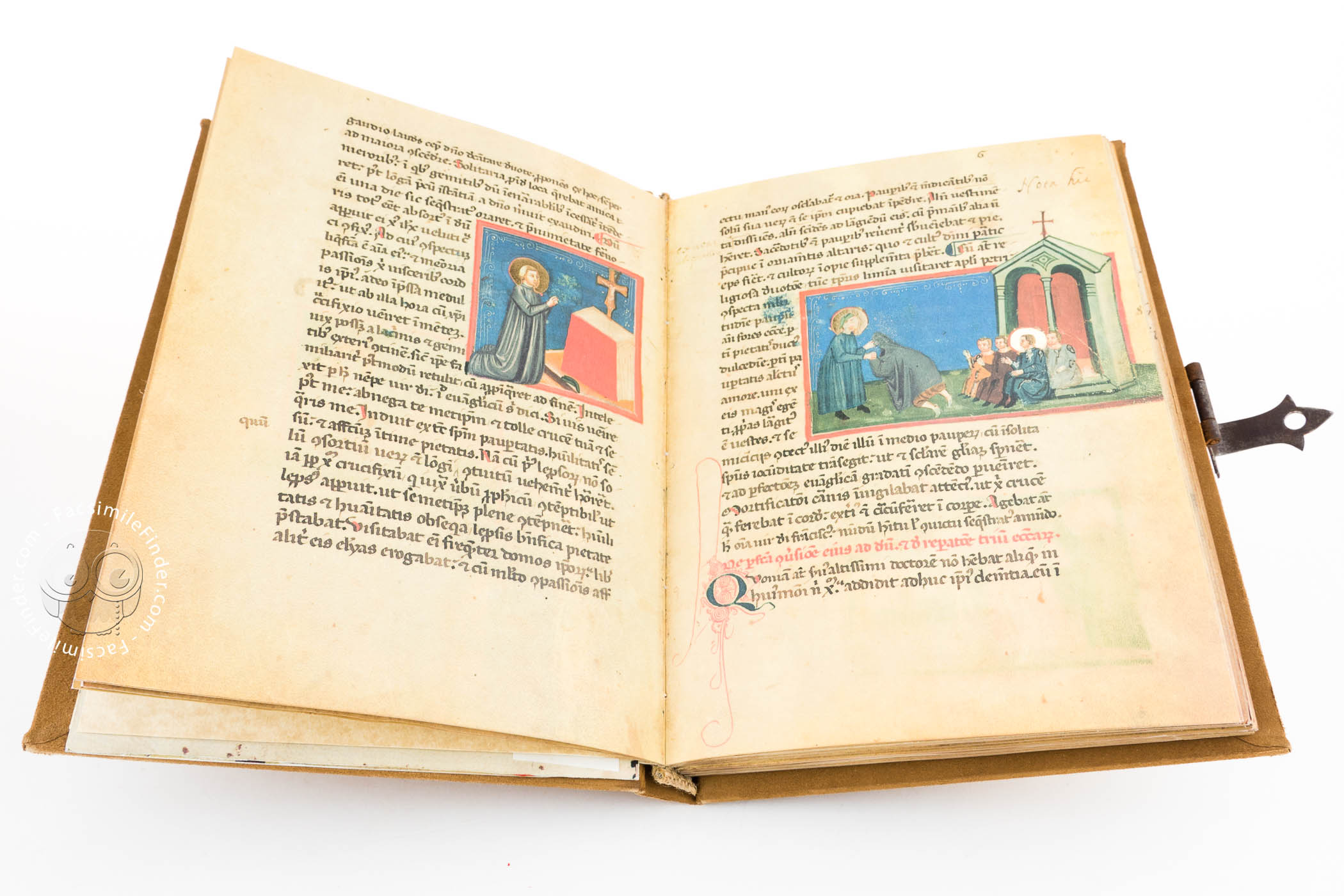


The Madrid Life of Saint Francis is the earliest richly illuminated biography of Giovanni di Pietro di Bernardone, known as the Christian Saint Francis of Assisi, founder of the Franciscan Order. Probably created between 1330 and 1350, the manuscript presents the official biography of the saint by Saint Bonaventure illustrated by 163 framed miniatures that appear "in text," rarely extending across the entire width of the single-column text and thus closely connected to the textual unfolding of Francis's story.
Bonaventure's text—known as the Legenda maior—was written within forty years of the death (in 1226) of its subject. Its narrative and thematic content is presented in fifteen chapters and charts both Francis's life and the birth and growth of the Franciscan order.
Brilliant Color and Gold
The scenes in the miniatures are set on bright blue backgrounds with white filigree flourishing on their perimeters, and all have painted red (or, rarely, yellow) frames. Halos are rendered in gold. The action often spills out of the frames, and even the framed portions of the scenes might extend into the outer or bottom margin of the page.
Influence of the Frescoes at Assisi
Thirteen miniatures are based on comparable scenes in the cycle of fresco paintings of a generation earlier in the Upper Church of San Francesco in Assisi. For example, the scene of Francis undressing in front of the bishop is modeled on the same scene in the church (fol. 8v).
The visualization of other shared subjects diverges from the frescoes. For example, in the miniature of the Miraculous Appearance of Saint Francis at Arles (fol. 21r), Francis appears as a small blessing figure in the sky transported on golden rays, in contrast to the monumental standing figure in the corresponding fresco.
A Portrait of the Author
The text is written in Gothic Rotunda, the formal book script of Italy of the period. Blue and red paraph marks and touches of red to majuscules that begin major sense units help to clarify the narrative. A painted initial A with a portrait of Saint Bonaventure wearing a cardinal's hat and writing his text introduces the prologue (fol. 1r).
An Incomplete Survival
Important as the Madrid manuscript is, it does not survive in its entirety, and between twenty and twenty-two miniatures do not survive. We have witness to their subjects and appearance in the Rome Life of Saint Francis, which was copied from the Madrid book.
A Tumultuous History
The manuscript's numerous marginal annotations demonstrate that it was read and consulted by many. Thanks to three paper pages attached to the beginning of the manuscript, most of its exciting history can be reconstructed. It was in the hands of Juan de Nápoles in 1648 and passed into the possession of Pedro Manero in 1651 but mysteriously disappeared shortly thereafter, only to turn up again three years later.
The manuscript was entrusted to the Counts of Chinchón (near Madrid), distinguished benefactors of the Franciscan Order. In the nineteenth century, however, it was in the hands of Luis Iglesias, who gave it to the historian of the order, José María Laso de Vega (1783-1863). The book turned up only a hundred years later in 1937, when it was deposited in the archive of the Convento Franciscano Cardenal Cisneros.
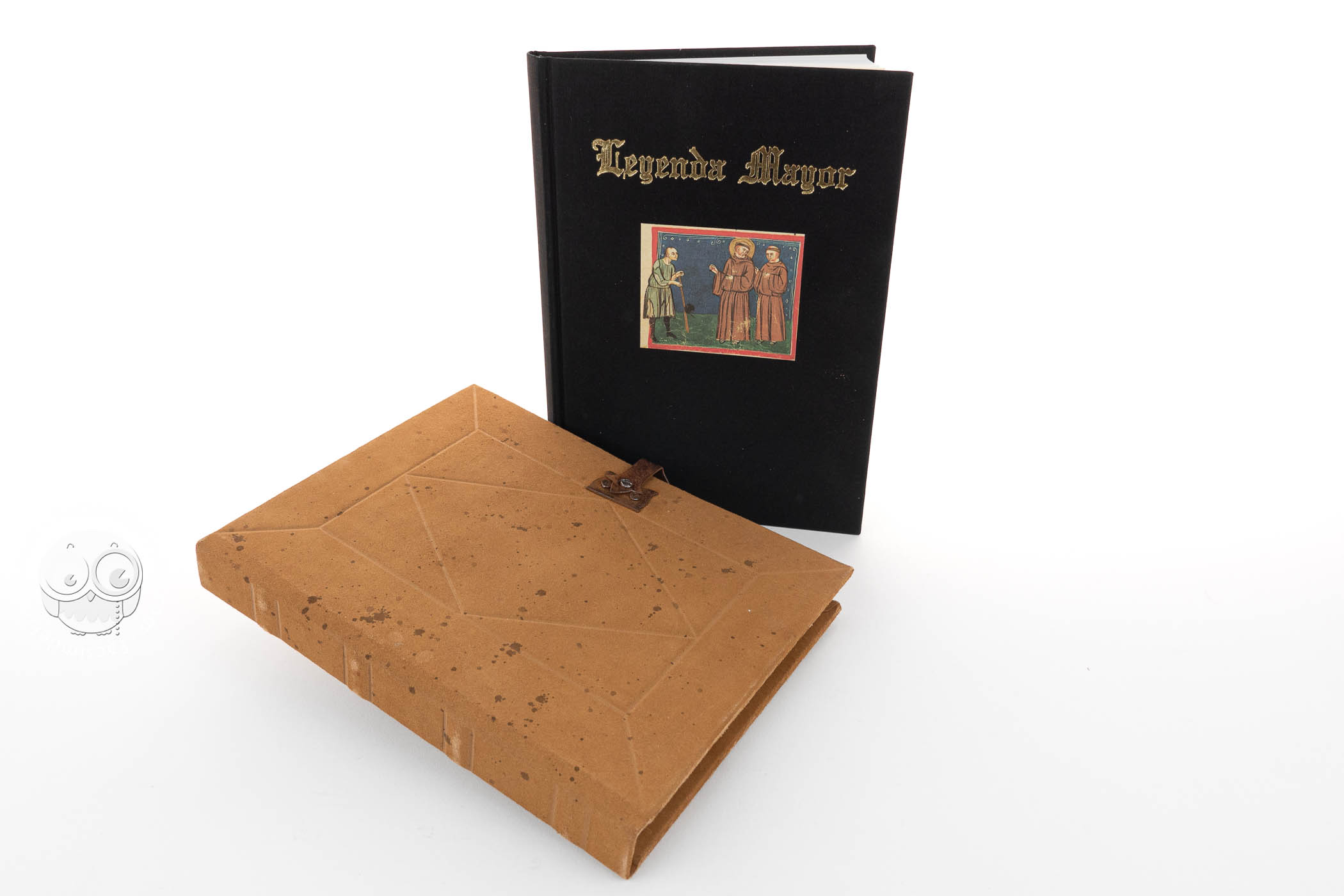
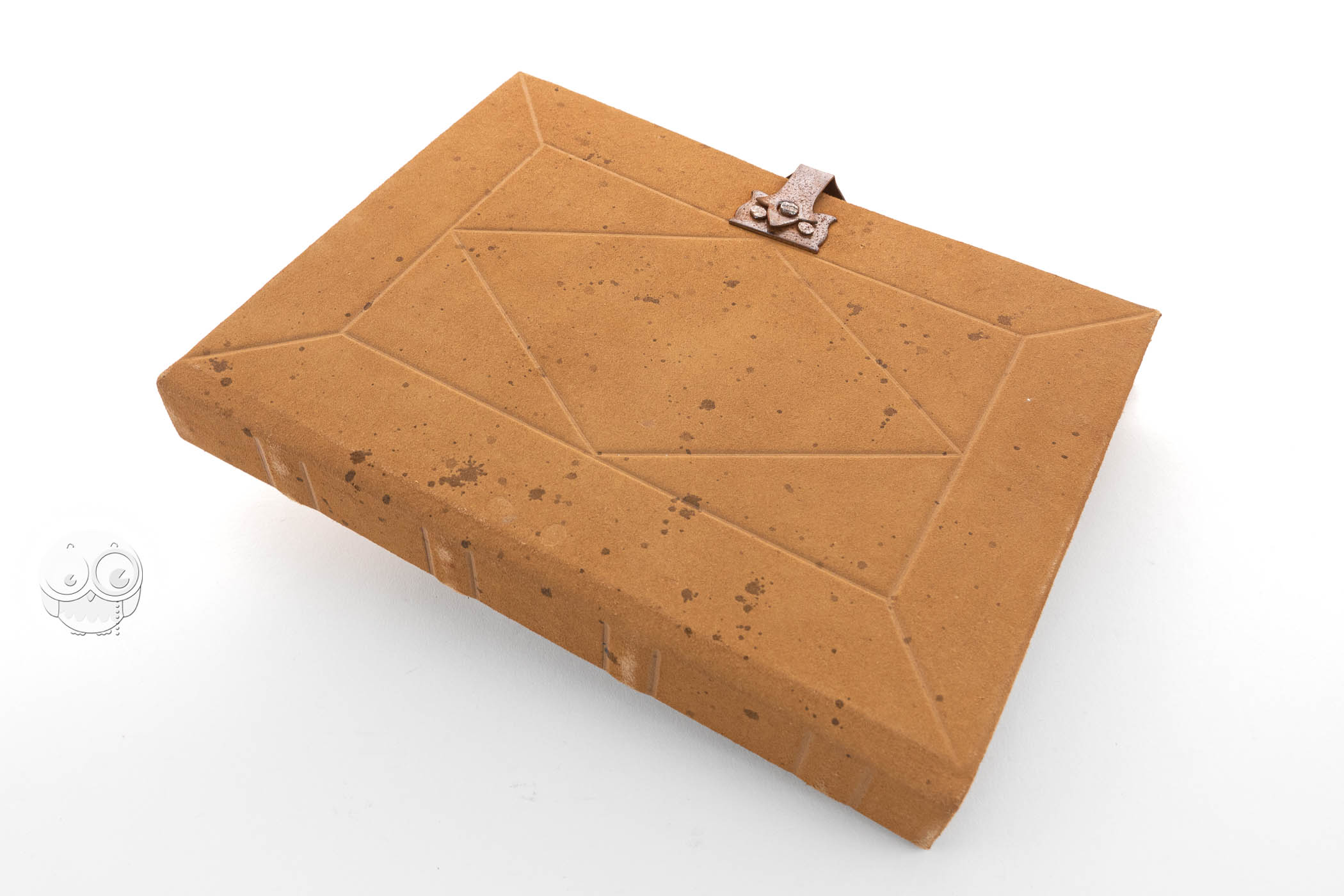
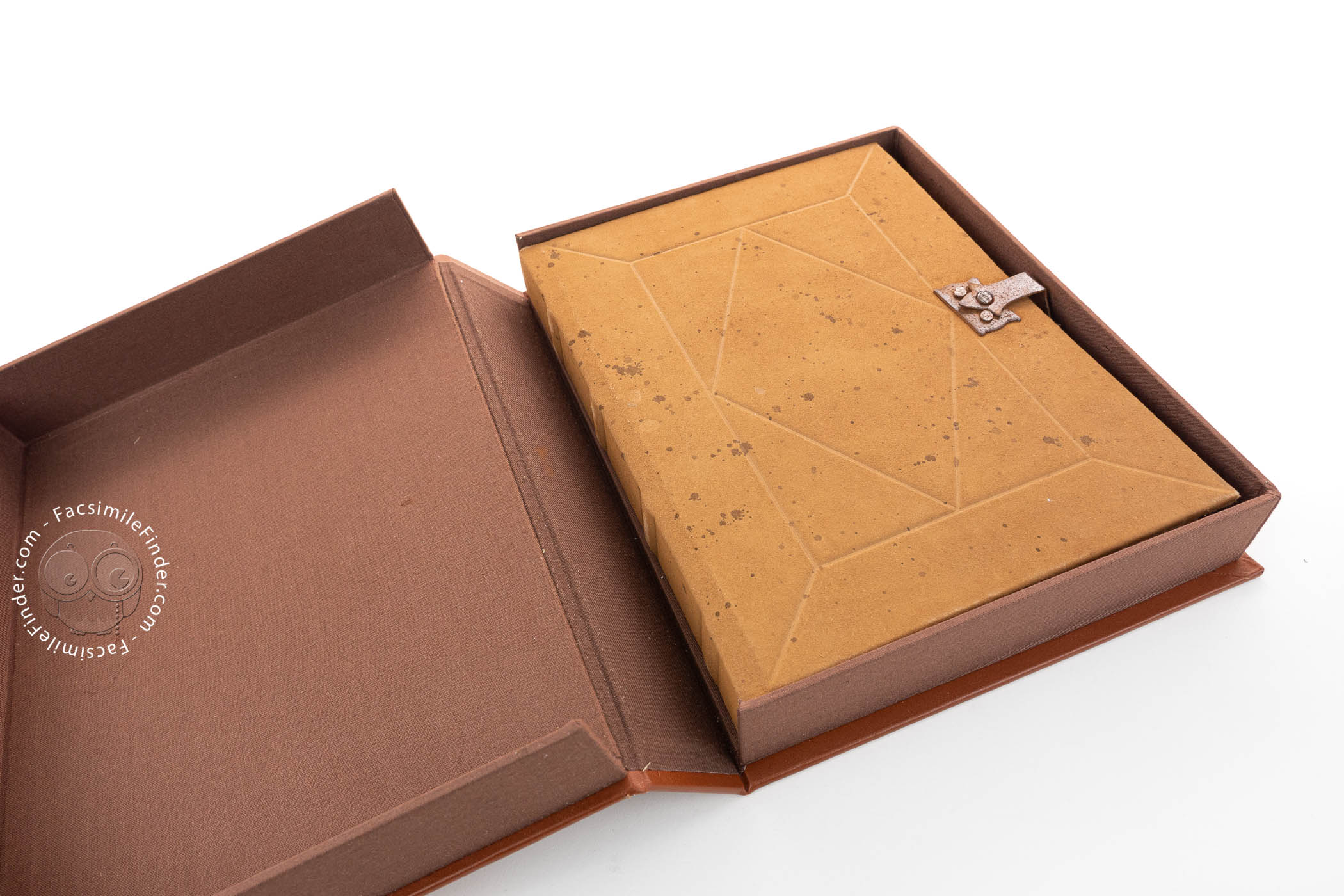
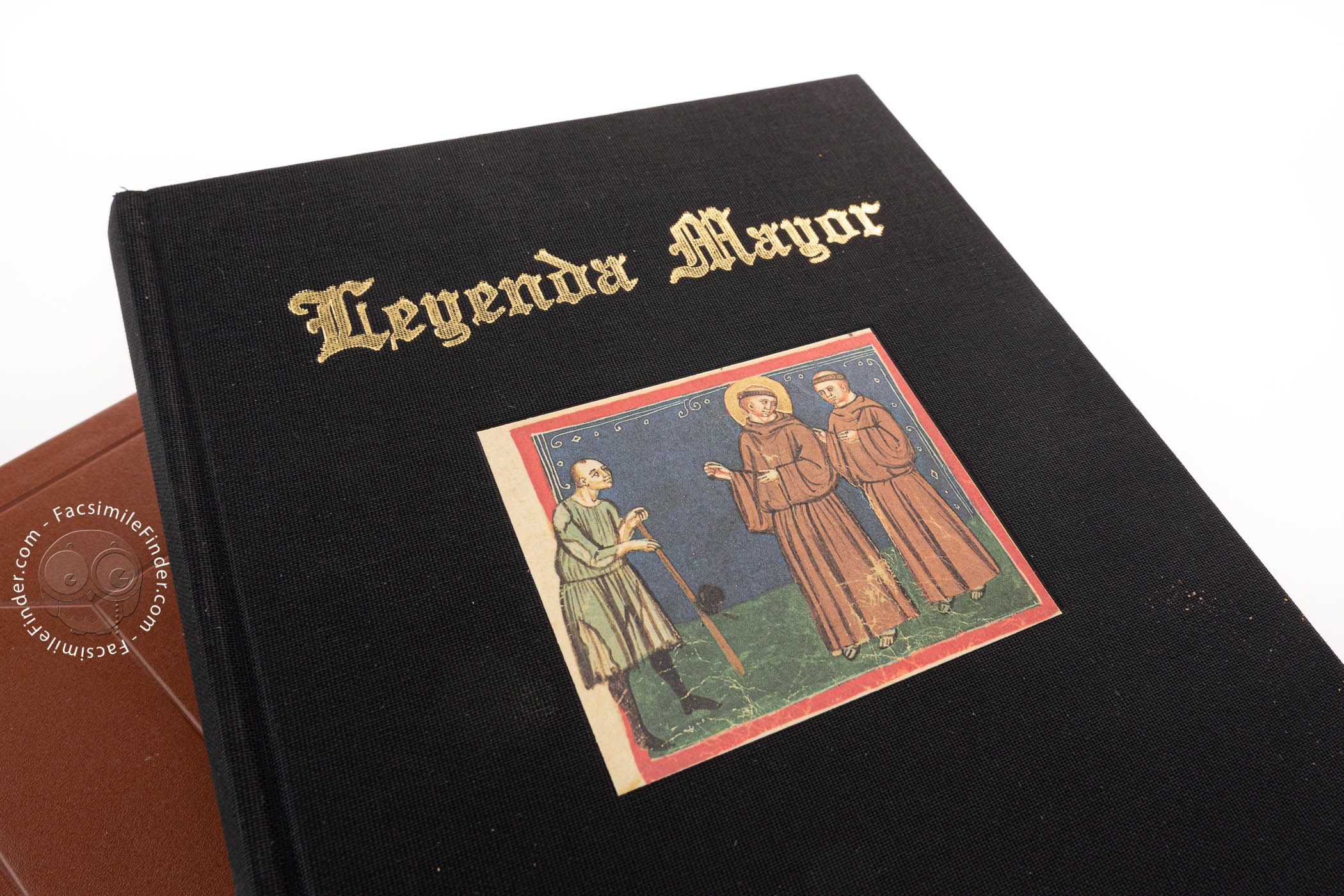
We have 2 facsimiles of the manuscript "Madrid Life of Saint Francis":
- Legenda Maior facsimile edition published by AyN Ediciones, 2001
- Leyenda Mayor San Buenaventura facsimile edition published by Ars Magna, 2001