
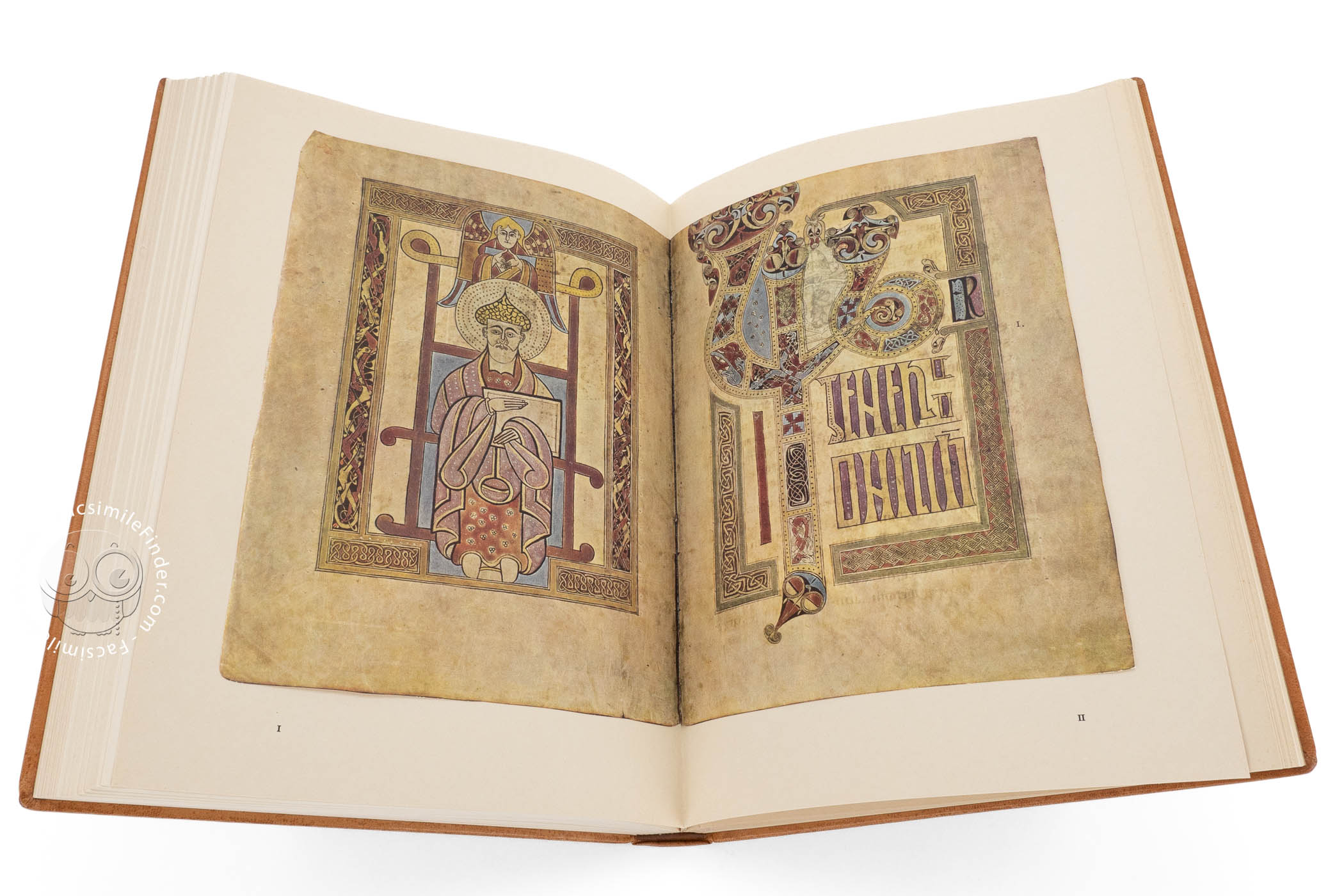
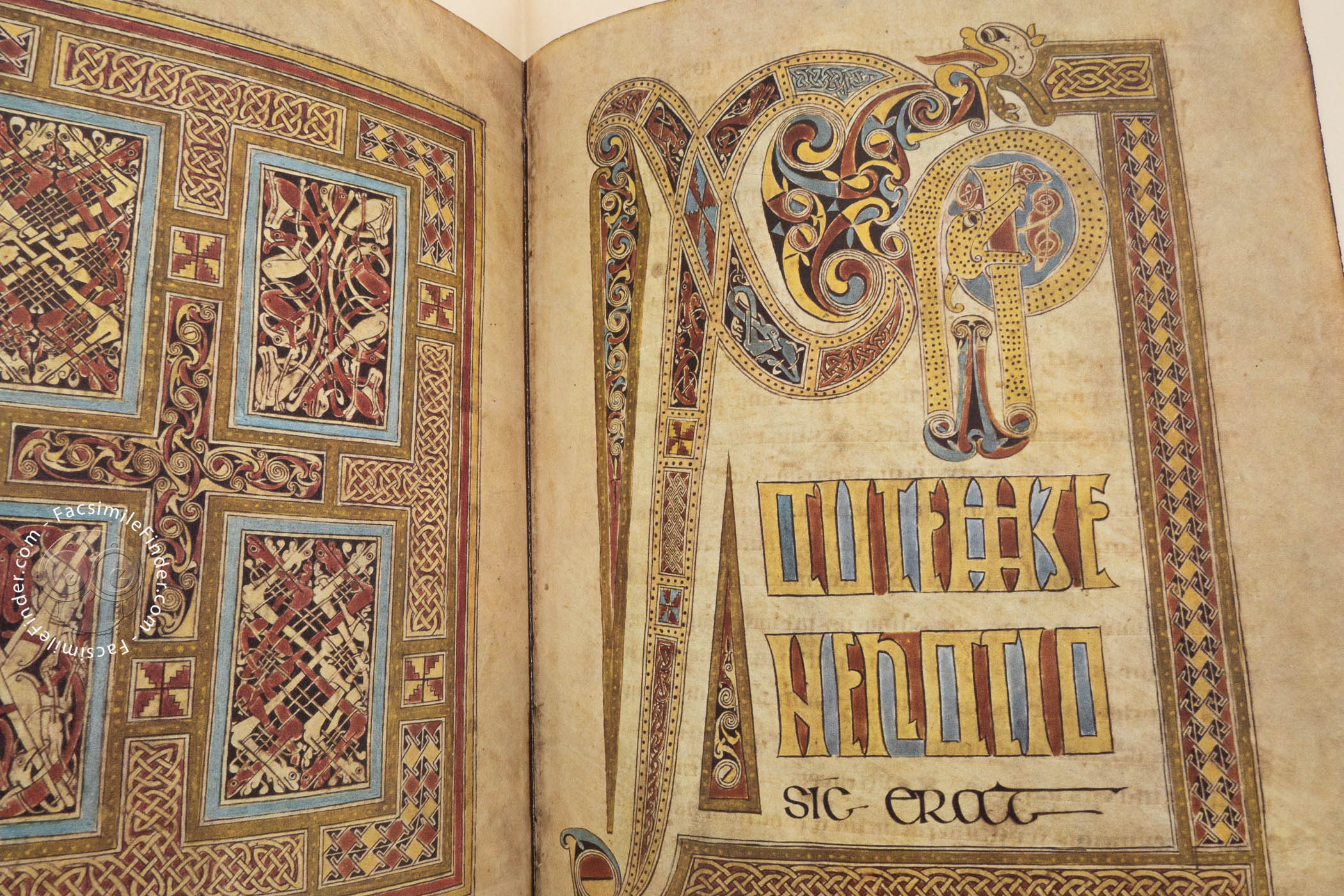
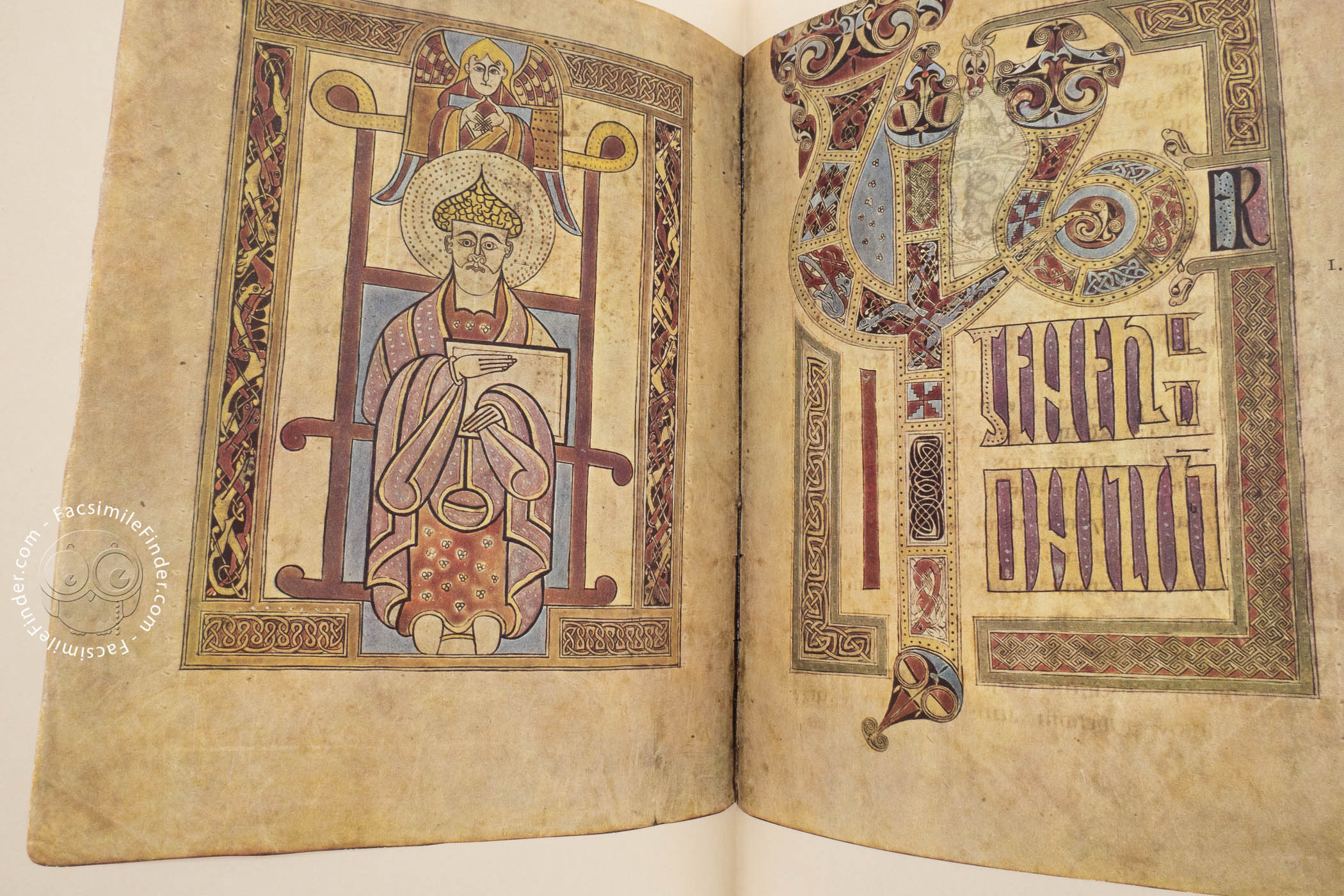
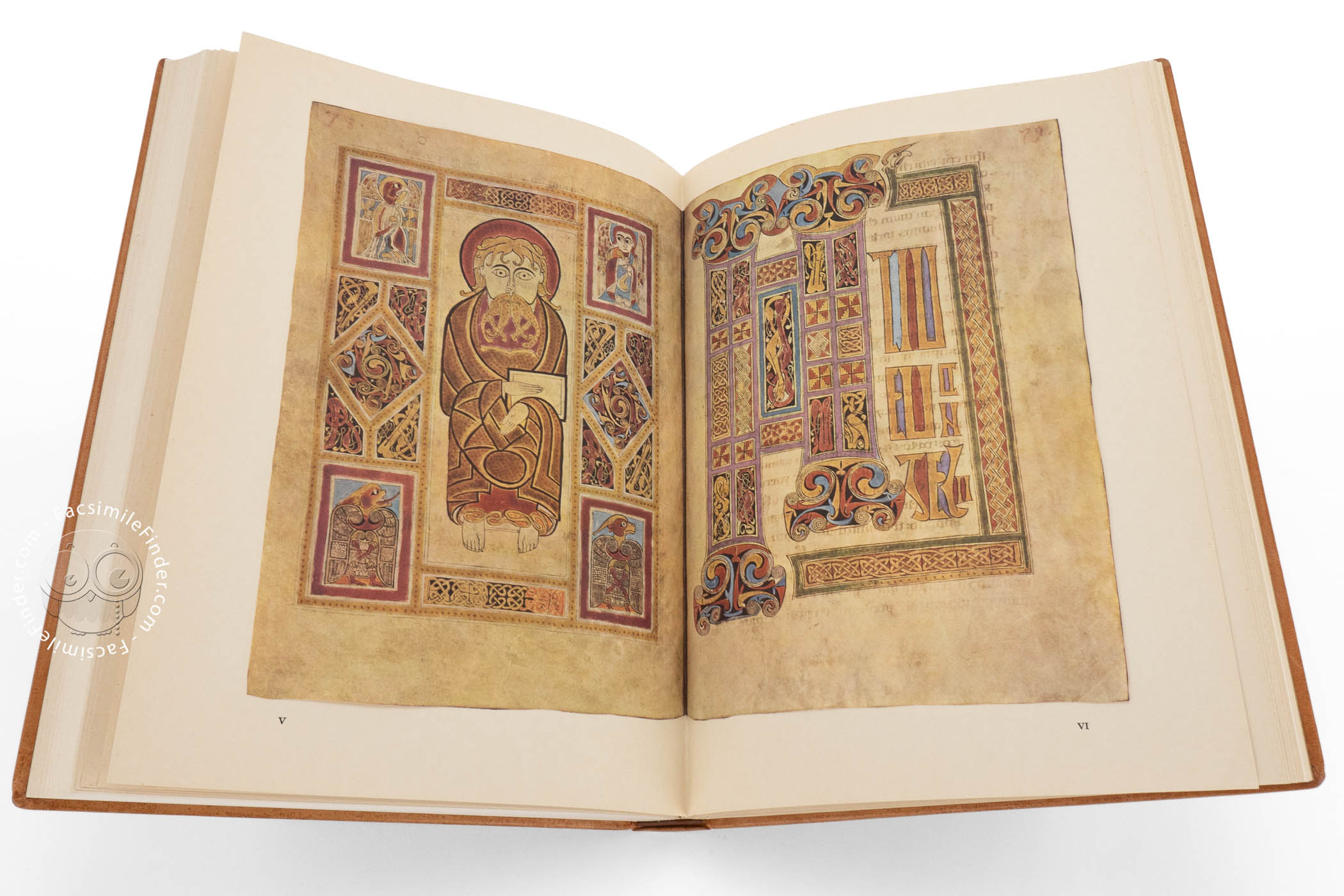
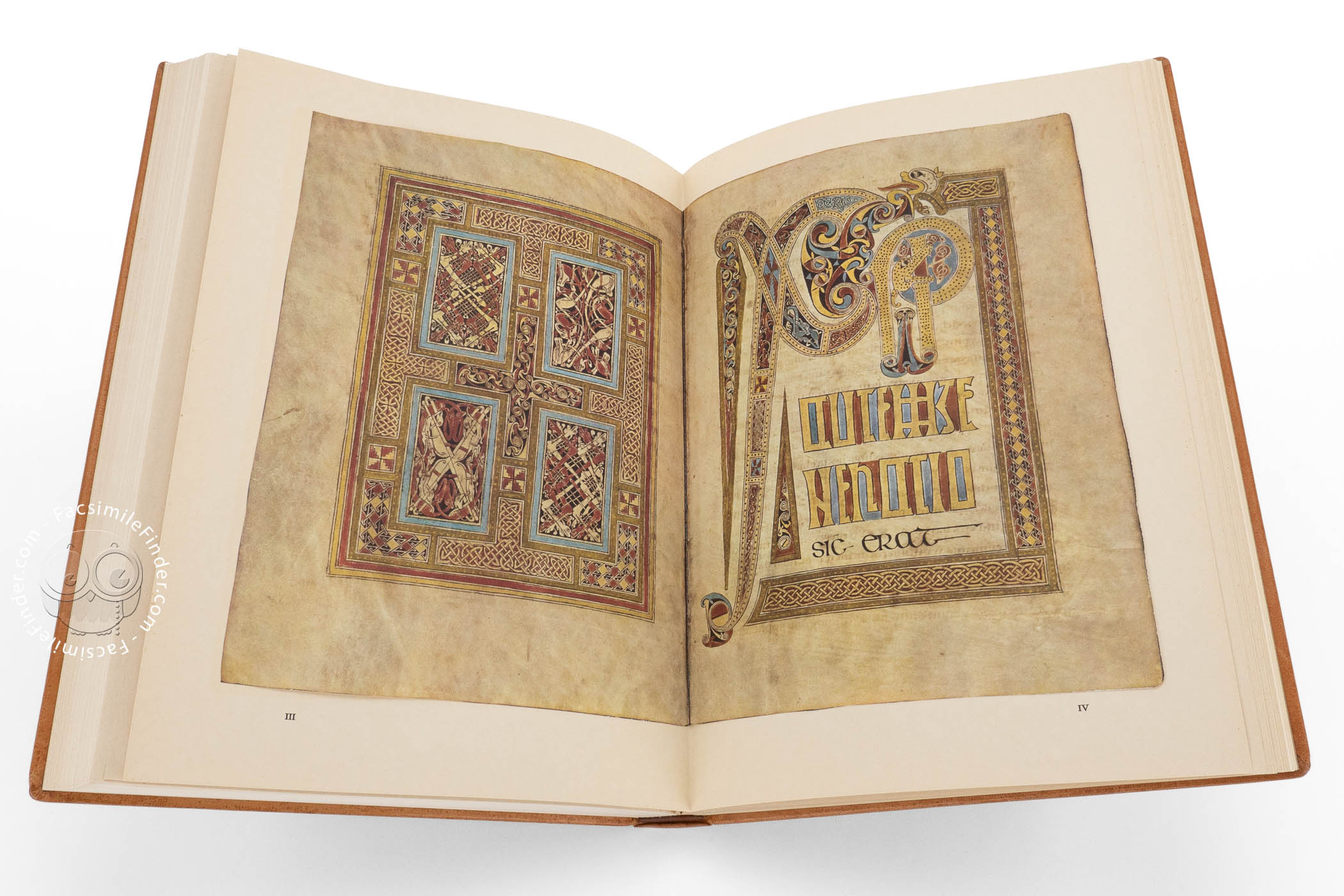
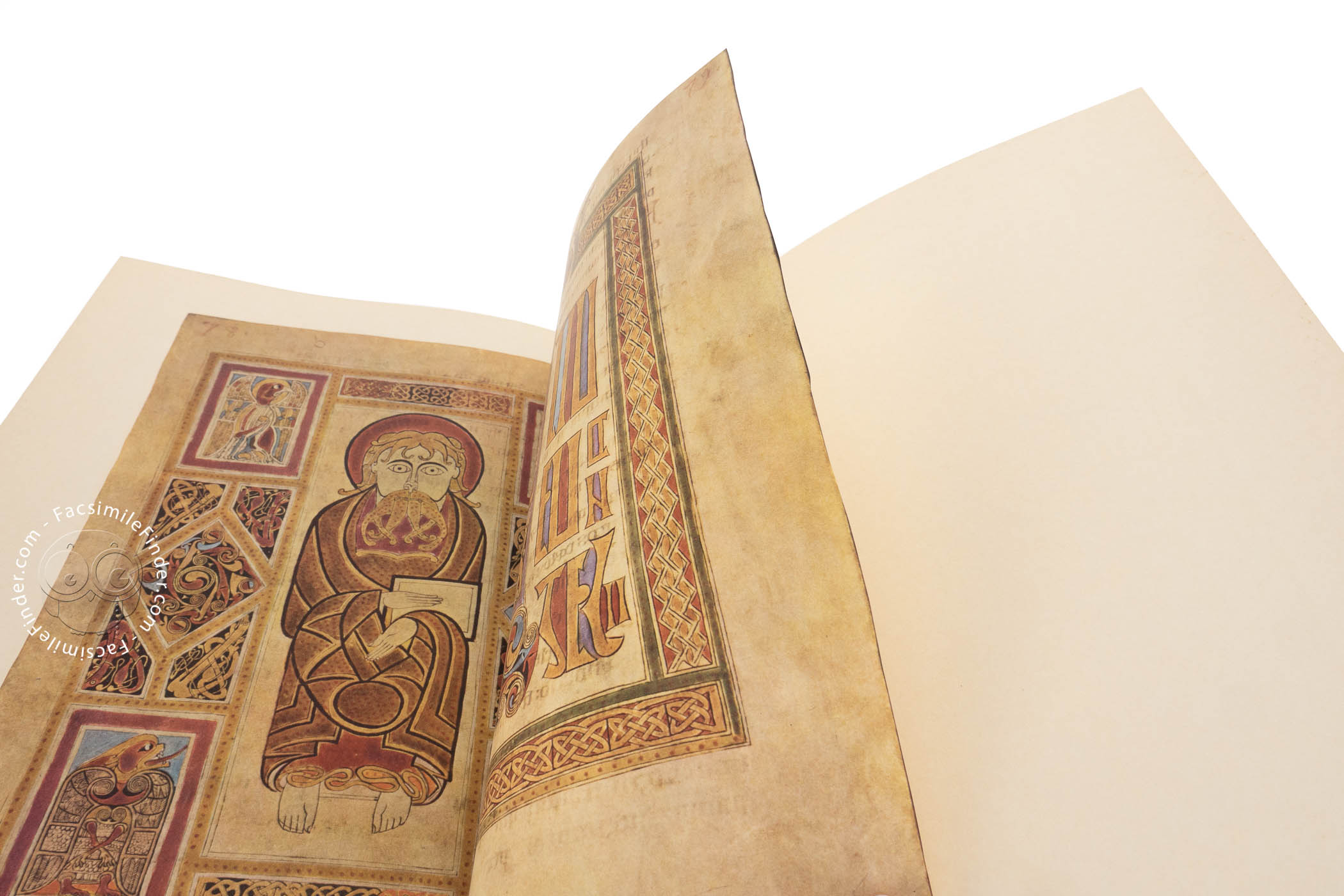
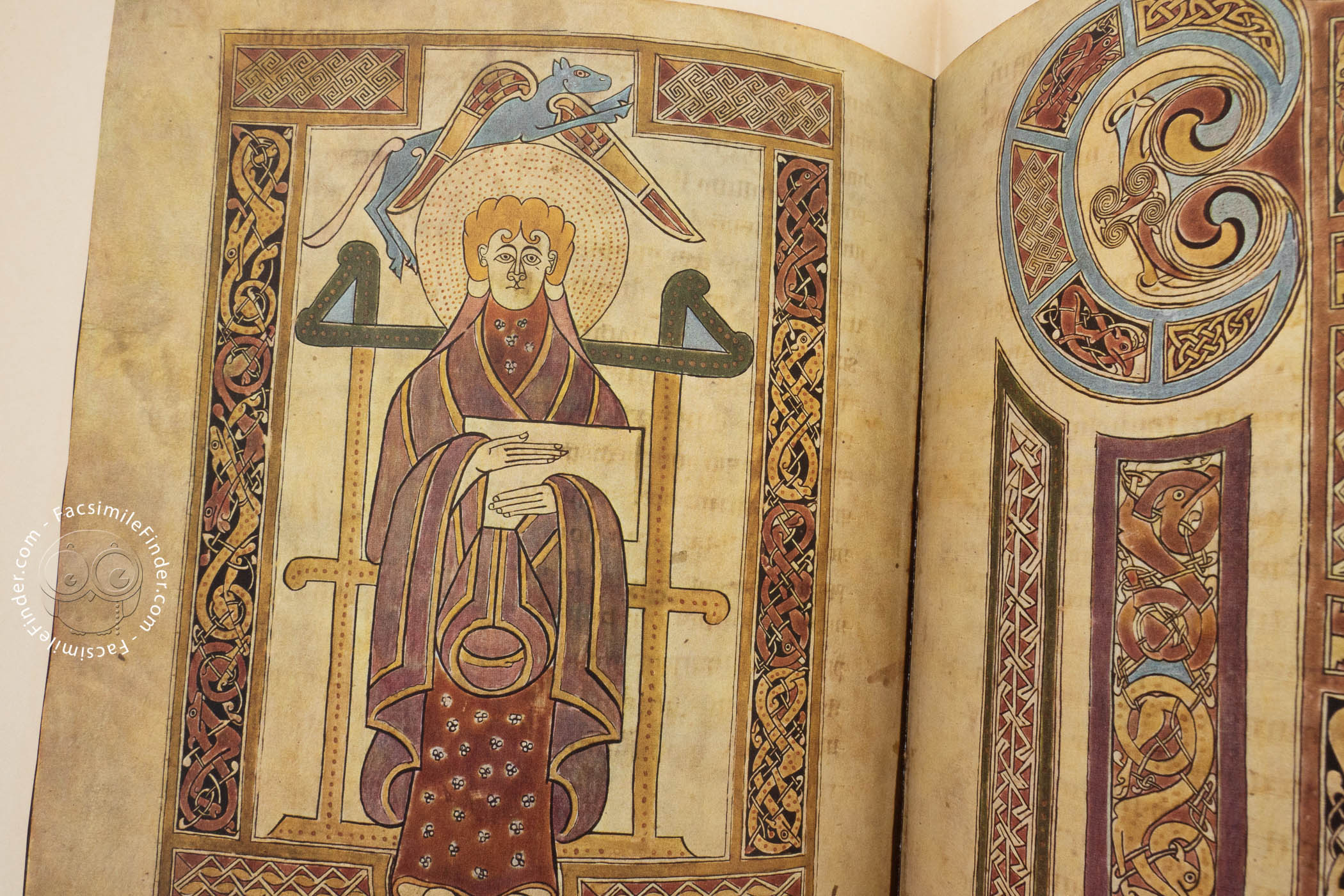
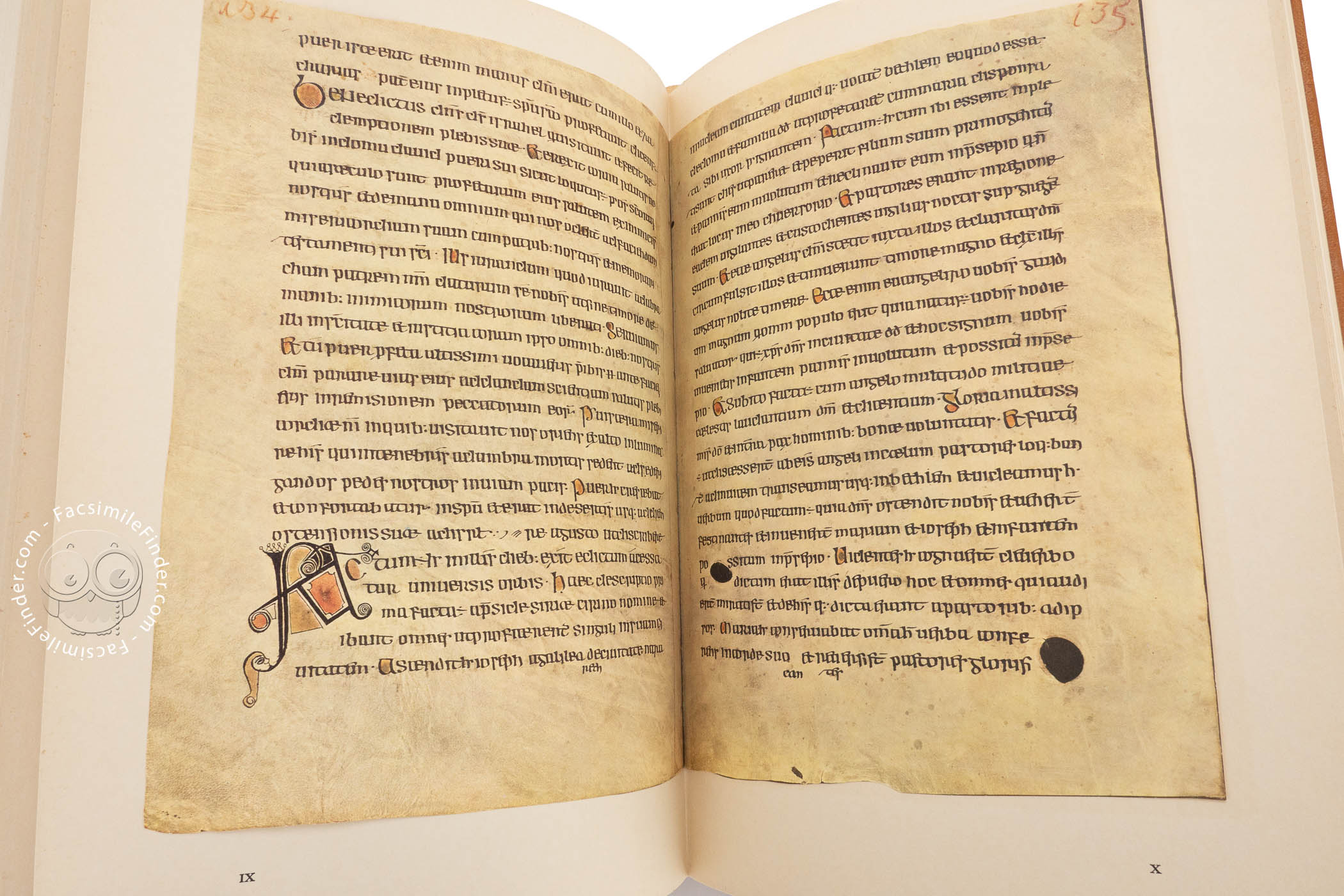
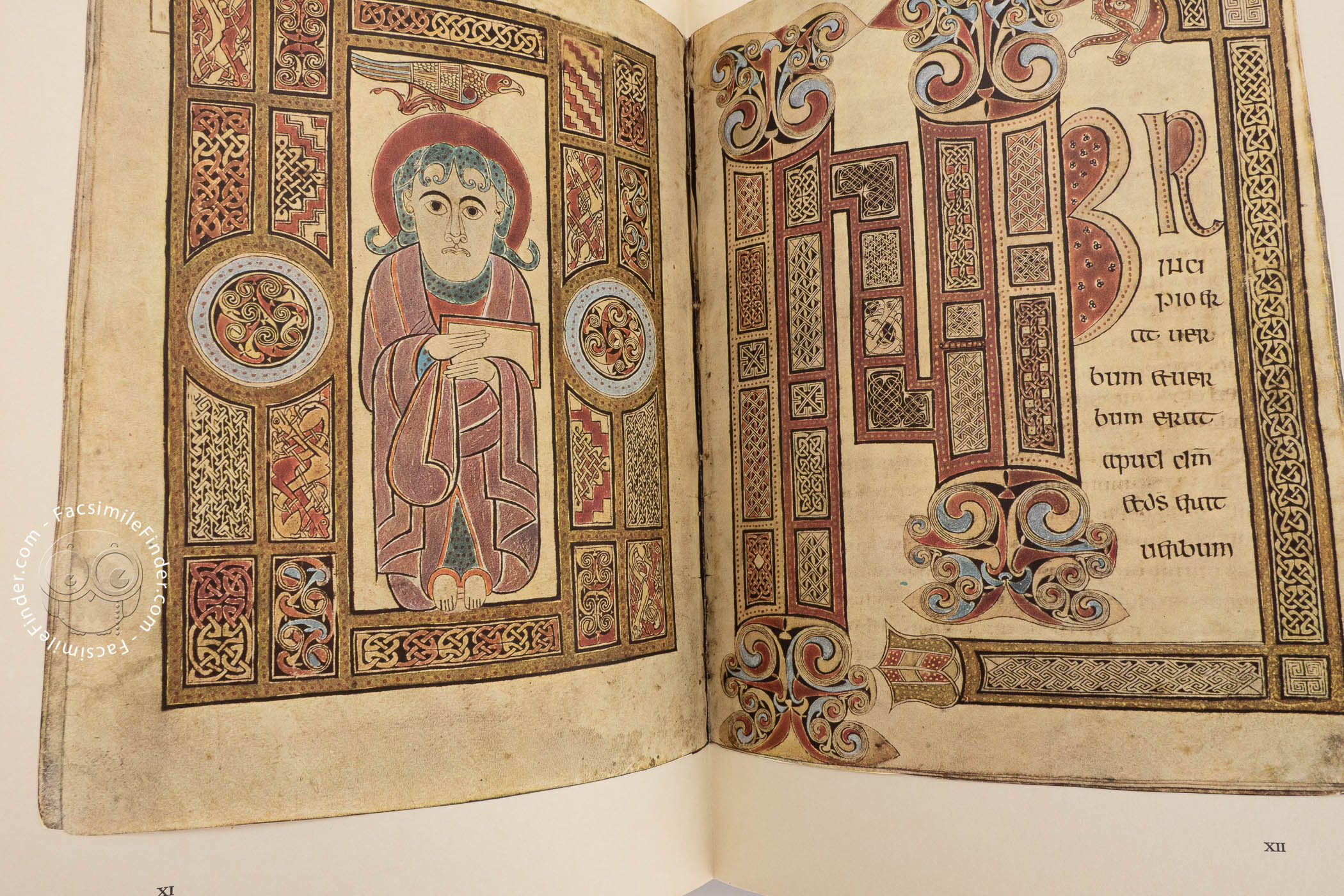
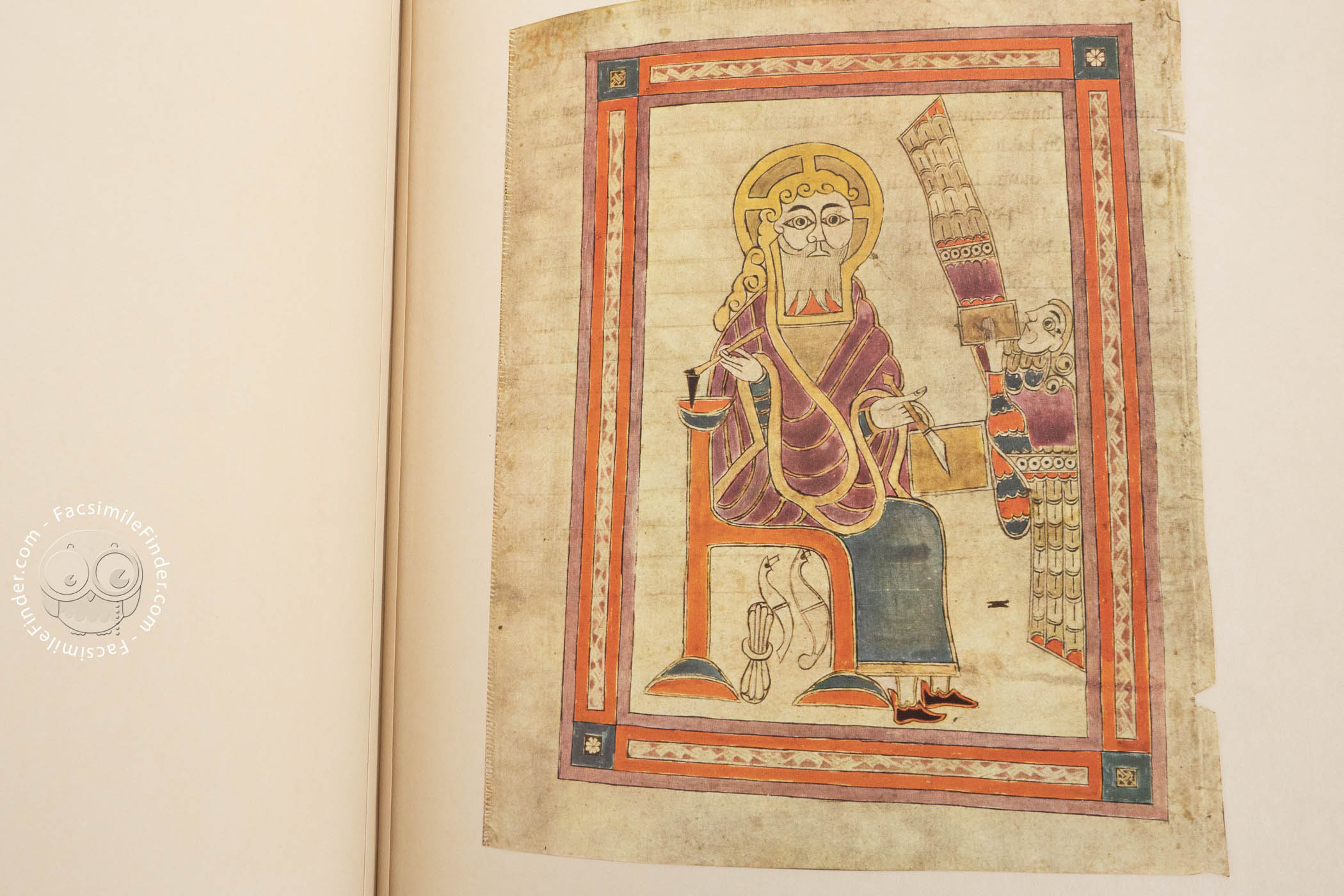
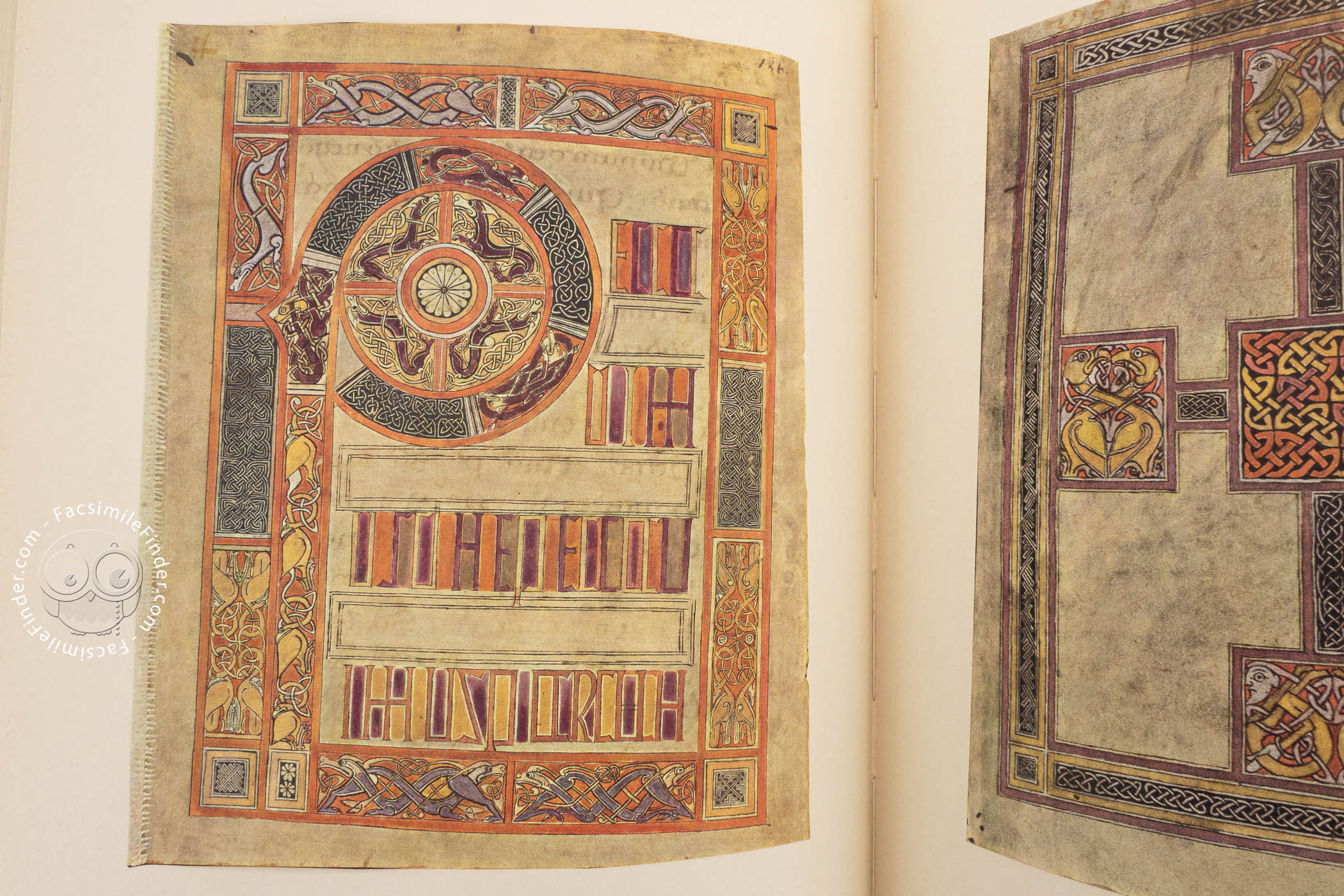
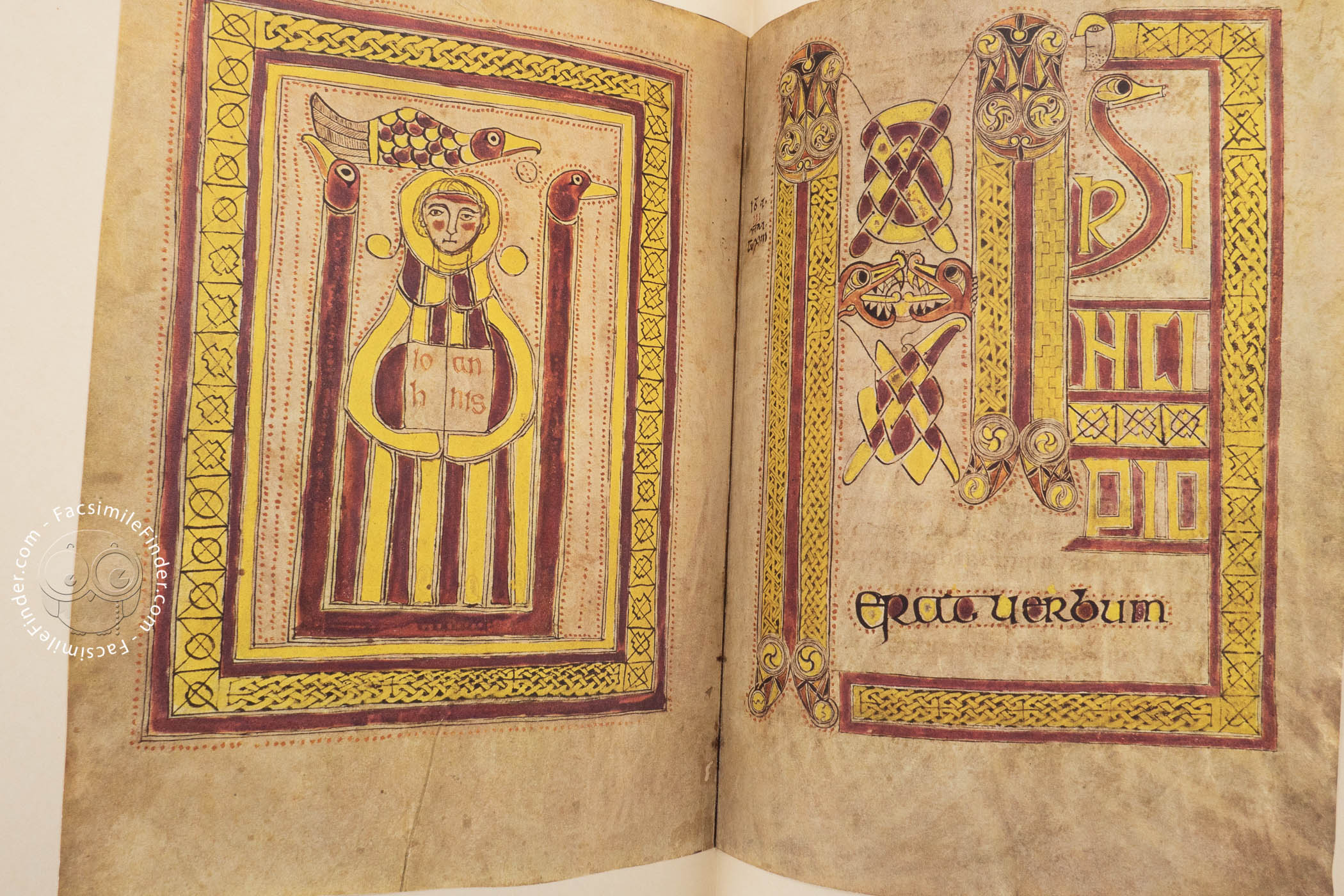
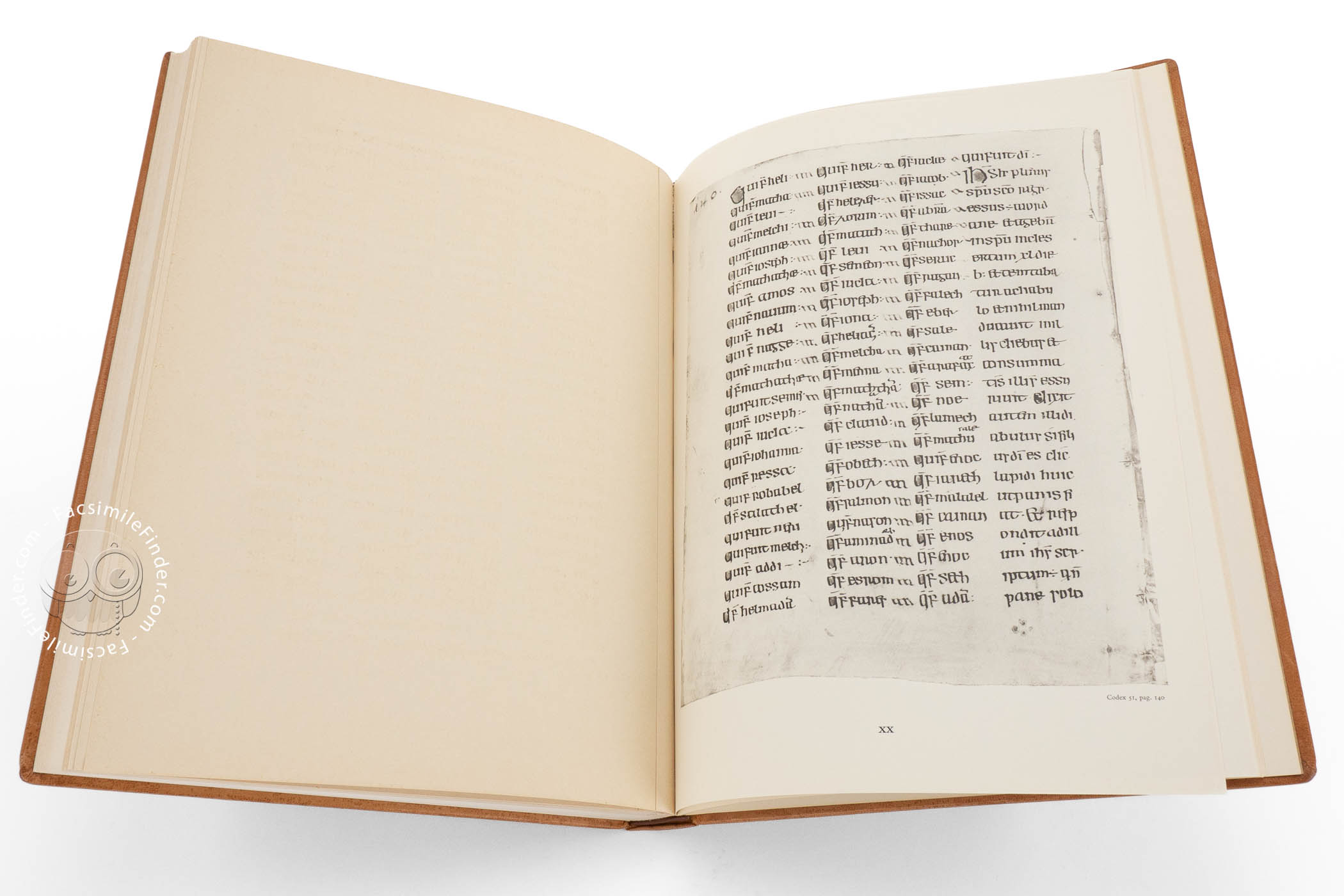
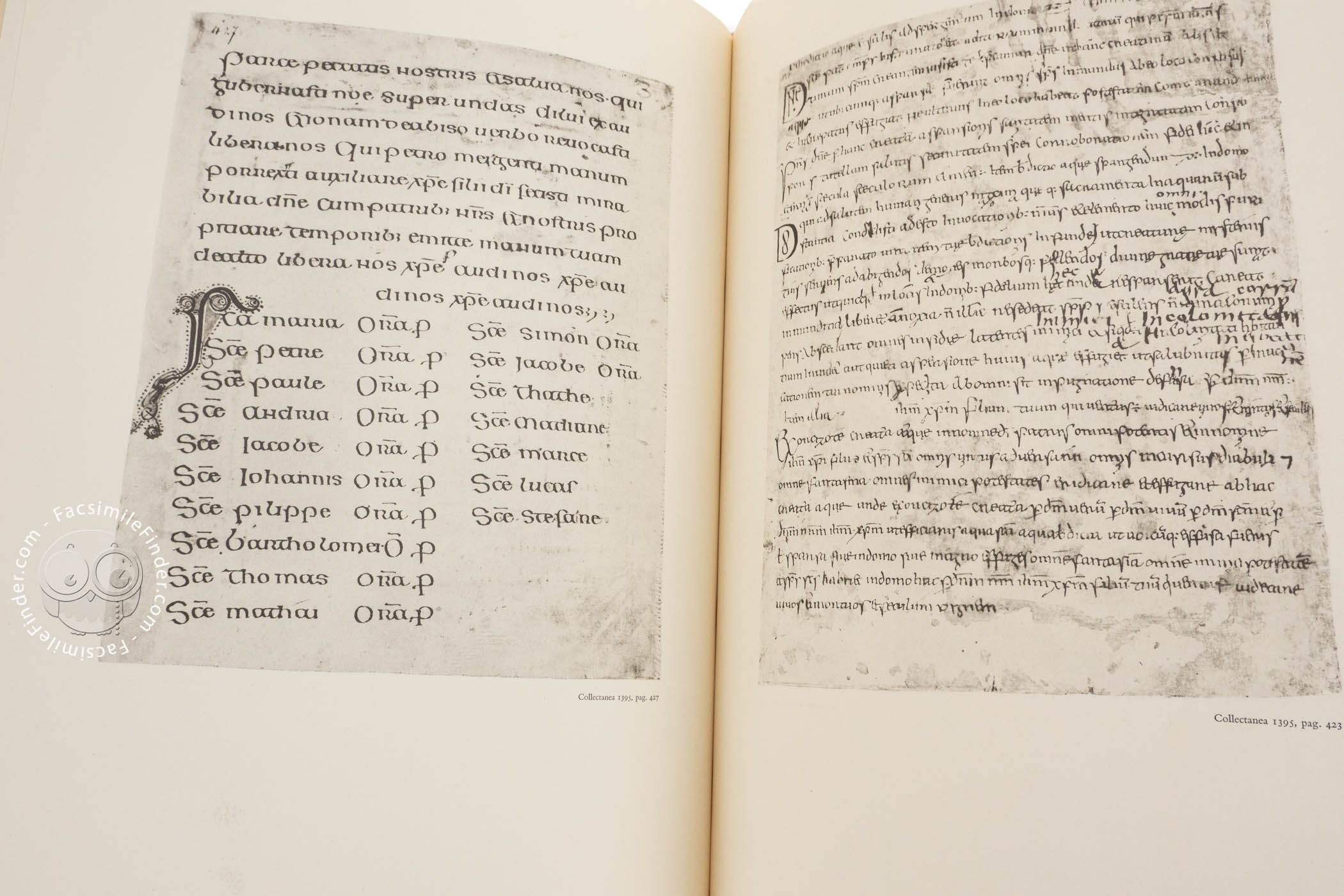
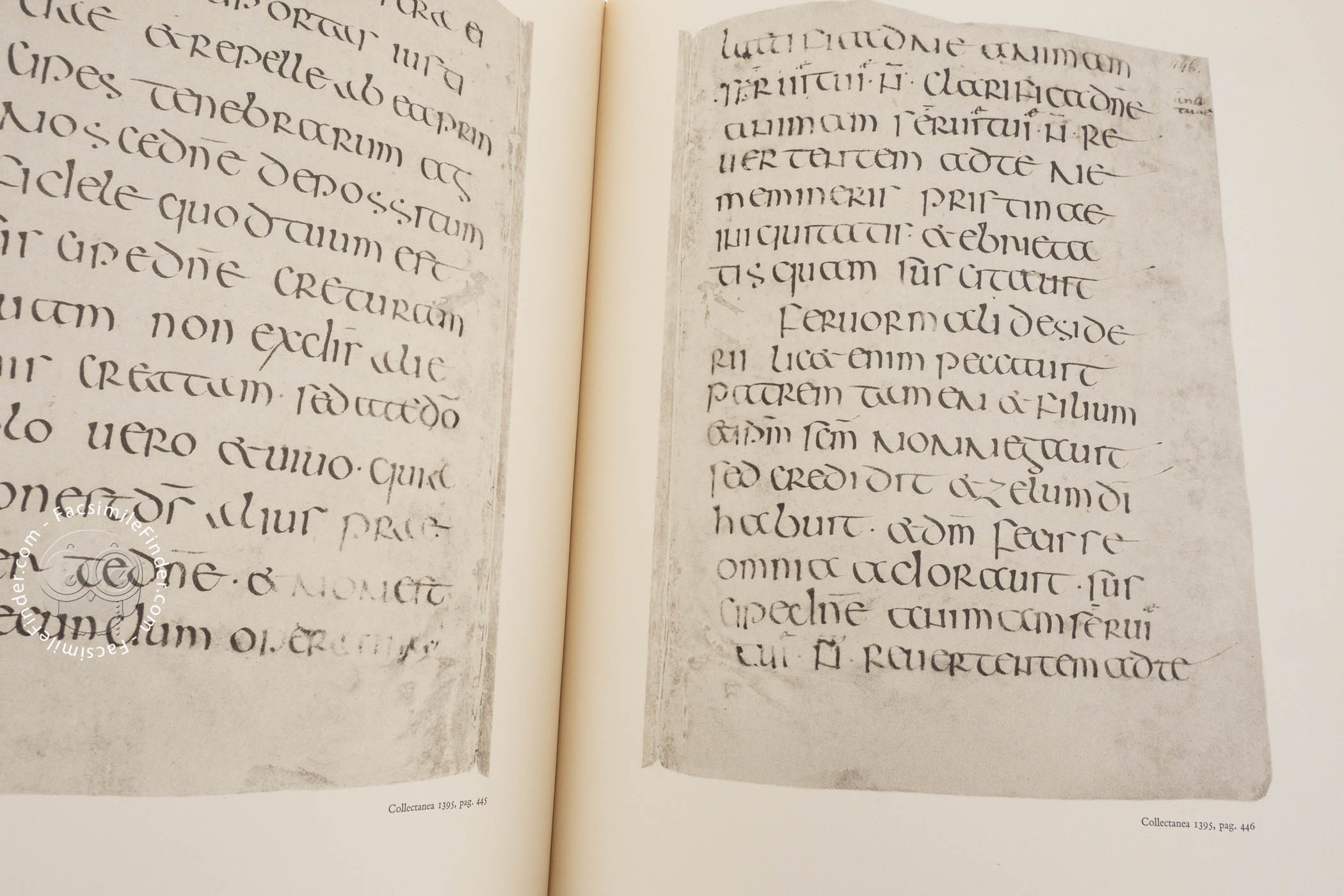

The Irish Gospels of St. Gall was created in Ireland around the mid-eighth century by Irish monastic scribes and illuminators, and it presents the Gospel text as both reading and ritual. The manuscript contains twelve decorated pages, including Evangelist openings and monumental image-pages, executed in the distinctive Insular illumination style: flattened, iconic figures set against fields of colour, framed by dense interlace, knotwork, and geometry that turns each opening into a threshold of contemplation.
Origins and Early Medieval Networks
Produced in Ireland around the mid-eighth century and later preserved at St Gall, the codex embodies the long reach of Irish monastic culture into Continental libraries. Its survival in Switzerland is not an accident of storage, but a record of circulation—books travelling with people, ideals, and reputations for learning.
Miniatures and Decorative Cycle
The manuscript is illustrated with twelve decorated pages, among which stand six full-page figure miniatures: portraits of the four Evangelists, and the dramatic facing images of the Crucifixion and the Second Coming / Last Judgement near the close of the book.
Around these cluster the book’s most iconic Insular “thresholds”—a cross-carpet page, a Chi-Rho monogram, and richly staged opening pages that choreograph the reader’s entry into each Gospel.
The Evangelist openings also hint at workshop variety—some pages diverge in manner, suggesting more than one illuminator at work within the same visual programme.
Manuscript Codicology and Irish Semi-Uncial Script
A parchment codex of 134 folios, it is written in two columns with a steady, legible rhythm—an anchoring restraint against the manuscript’s ornamental intensity. Text and decoration are not rivals here: the script holds the line, while the illumination teaches the eye how to linger.
A Curious Survival: DNA Written into the Skin
One of the manuscript’s most unexpected “marginal notes” is not written in ink at all, but embedded in its parchment. Recent scientific work on Irish-related St Gall manuscripts has successfully recovered animal DNA from the vellum, and the results support what art historians long argued from style: Cod. Sang. 51 was made from skins sourced in Ireland.
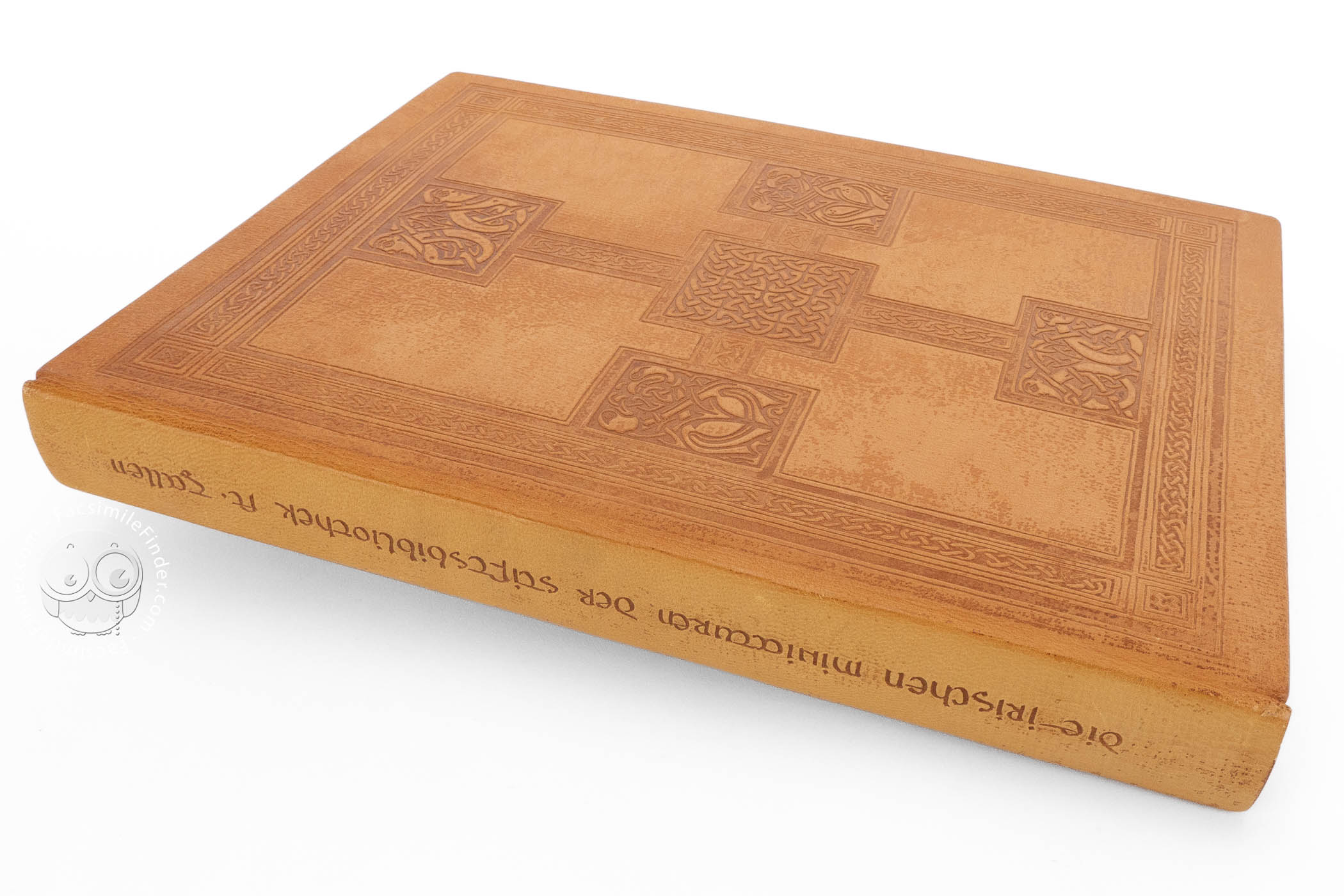
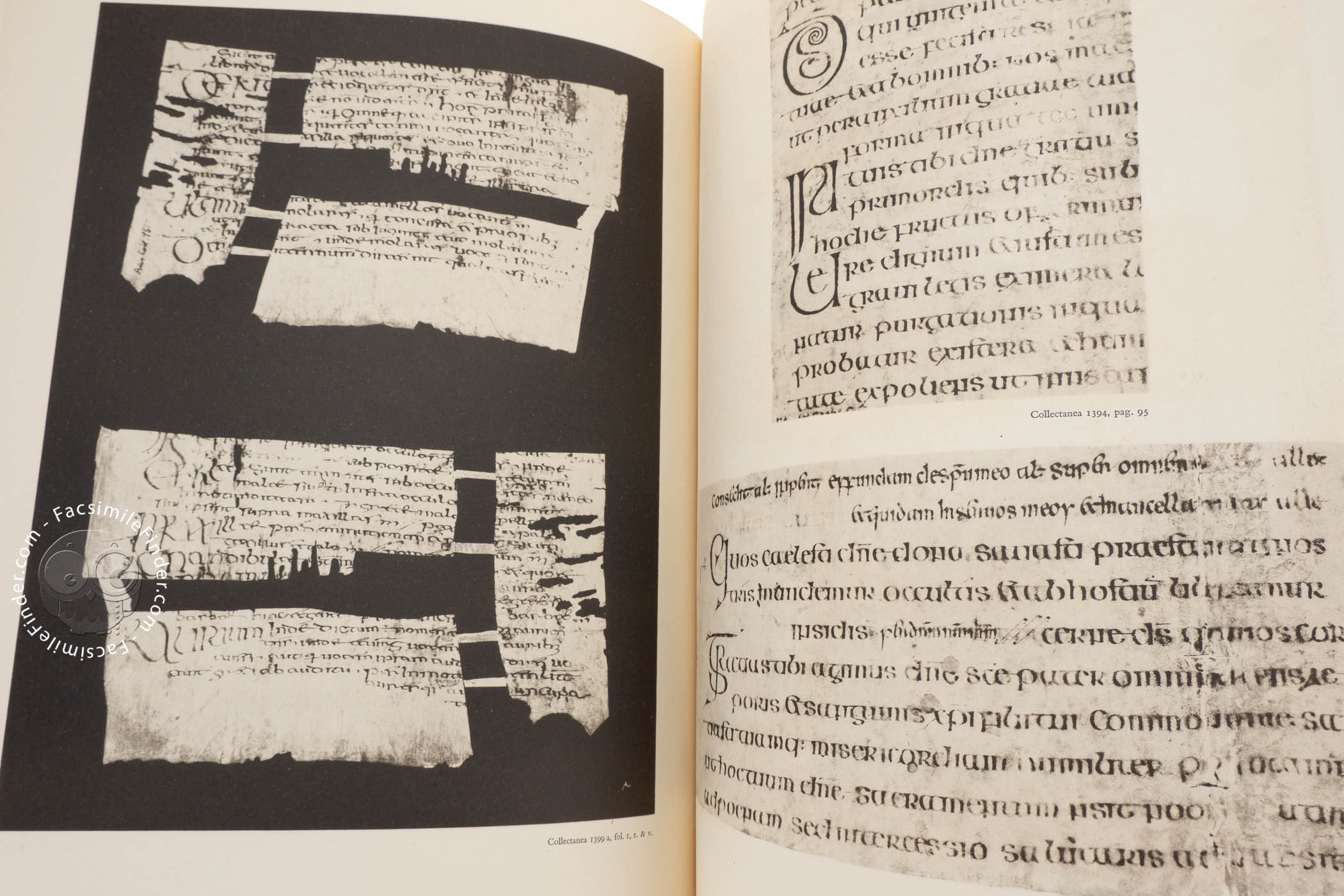
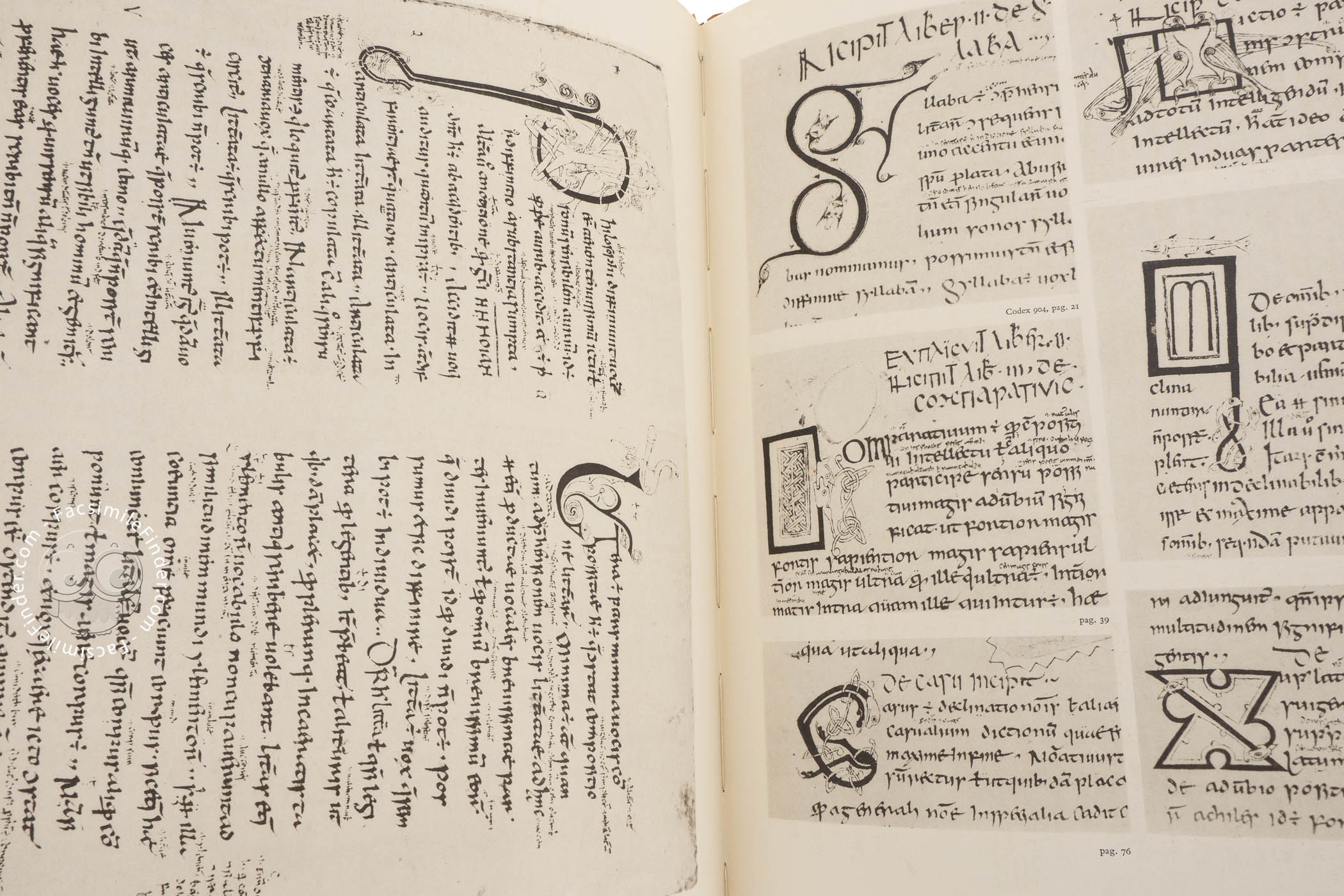
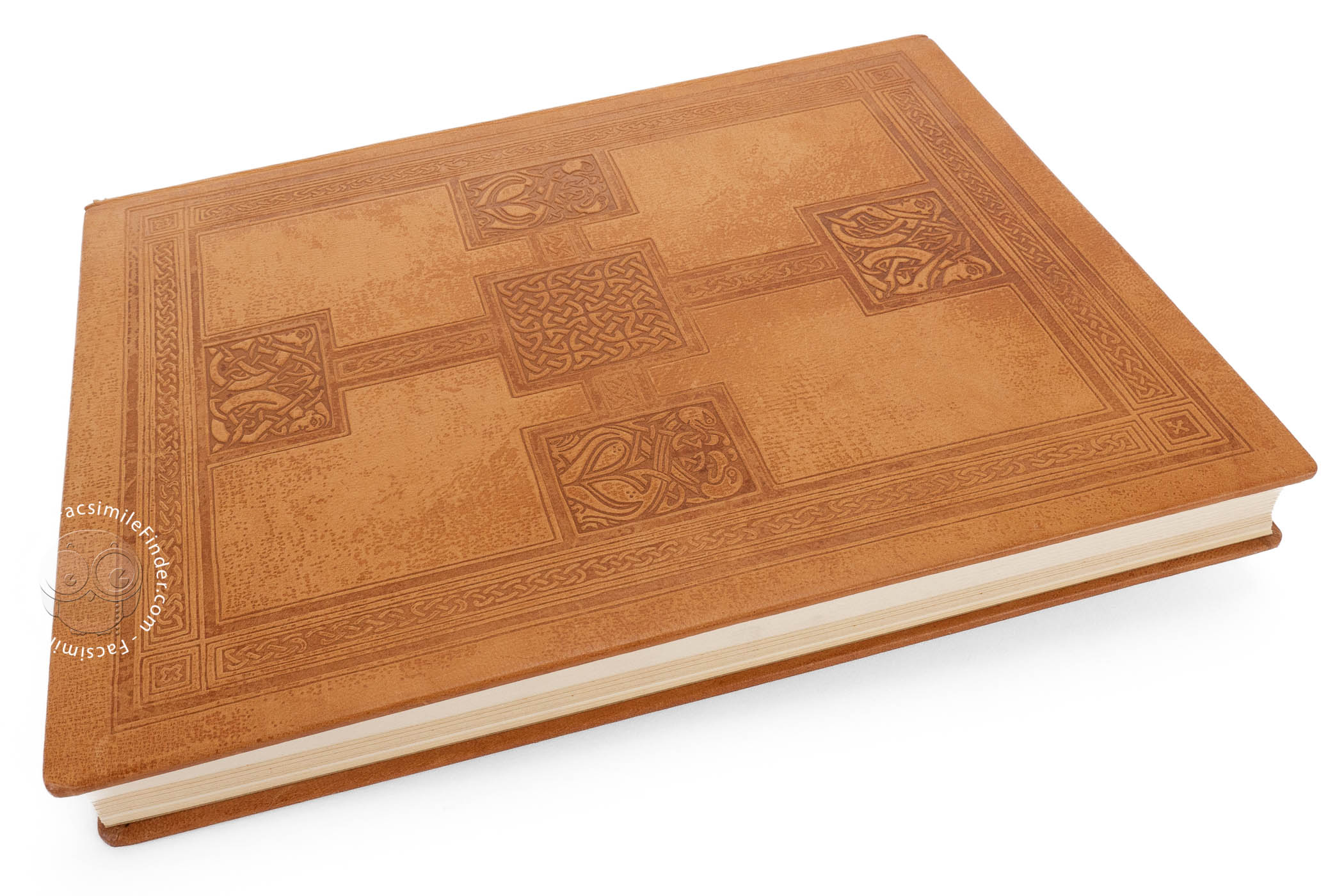
We have 1 facsimile edition of the manuscript "Irish Gospels of St. Gall": Irischen Miniaturen der Stiftsbibliothek St. Gallen facsimile edition, published by Urs Graf, 1953
Request Info / Price