
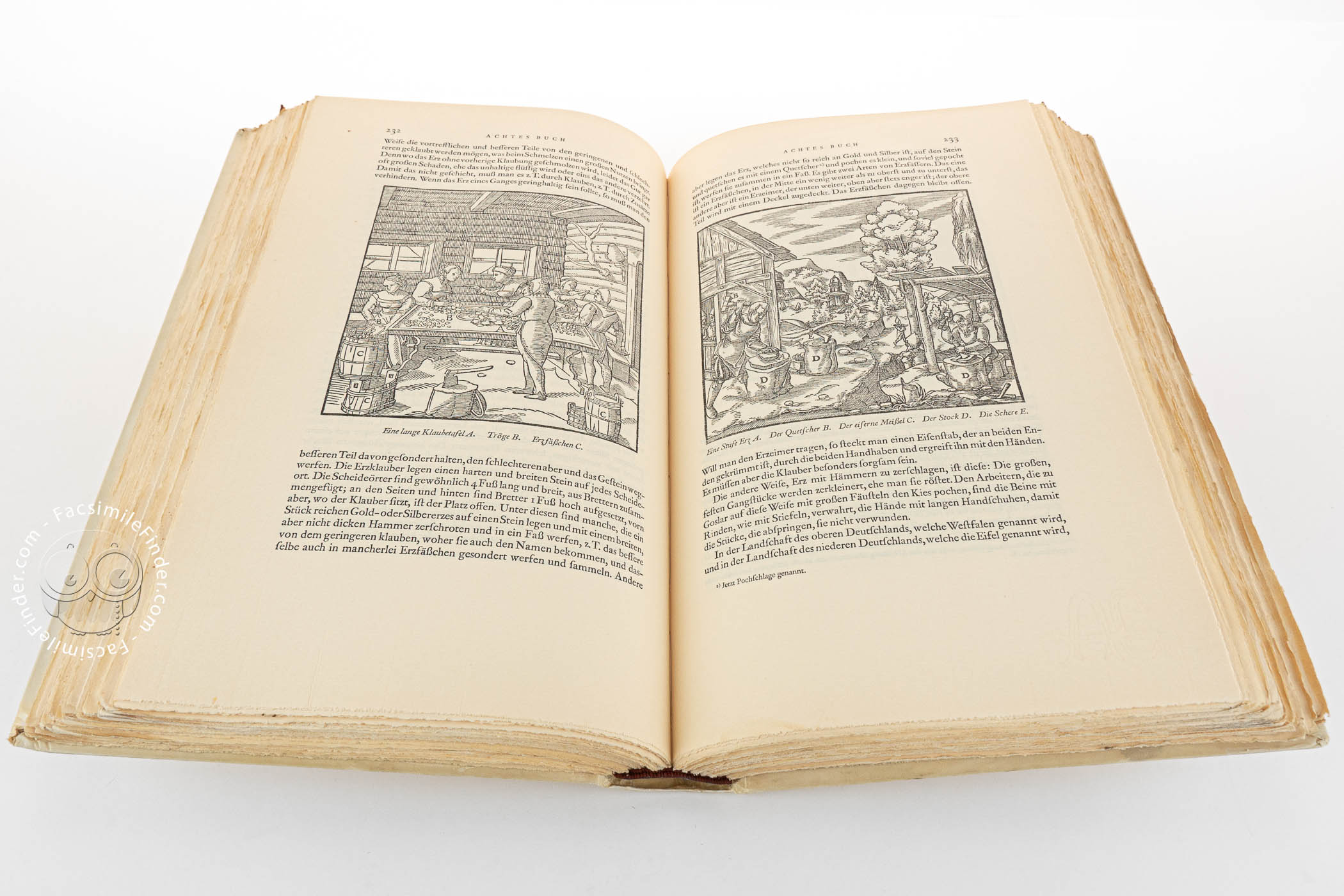
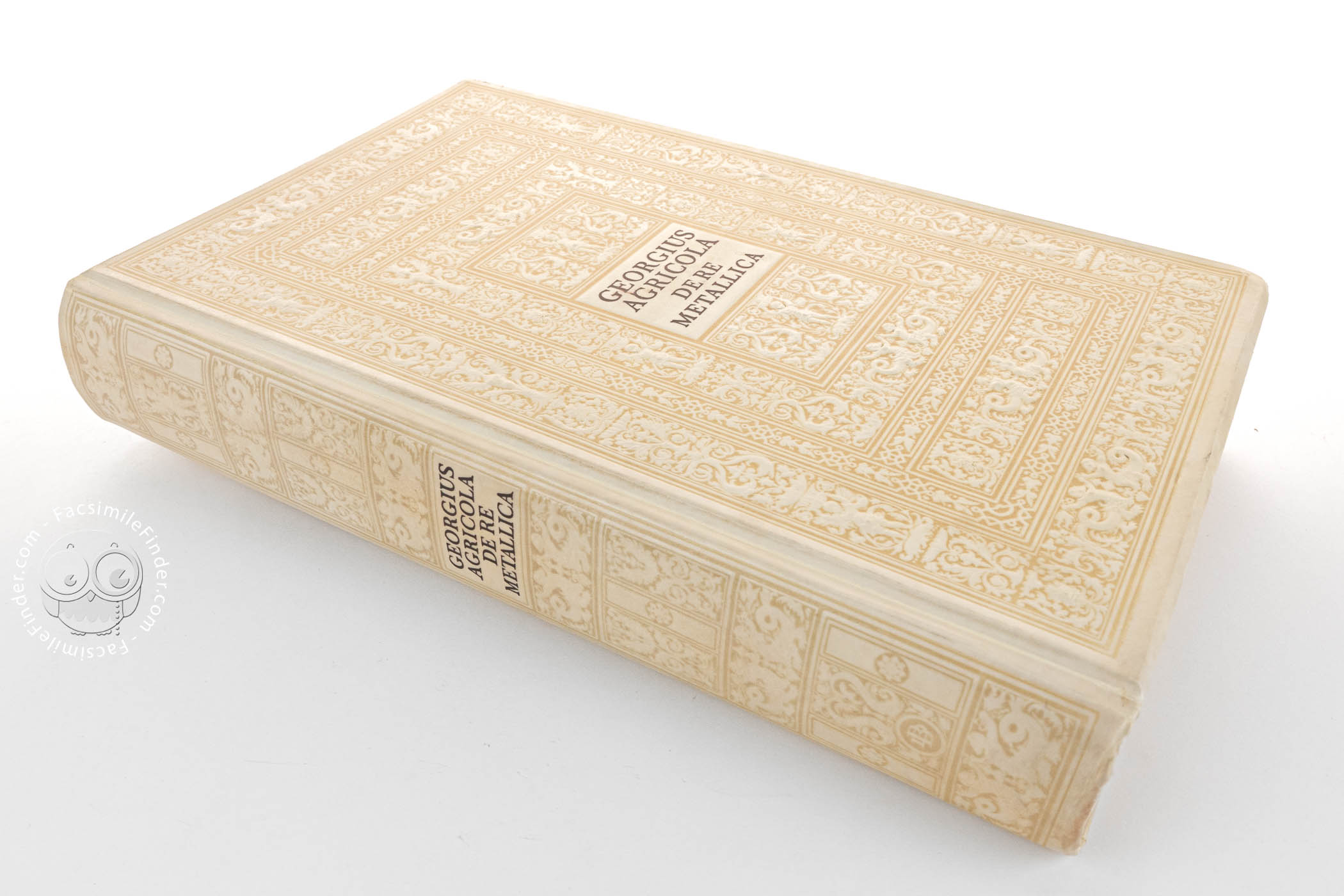
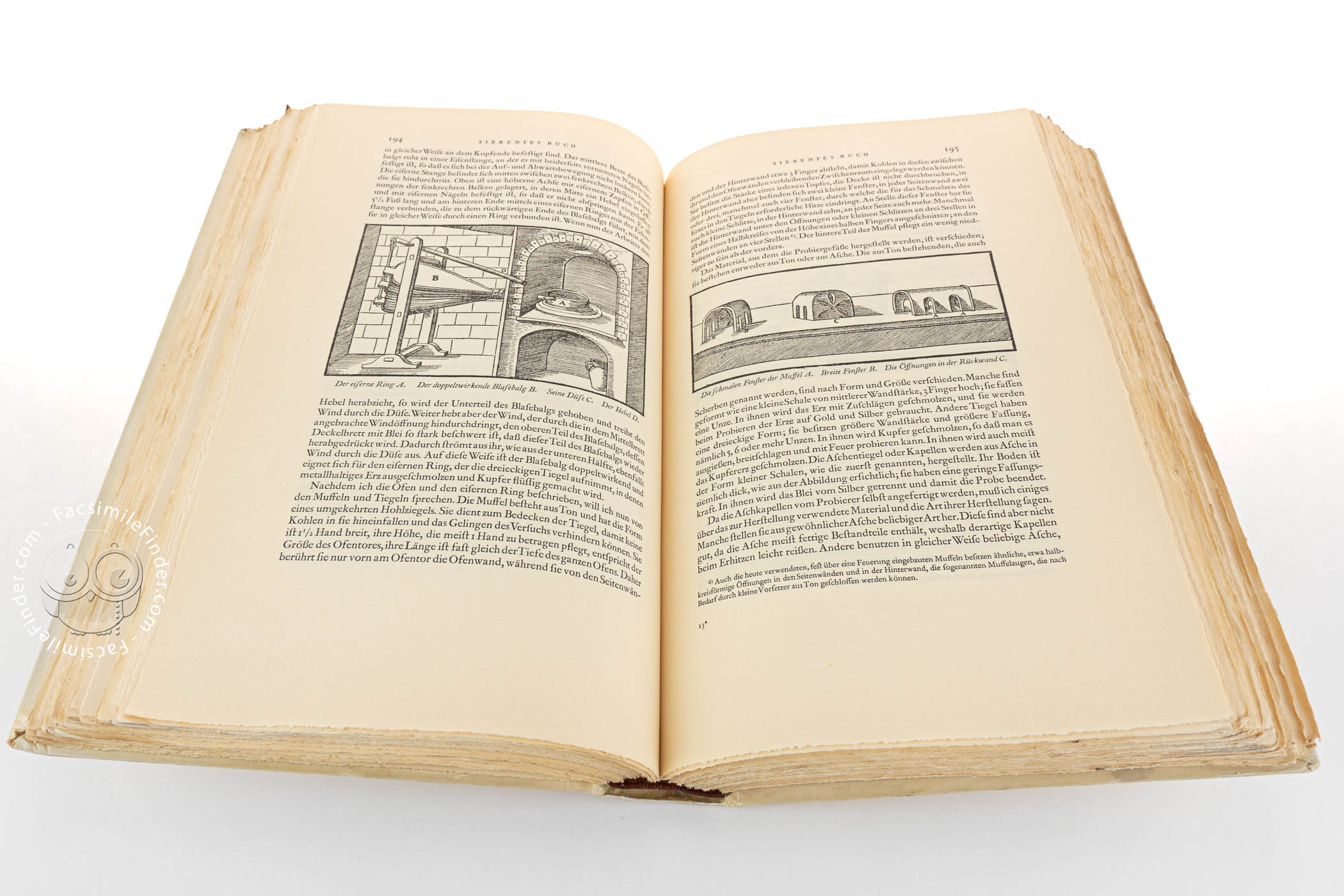

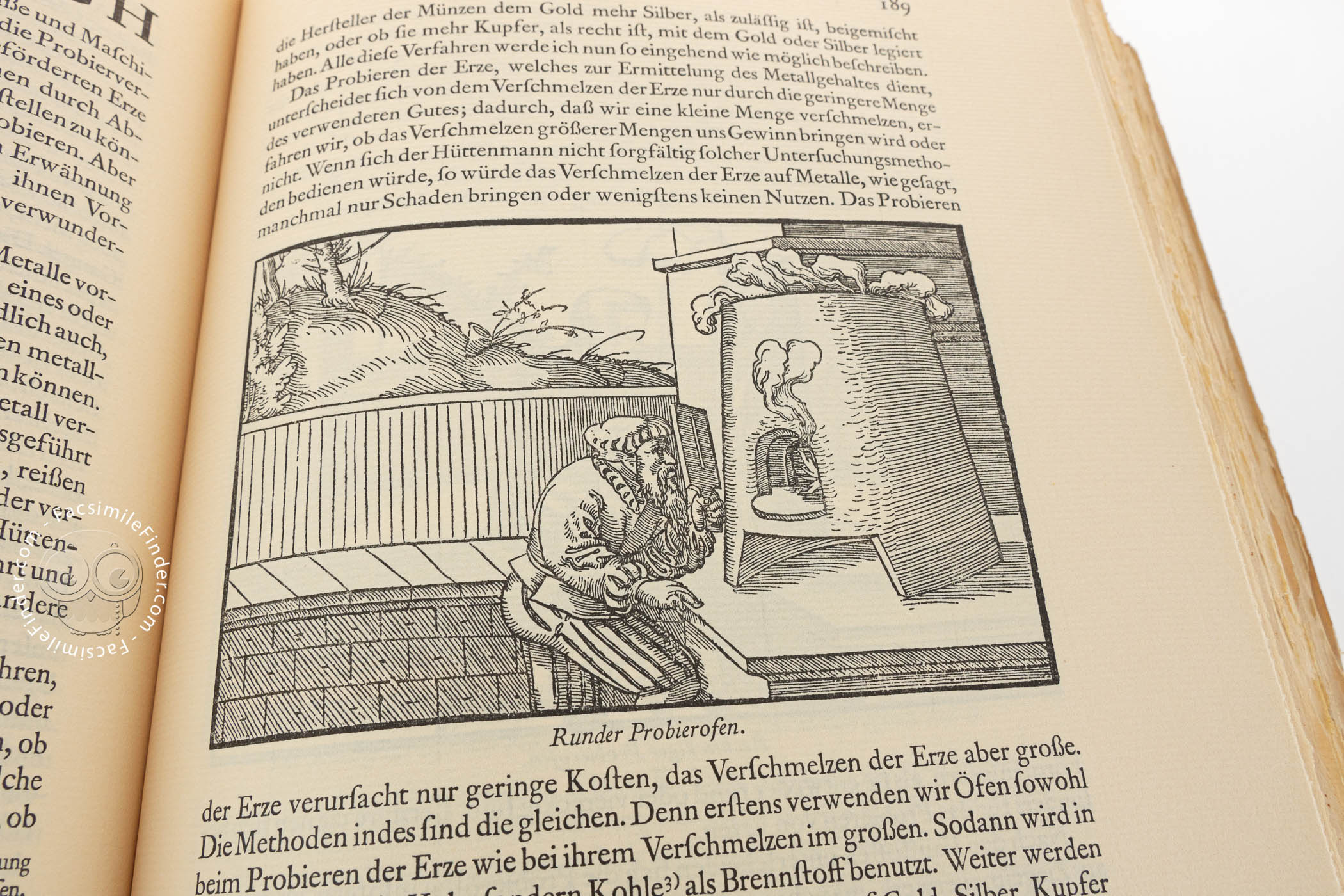
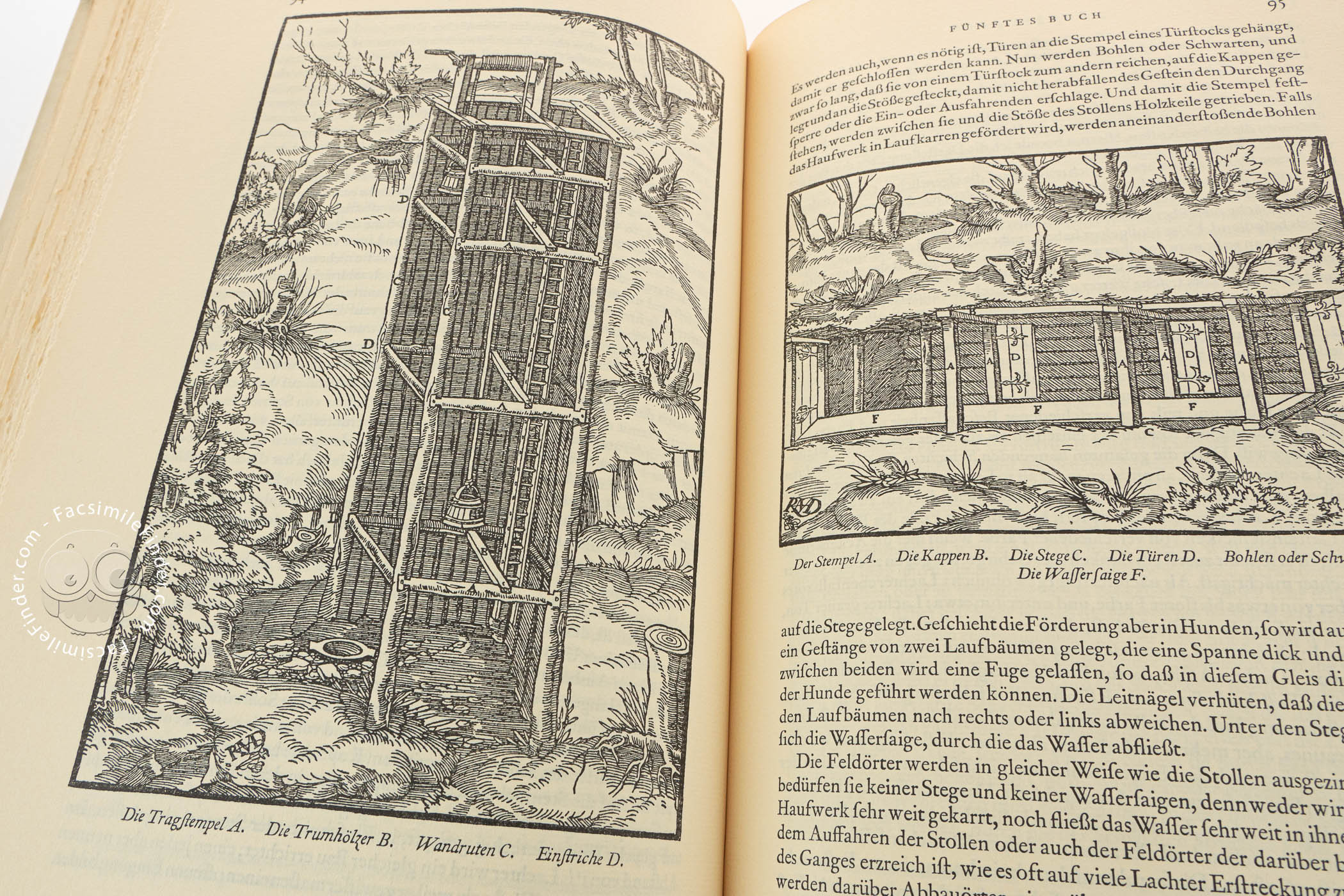
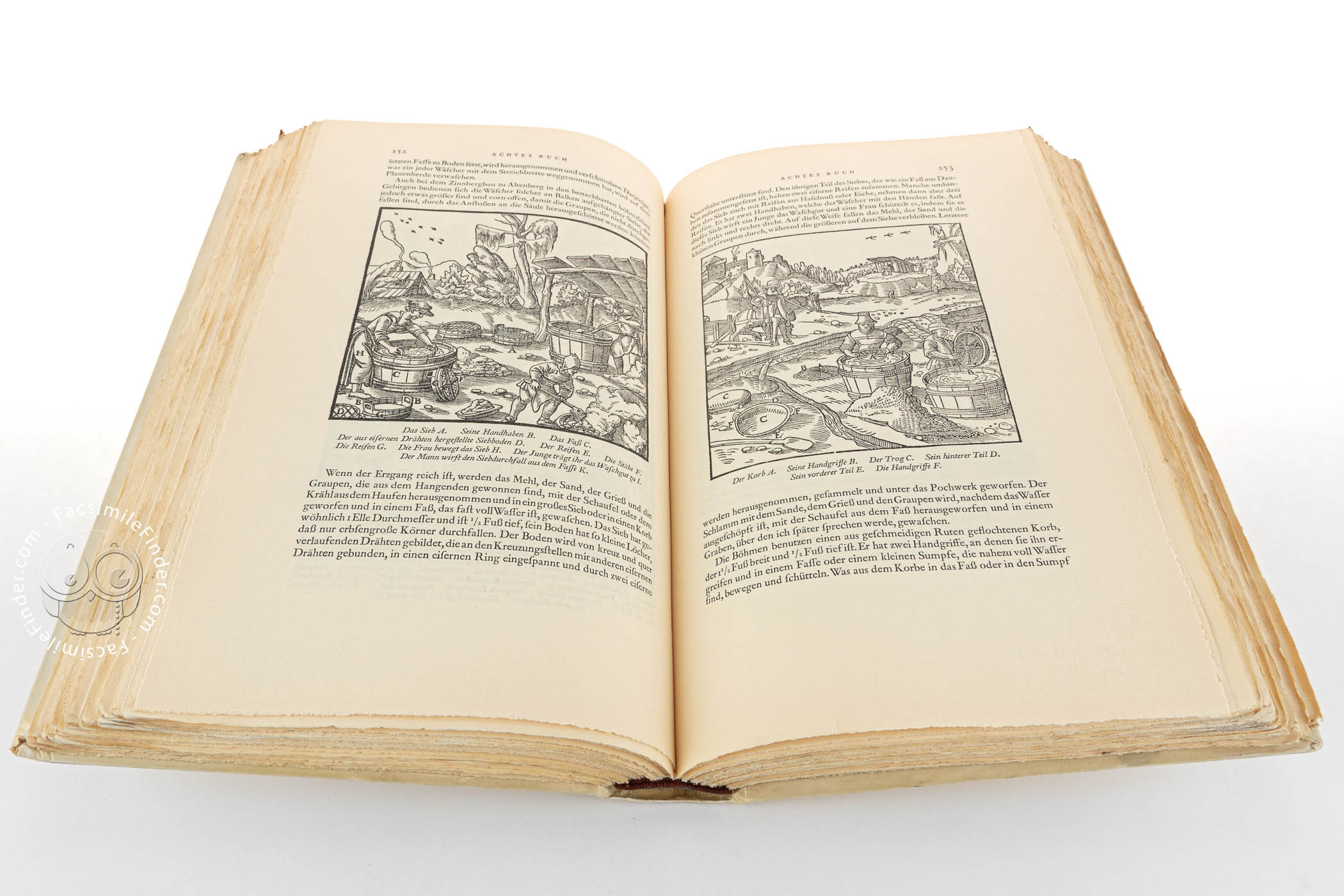

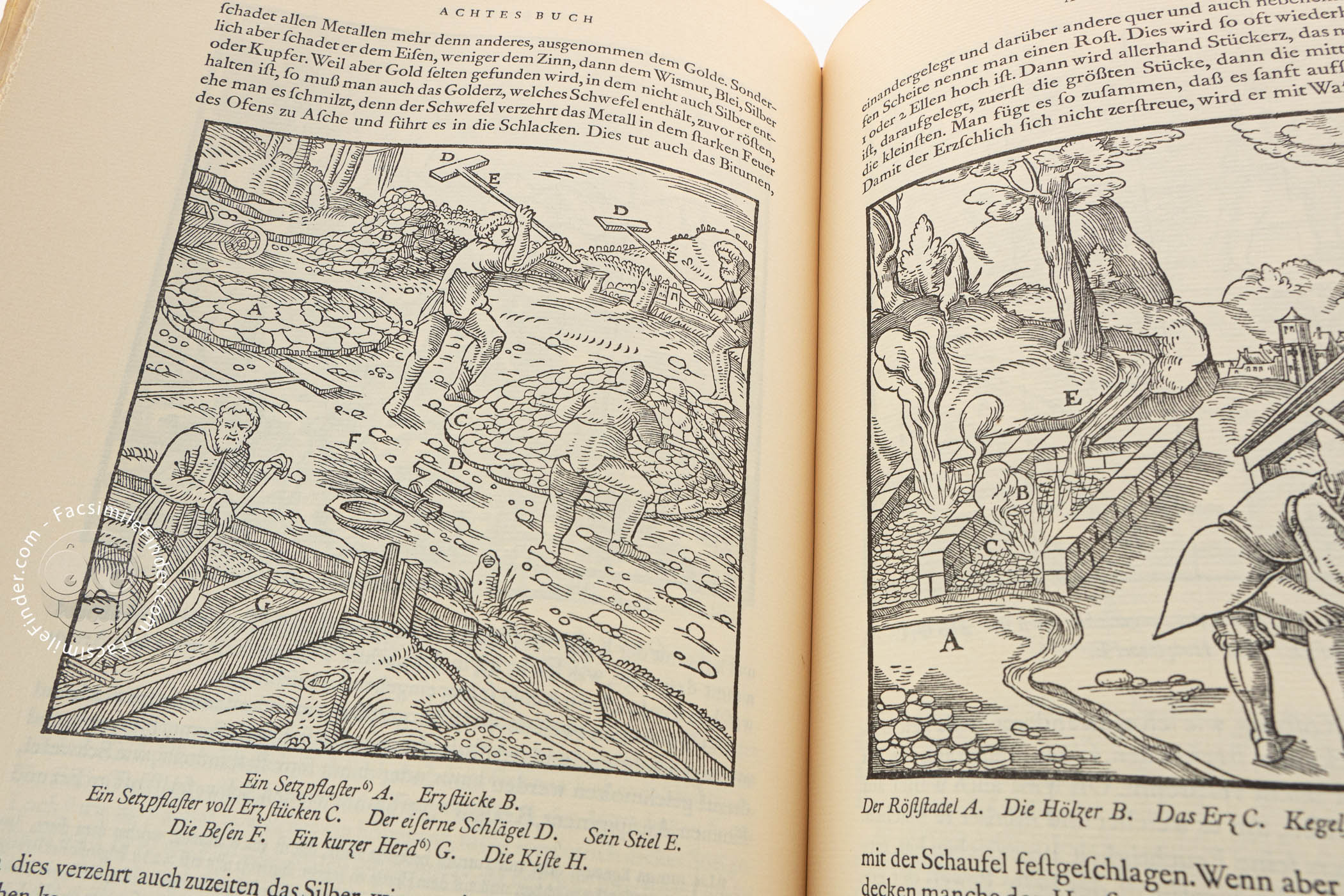
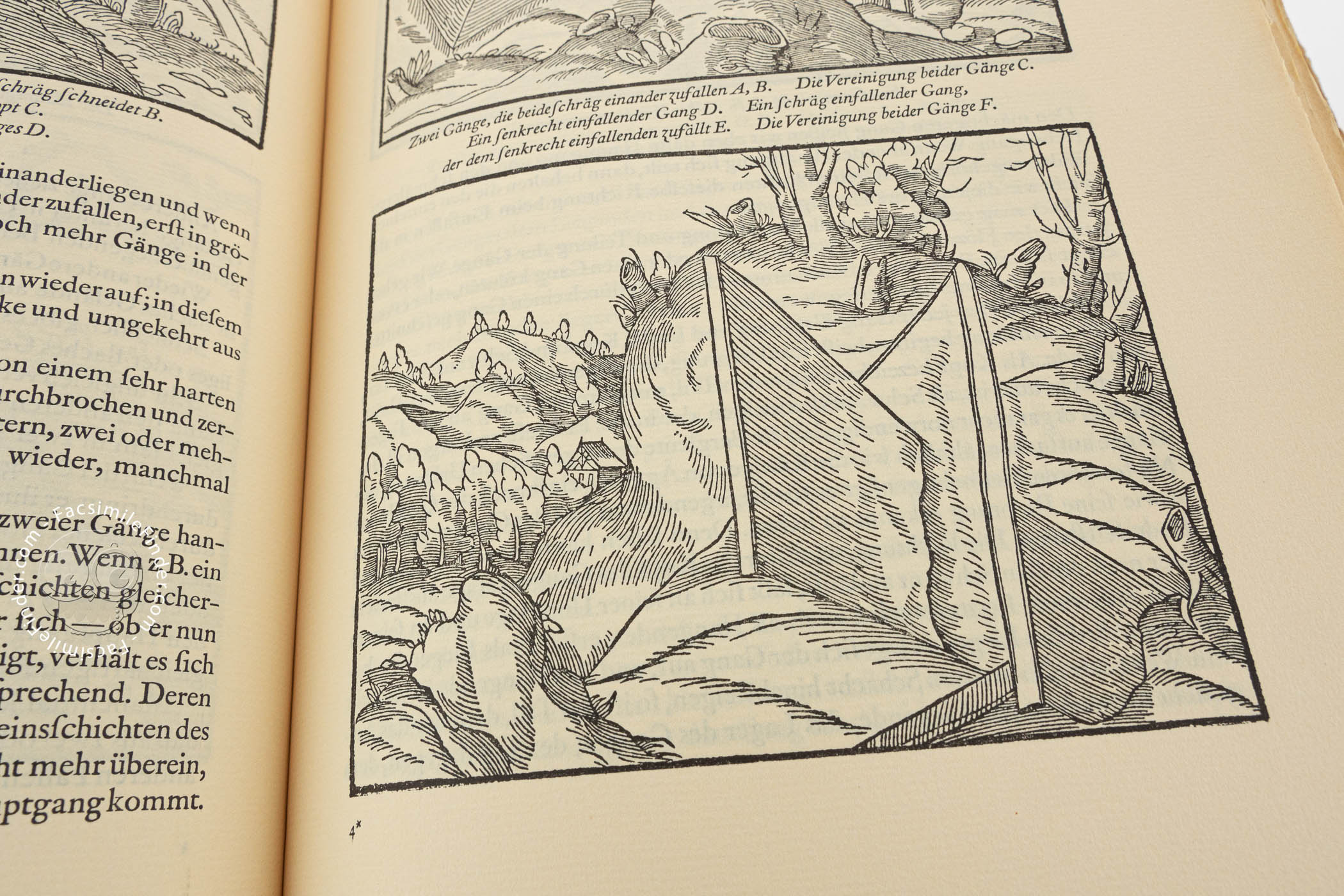

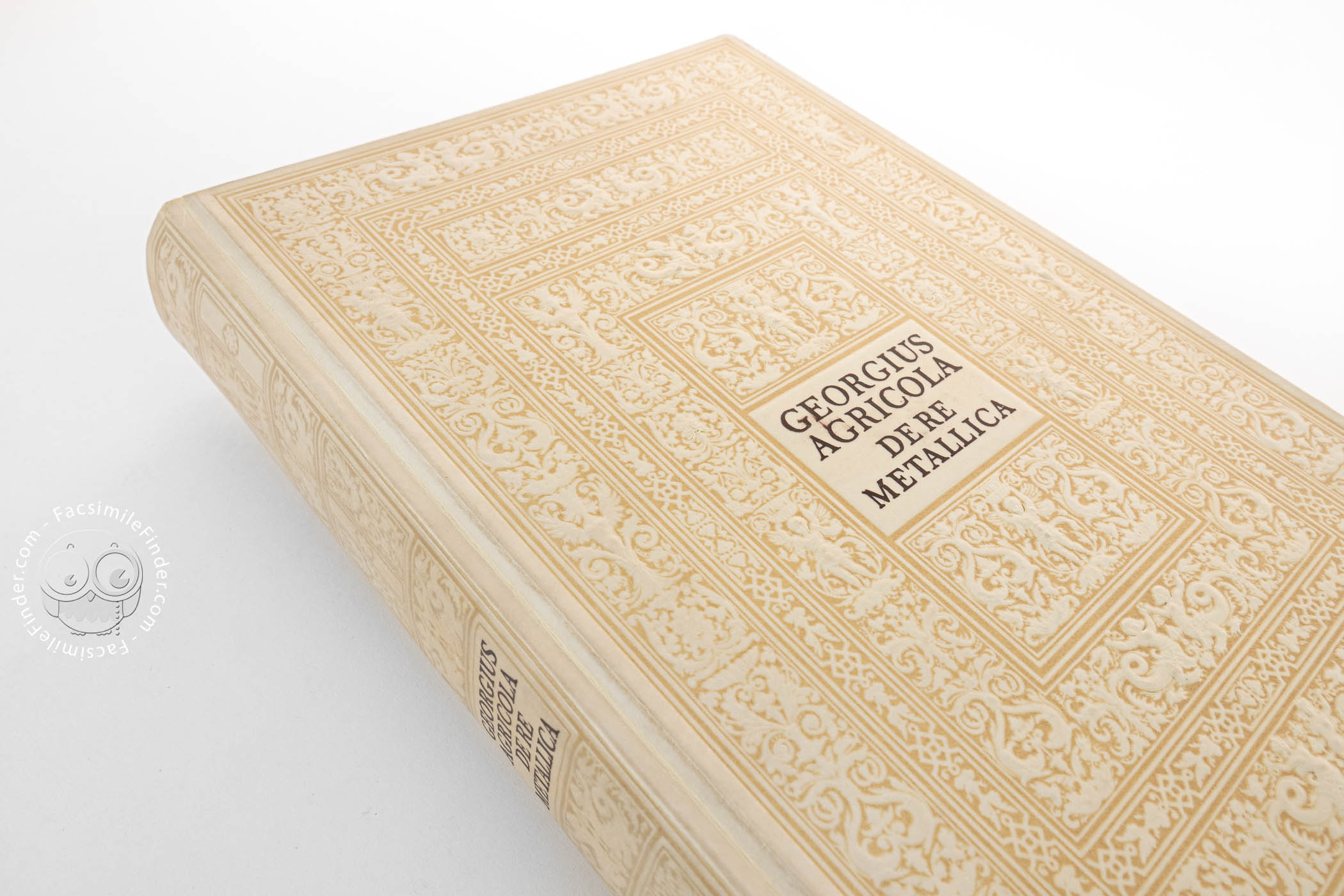
Georgius Agricola’s De Re Metallica stands at the threshold of the modern scientific book. Published in Basel in March 1556, shortly after Agricola’s death, this large Latin folio gathers twelve books on mining, metallurgy, and the subterranean world into a single, rigorously organized work. More than a technical manual, it is a monument of Renaissance scholarship: learned in its references to antiquity, yet grounded in direct observation of mines, ores, tools, furnaces, and labor.
A Renaissance Science of Matter
What gives the book its enduring force is the breadth of its ambition. Agricola does not isolate one craft or one mineral. He surveys the full chain of extraction and transformation, from locating veins and organizing mining operations to refining and smelting metal ores. In doing so, he turns practical knowledge—often transmitted orally among specialists—into a structured body of written science. The result is a work that helped define how early modern Europe understood the material riches of the earth.
Woodcuts, Machines, and Visual Knowledge
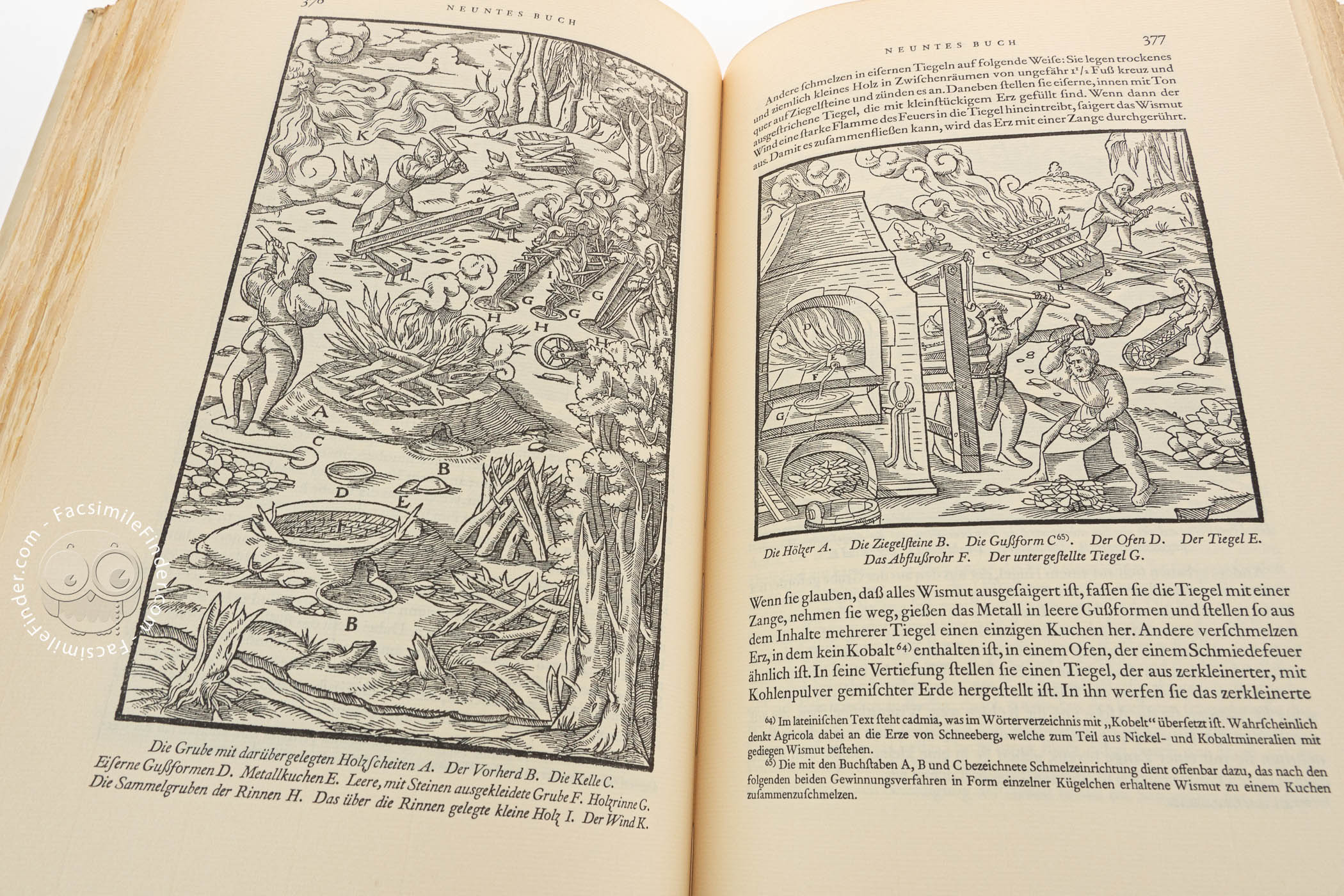
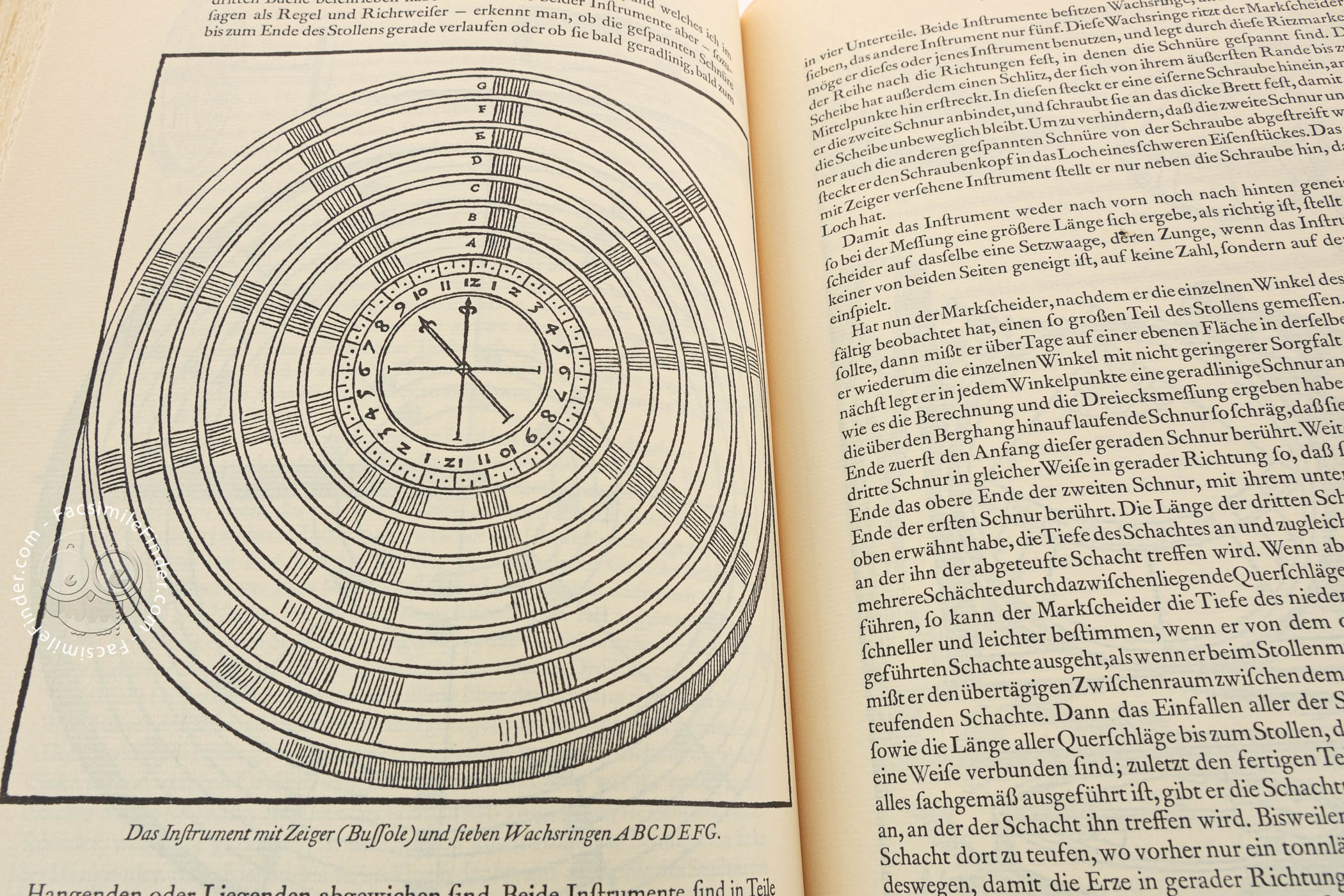
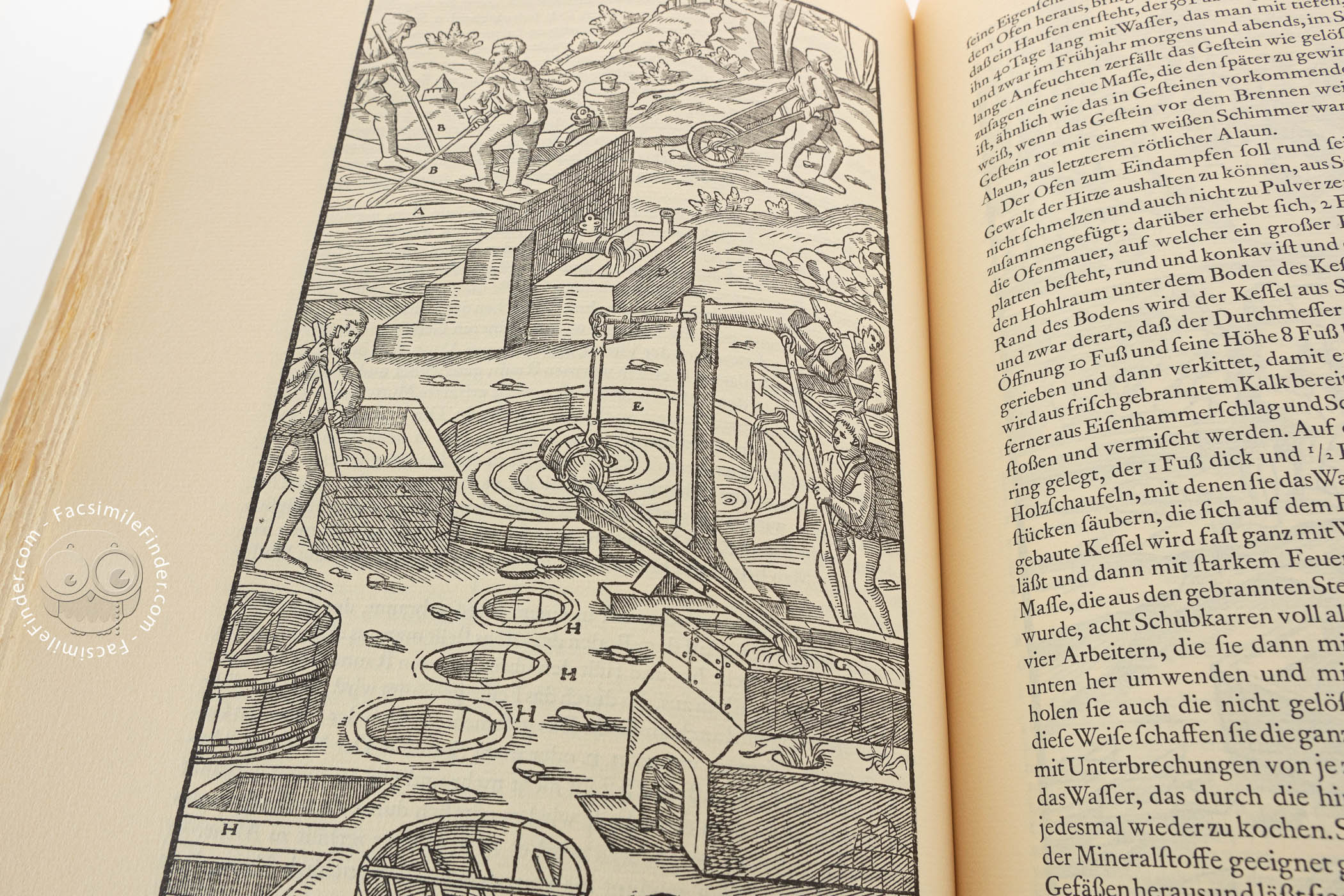
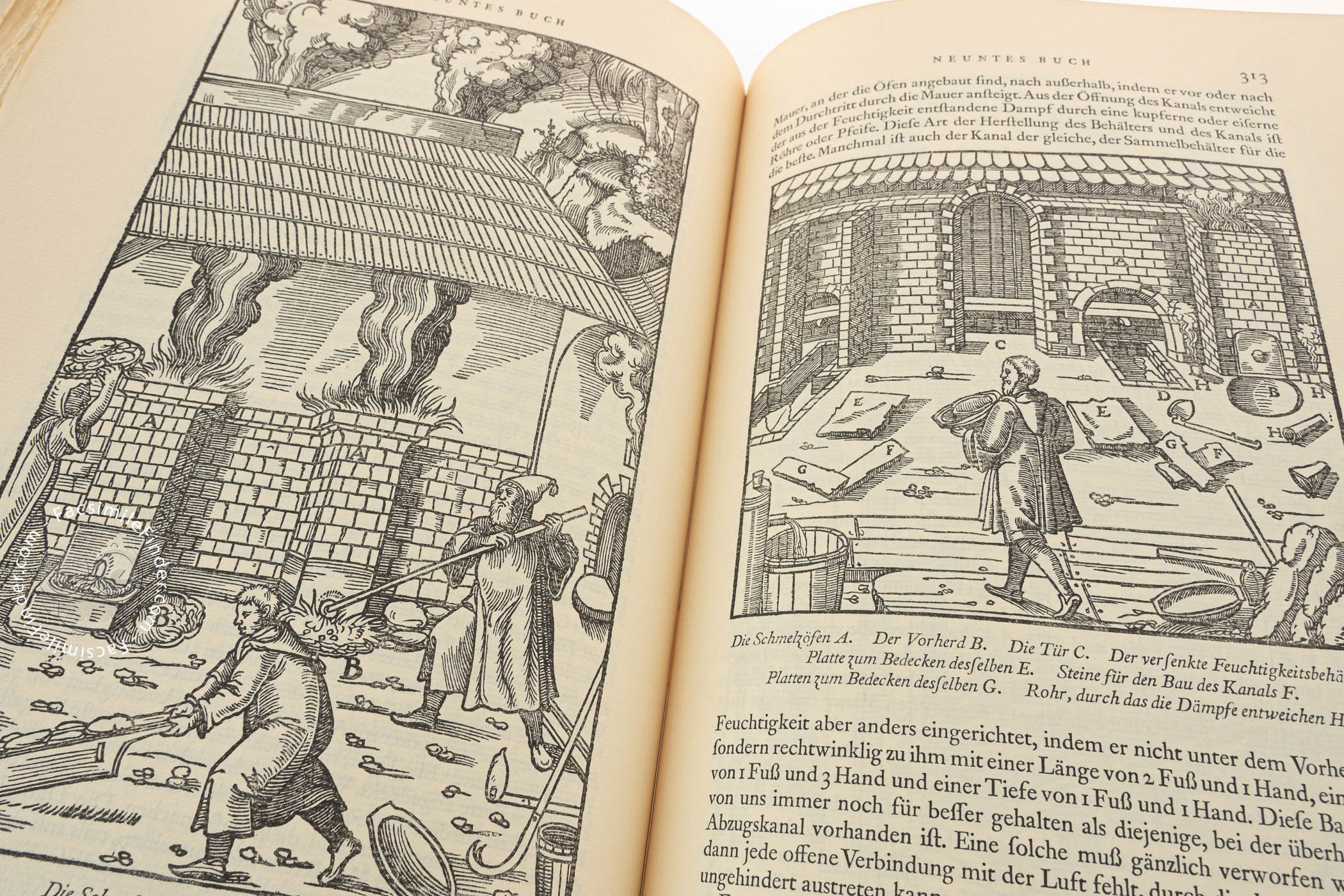
Its visual program is equally remarkable. The book is famed for its hundreds of woodcuts, which render engines, pumps, furnaces, vessels, and workshop procedures with unusual clarity. These images do more than decorate the page: they translate motion, sequence, and technical process into legible form. Text and image collaborate here with rare precision, making De Re Metallica not only a landmark of metallurgy, but also one of the great illustrated scientific books of the sixteenth century.
A Book of Industry and Intellect
Seen today, the volume embodies a culture in which humanist learning, artisanal practice, and print technology converged. Its pages testify to a moment when the workshop entered the republic of letters, and when the hidden world beneath the ground was made visible through scholarship, image, and print.
Repositories
Several extant copies of De Re Metallica (first edition, 1556) are held in major academic libraries:
- Basel, Universitätsbibliothek Basel, Inc. IV 20.
- London, British Library, 3931.b.1.
- Cambridge, Harvard University Library, TypTS 630.56.380*.
- Washington, D.C., Folger Shakespeare Library, 230- 233f.
We have 1 facsimile edition of the manuscript "Georgius Agricola's De Re Metallica": Georgius Agricola. De Re Metallica facsimile edition, published by VDI Verlag, 1961
Request Info / Price