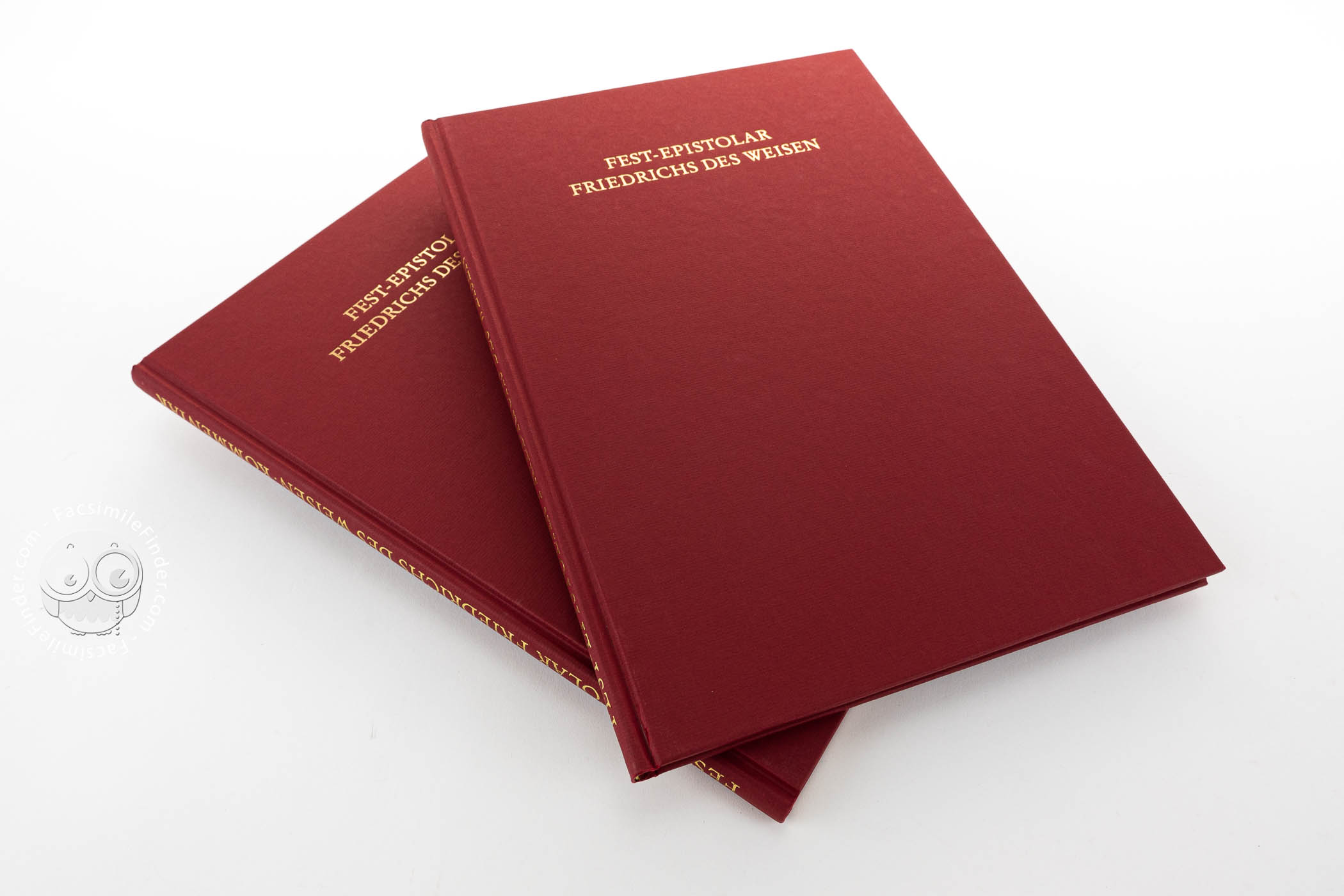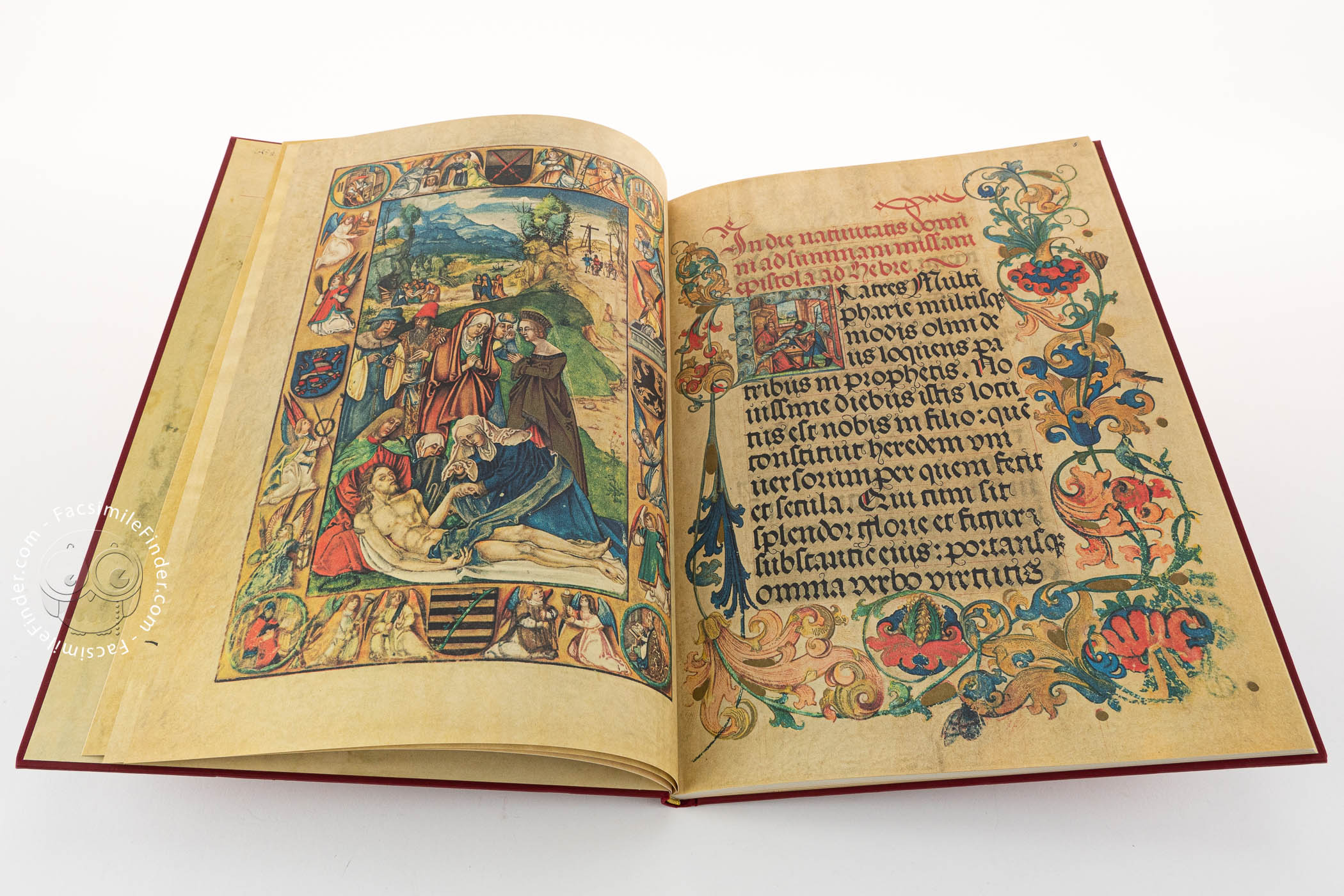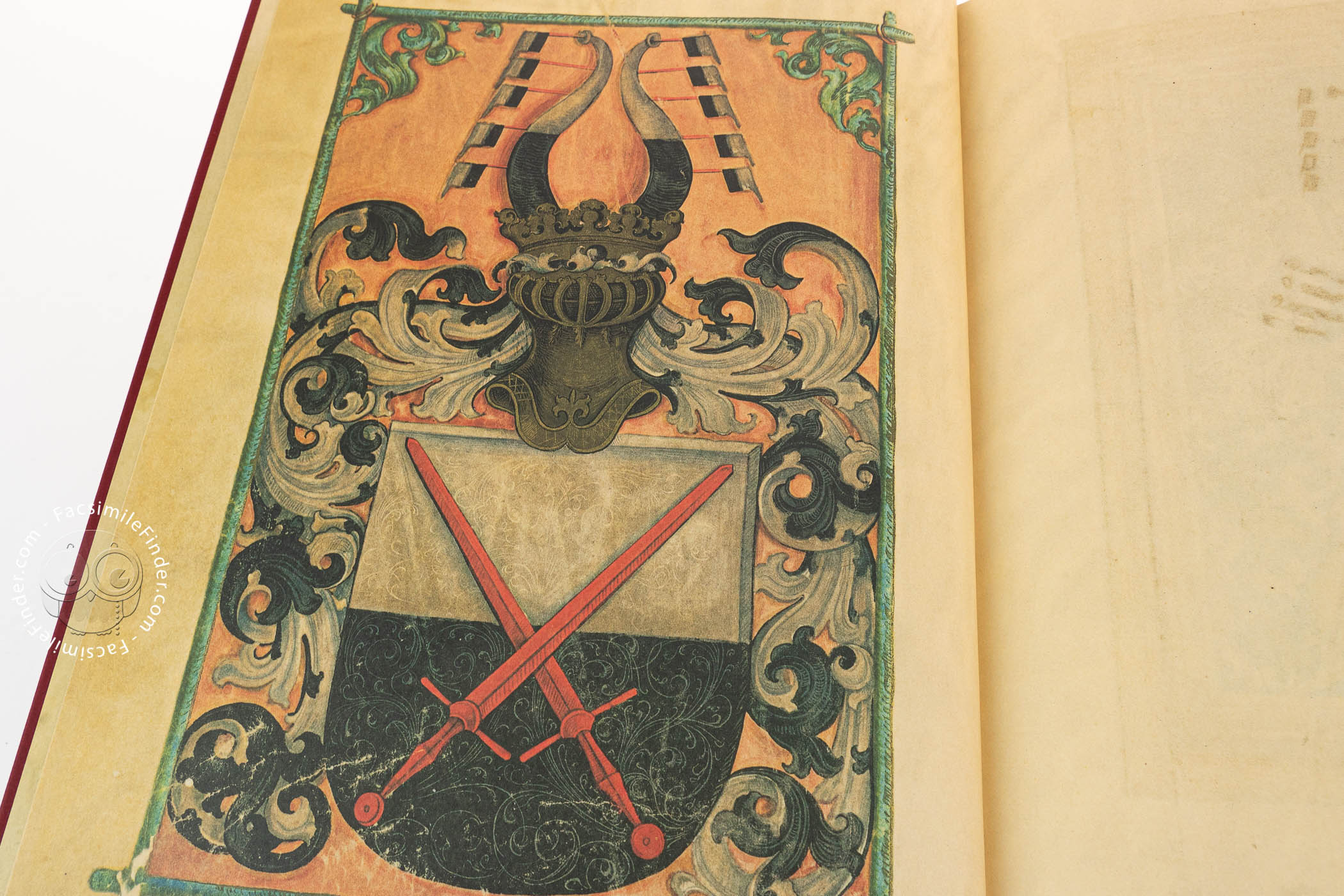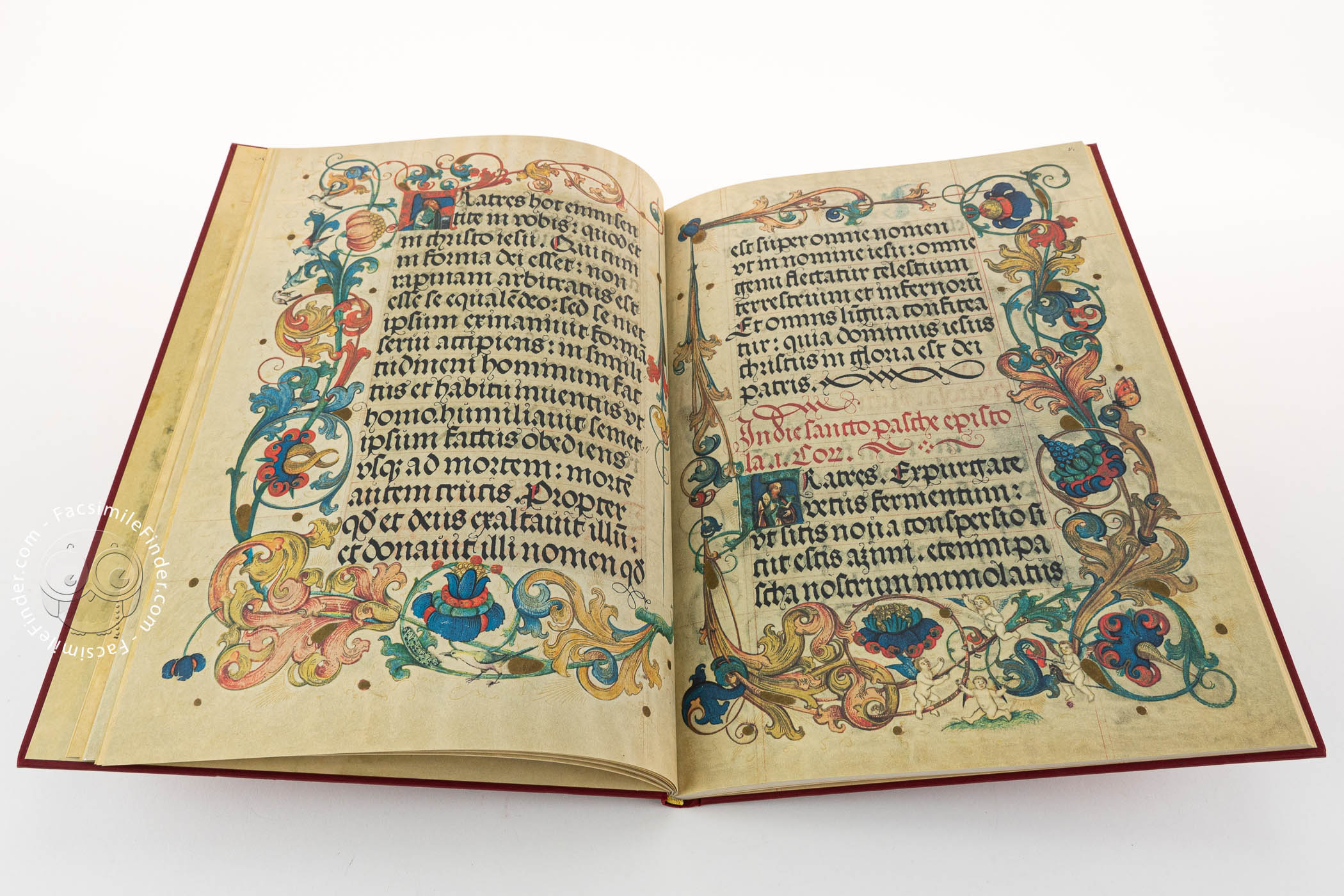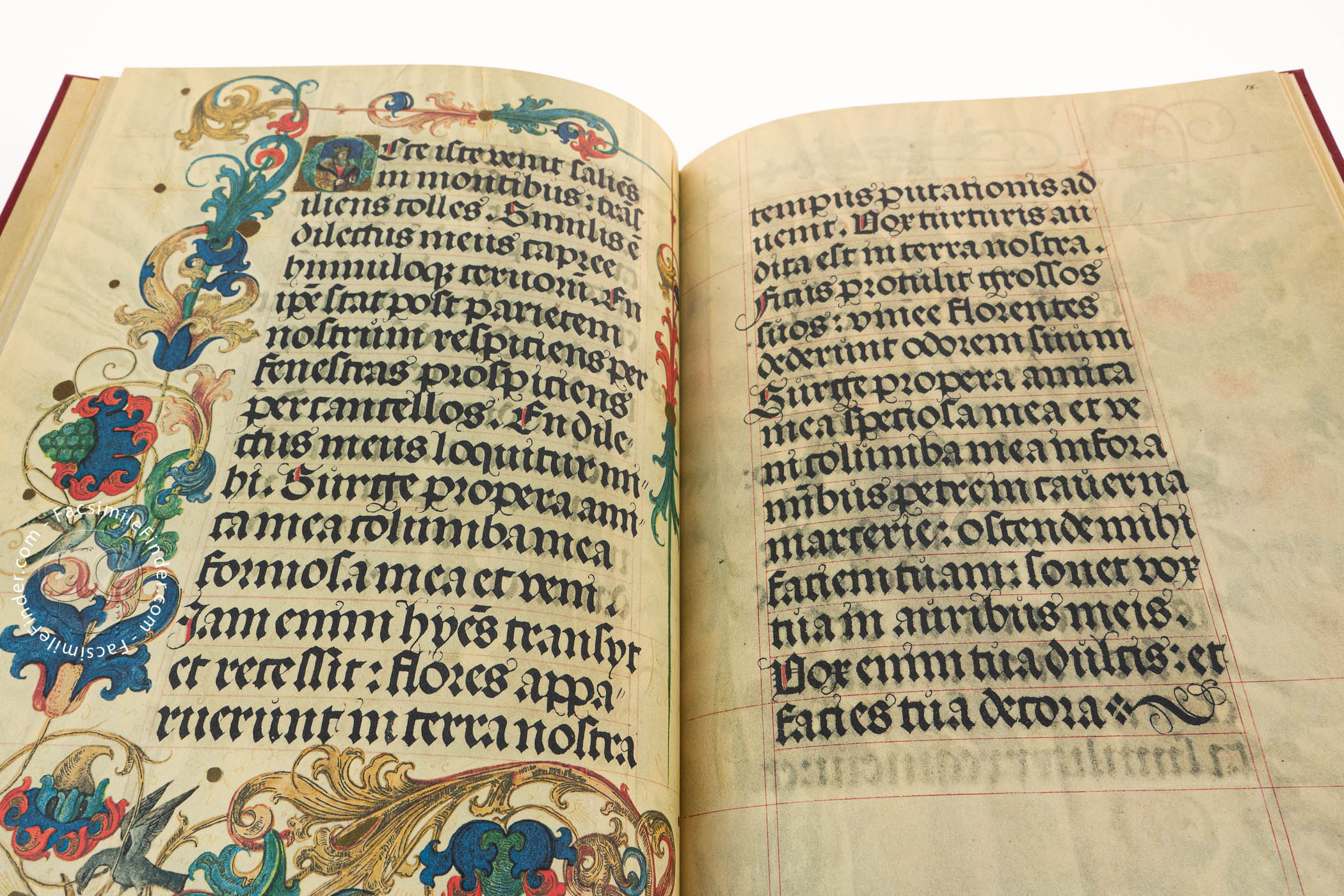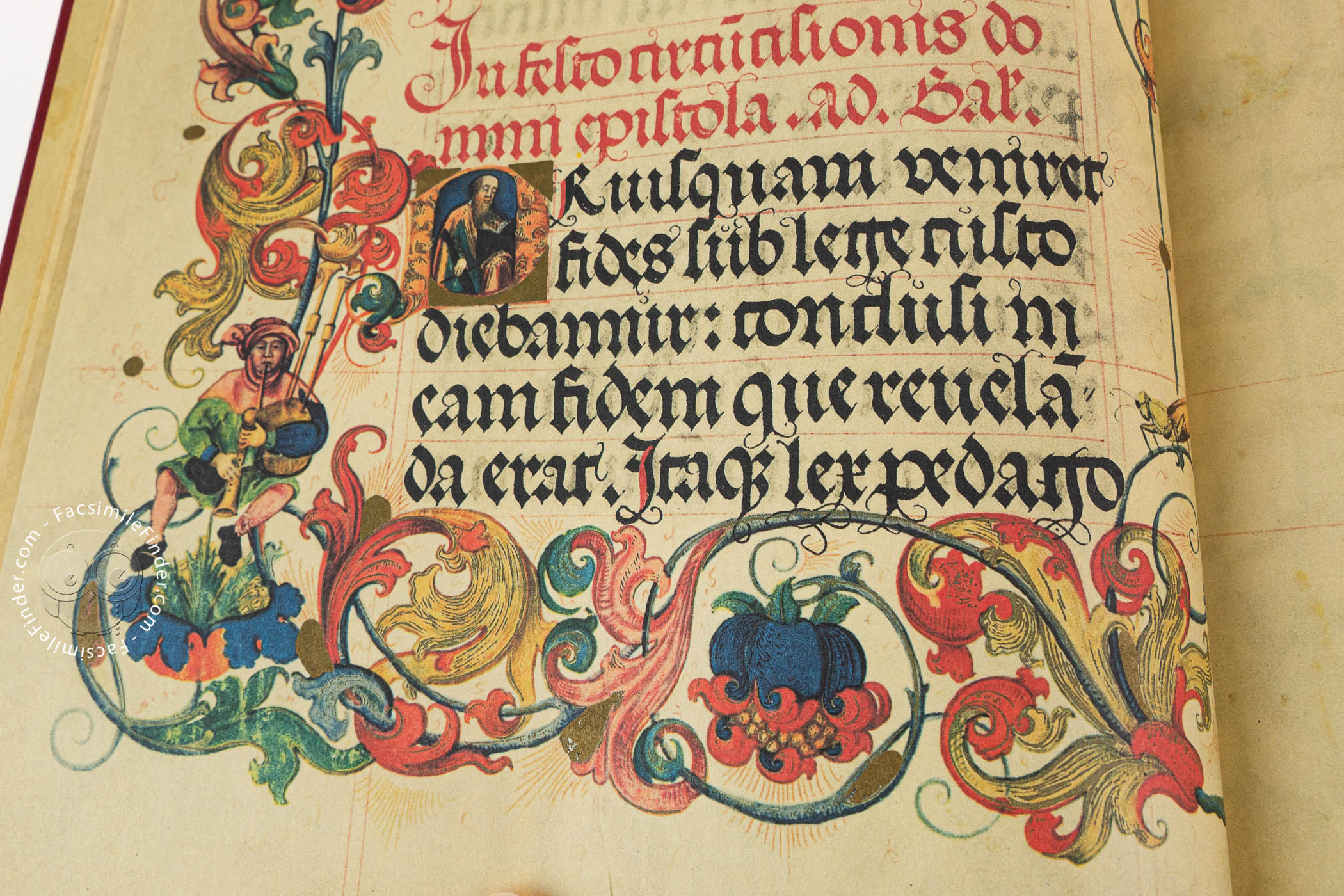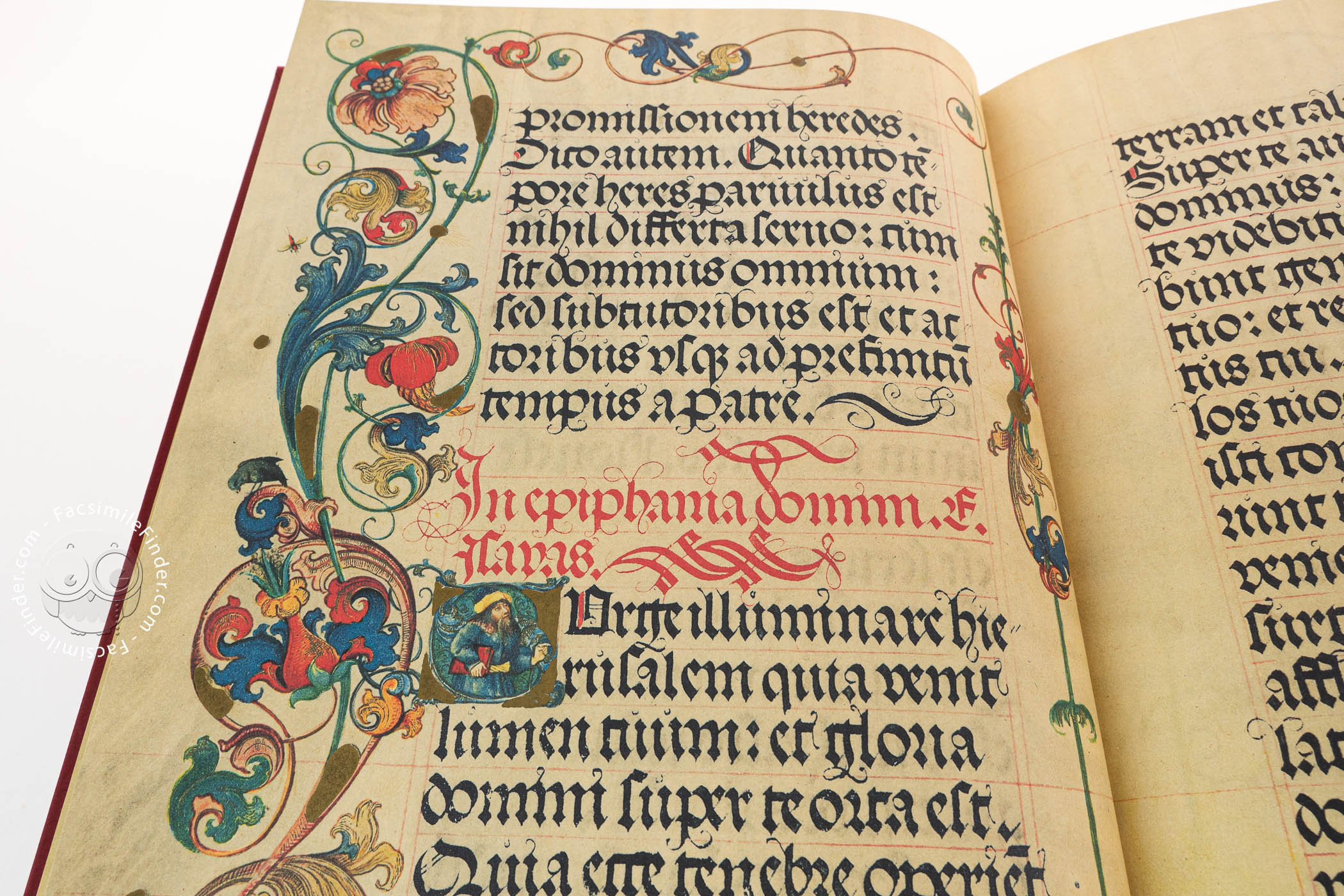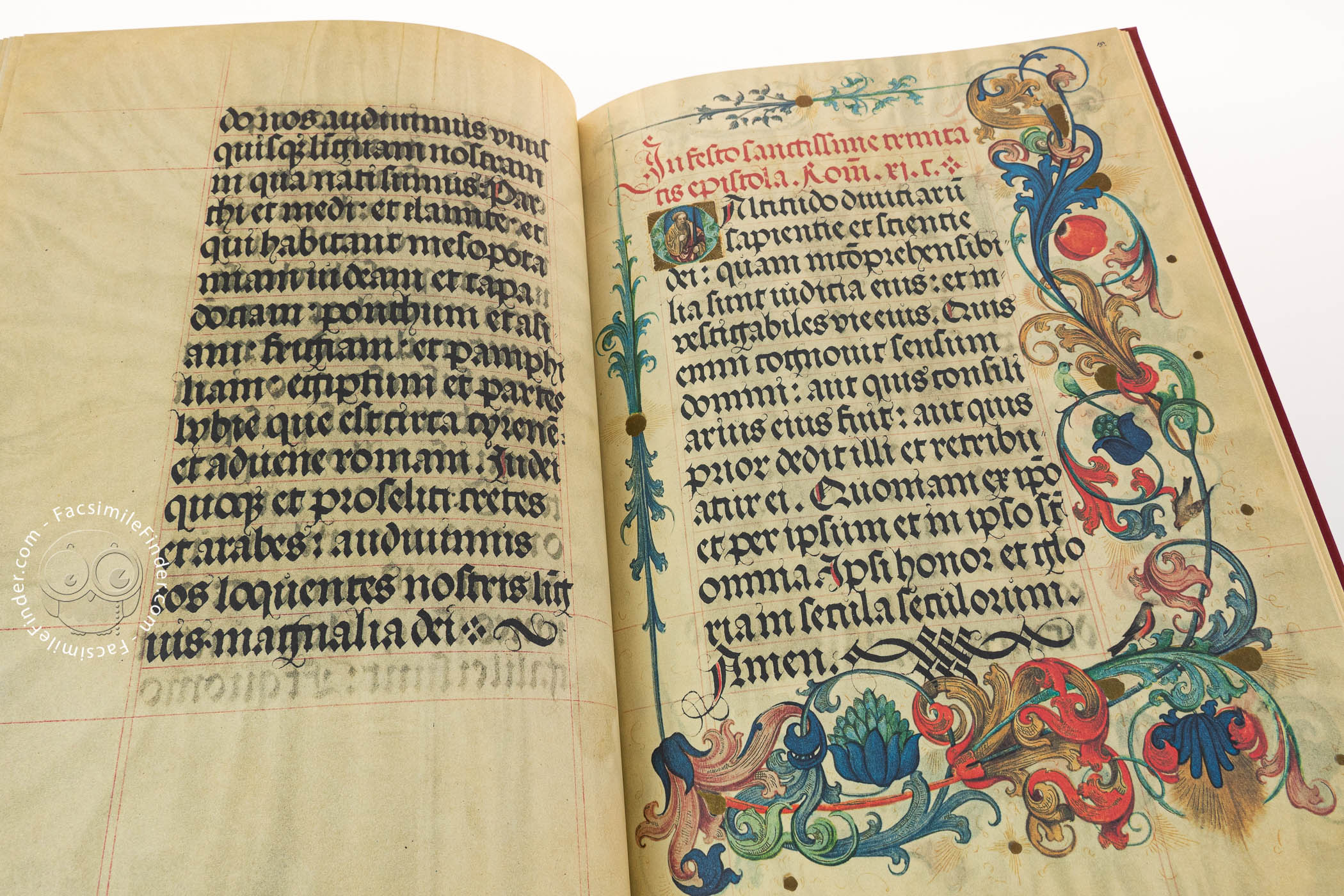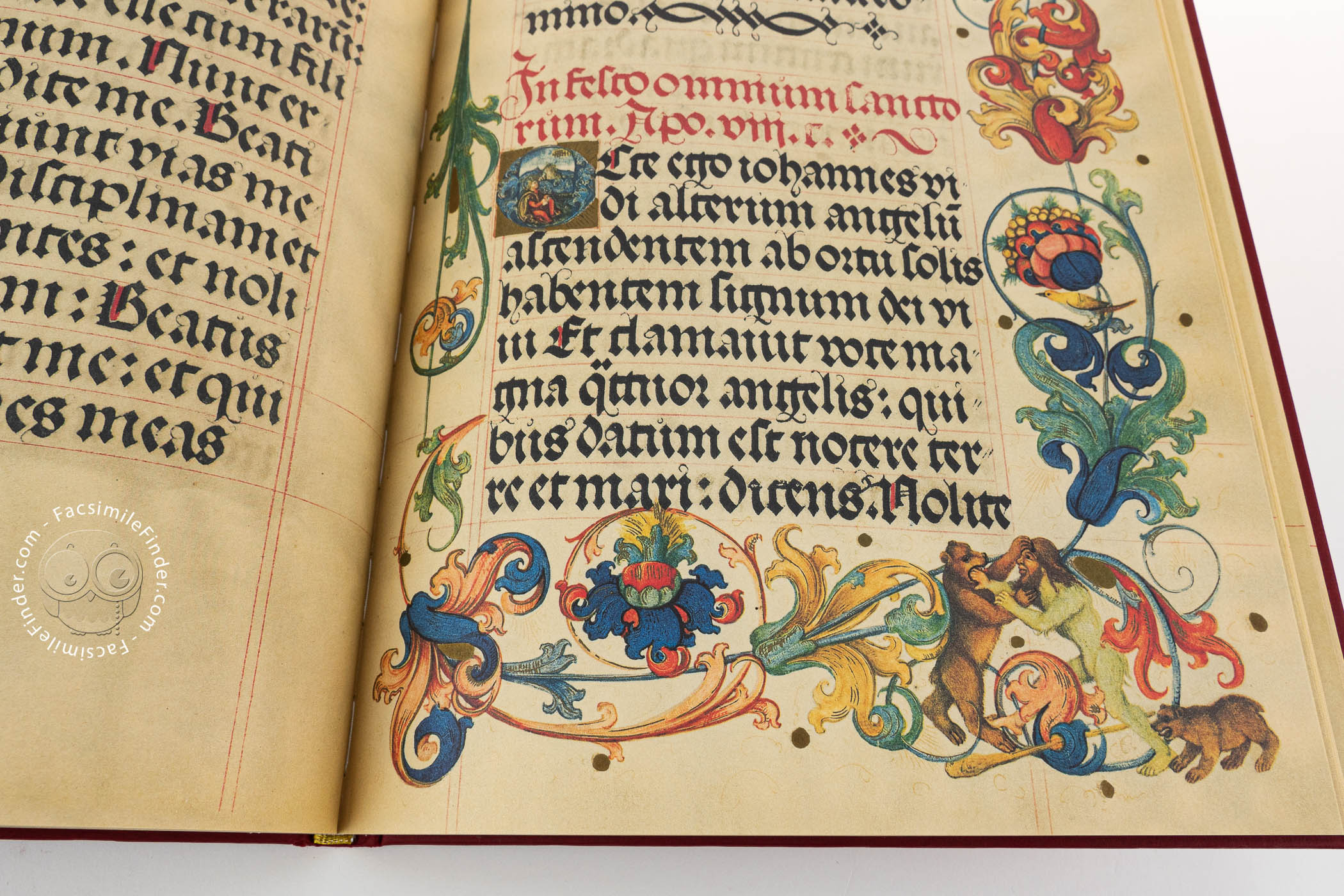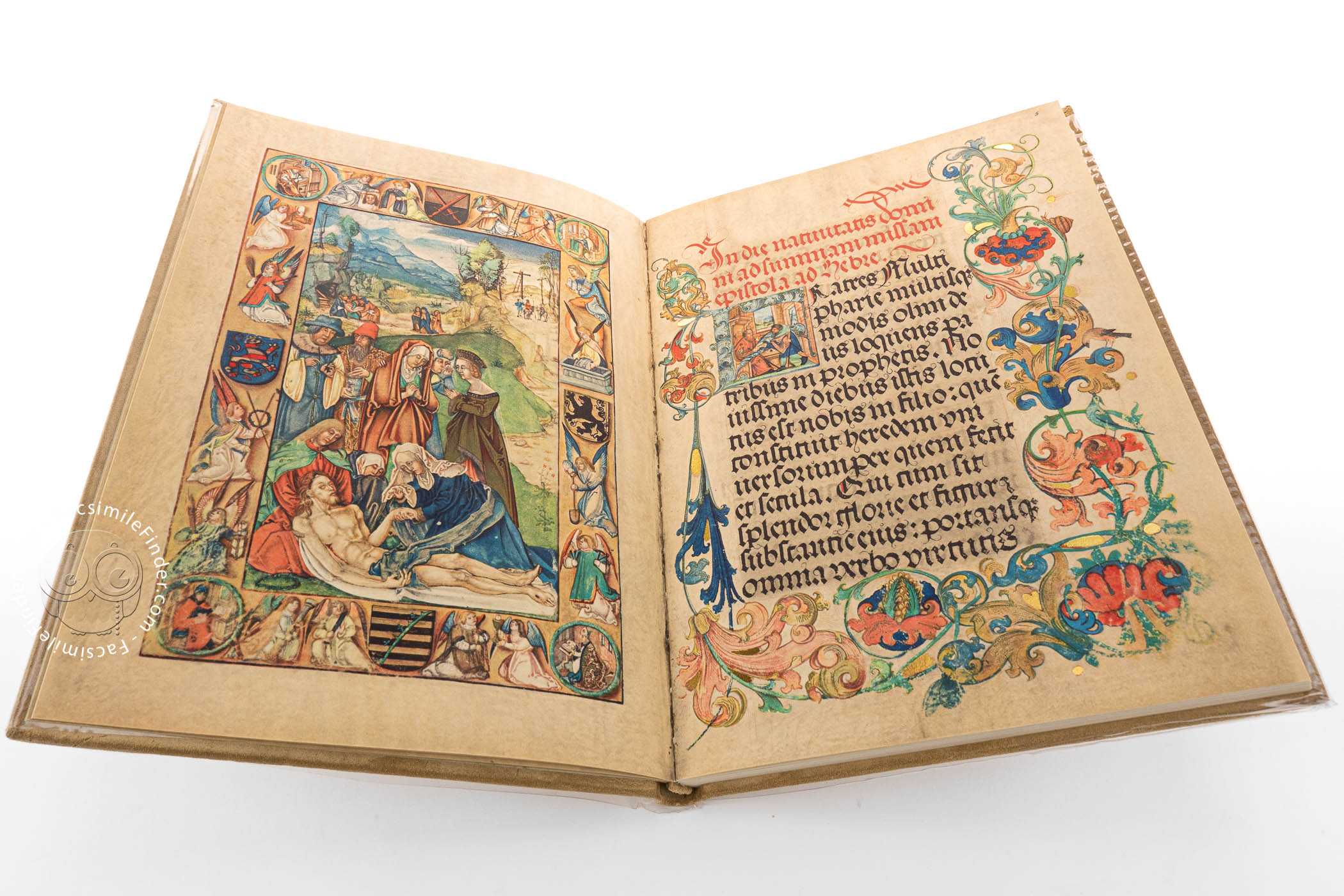
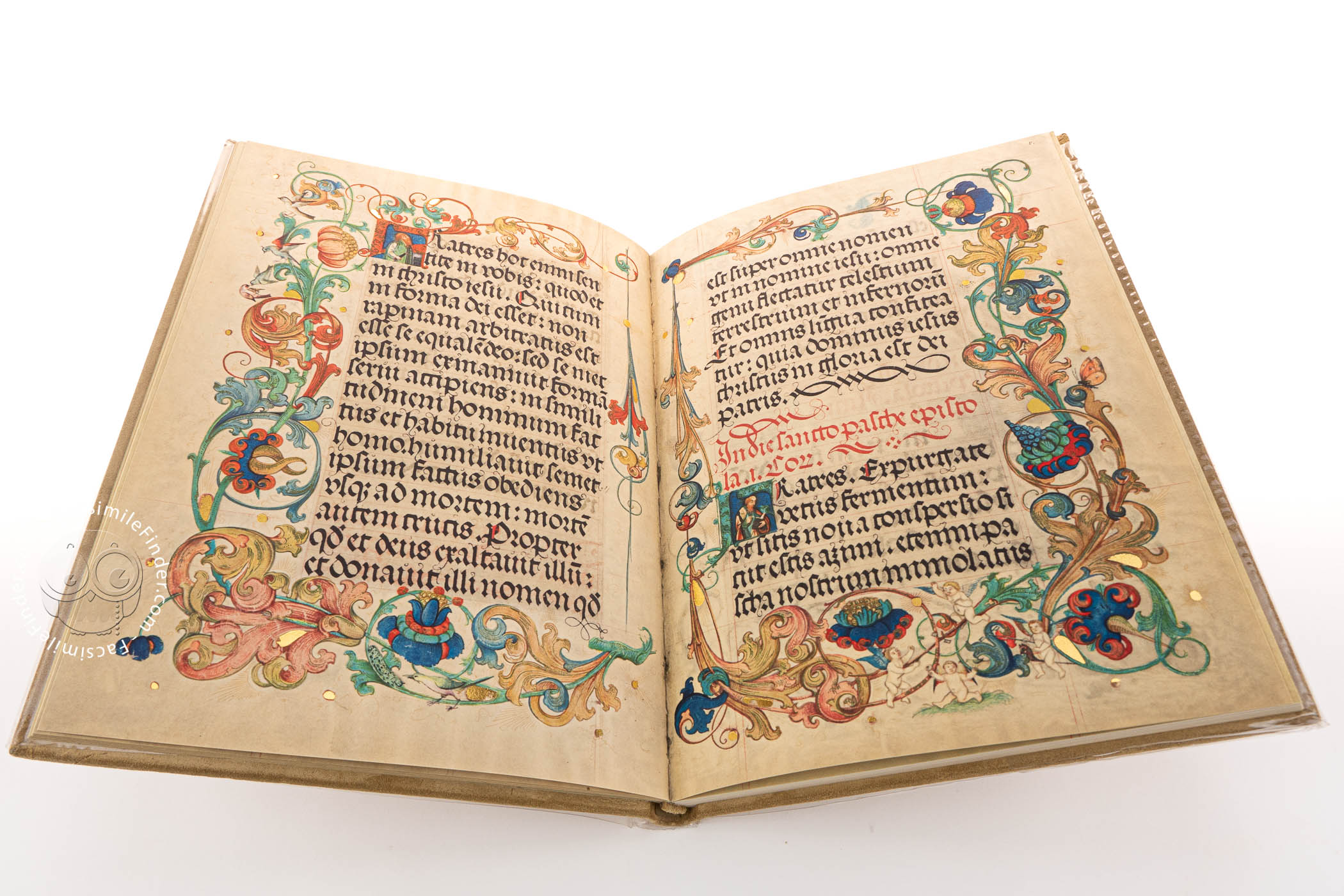

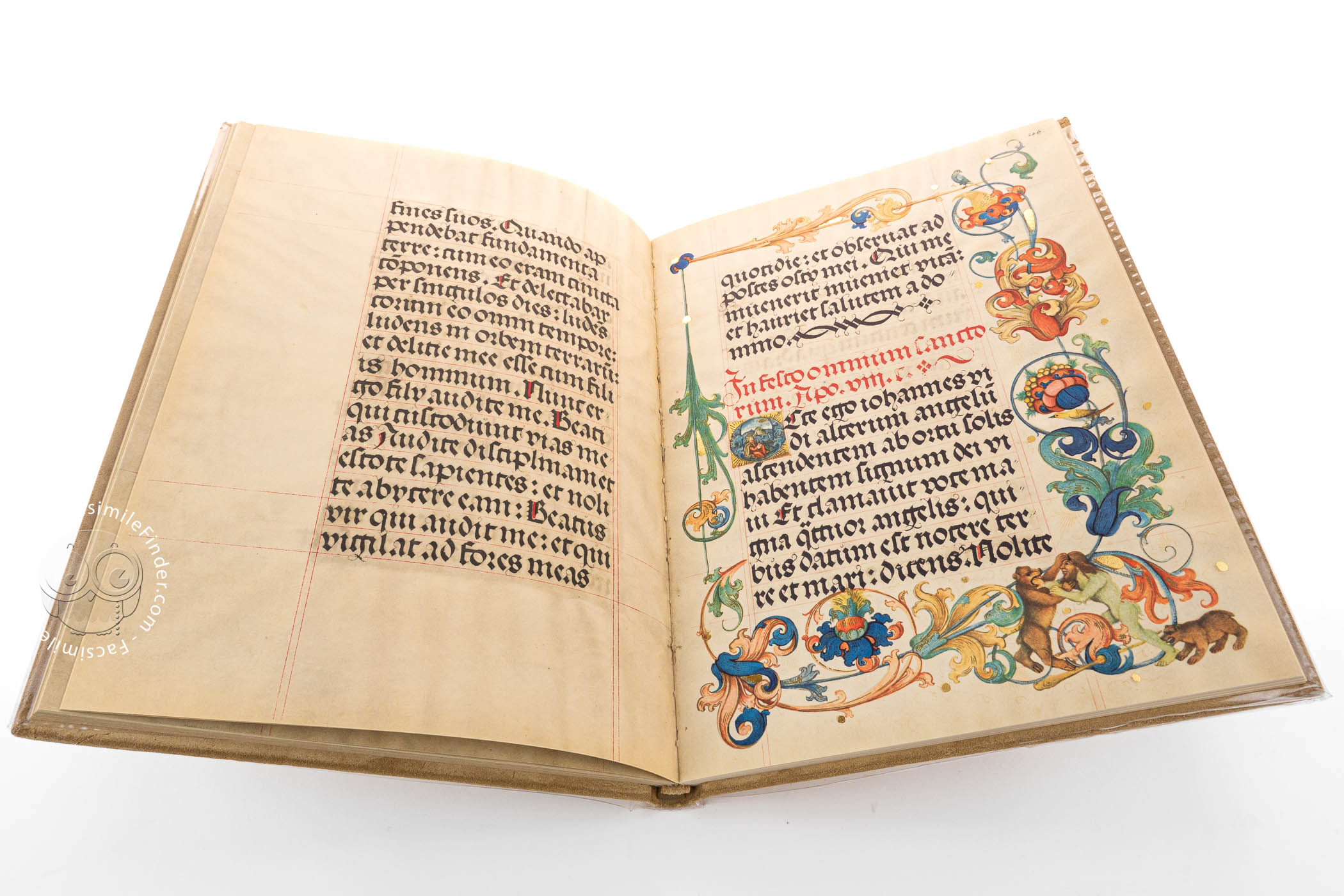
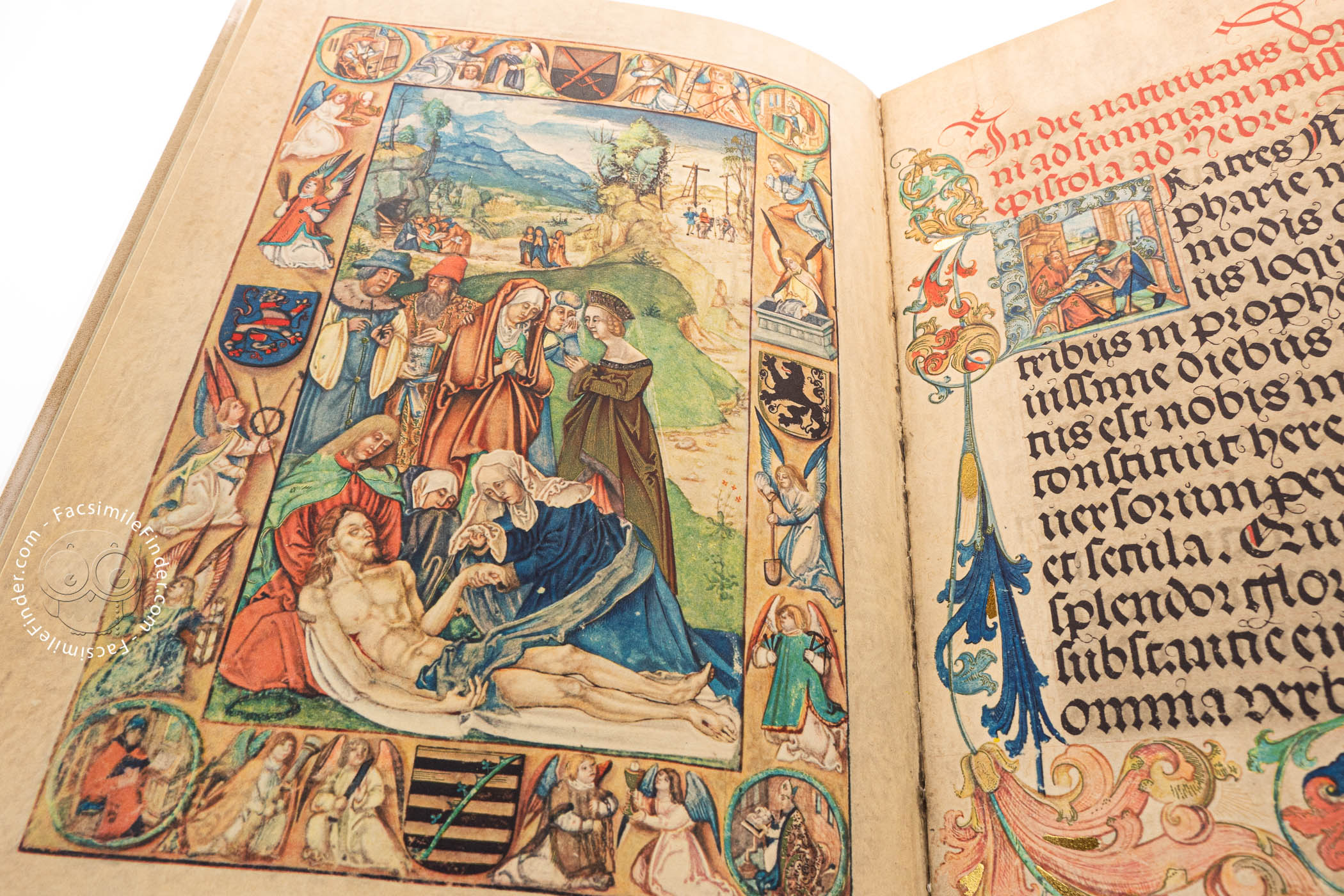
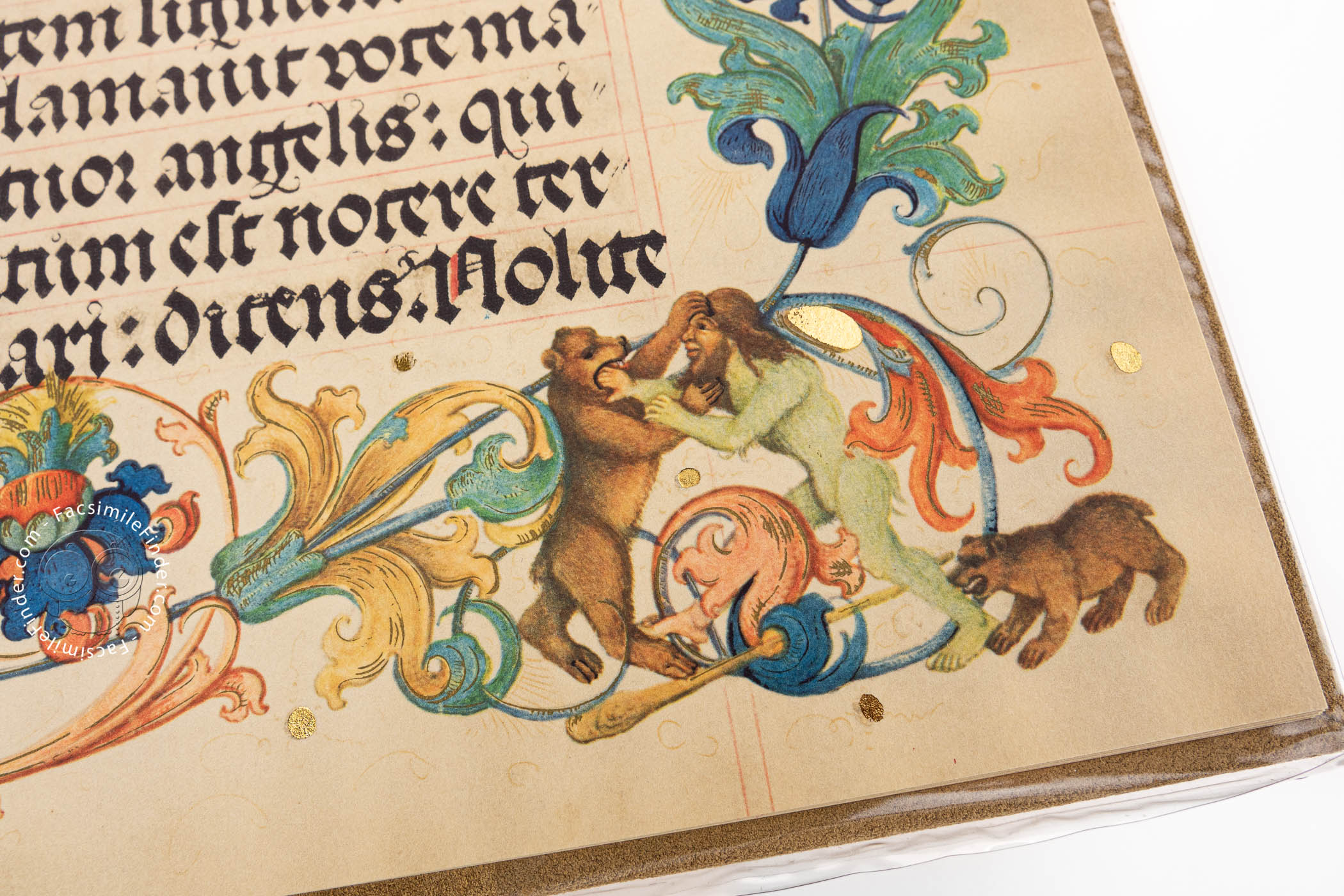
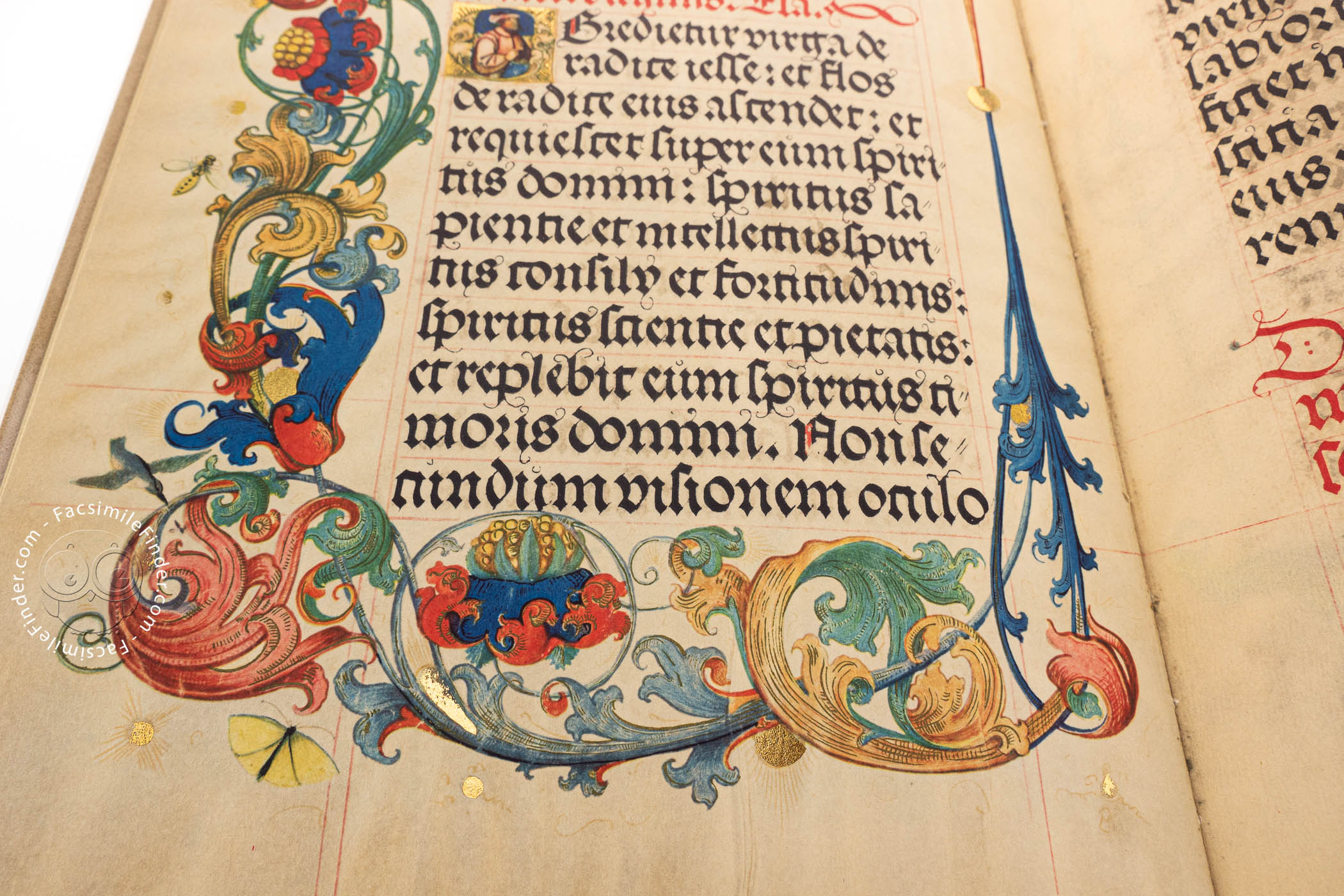
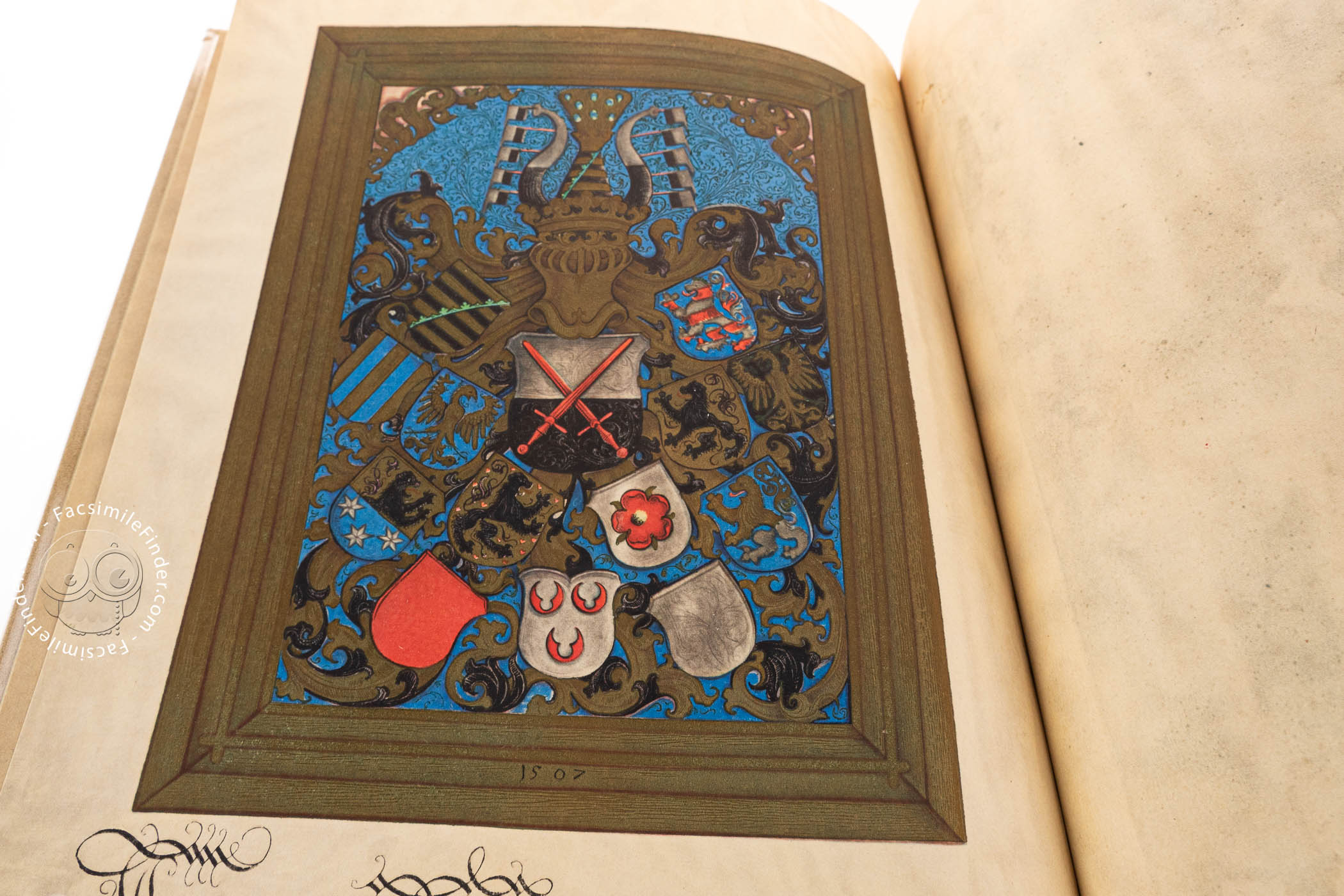
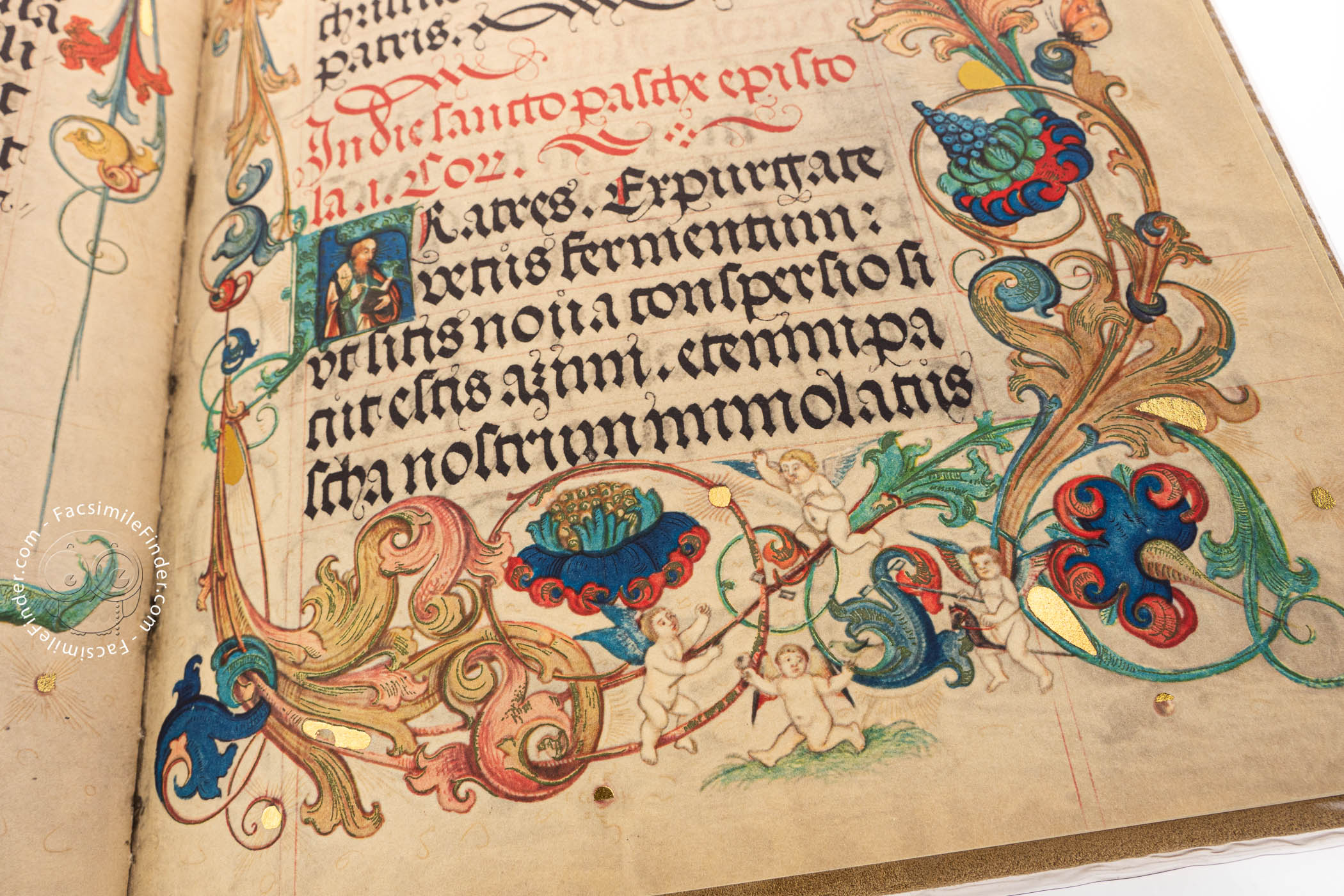


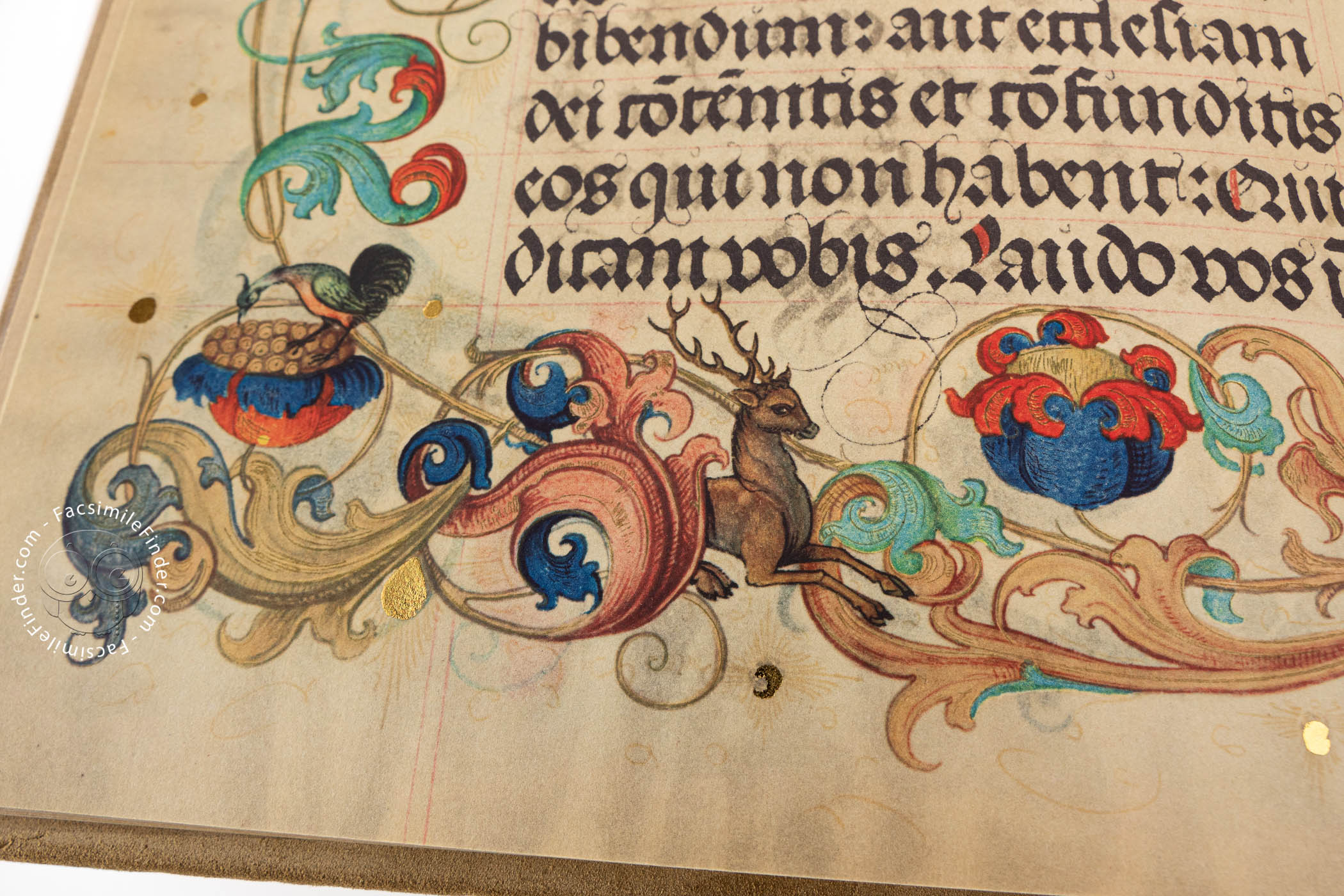

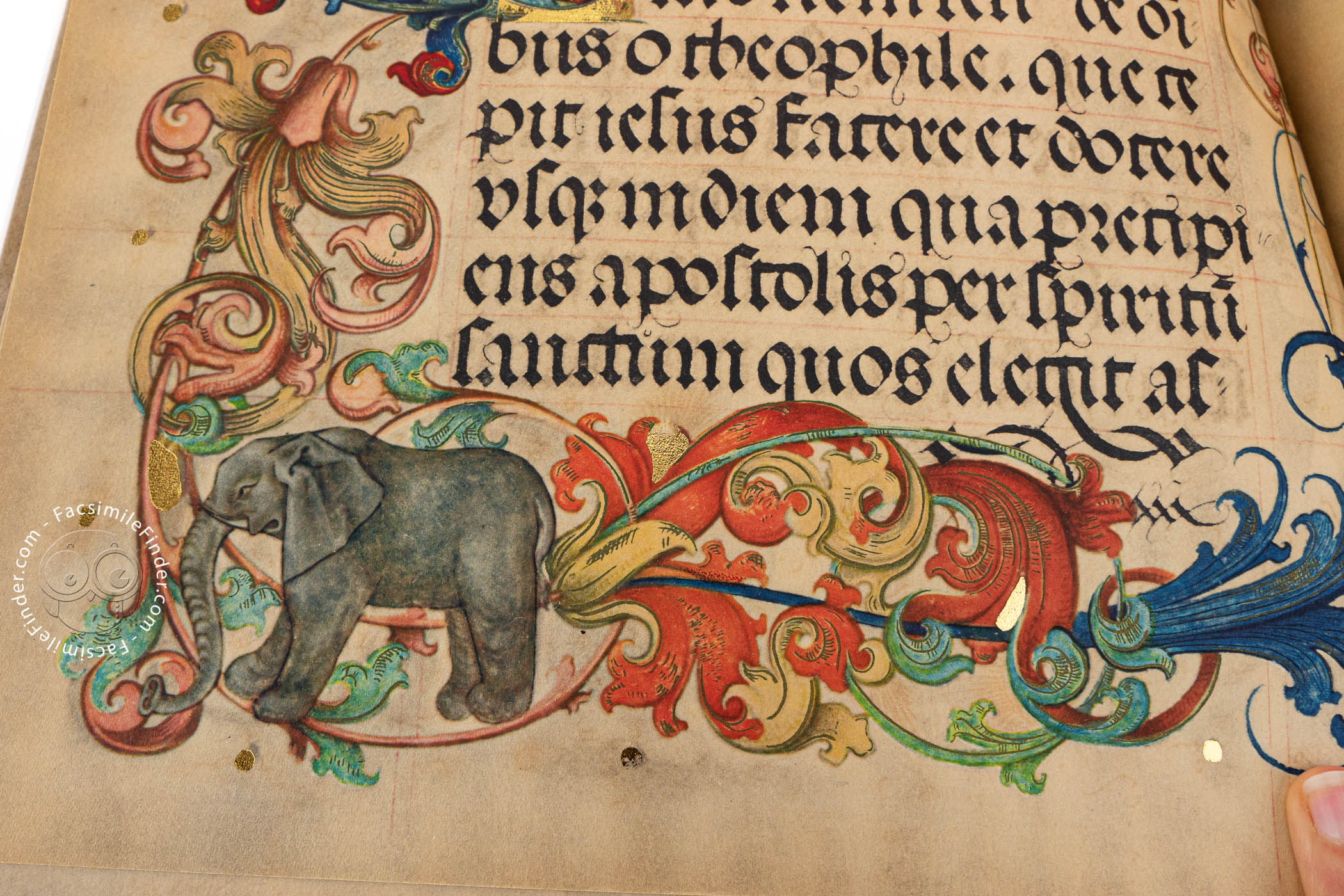
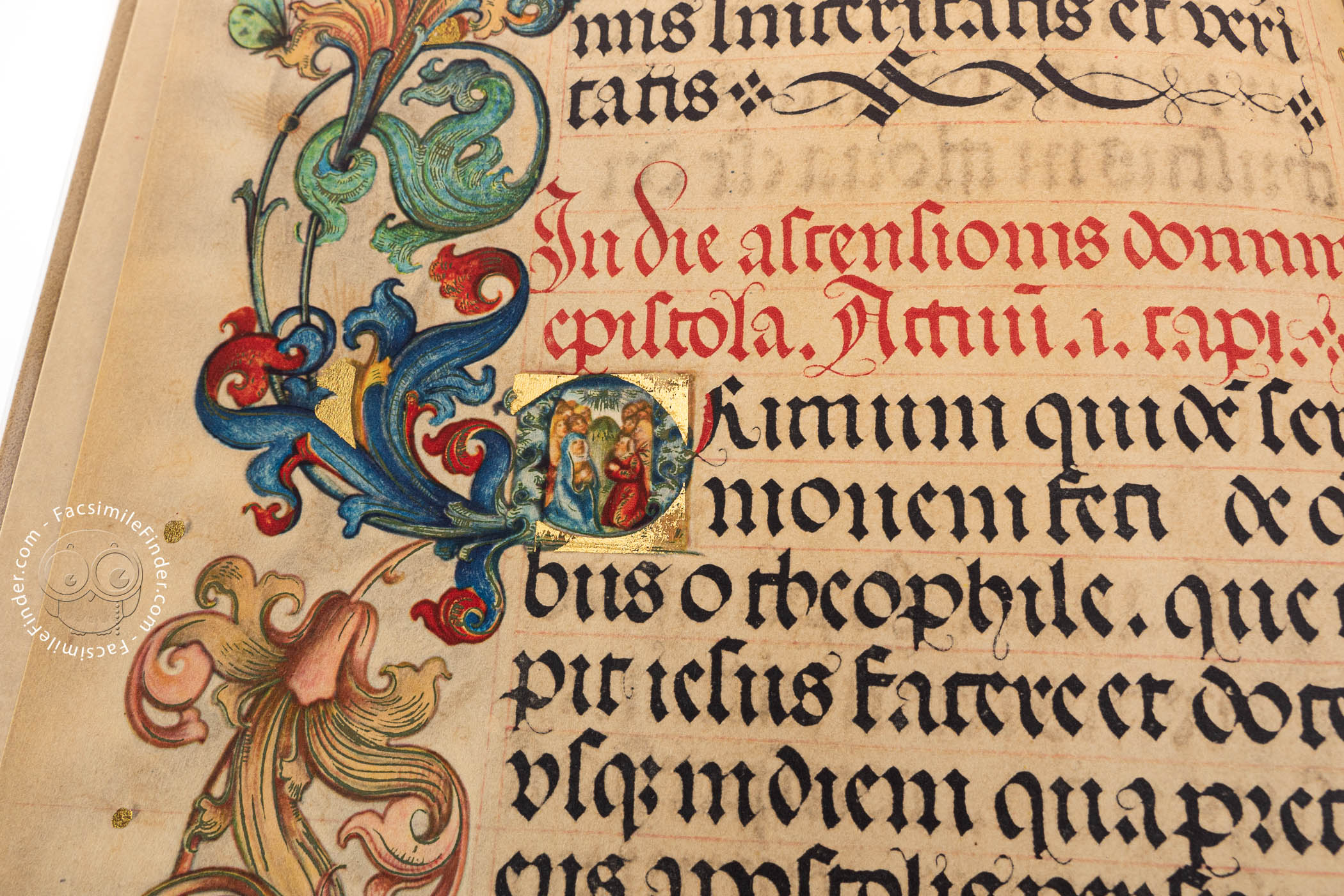
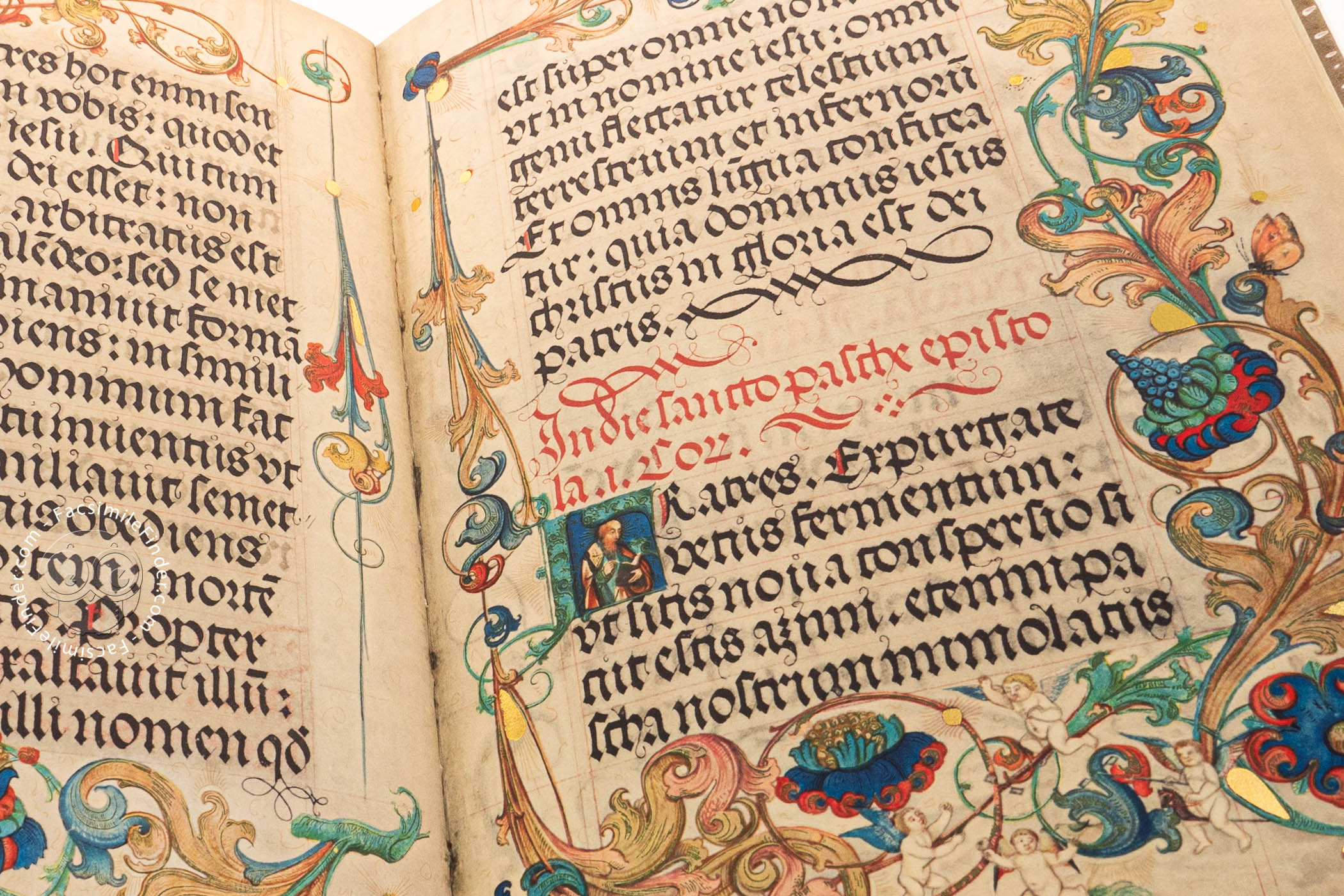
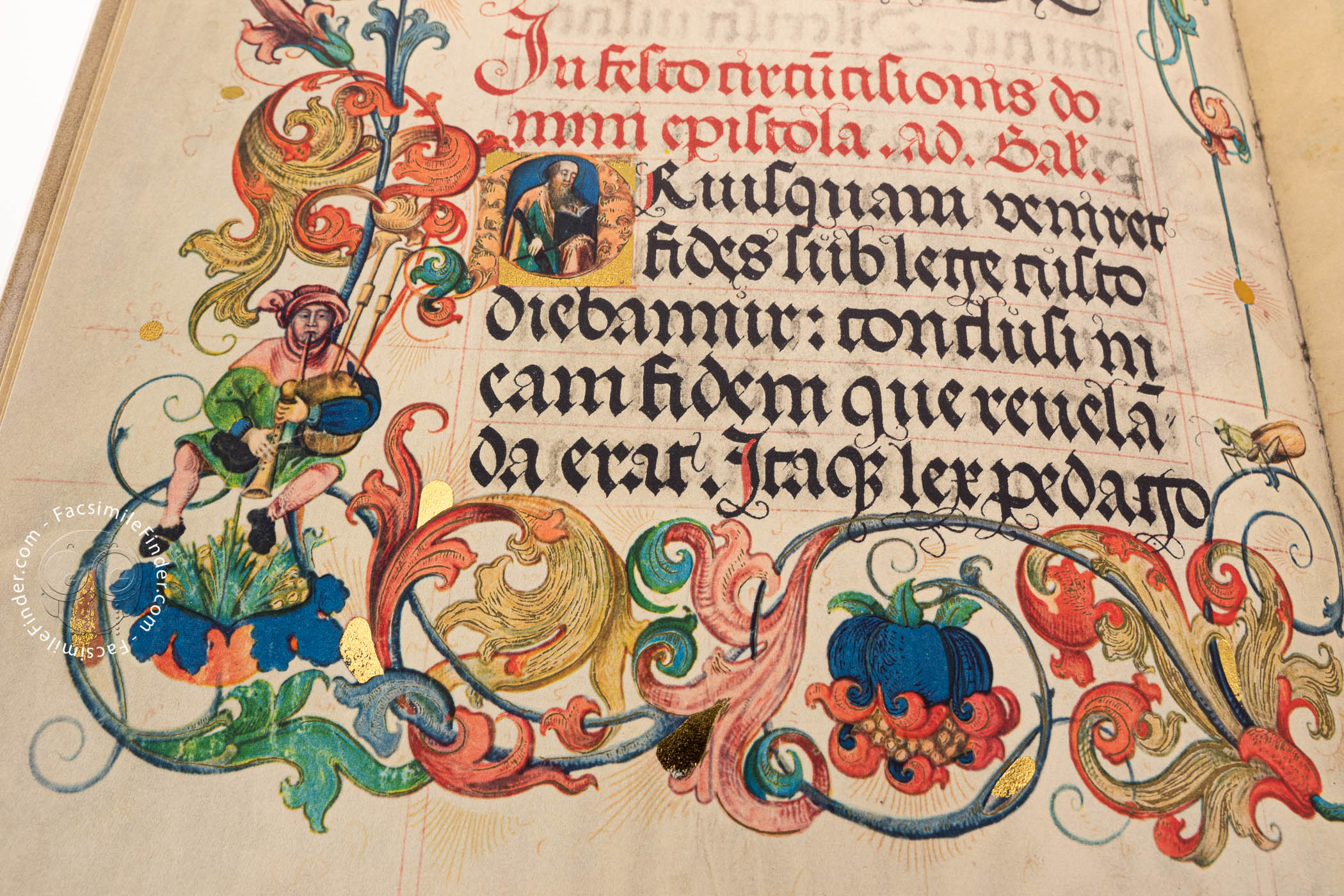



The Epistolary of Frederick the Wise contains readings from the Christian Bible for use at Mass. The manuscript opens with full-page coats of arms of the Electorate of Saxony and the book's patron, Frederick III, "the Wise," Elector of Saxony. Made between 1507 and 1509 in Nuremberg, the manuscript boasts a full-page miniature of the Lamentation, seventeen historiated initials, and painted borders of lush foliage in which bears, peacocks, and humans romp, all the work of Jacob Elsner and his workshop.
The epistle readings at Mass are taken from the New Testament letters of Saint Paul, as well as other New Testament books and proverbial and prophetic books of the Old Testament. This variety is reflected among the Epistolary's contents.
Jacob Elsner, Portrait Painter and Illuminator
Jacob Elsner is better remembered as a portrait painter than as an illuminator, but his work as a manuscript painter active in Nuremberg is well documented. His work is found in five liturgical volumes, including the Kress Missal (Nuremberg, Germanisches Nationalmuseum, MS 113264) and the two-volume gradual known as the Geese Book (New York, Morgan Library & Museum, MS M.909).
Reflections of Fifteenth-Century Prints
Elsner's full-page miniature of the Lamentation relies on a composition of the same subject in a woodcut published by Albrecht Dürer (1471-1528) in 1498/99 (fol. 4v). Indeed, it was common for German illuminators of the period to draw inspiration from woodcuts and engravings of the previous half century. In the Epistolary, for example, the initial depicting Saint John the Divine on the island of Patmos is modeled after an engraving by Master E. S., who died in the 1460s (fol. 23r).
Monumental Coats of Arms
The manuscript opens with two full-page miniatures, the first occupied by the arms of the Electorate of Saxony and the second by the personal heraldry of Frederick, which incorporates the shield of the electorate (crossed red swords on a silver and black field) and thirteen more shields, reflecting Frederick's vast power. Frederick, a defender of Martin Luther, remained Roman Catholic until he died in 1525.
Creatures Great and Small
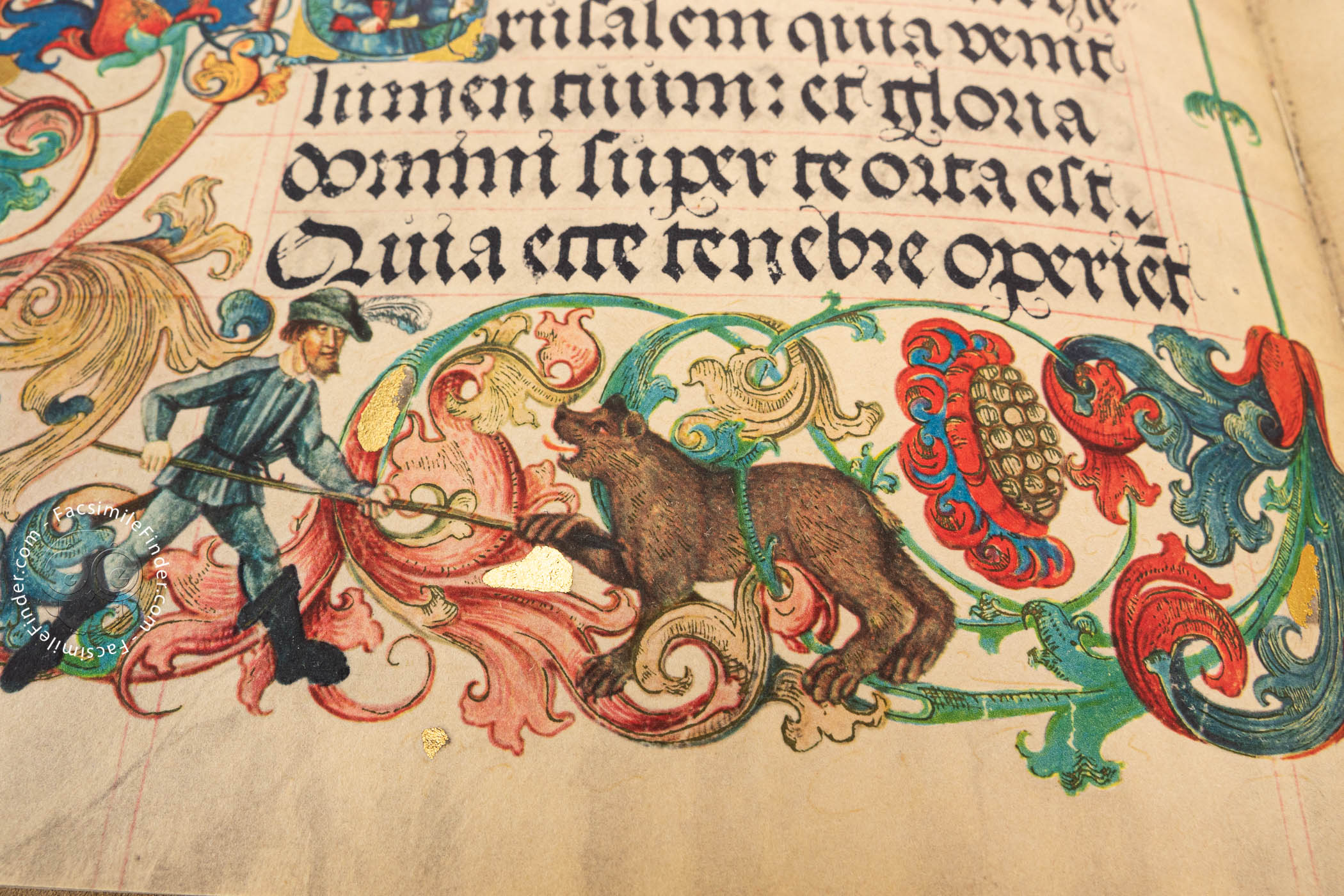
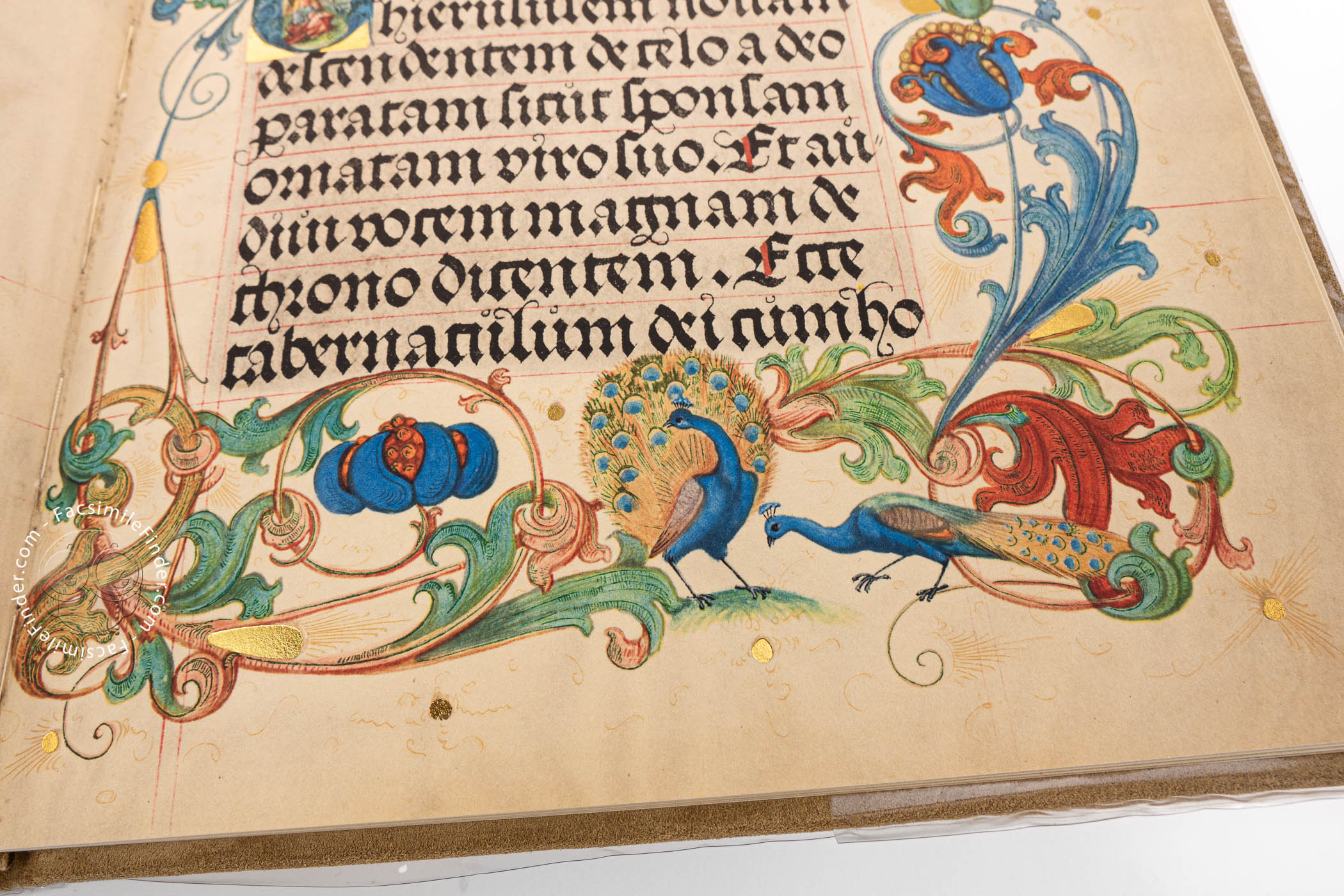
The Epistolary’s border decoration, no less than the figural scenes, draws on motifs borrowed from fifteenth-century prints; the foliage is especially reminiscent of that in prints by Martin Schongauer (d. 1491). The fleshy winding acanthus leaves are occupied by an elephant, a rooster, peacocks, cavorting naked winged infants (putti), a wild man wrestling a bear, and a unicorn hunt.
One of a Pair of Pericope Books
The manuscript is one of a pair, both made for Frederick, of large and elaborately decorated books of biblical pericopes—excerpted texts—for use at Mass on eighteen of the most solemn feast days of the year, with a special focus on feasts associated with the Virgin Mary. Its companion volume presents Gospel readings for the same select group of feasts (Jena, Thüringer Universitäts- und Landesbibliothek Jena, MS EL. F. 1). Two more masses were added to the epistolary early in the manuscript’s history.
A Very Special Binding
The manuscript survives in its original binding of black silk over boards. The front cover features a painting on parchment in a silver-gilt frame; the work of Elsner and based on a drawing by Dürer, it depicts Saint Paul enthroned. The cover also features silver-gilt reliefs of four Church Fathers and enamel coats of arms associated with Frederick.
The manuscript may have left Nuremberg as early as 1536. It was at the Franciscan monastery in Weimar by 1547, whence it was transferred to the Dominican monastery in Jena and then the university library.
We have 4 facsimiles of the manuscript "Epistolary of Frederick the Wise":
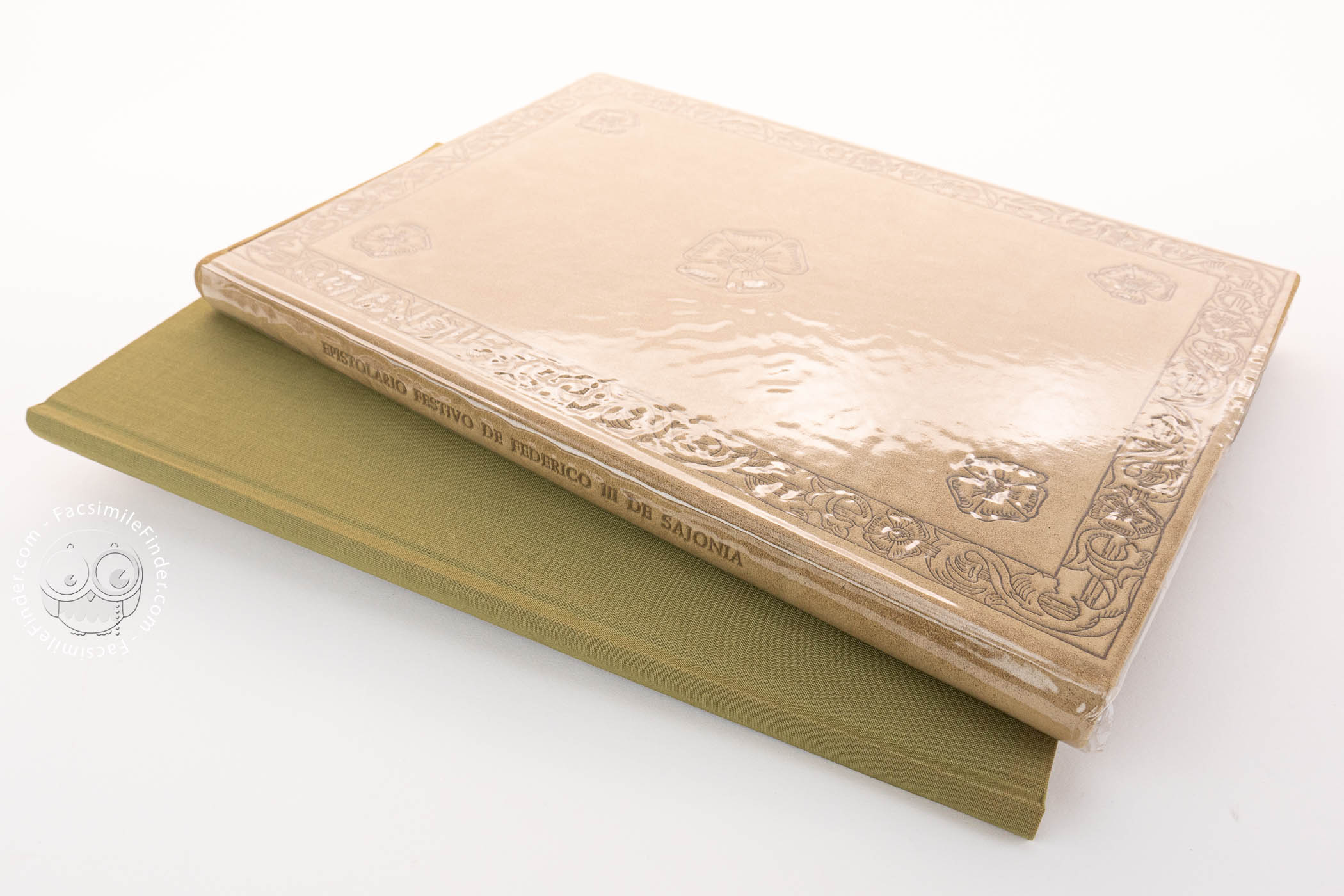
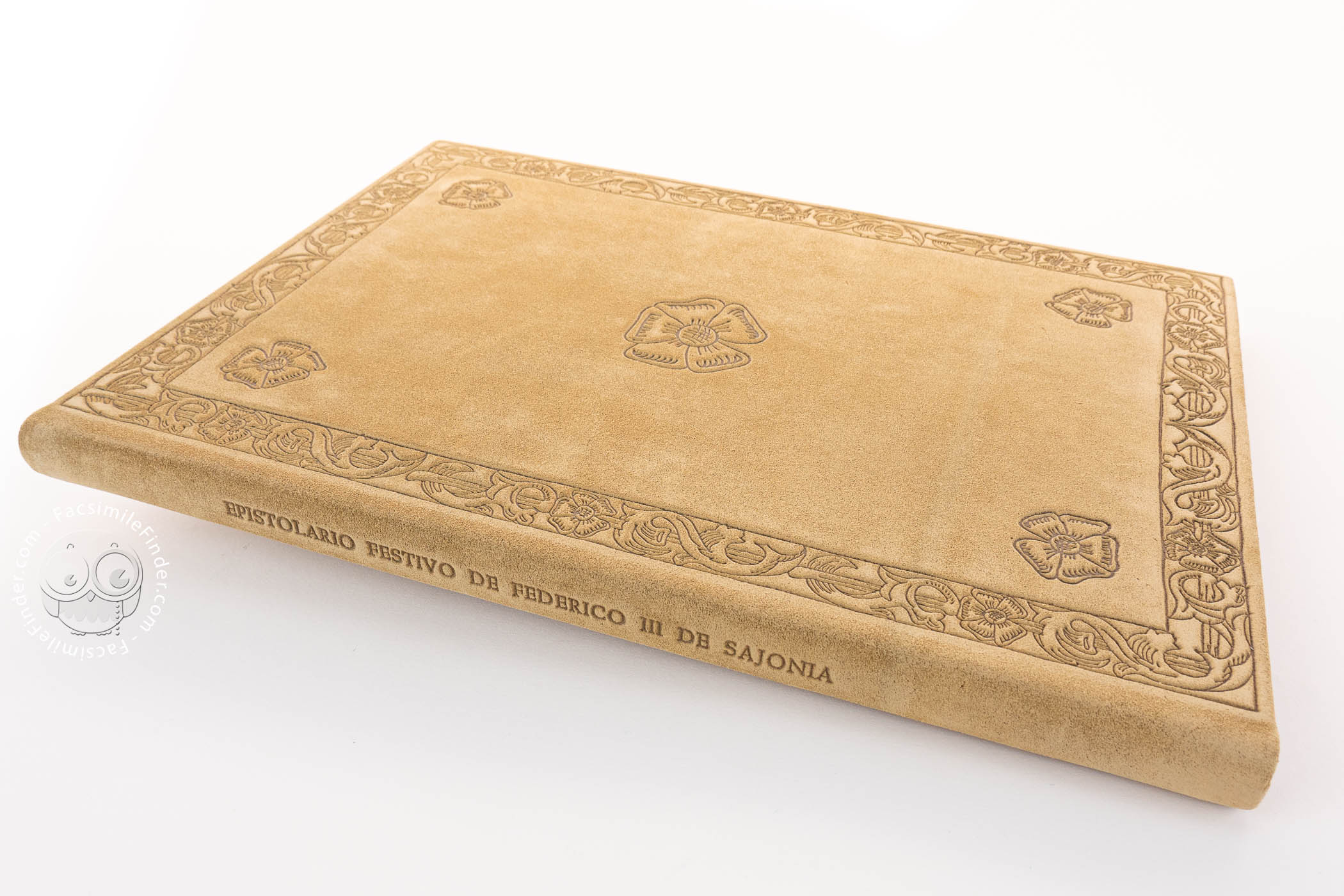
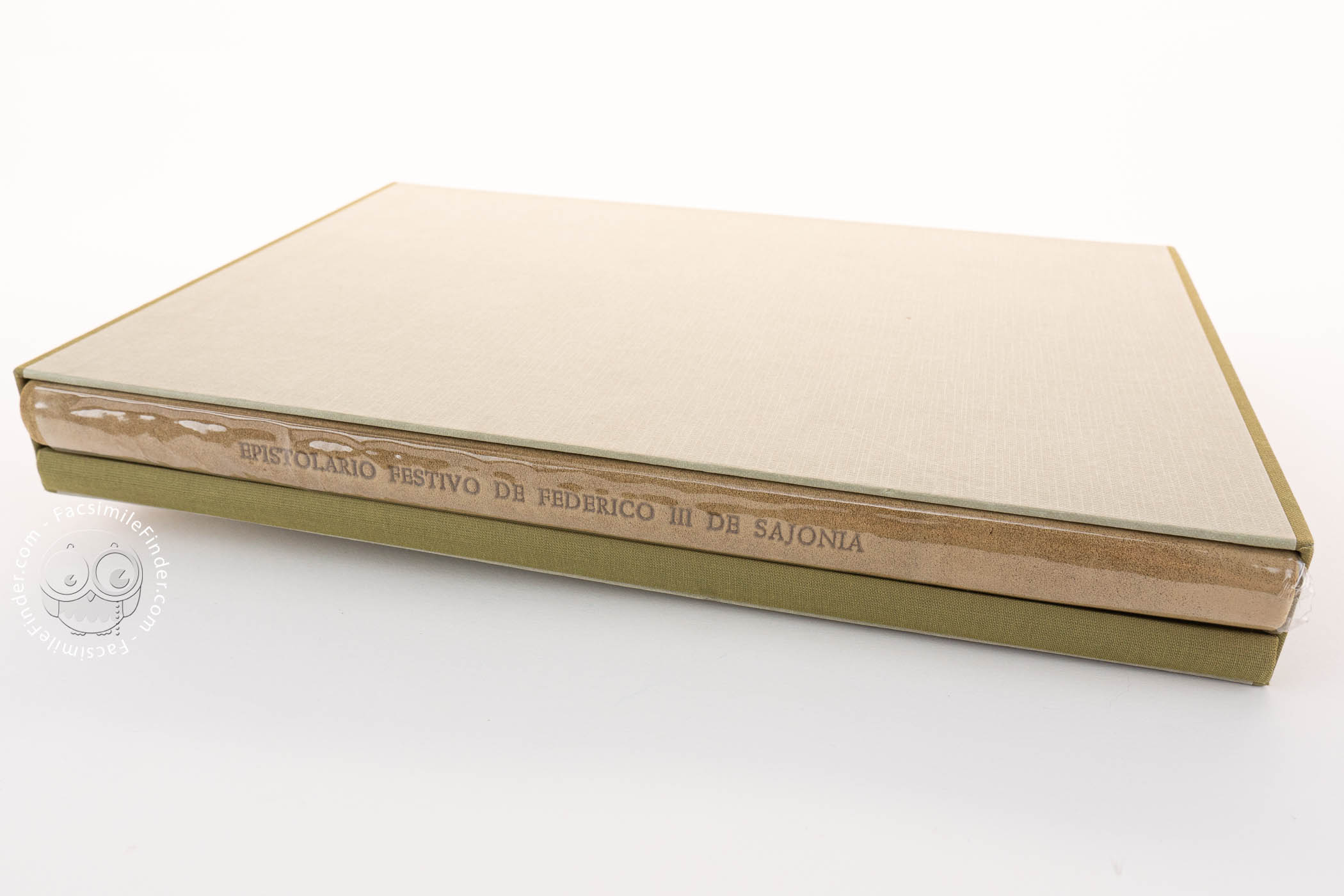
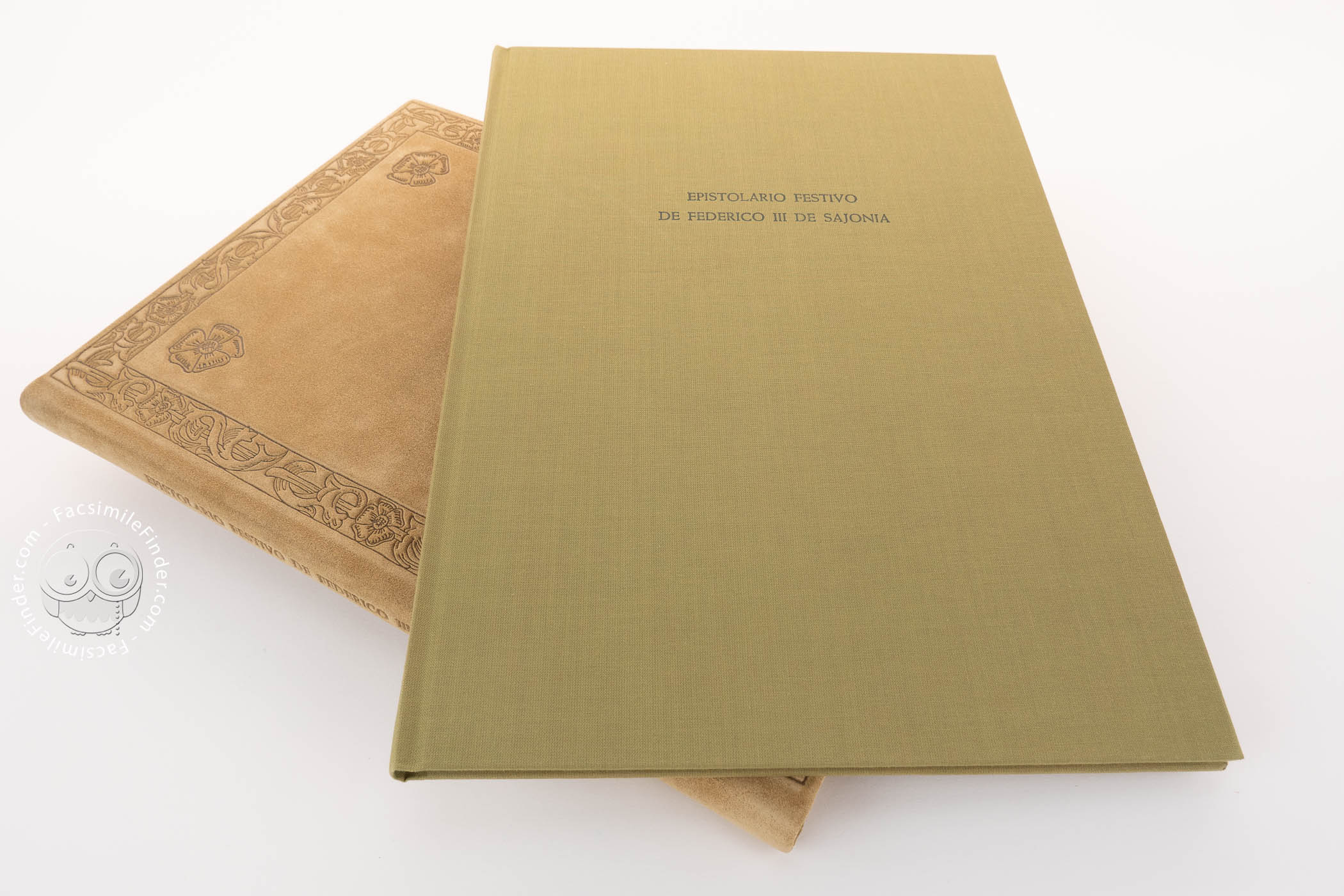
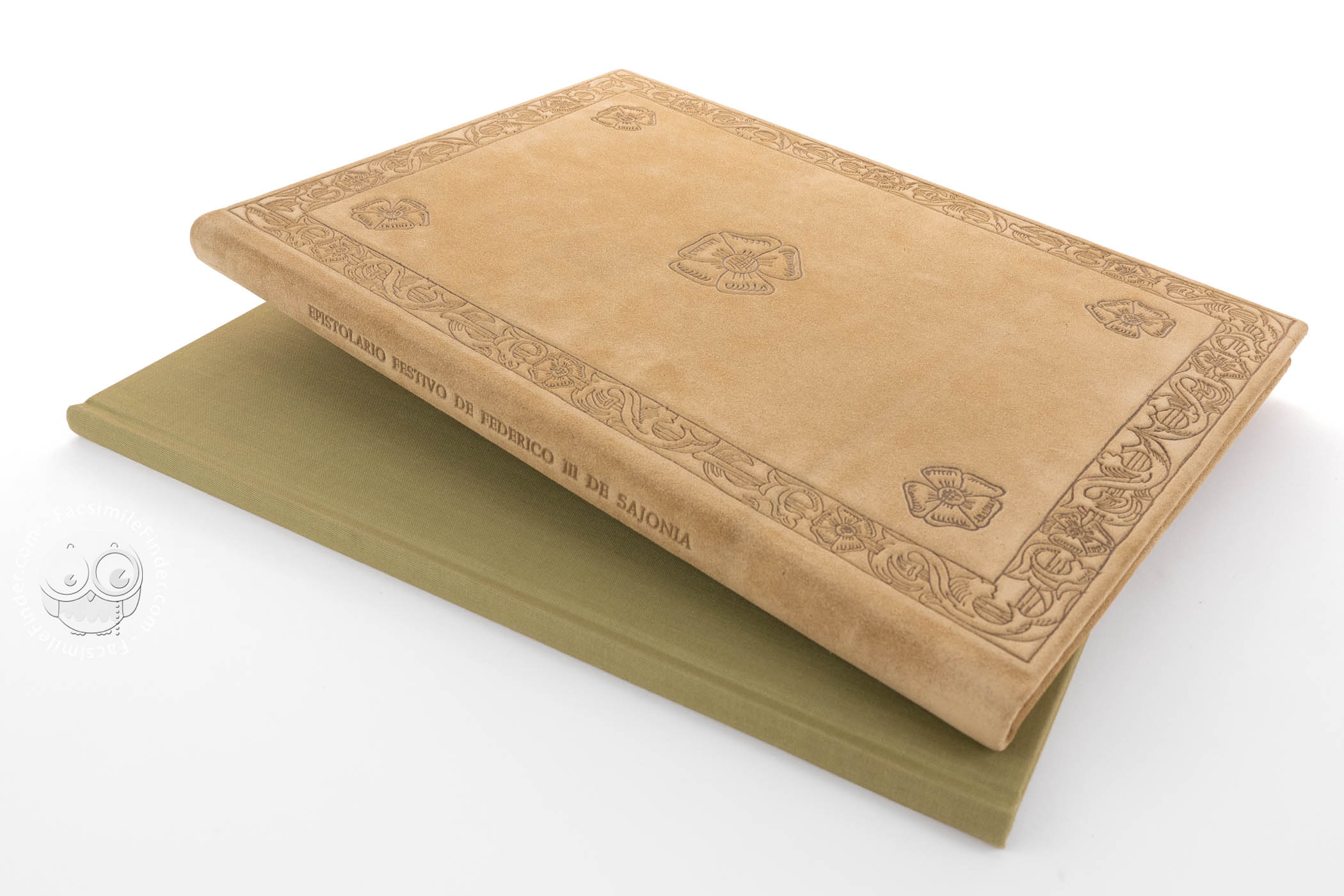
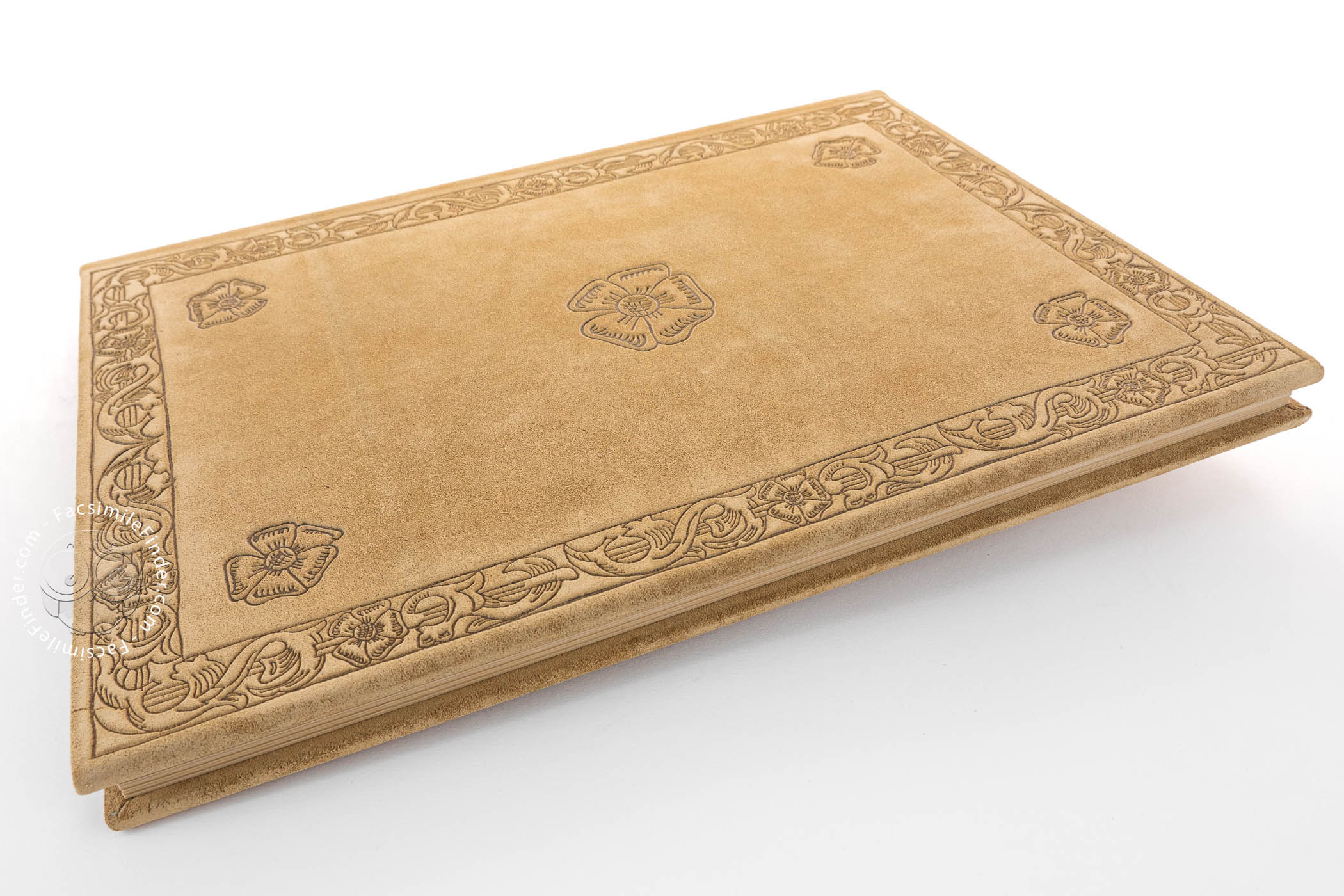
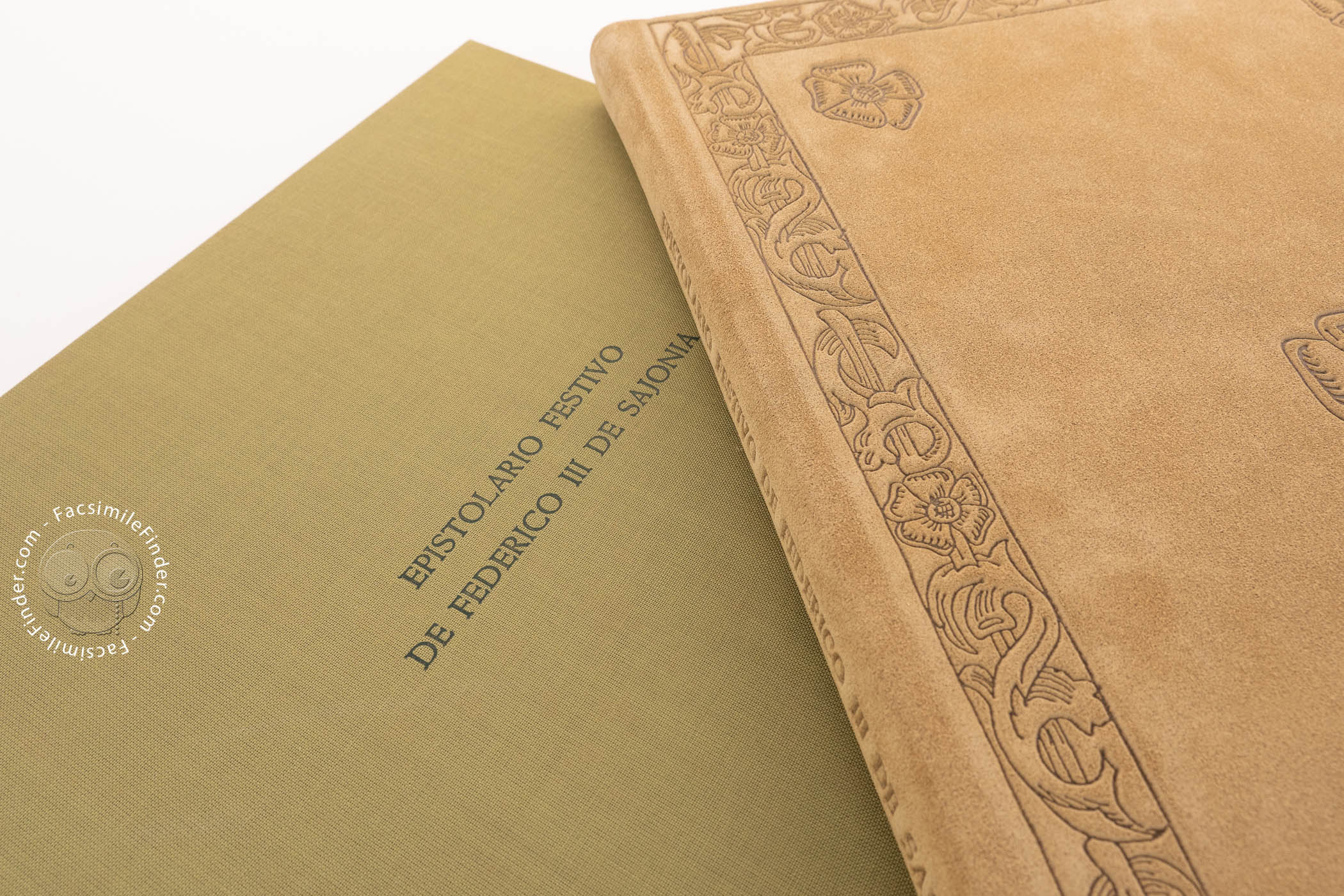
- Epistolario Festivo de Federico III de Sajonia facsimile edition published by Edition Leipzig, 1989
- Fest-Epistolar Friedrichs des Weisen (Original Binding) facsimile edition published by Edition Leipzig, 1983
- Fest-Epistolar Friedrichs des Weisen (Half-Leather Edition) facsimile edition published by Edition Leipzig, 1983
- Fest-Epistolar Friedrichs des Weisen: Handschrift Ms.EL.F.2 aus dem Bestand der Universitätsbibliothek Jena facsimile edition published by Edition Leipzig, 2005