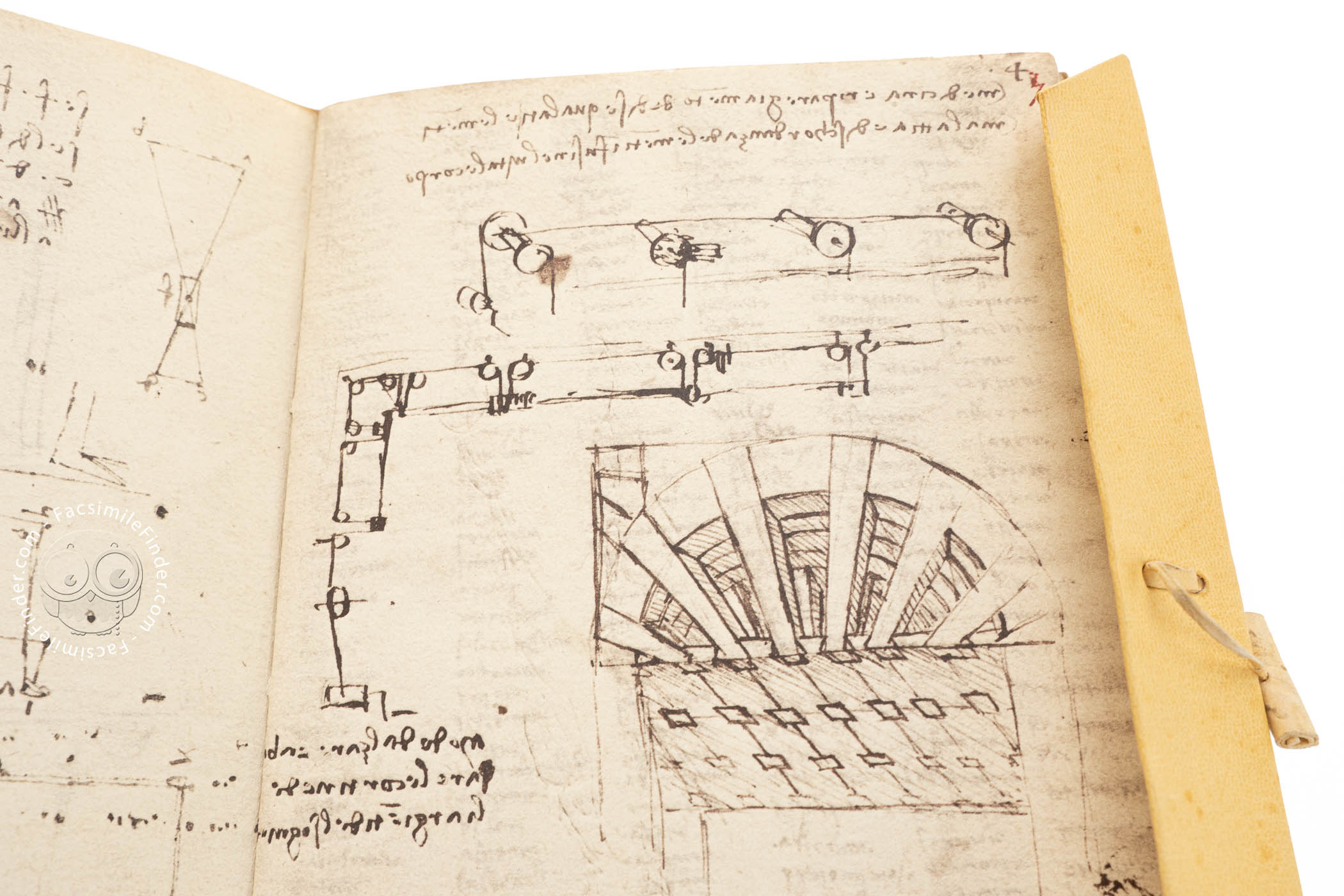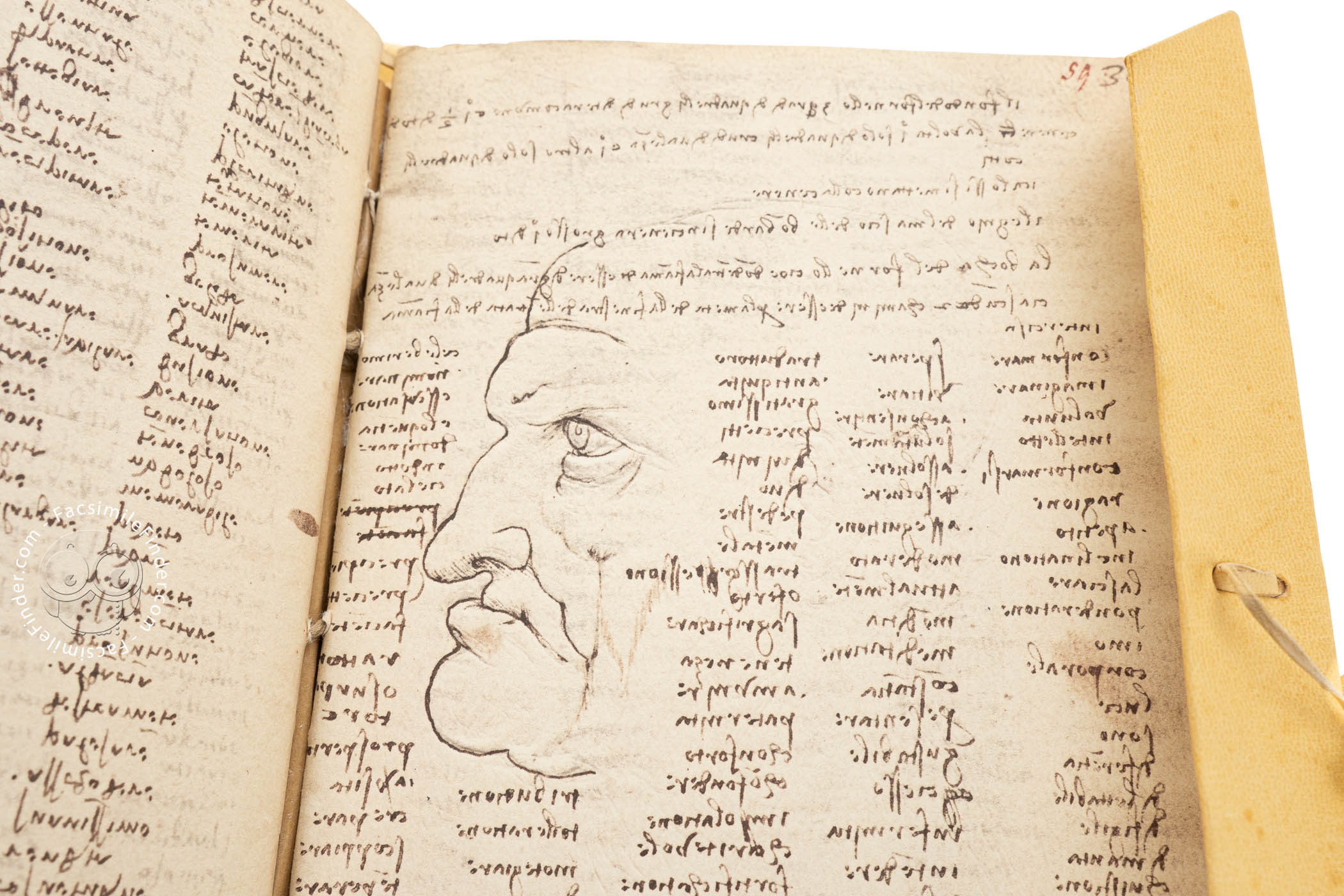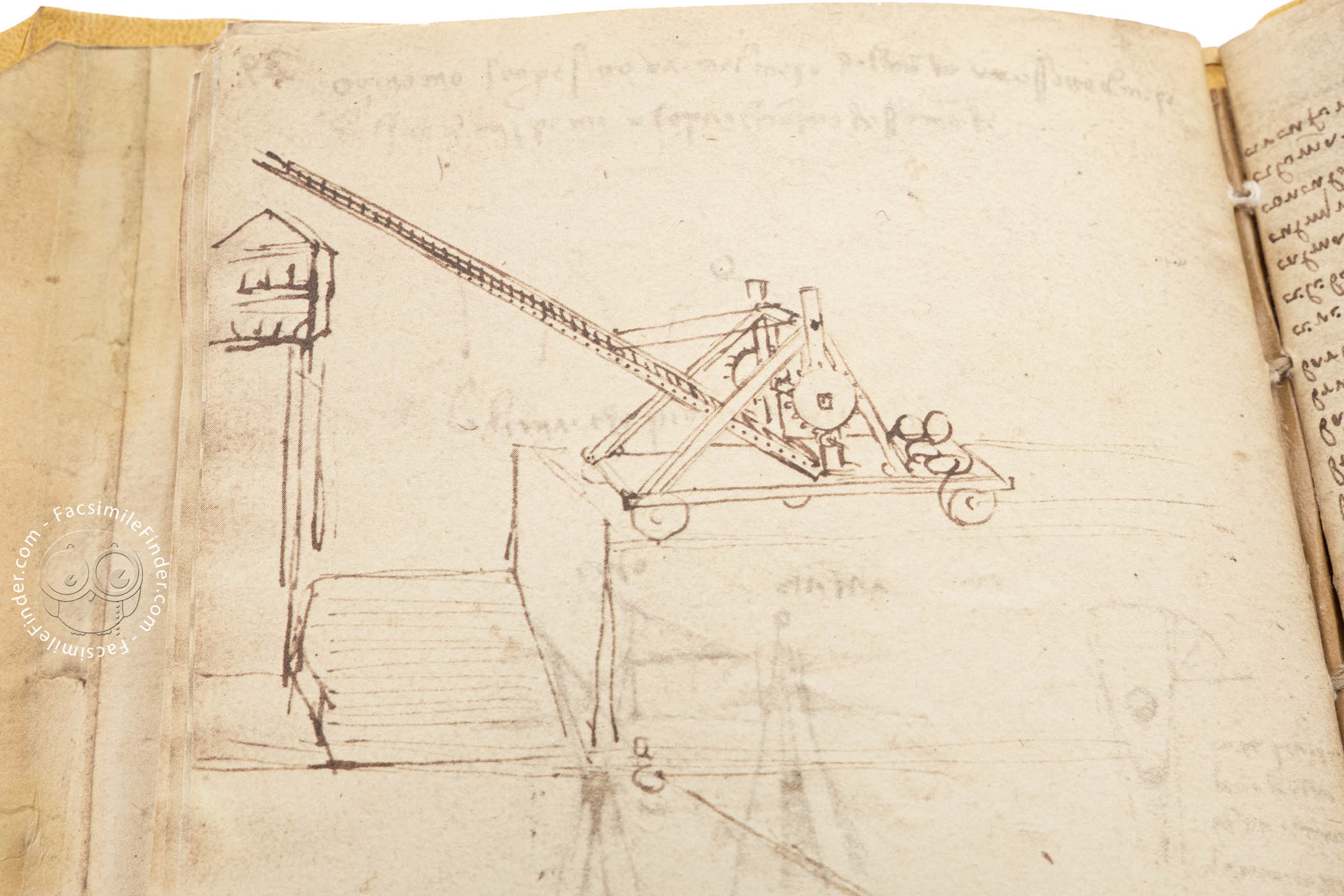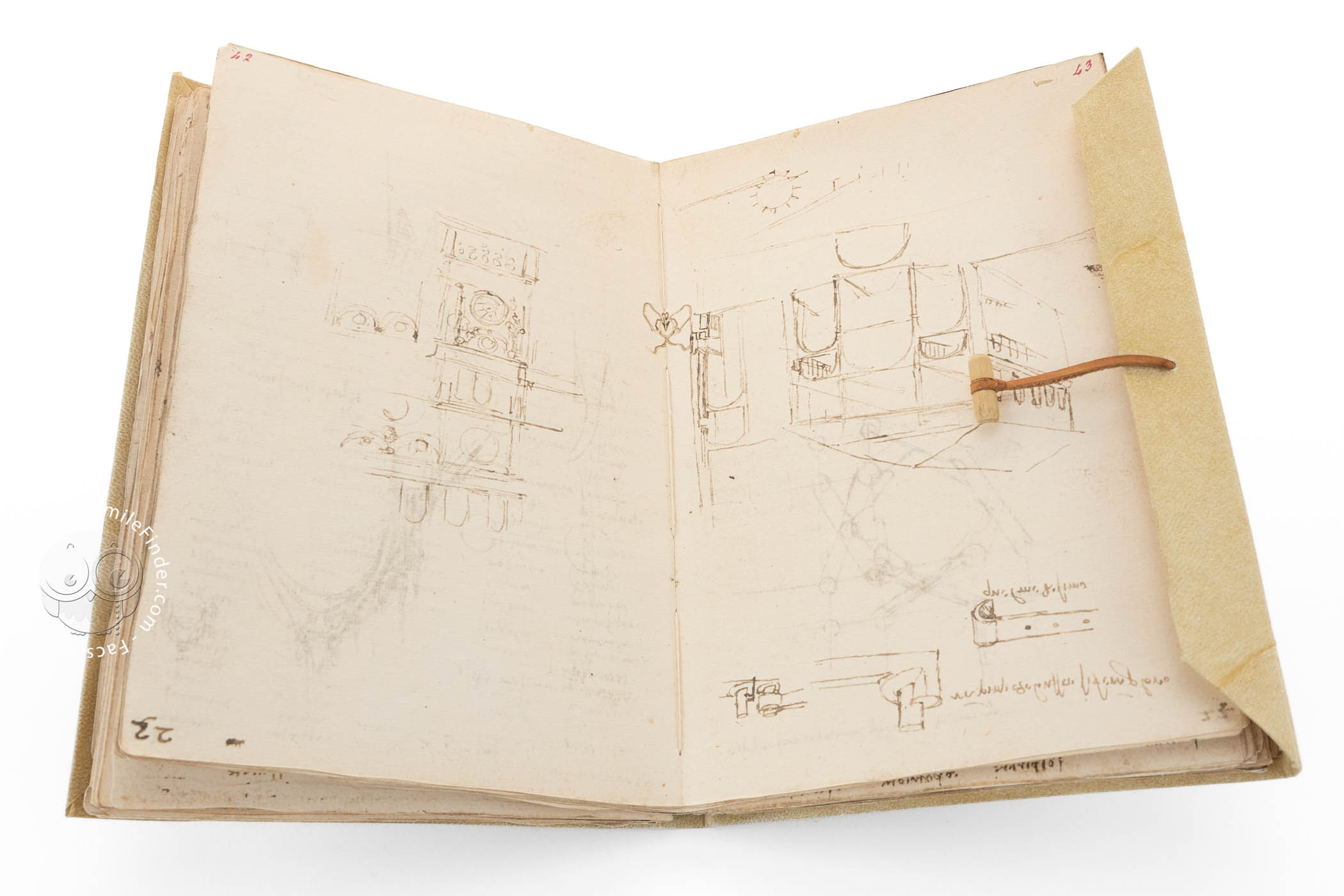


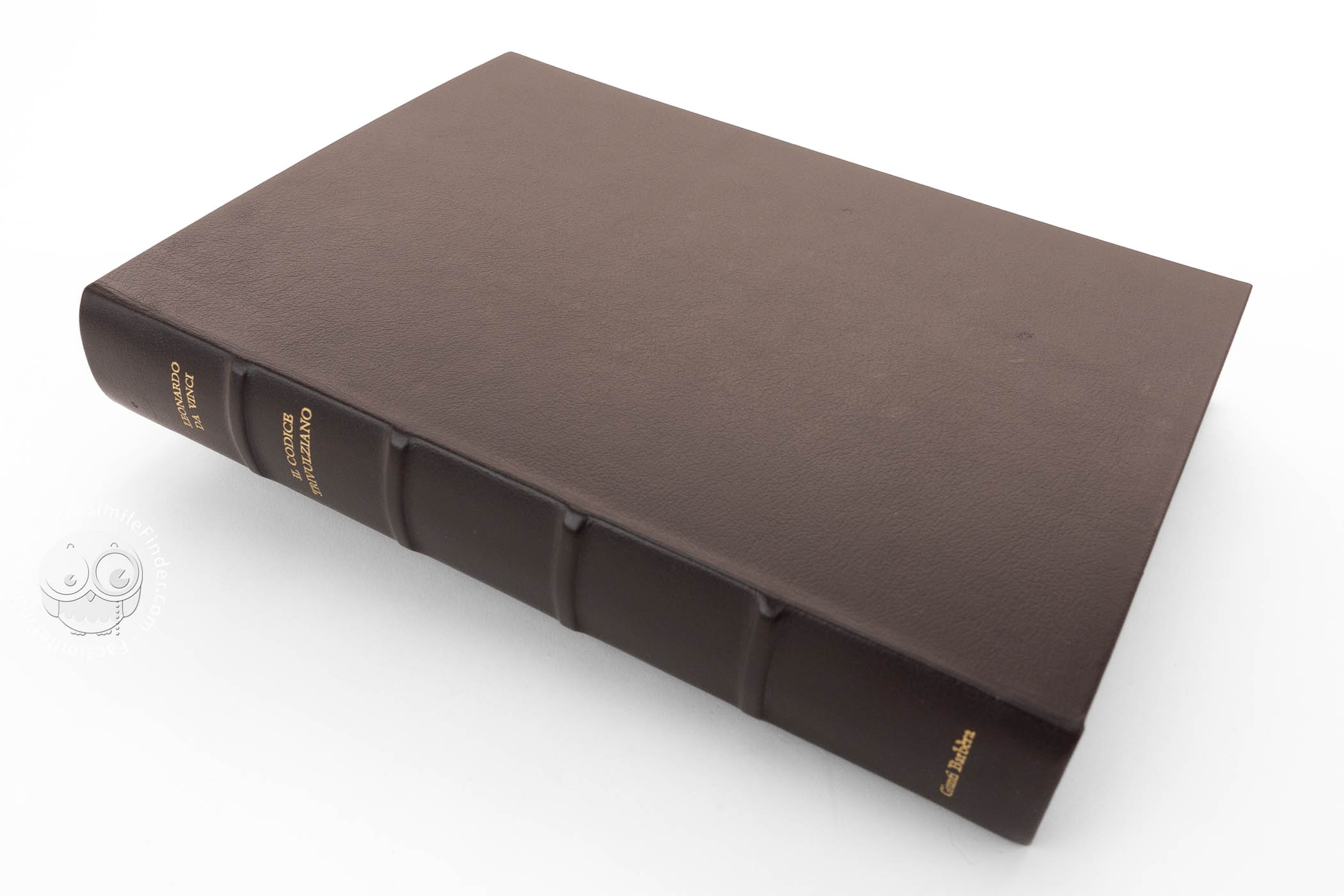
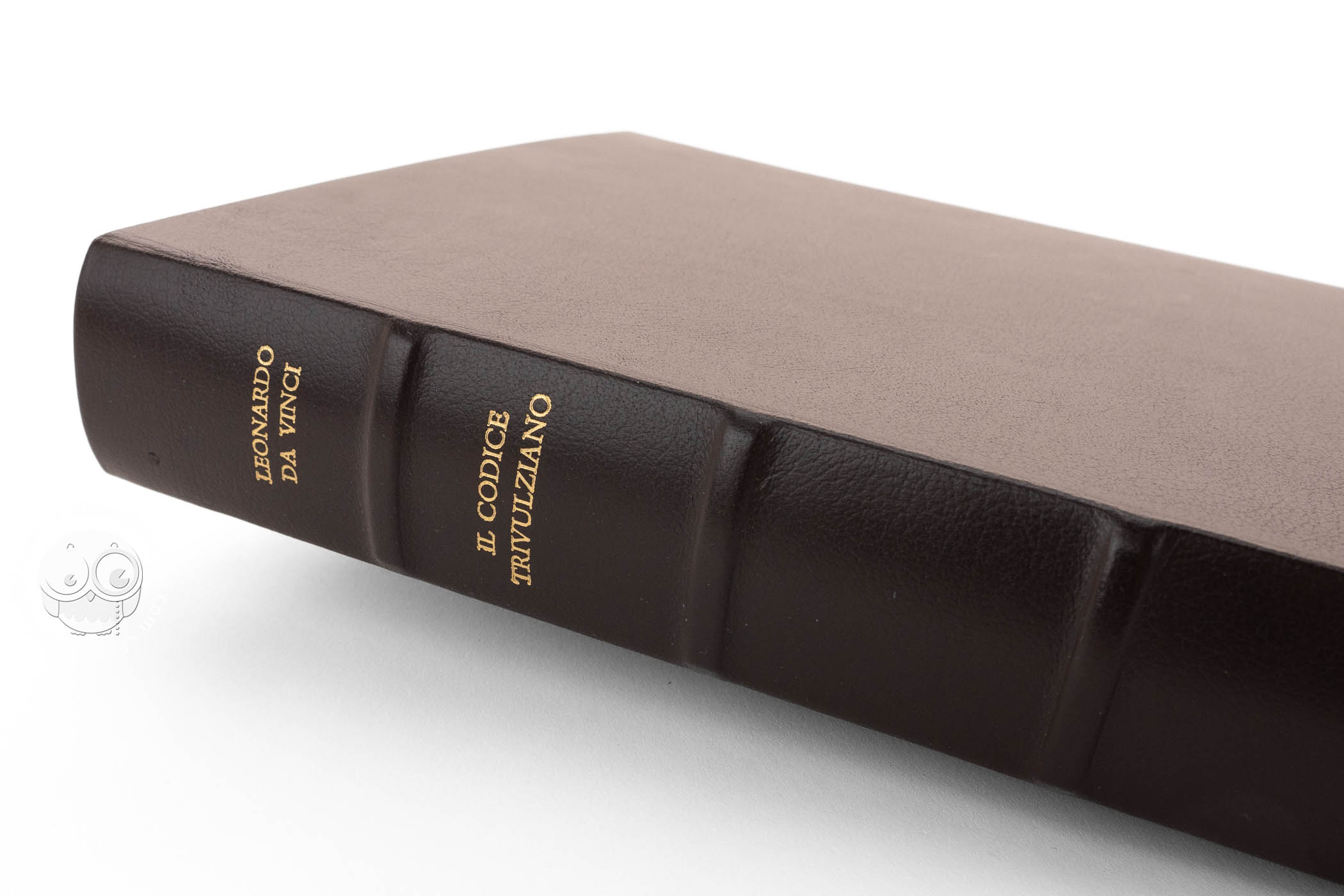

The Codex Trivulzianus is the earliest preserved notebook of Leonardo da Vinci, the revered architect, inventor, painter, and sculptor of the Italian Renaissance. Compiled between 1487 and 1490 in Milan, it includes drawings—including human heads with exaggerated features—and notes on diverse topics. The subjects range from hydraulics to thoughts on love. More than forty pages of Latin words, often densely listed in five columns per page, dominate the book's contents.
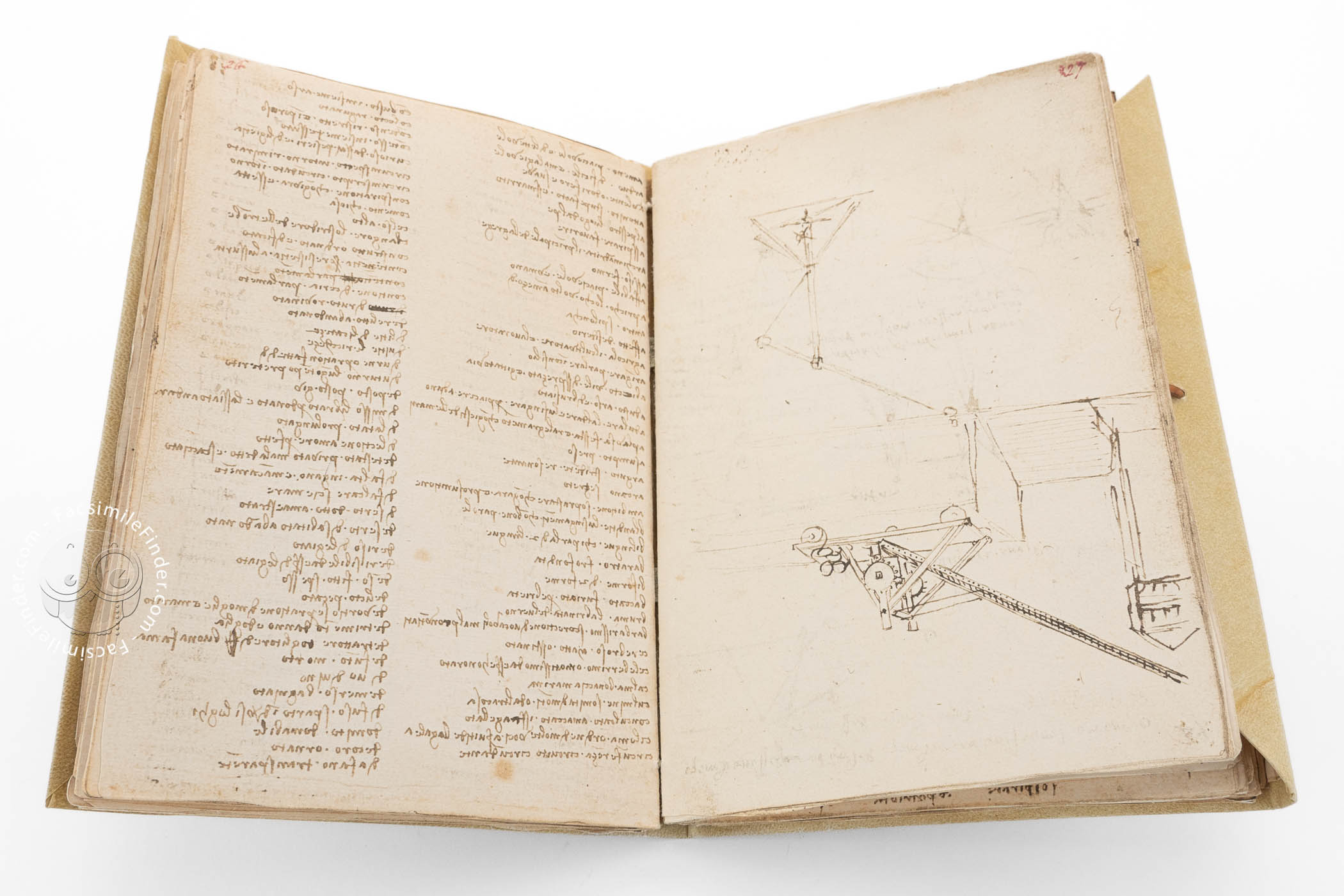
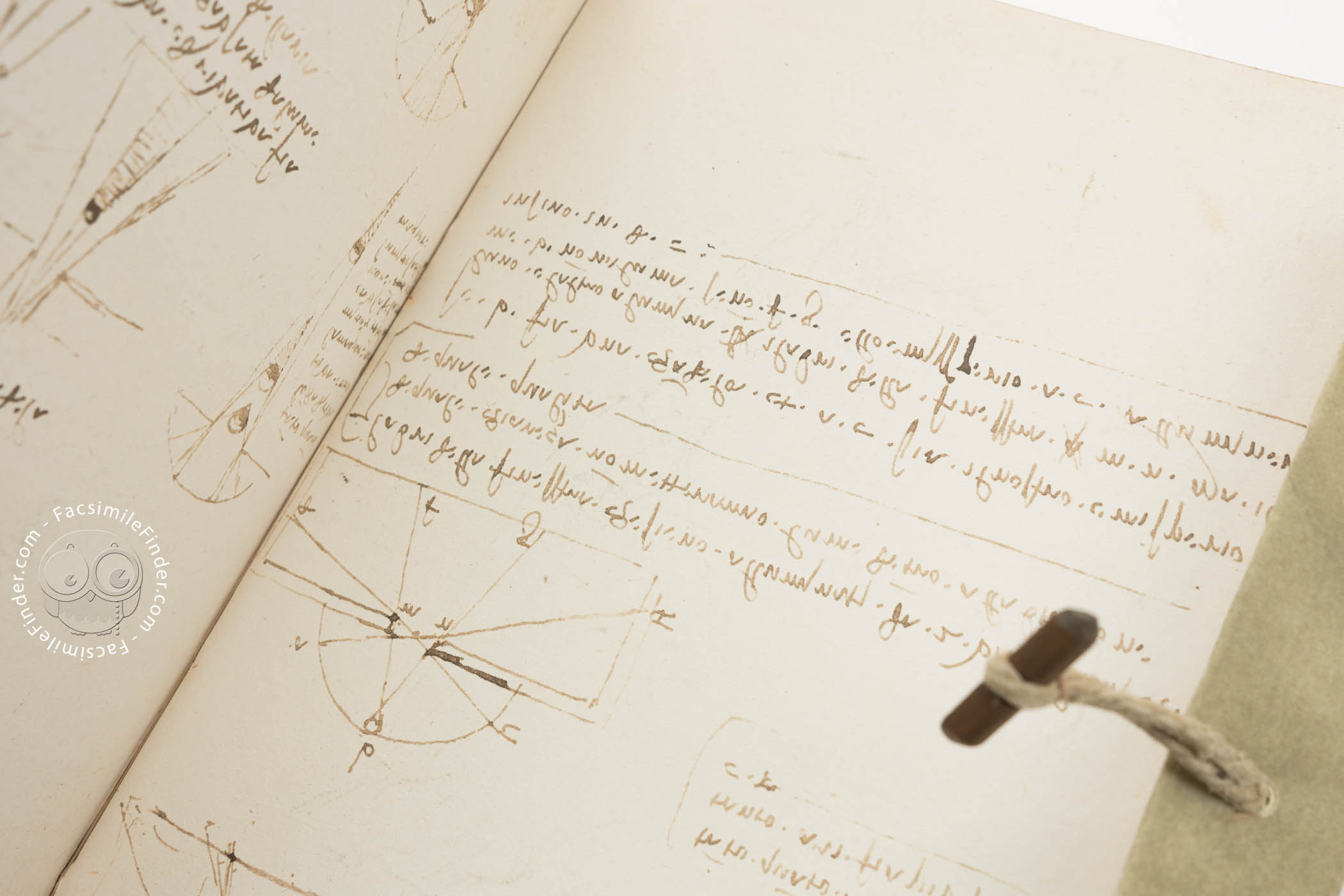
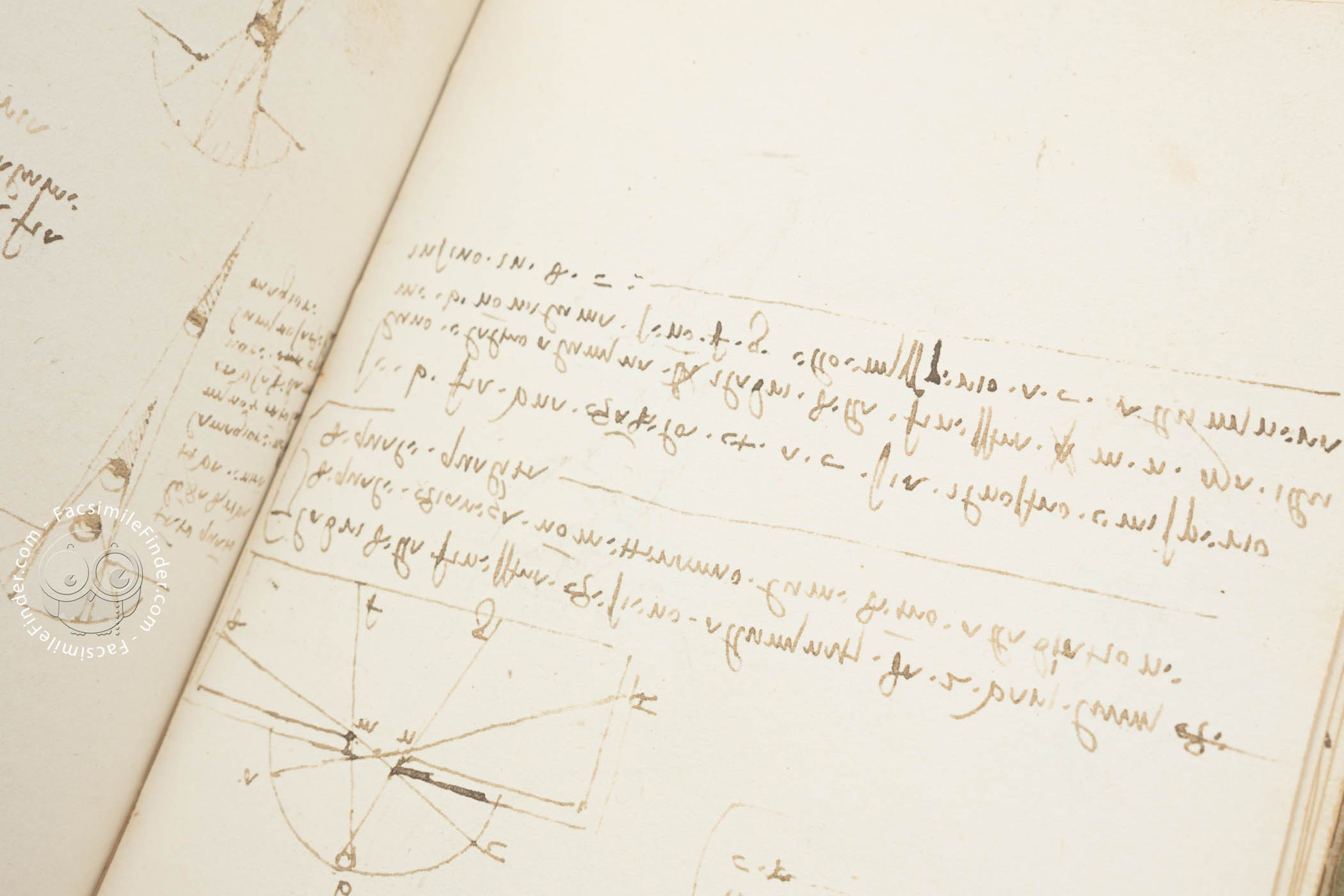
Leonardo wrote the manuscript's original text in his characteristic mirror writing (from right to left, appearing as conventional writing would in a mirror). The word lists are puzzling: there is no apparent system to their presentation, and only a very few terms are defined in Italian.
Drawings in Metalpoint and Ink
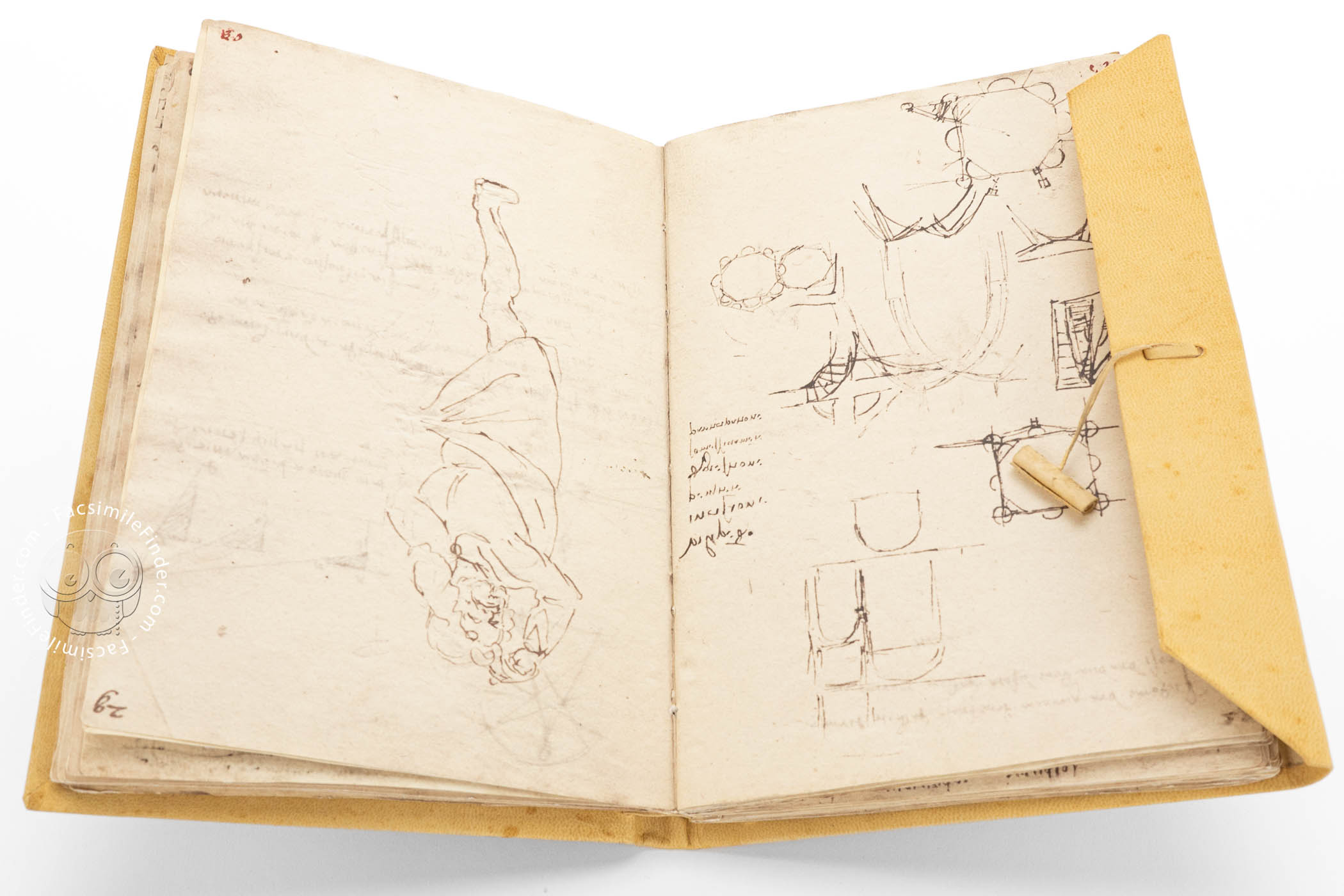
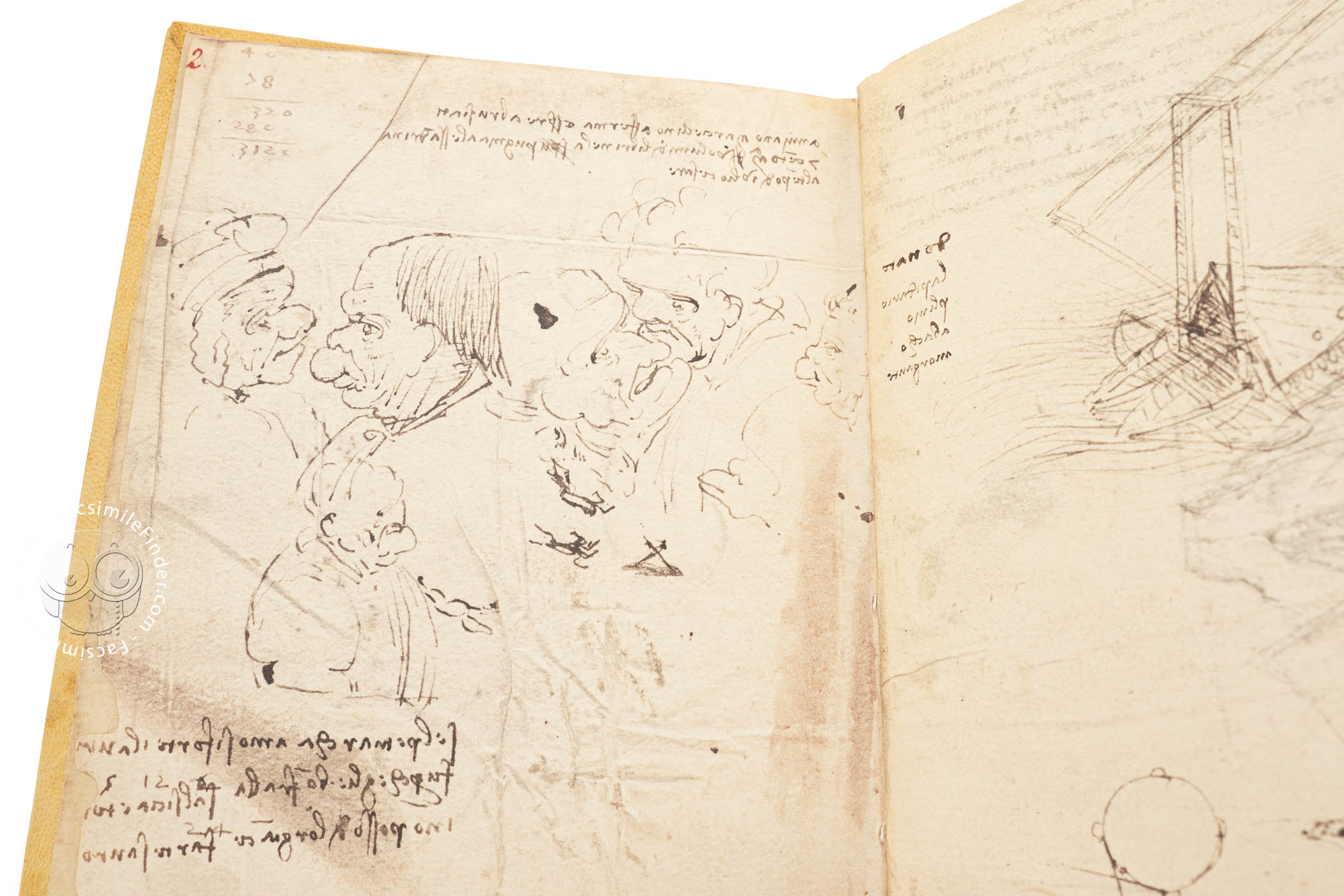
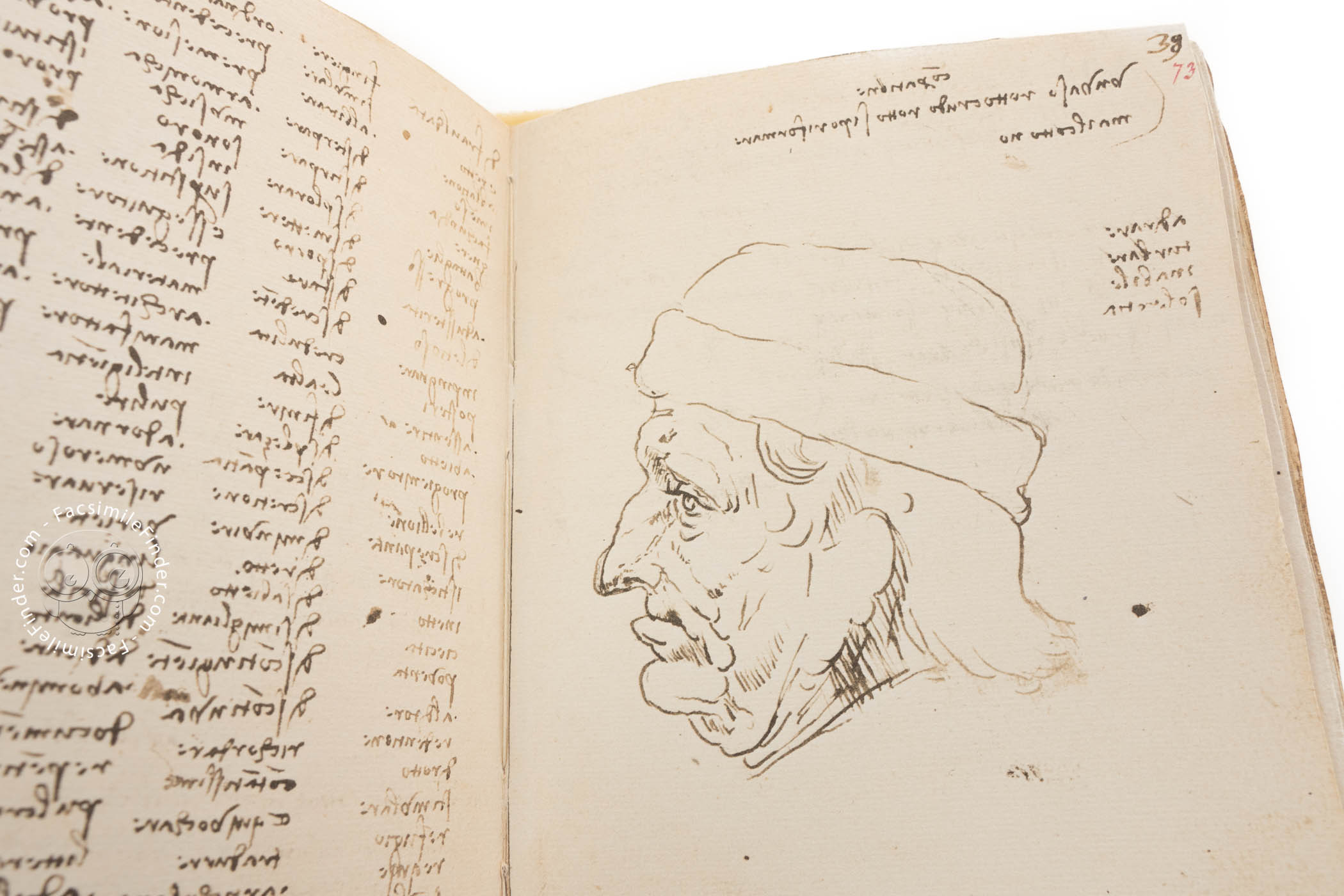
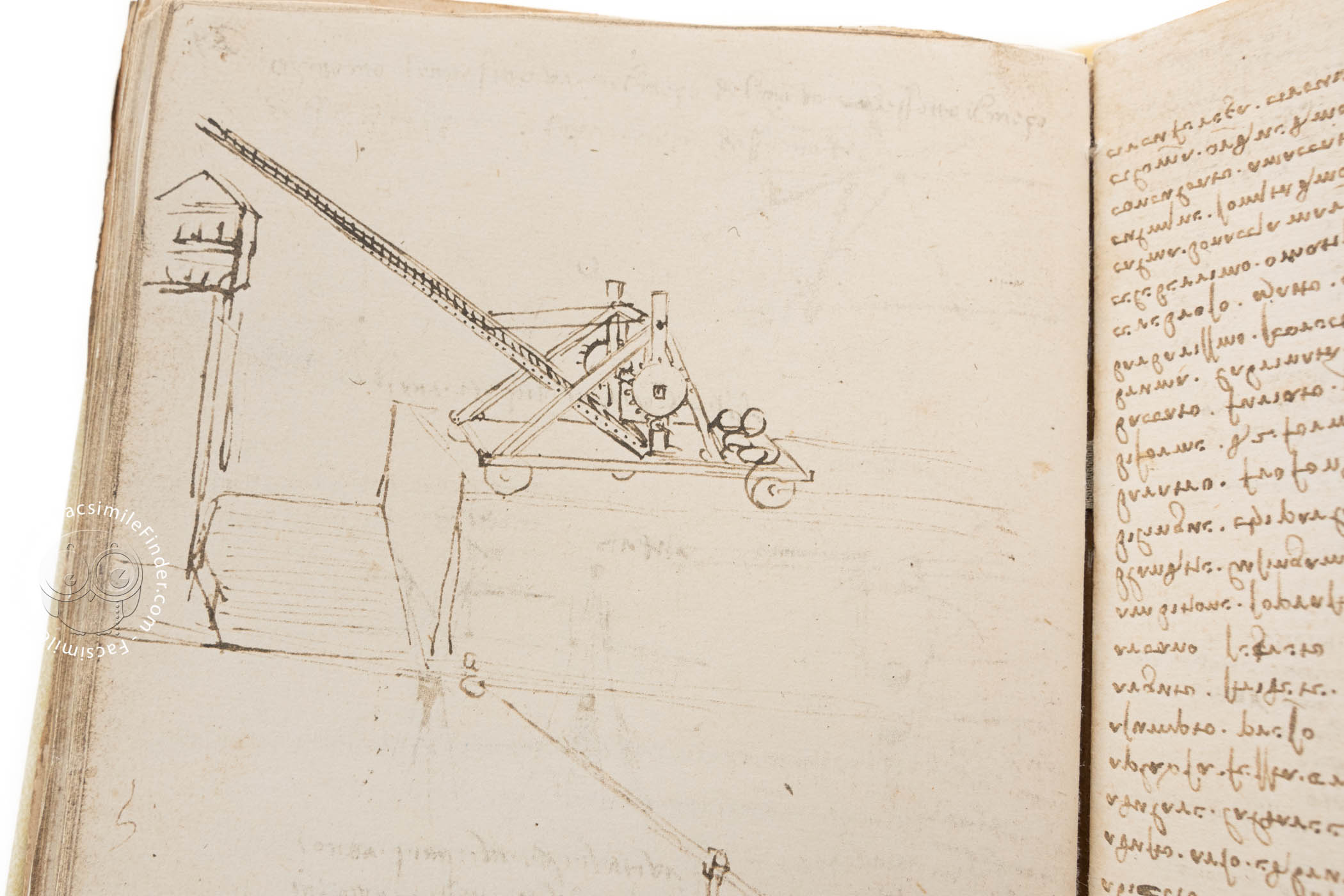
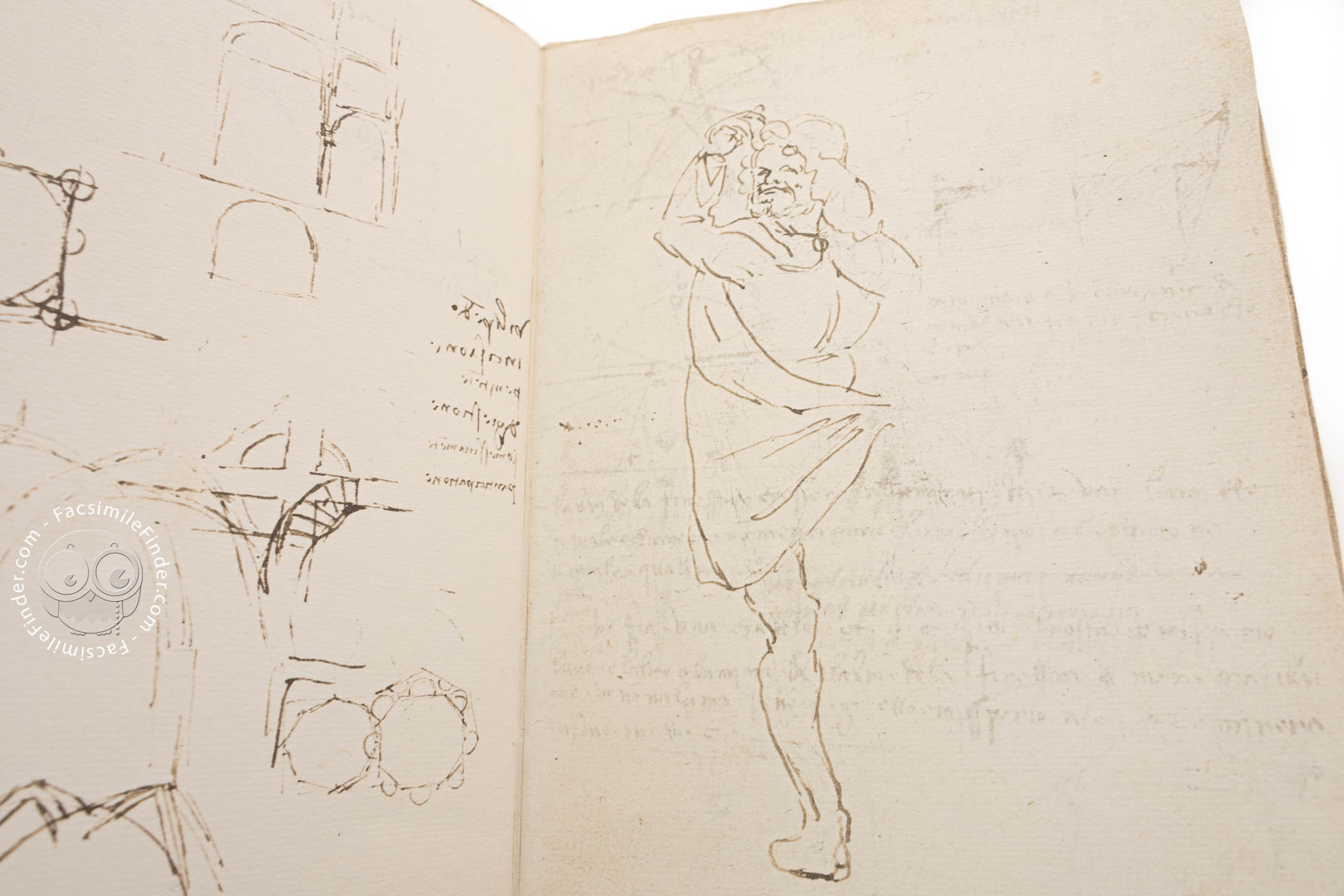
Leonardo executed many of the drawings in ink, but others were incised in metalpoint, and some of these were later crudely traced in ink. The drawings range from schematic diagrams demonstrating optics and mechanics to caricatures, including a well-developed profile bust of an old loose-jowled man wearing a cap (p. 73). A drawing of a crane for lifting heavy loads commands a whole page (p. 63).
Leonardo the Architect
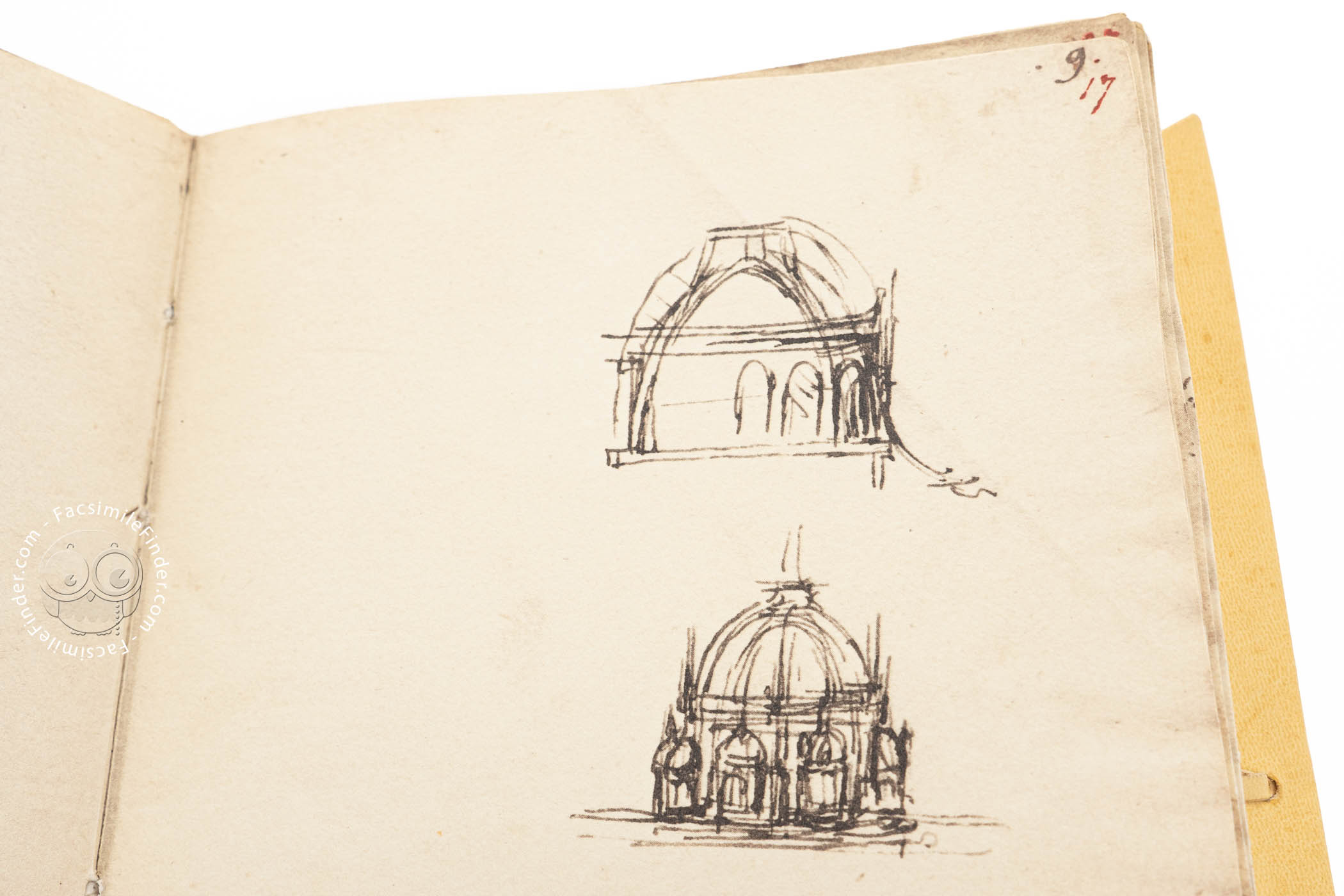
The notebook includes drawings of a series of cupolas (dome-shaped architectural coverings with openings for ventilation and/or lighting). The accompanying notes provide information about structure and stress (pp. 15-17). These notes and drawings relate to Leonardo's work on Milan's cathedral.
Leonardo the Reader
Leonardo drew his word lists from a variety of fifteenth-century sources, including works by Poggio Bracciolini (1380-1459) and Masuccio Salernitano, and De re militari by Roberto Valturio (1405-1475). A major source was the Vocabolista, a handbook of ancient mythology with definitions of scholarly Latin terms, by the Florentine poet Luigi Pulci (1432-1484).
Leonardo the Writer
The Trivulziana manuscript includes Leonardo's musings on the topics of good and evil, human nature, natural science, mechanics, and military engineering. He devotes four contiguous pages to metallurgy and casting (pp. 52-55). By contrast, his remarks on sea sickness appear on the same page as his analysis of the noise of cannons (p. 49).
From Portfolio to Codex
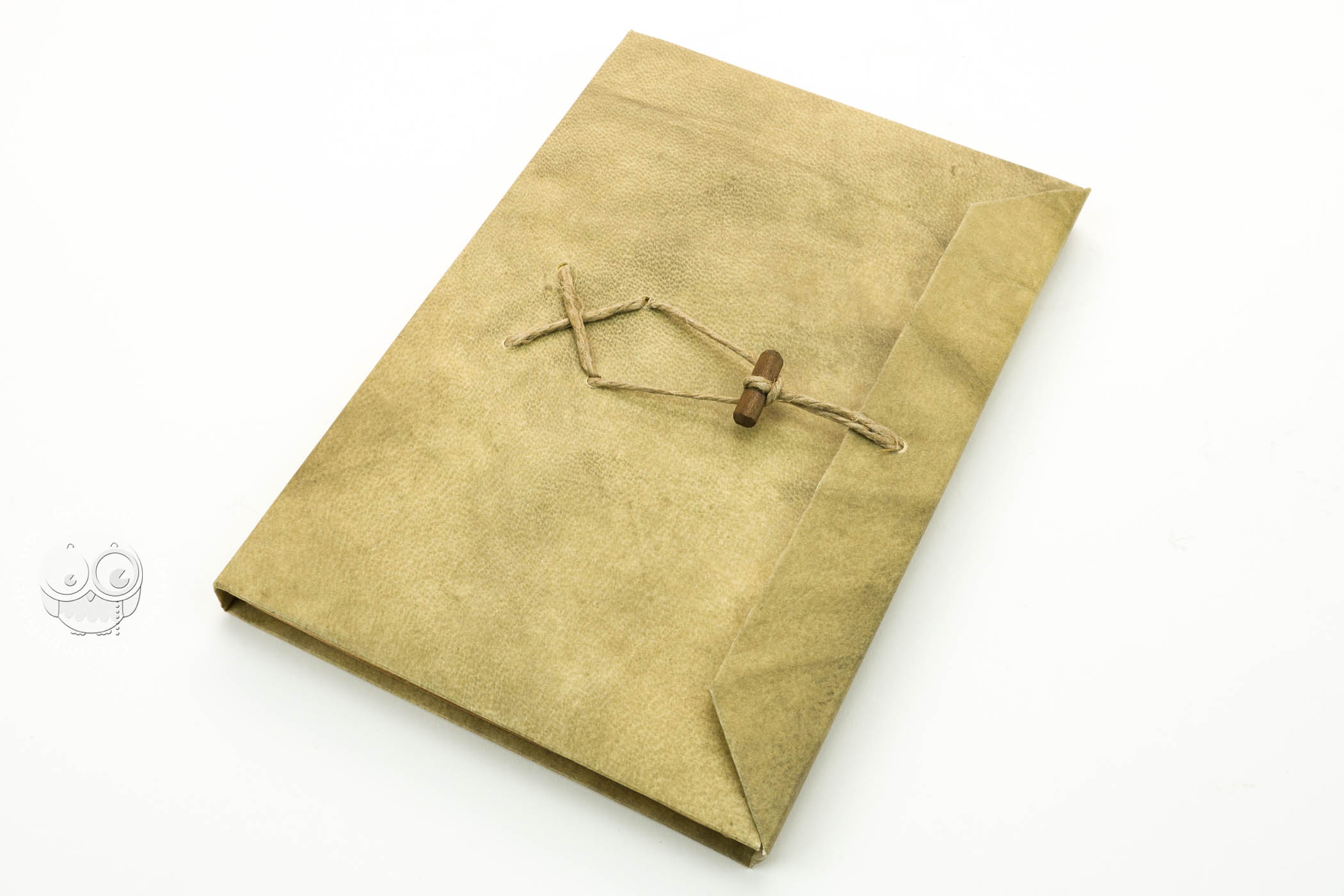
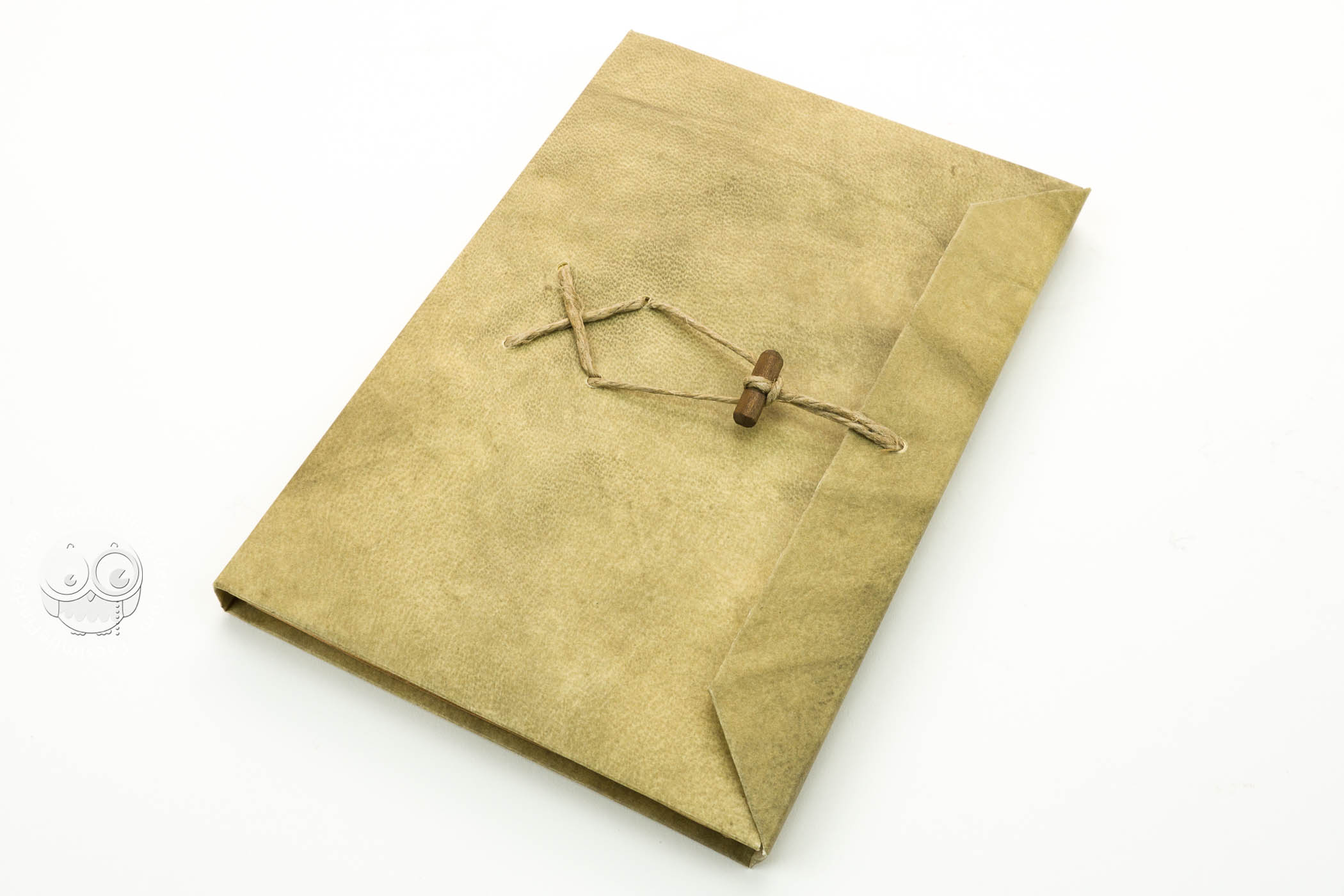
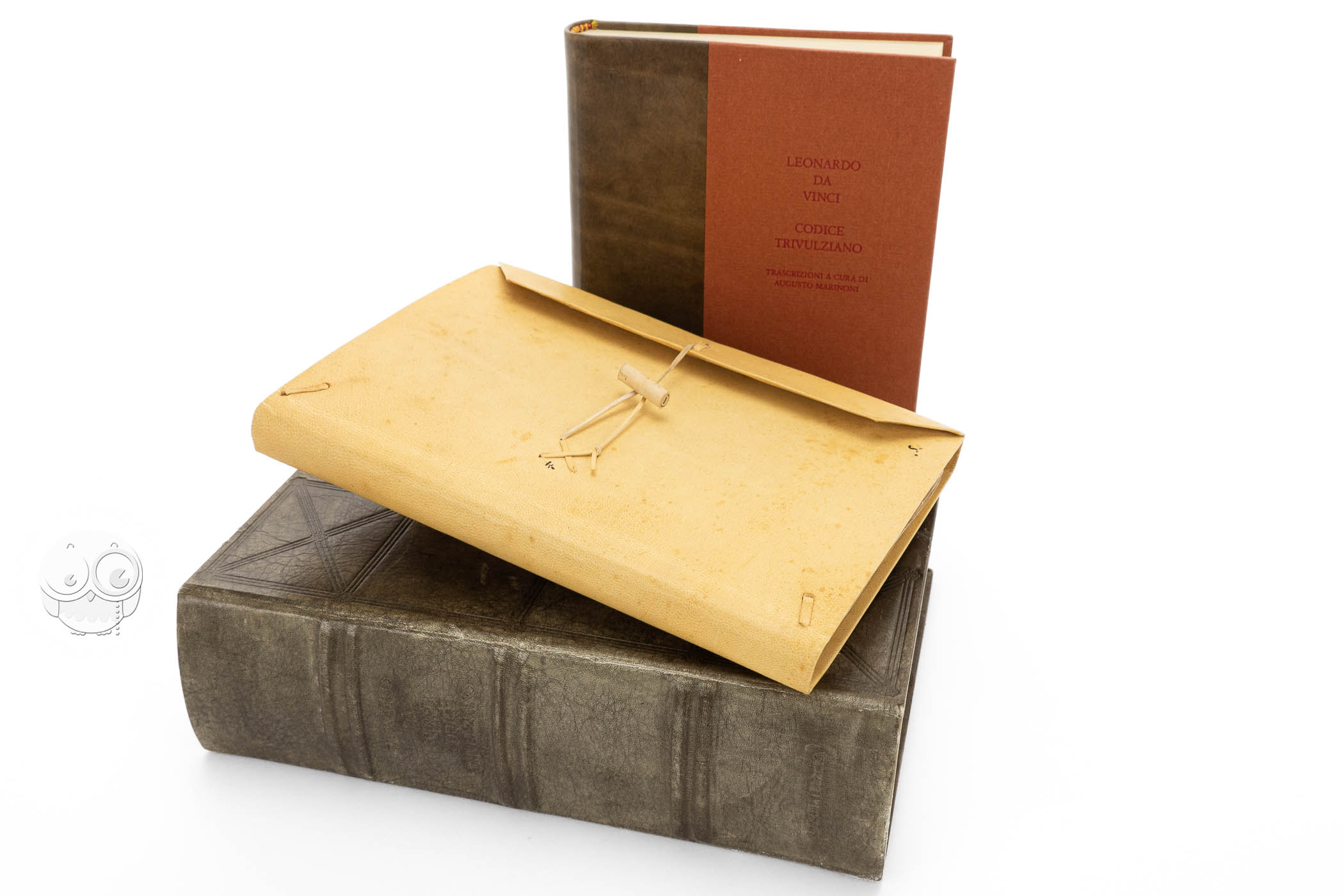
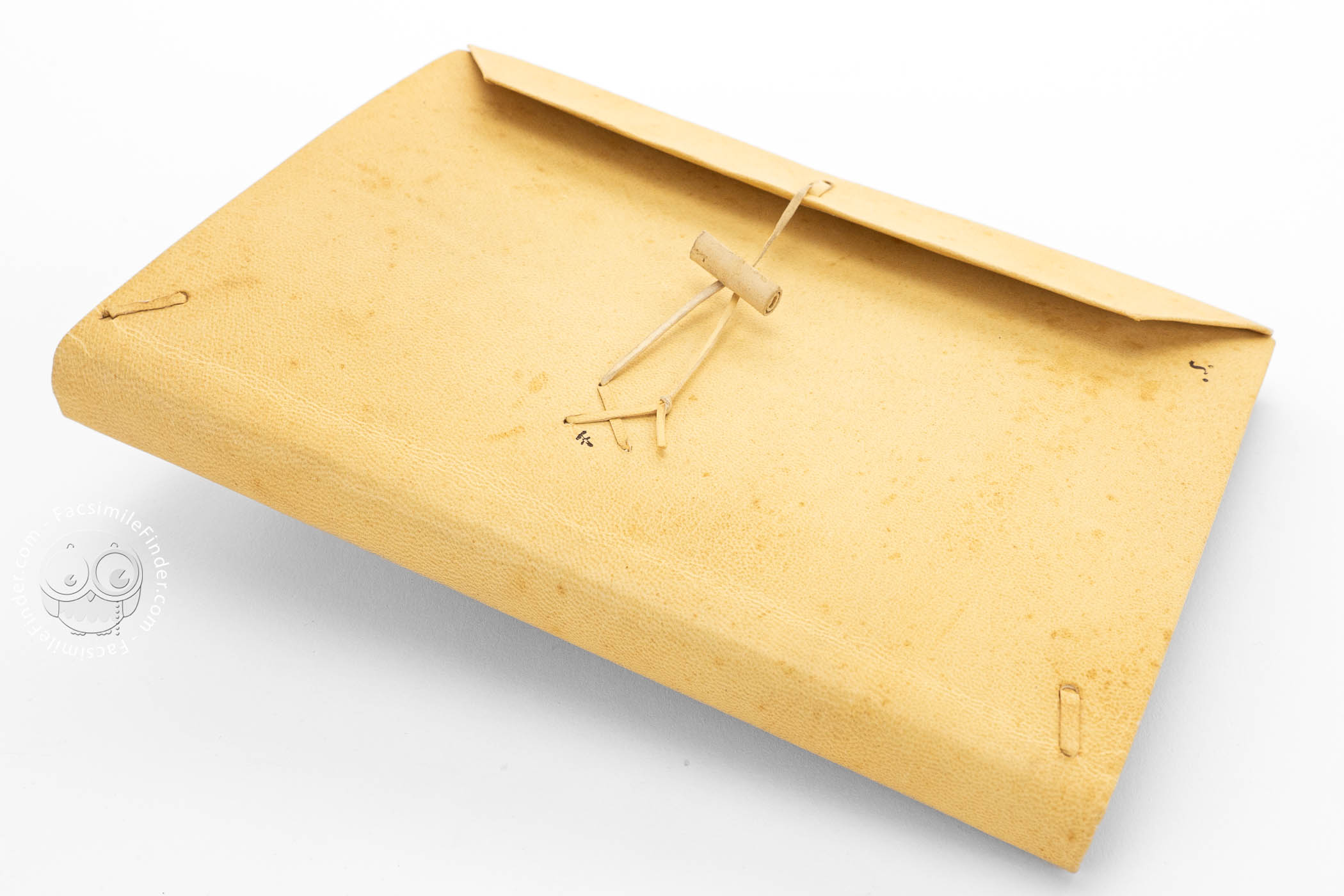
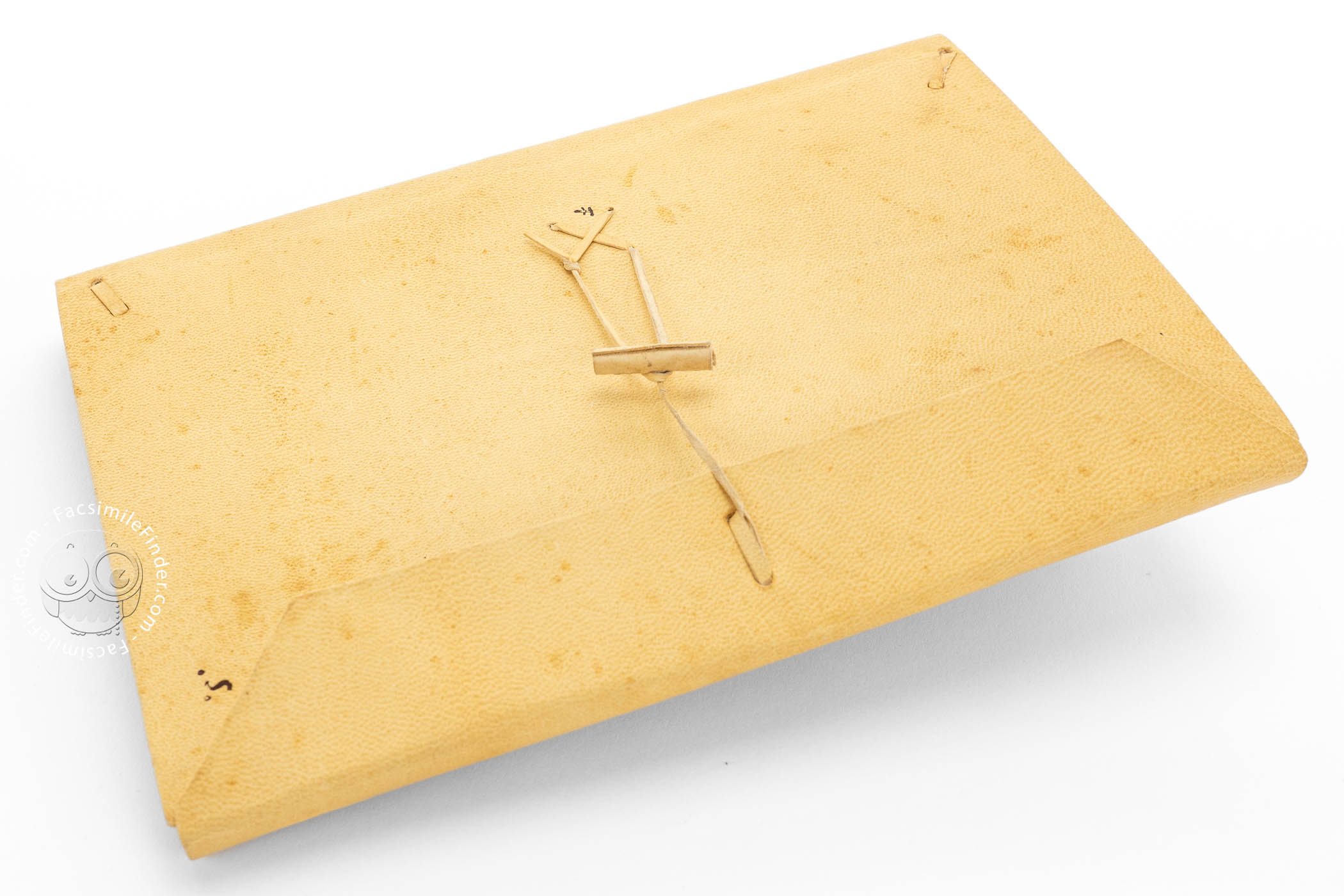
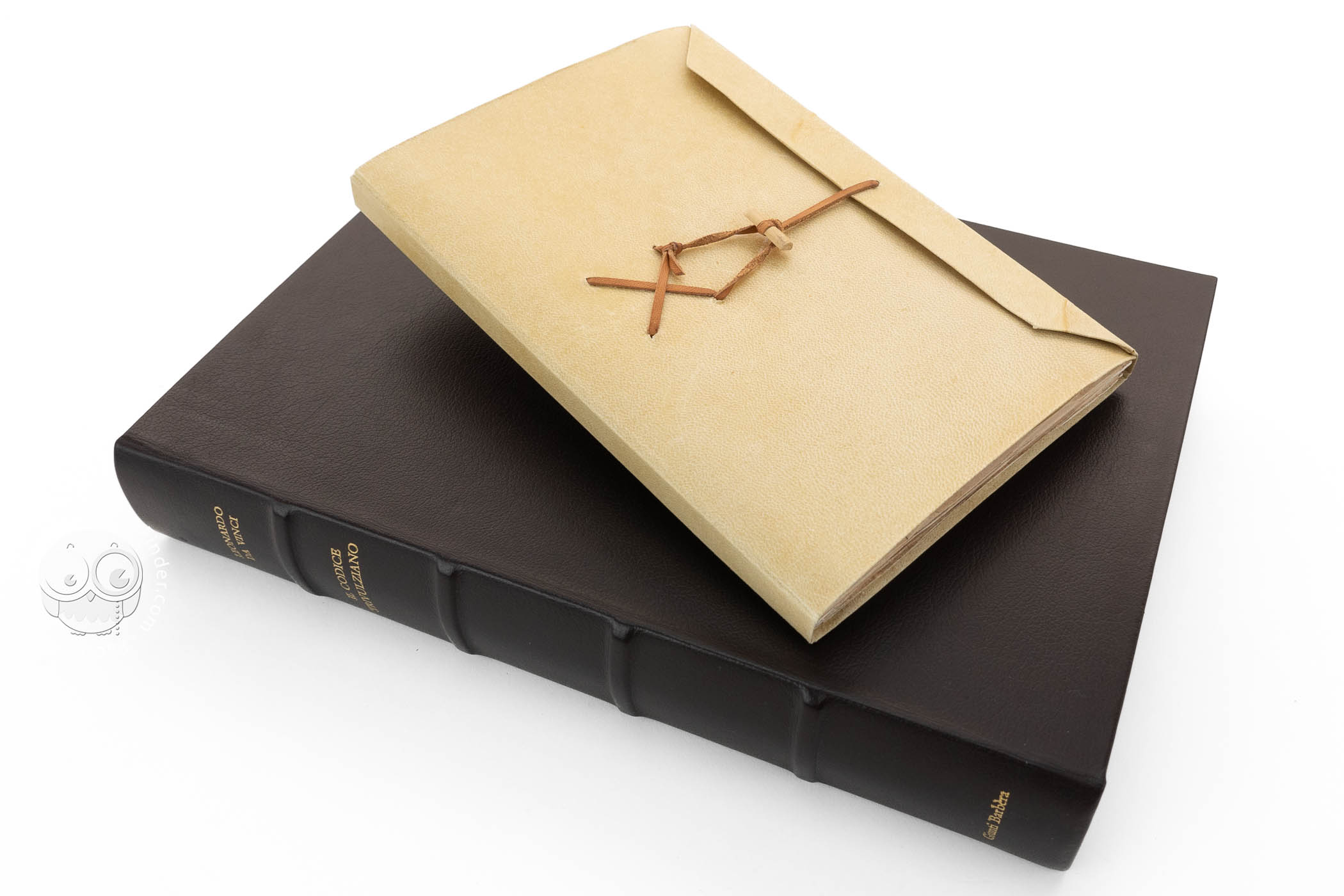
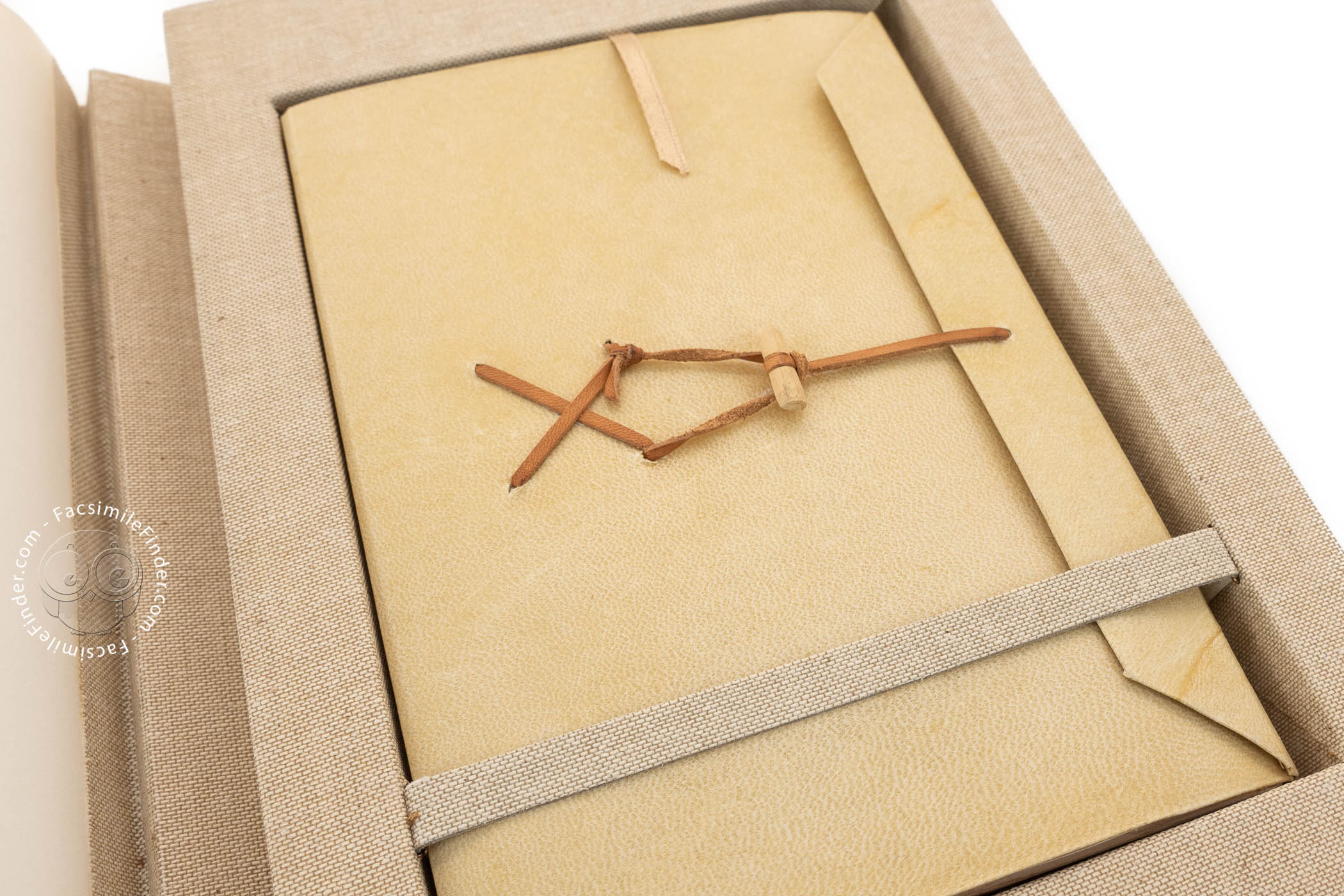
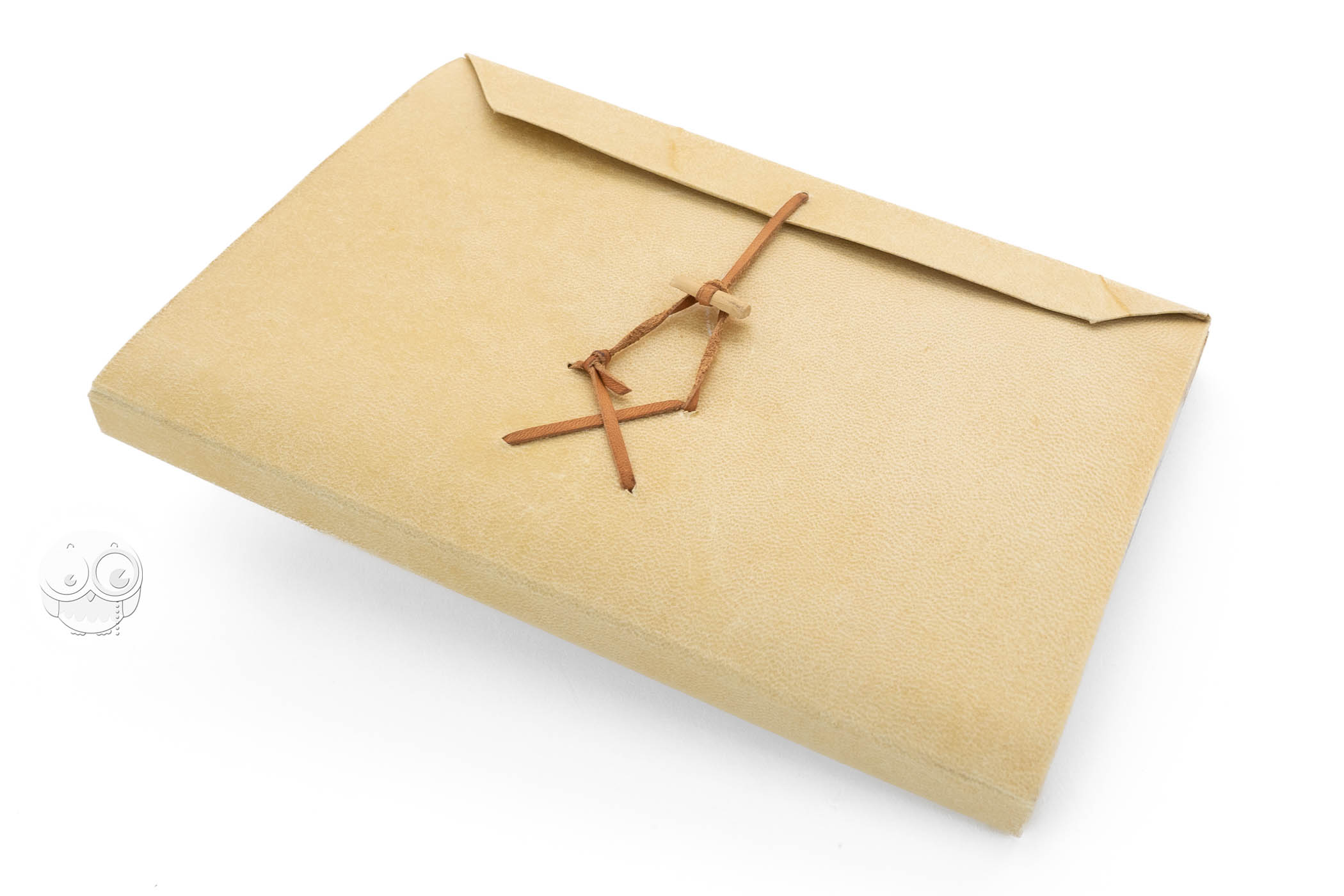
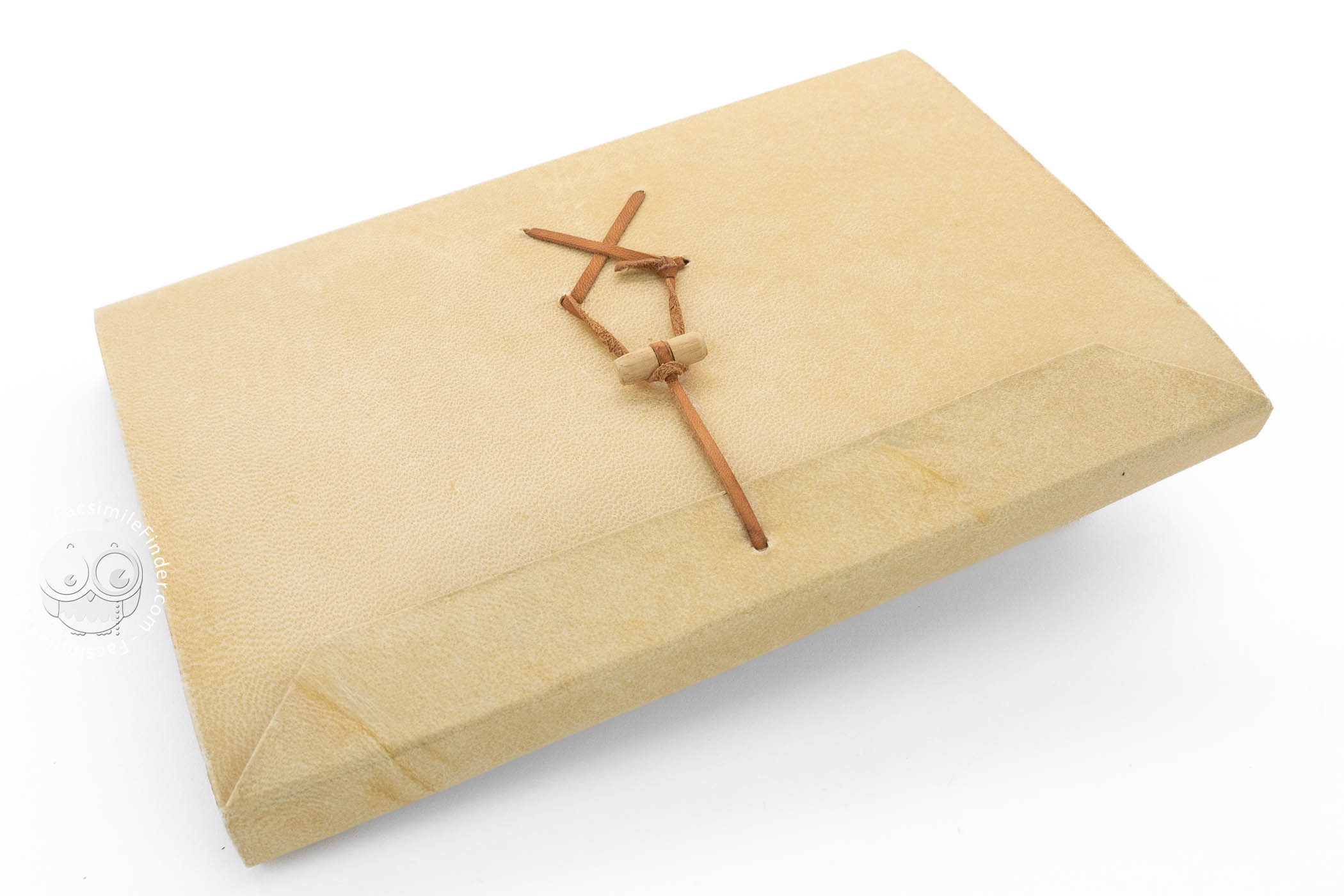
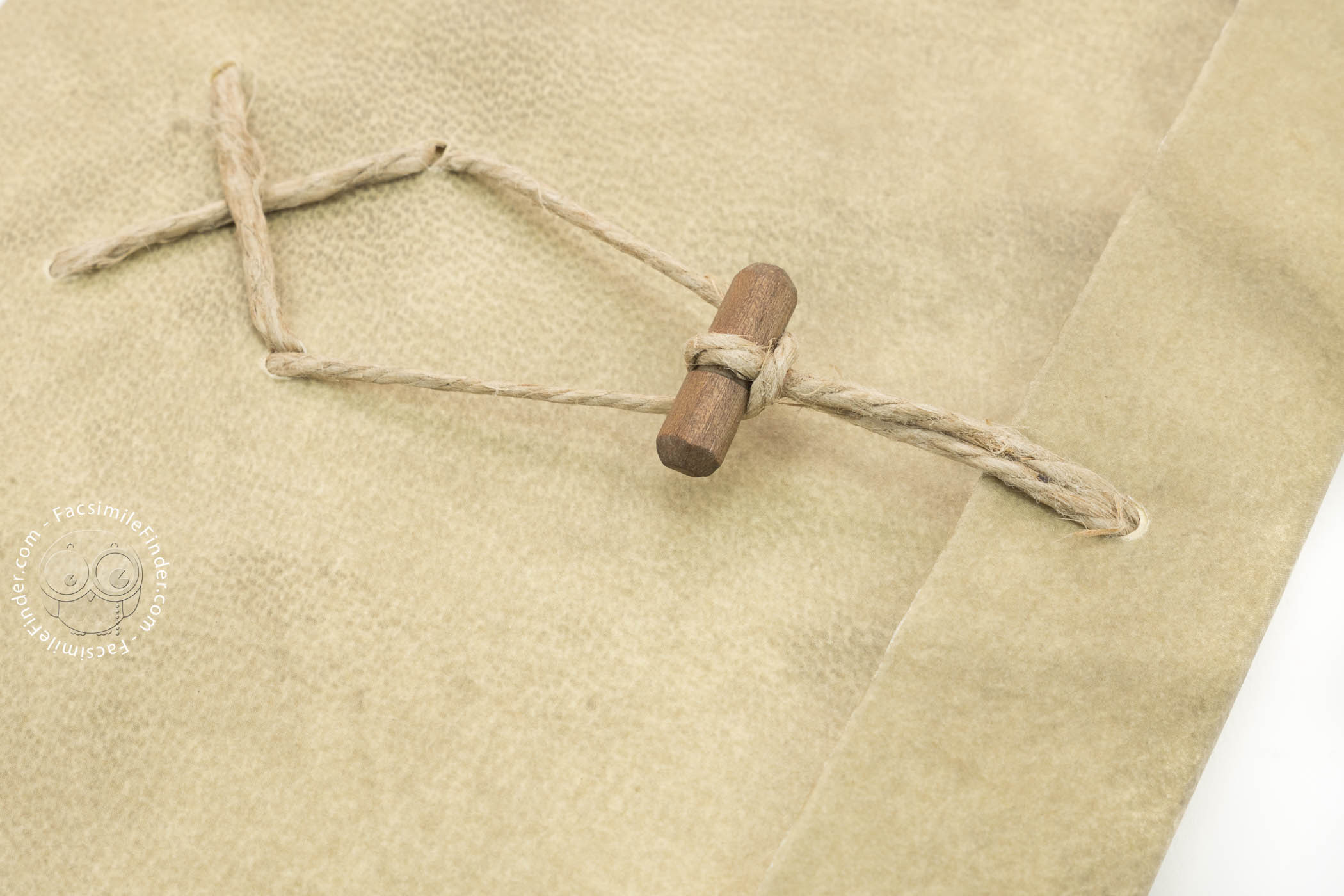
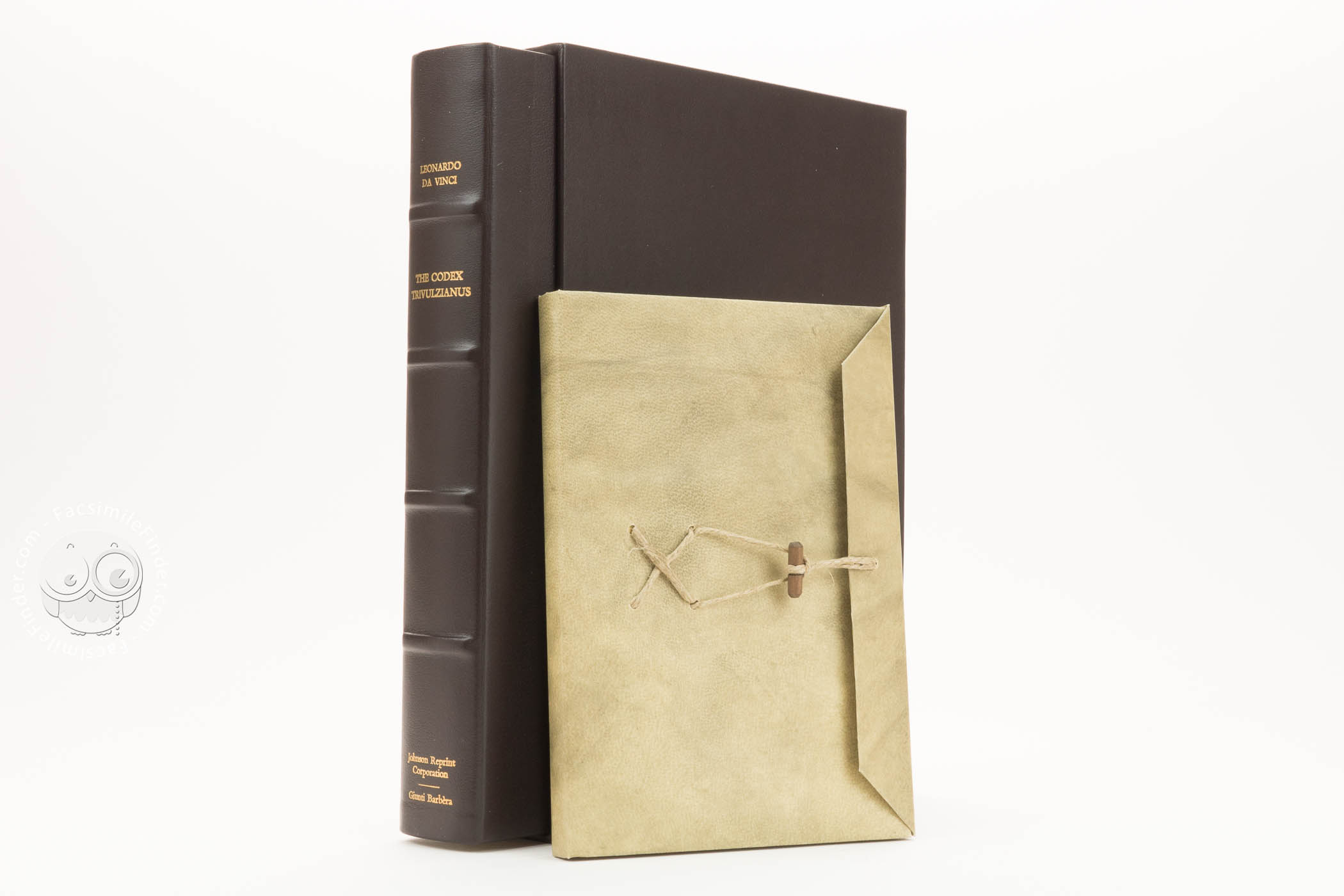
The sketchbook existed as a portfolio of loose gatherings of folded leaves for decades before its pages were sewn into the wrapper, with one gathering upside-down. Unfortunately, eleven leaves have been lost in two phases over the centuries. Nevertheless, the original parchment wrapper still survives.
Notes about Painting
The notebook includes a few notes on the art of painting, which were copied by Francesco Melzi (d. 1570) in composing the text of Leonardo's posthumous Treatise on Painting. Someone in Melzi’s circle was responsible for a series of added notations that label the notebook's contents by topic.
Twisted Path to the Trivulziana
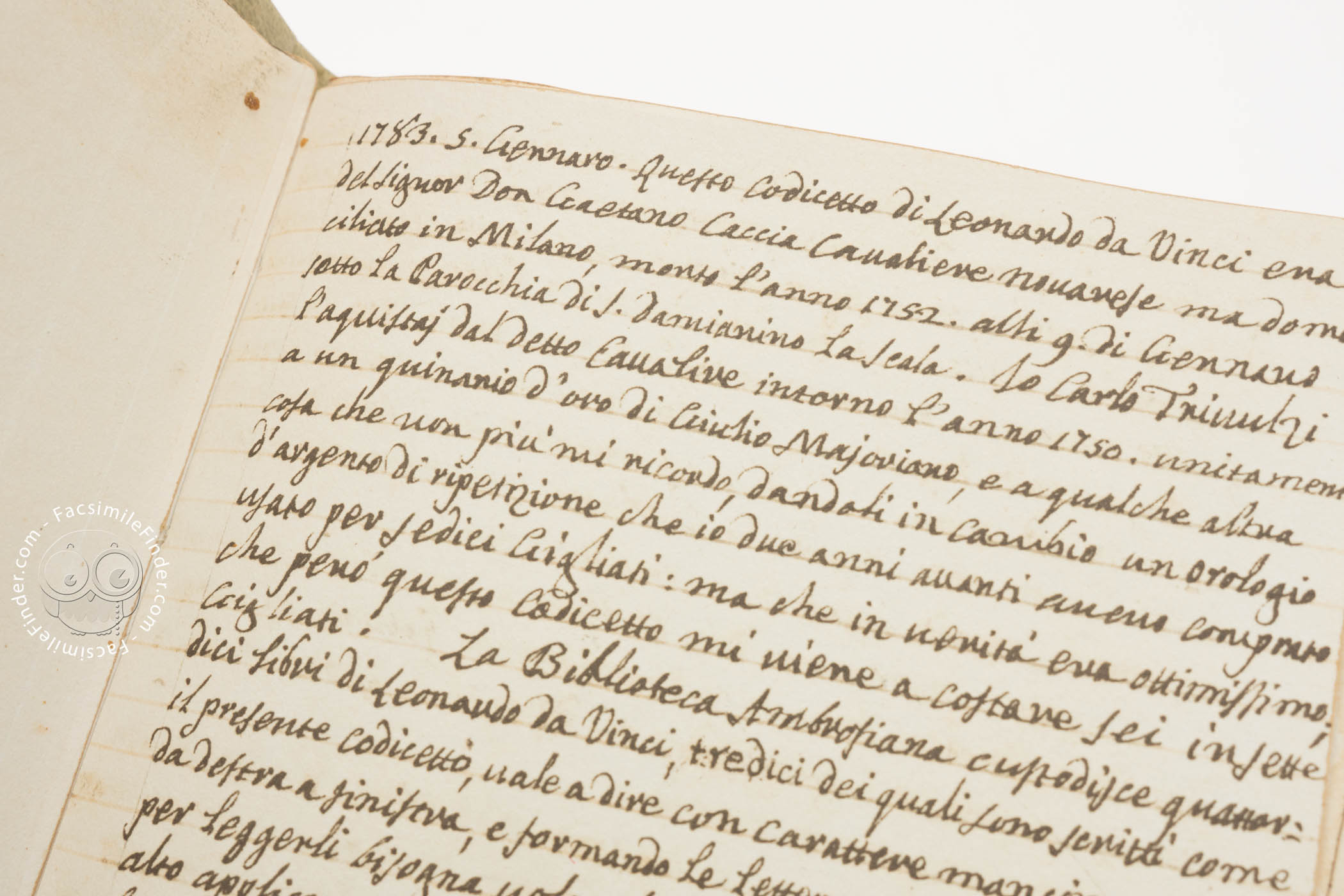
Leonardo bequeathed all of his notebooks to Melzi. As is the case with many of the notebooks, the Codex Trivulzianus eventually came into the possession of the Italian sculptor Pompeo Leoni (d. 1608). The Milanese collector Galeazzo Arconati (d. 1649) gave the manuscript to the Biblioteca Ambrosiana in 1637, only to take it back. A century later, around 1750, the manuscript resurfaced and was acquired from Gaetano Caccia by Carlo Trivulzio (1715-1789) for the Biblioteca Trivulziana, which was sold to the commune of Milan in 1935.
We have 4 facsimiles of the manuscript "Codex Trivulzianus":
- Codice Trivulziano (Italian Edition) facsimile edition published by Giunti Editore, 1980
- Codice Trivulziano (English Edition) facsimile edition published by Giunti Editore, 1980
- Codice Trivulziano facsimile edition published by Electa, 1980
- Codex Trivulzianus by Leonardo da Vinci facsimile edition published by Collezione Apocrifa Da Vinci, 2018