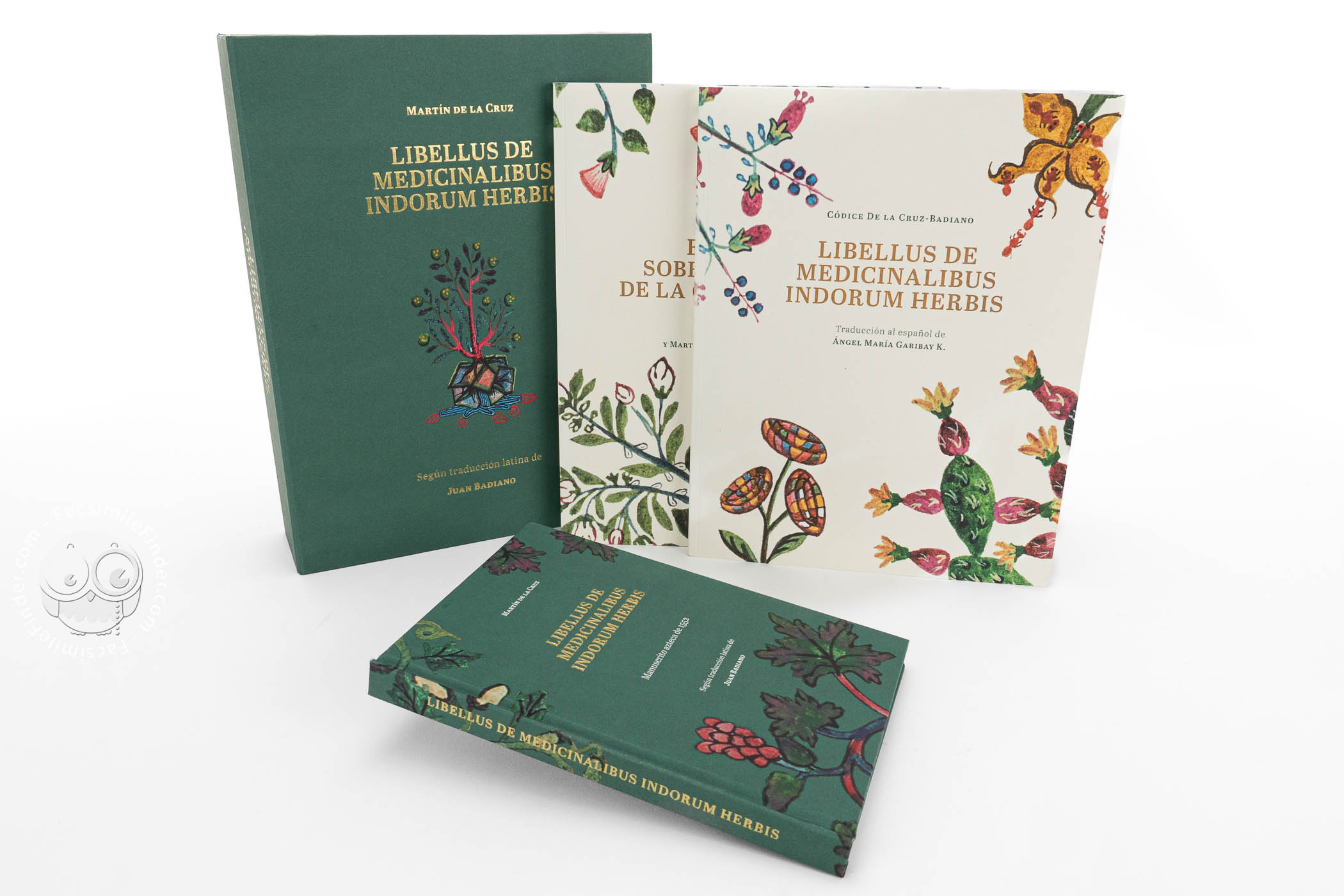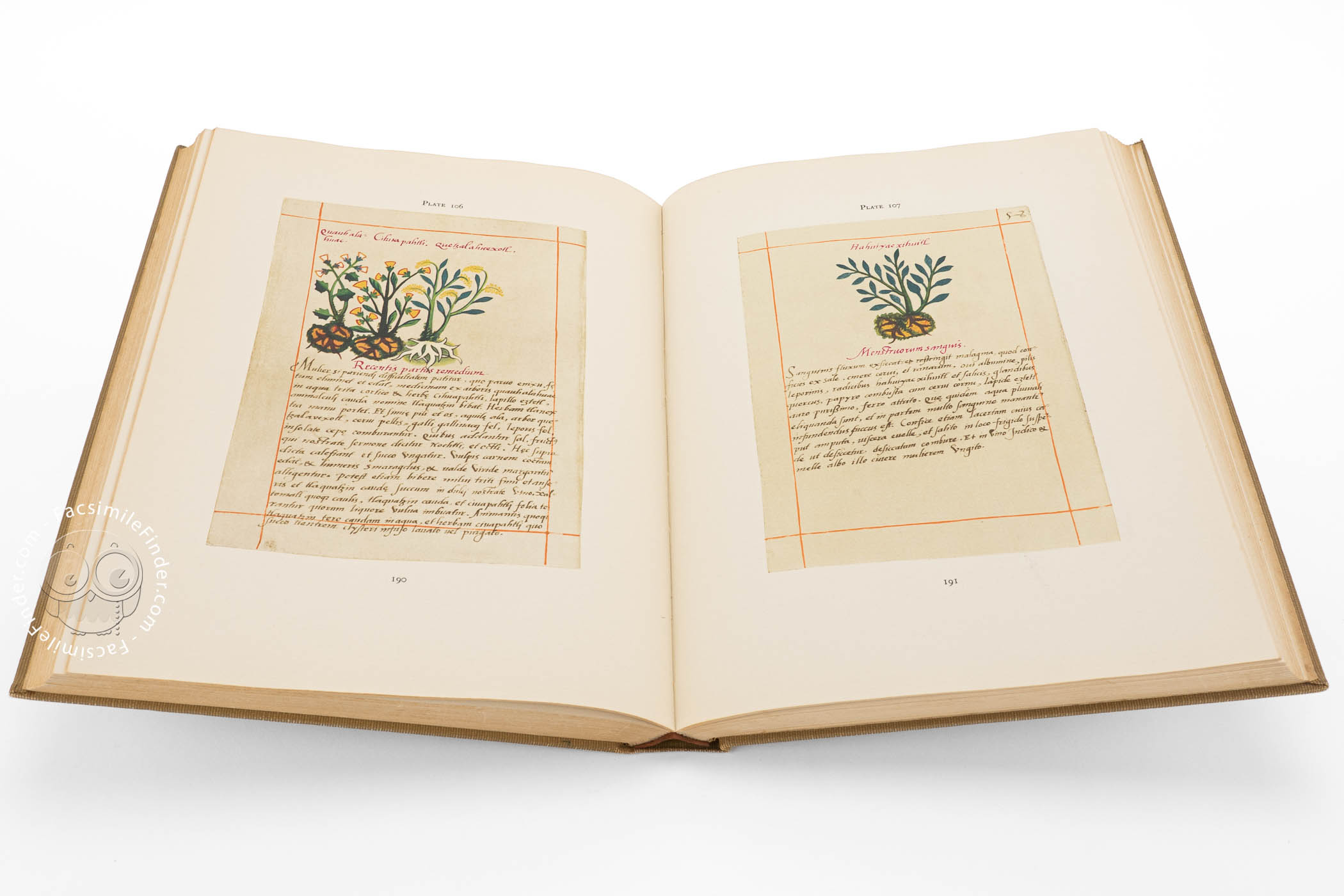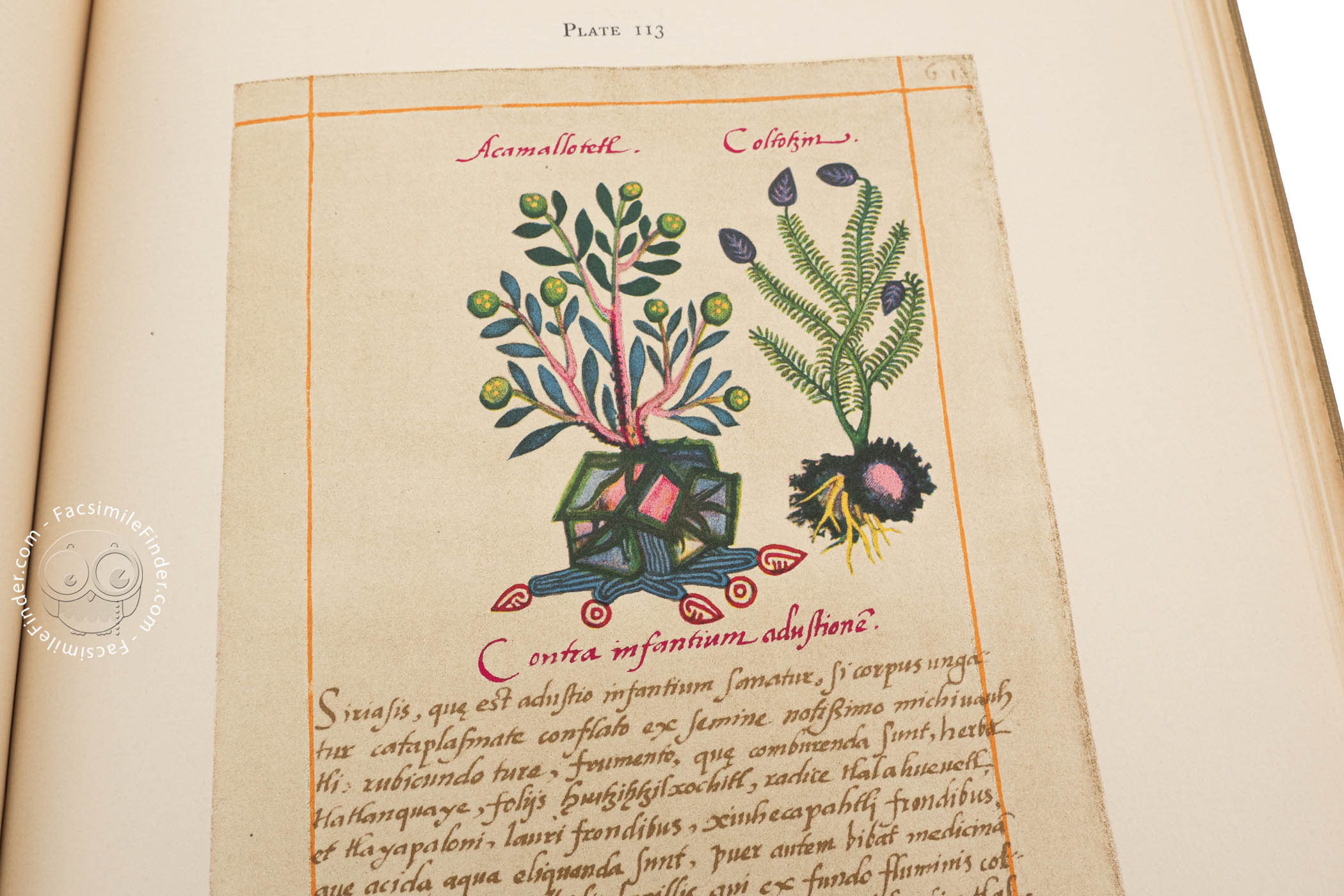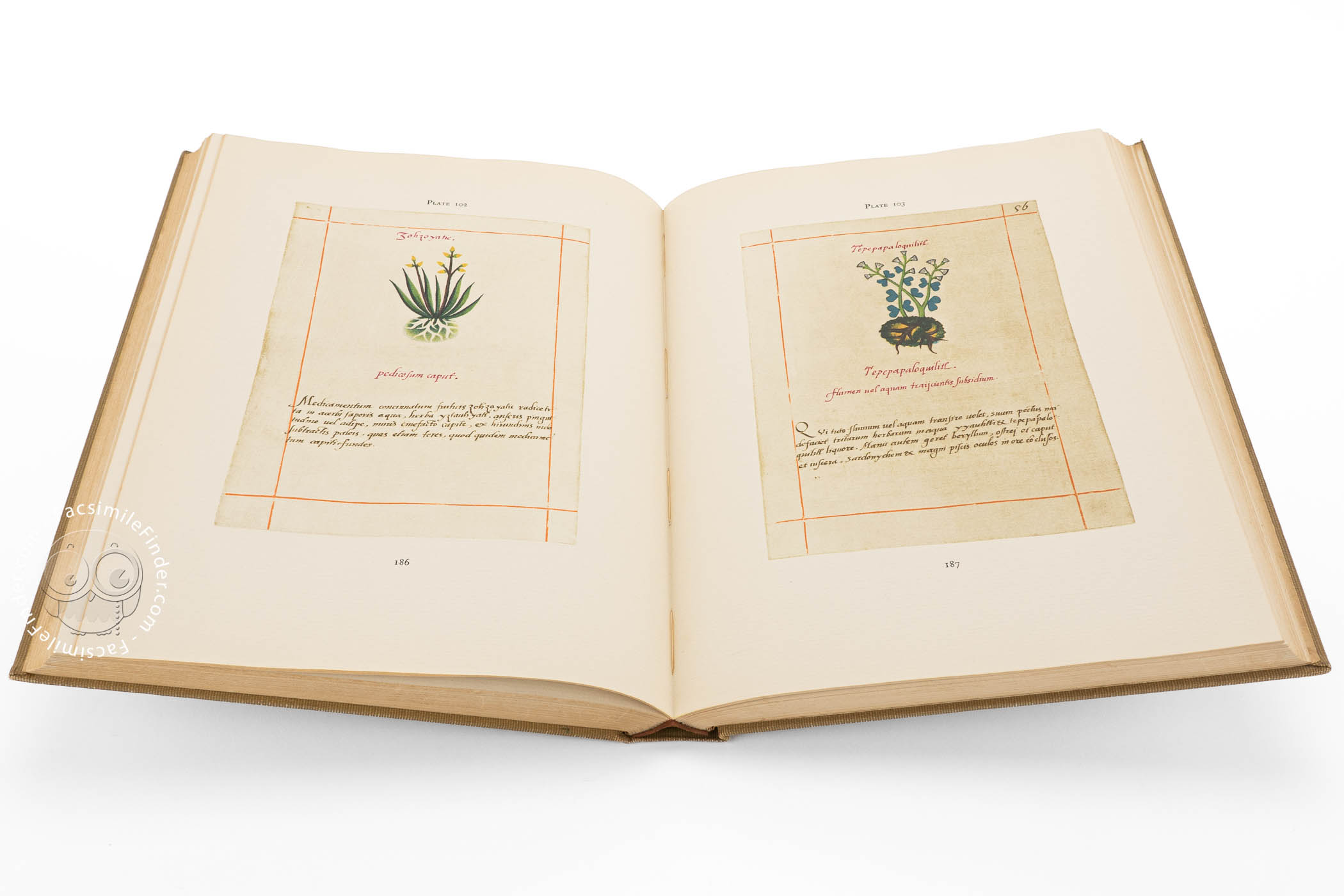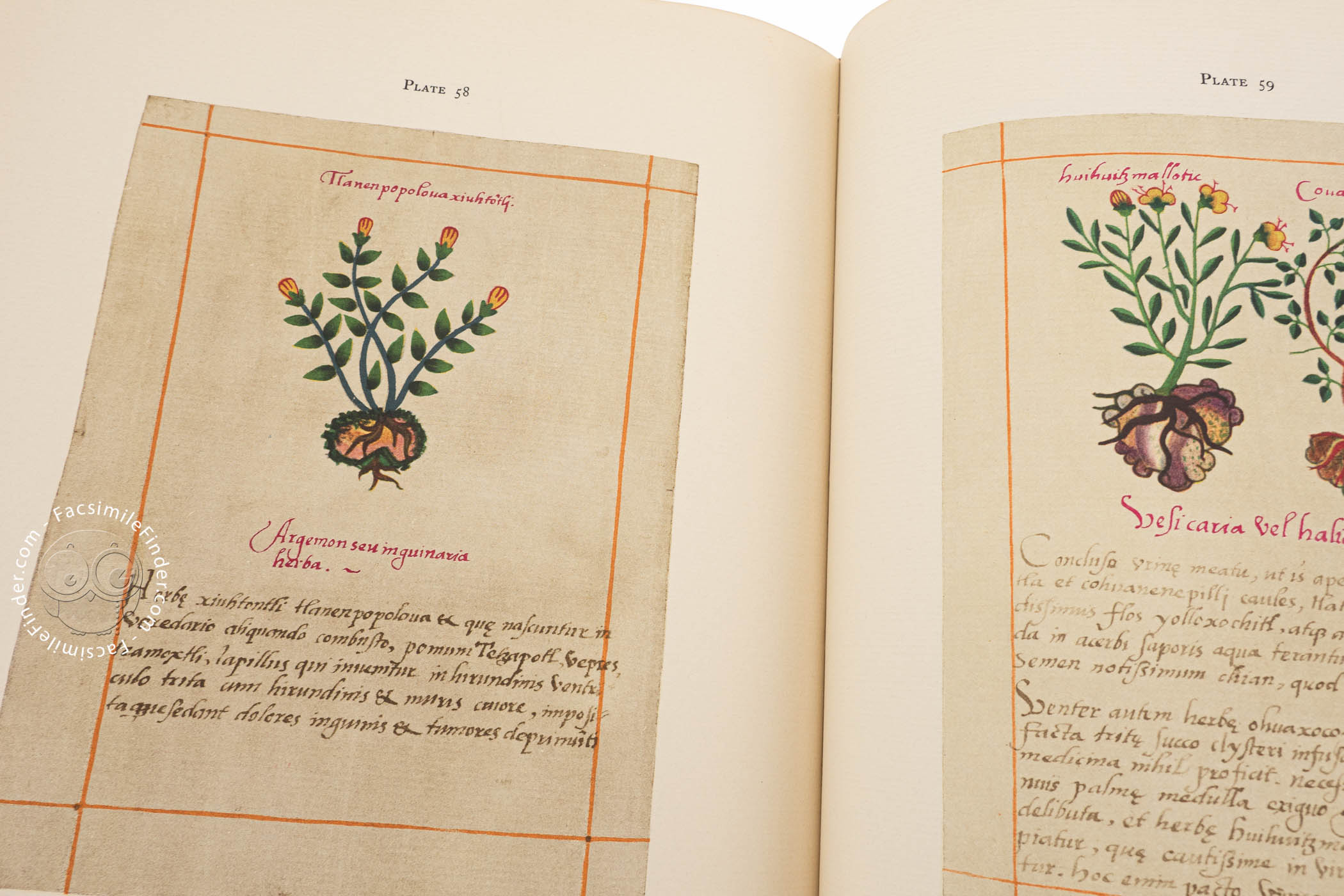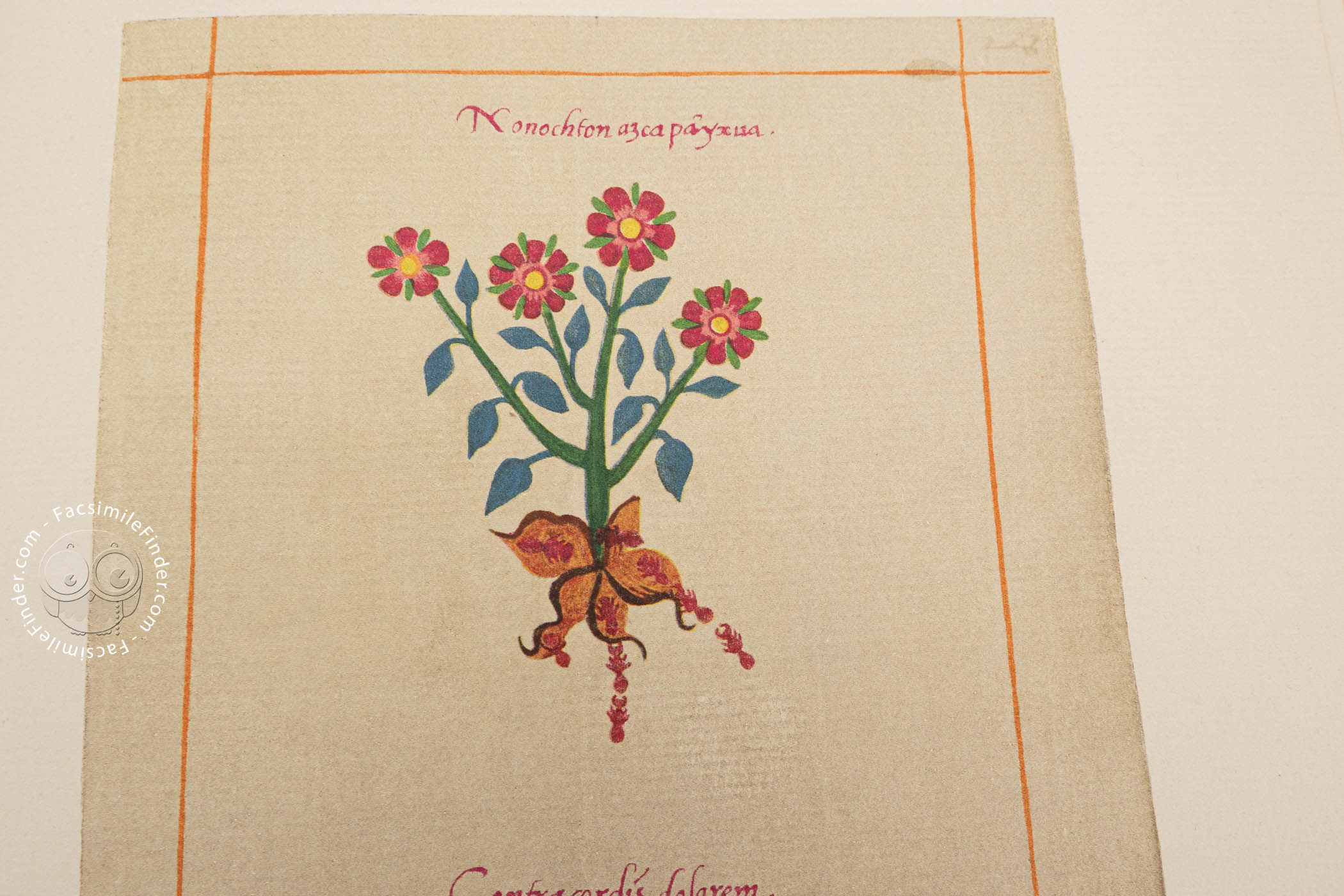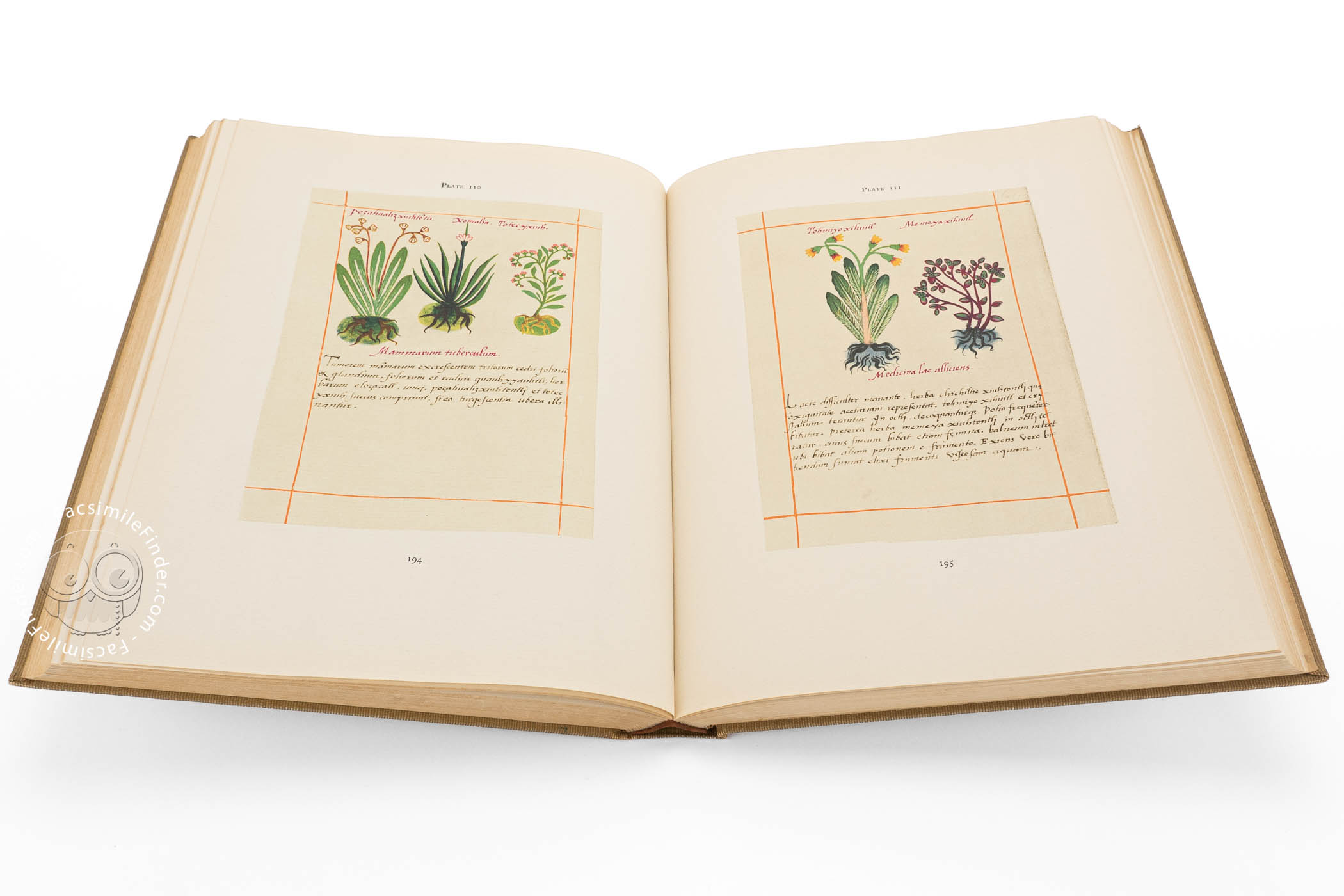
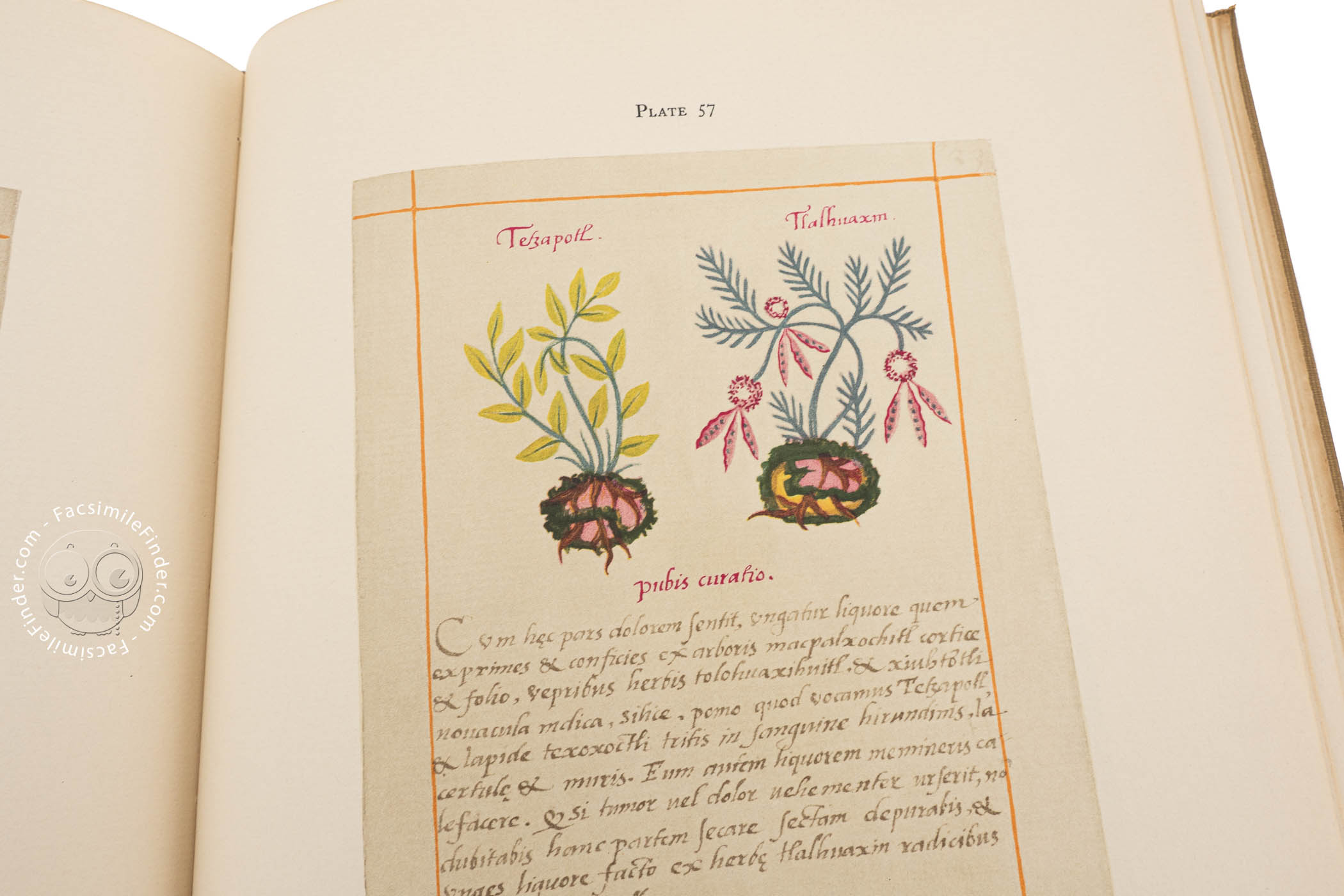
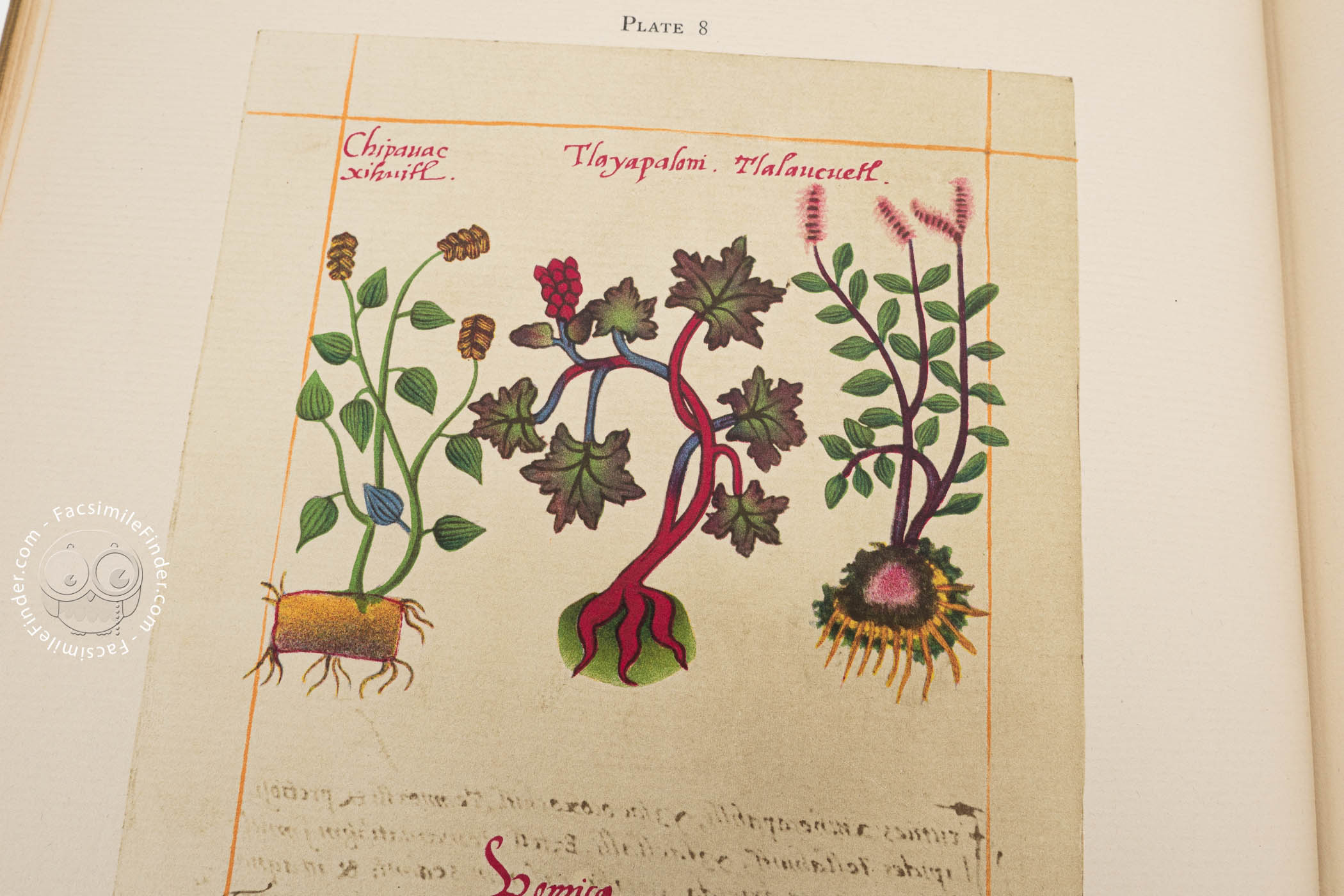
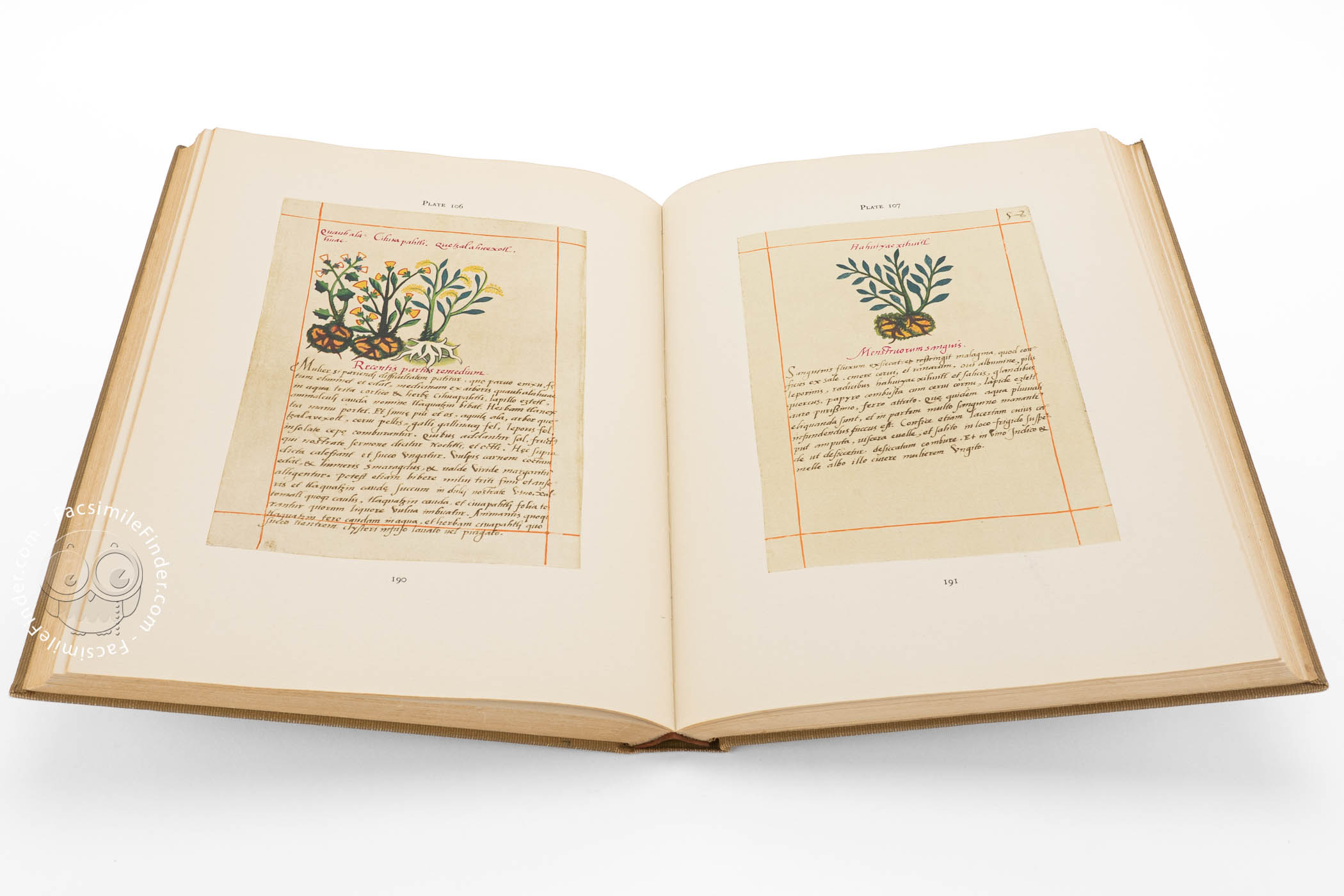
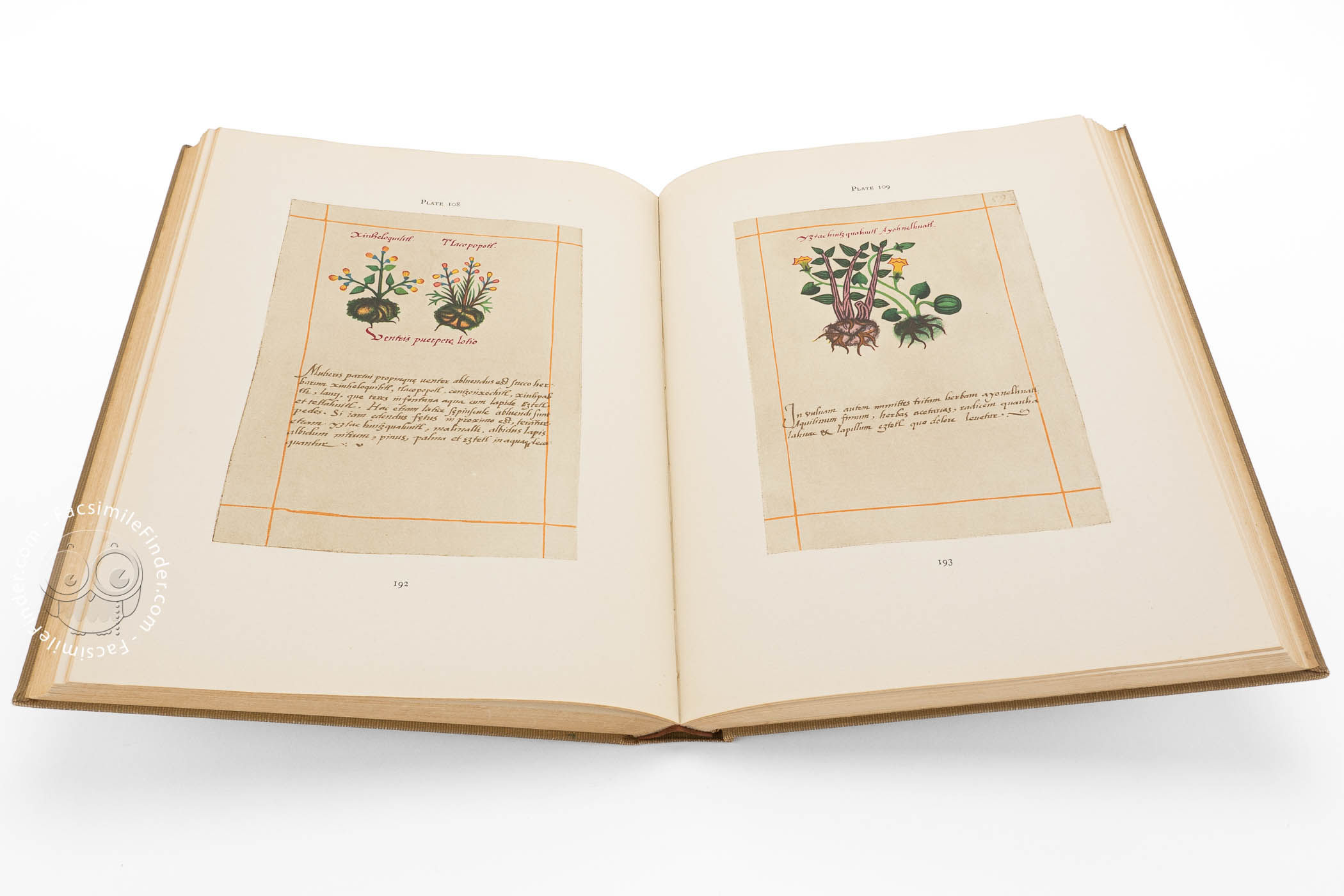
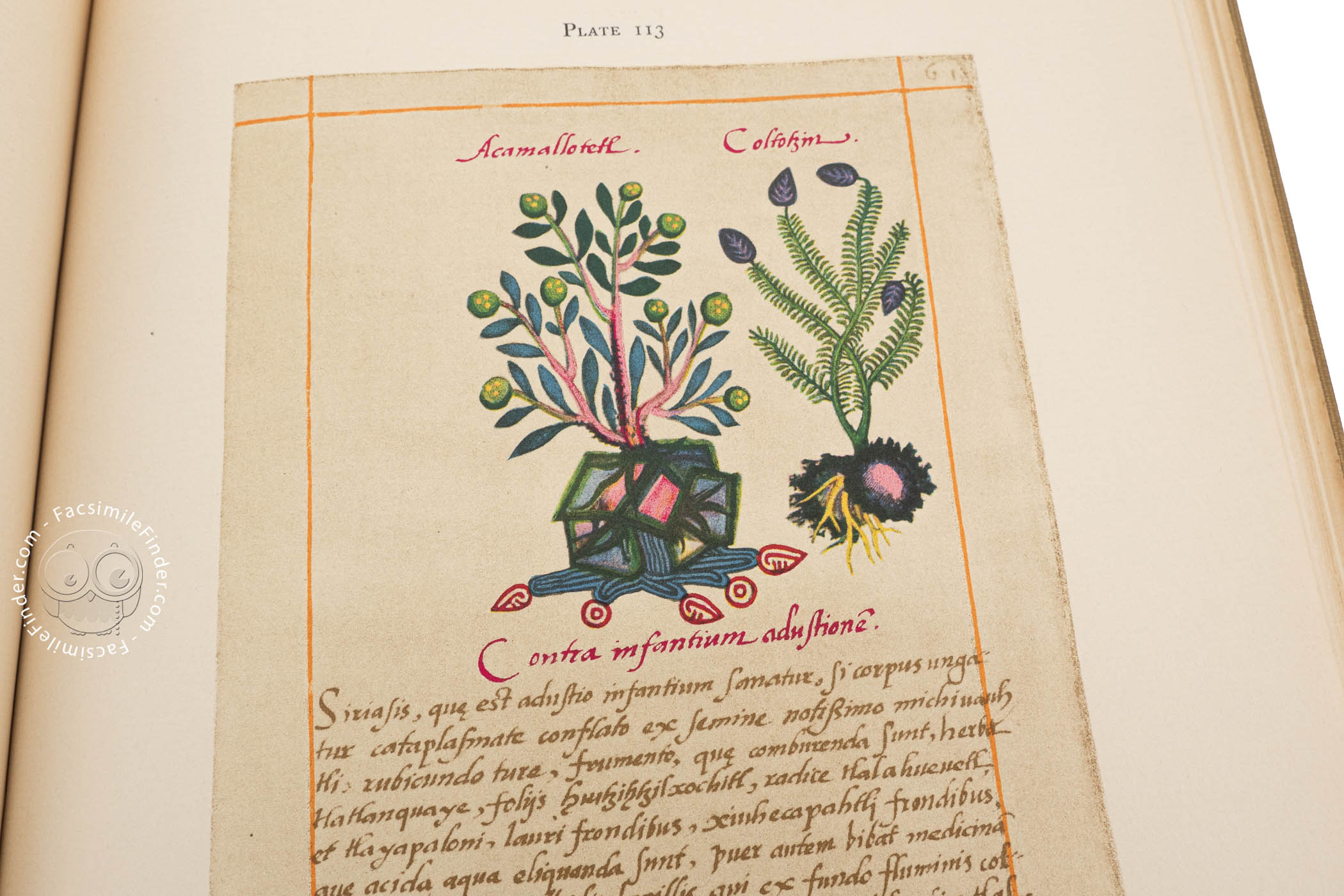
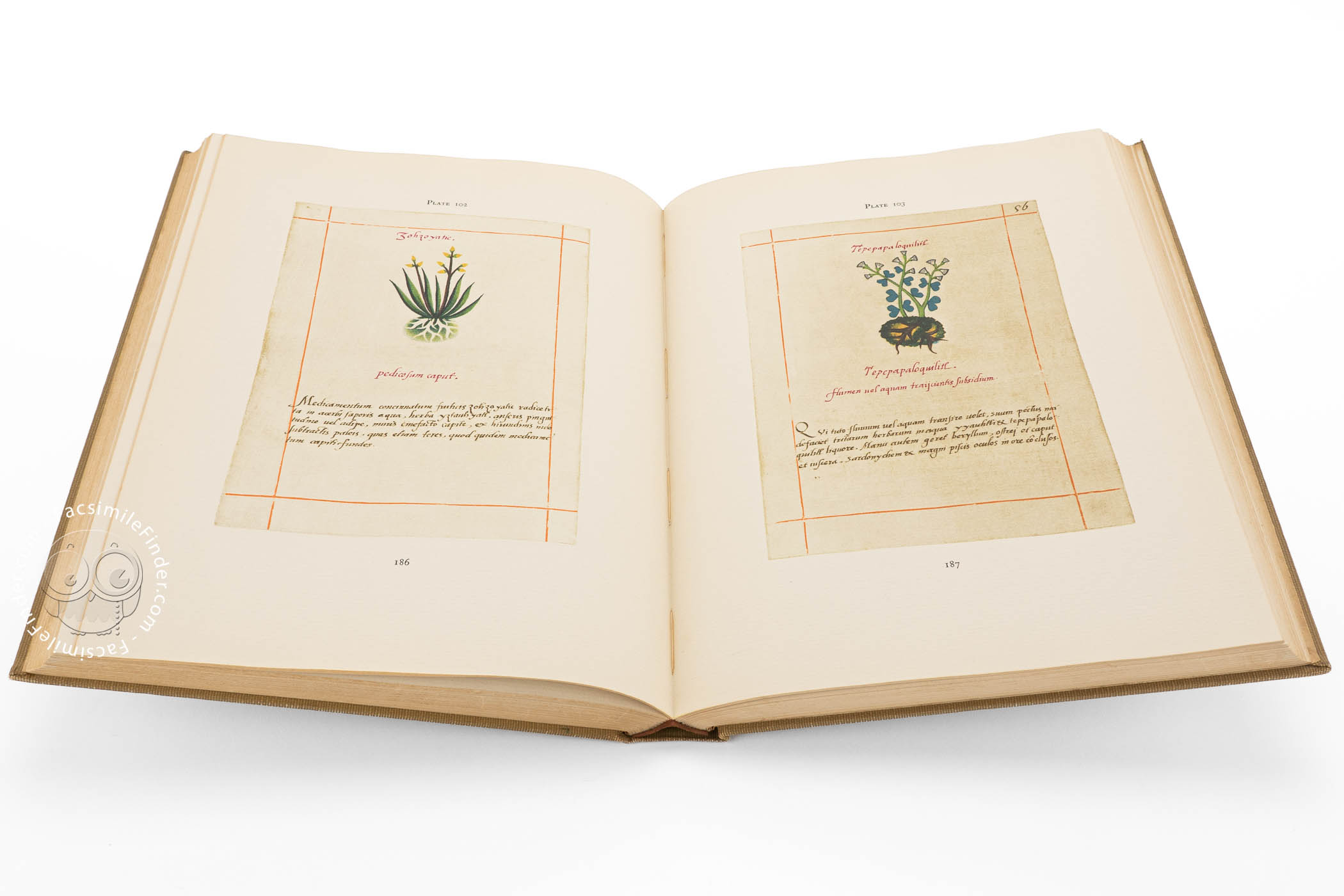
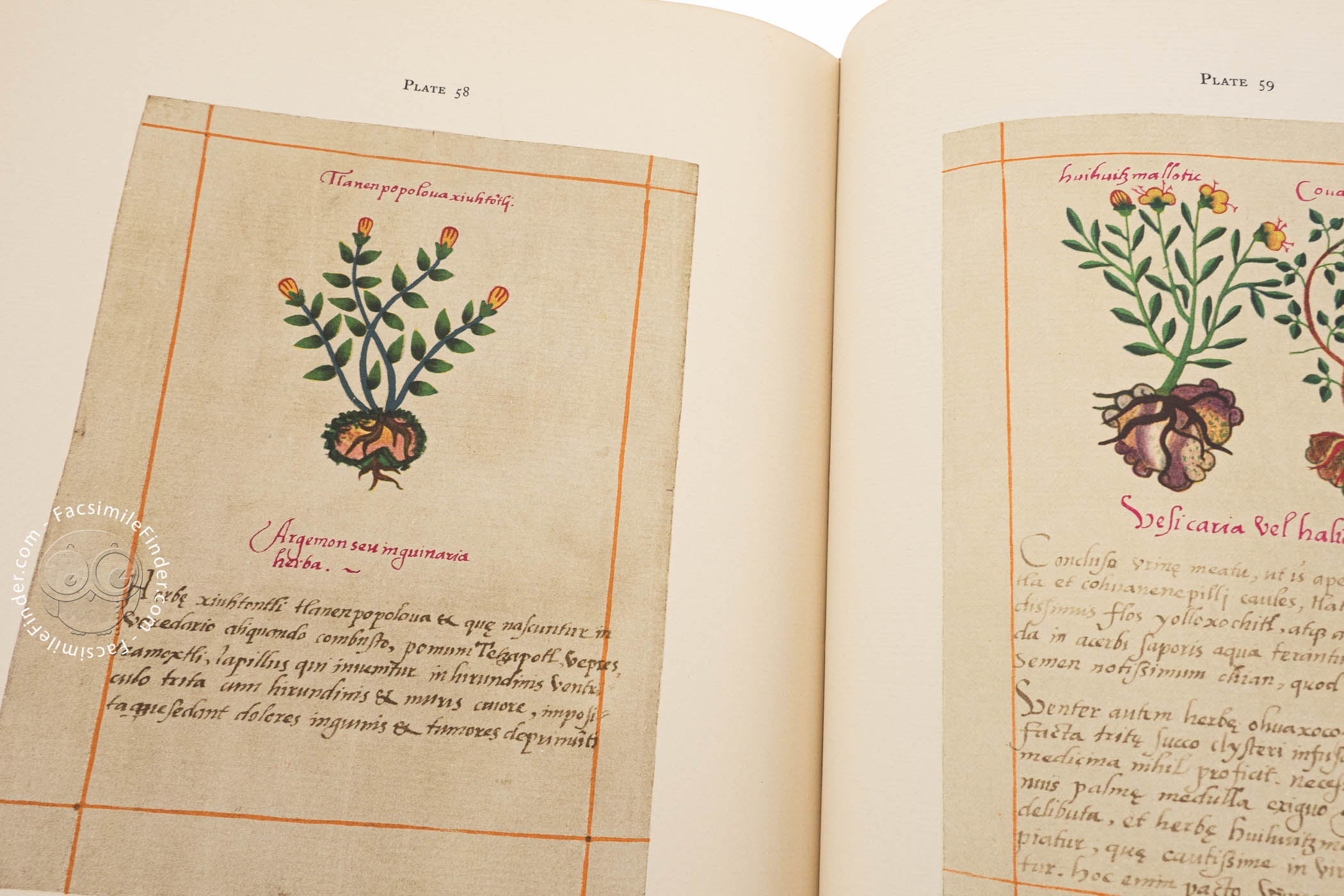
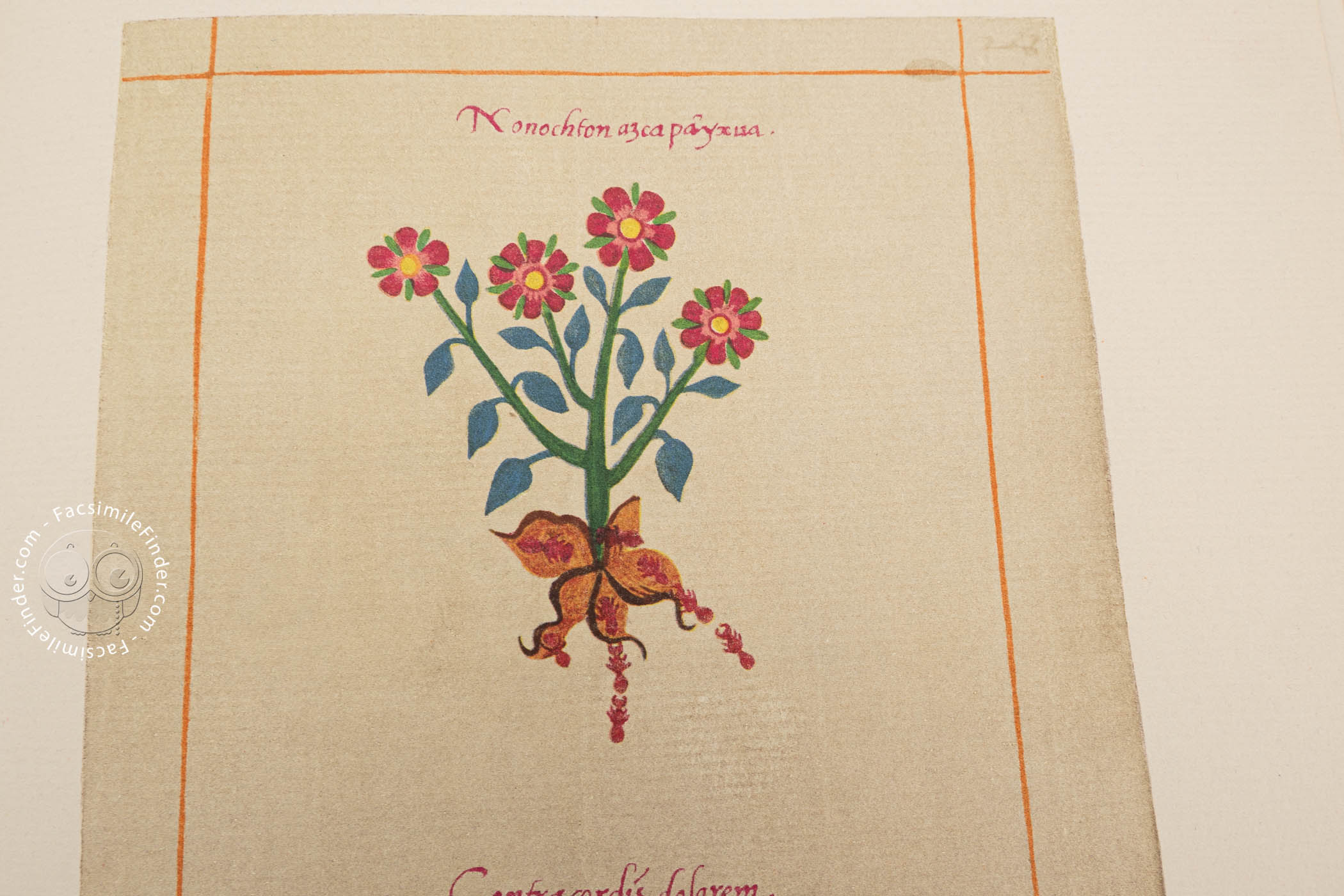
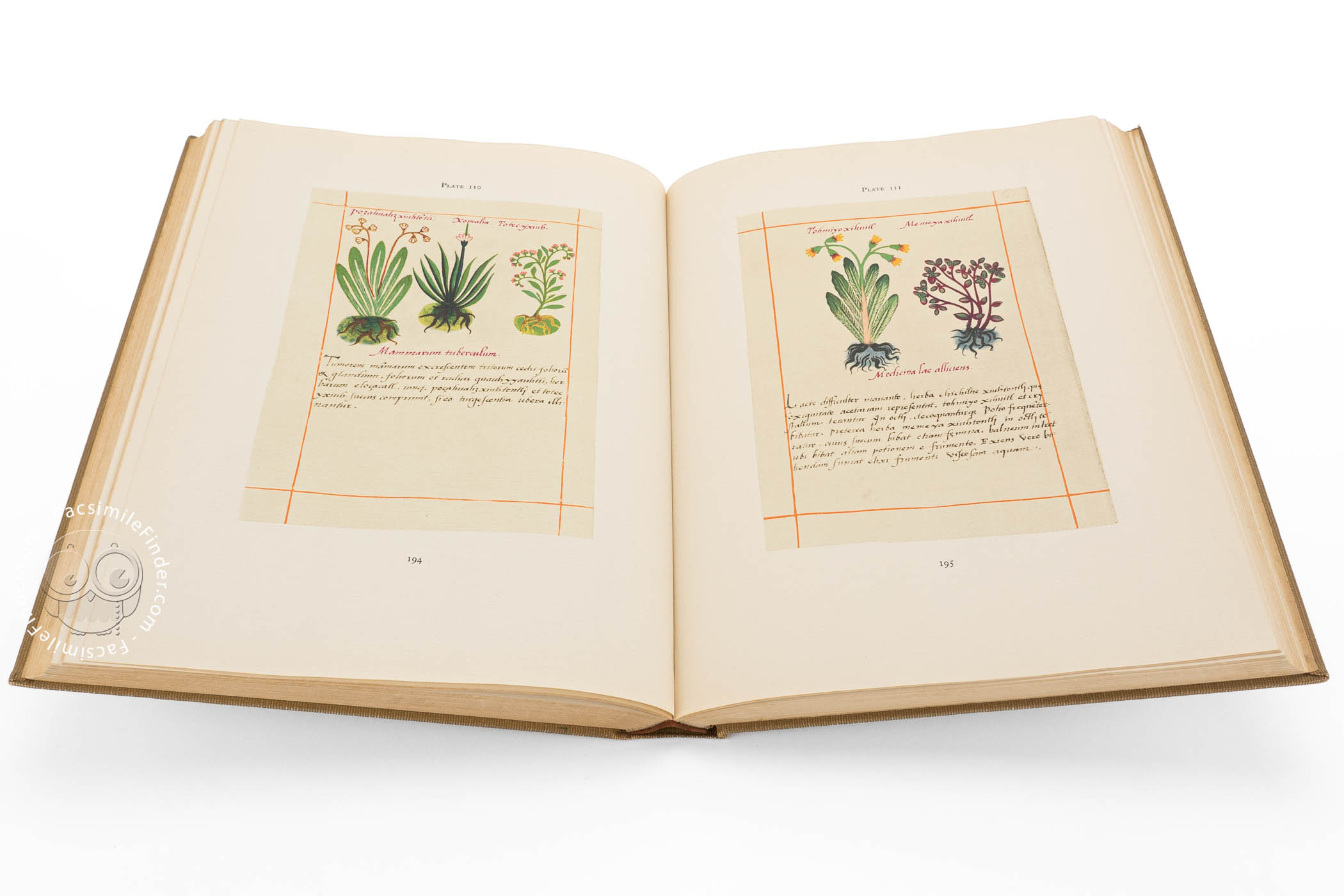
The Badianus Manuscript is a small, intensely practical book of healing—an illustrated Latin herbal produced in Mexico in 1552, at a moment when Indigenous knowledge, Franciscan education, and imperial networks were being stitched together on the page. Its very premise is bold: to present New Spain’s medicinal expertise in a learned European language, without stripping it of its local authority.
Colonial Mexico and the College of Santa Cruz
The manuscript identifies its author as Martinus de la Cruz—a native and physician of the College of Santa Cruz—and anchors its origin in the intellectual world of Tlatelolco, where Nahua elites were trained in Latin and Christian learning. It belongs to the same colonial milieu that also produced the Florentine Codex, another major record shaped through collaboration between friars and Indigenous scholars.
Yet the Badianus Manuscript is distinct in scale and purpose: not an encyclopedic account of New Spain, but a concise, intensely functional book of remedies. It is explicitly dedicated to Don Francisco de Mendoza, son of the first viceroy, Don Antonio de Mendoza—a signal that this knowledge was intended to circulate at the highest levels of colonial patronage.
Scribal Collaboration and Visual Identification
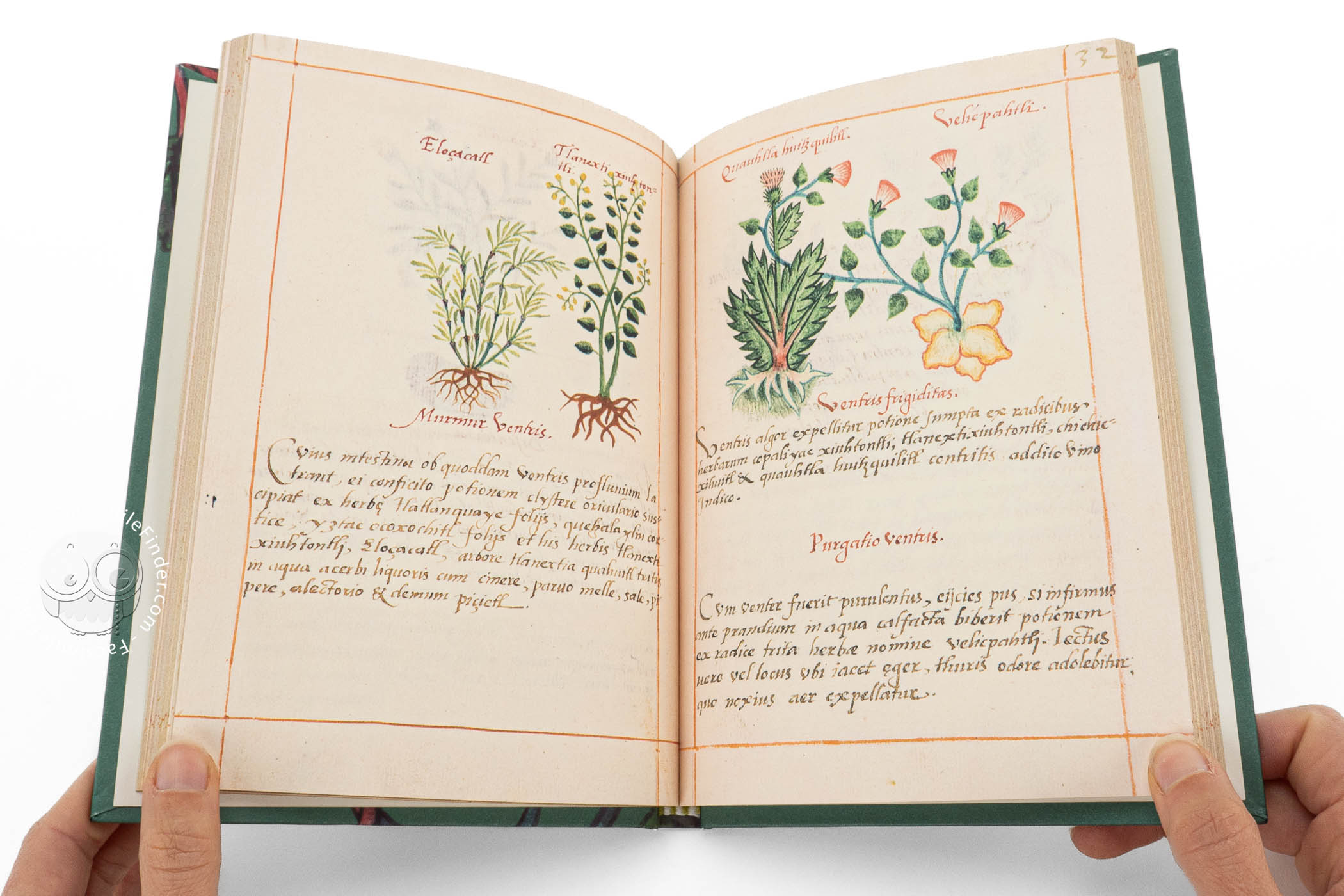
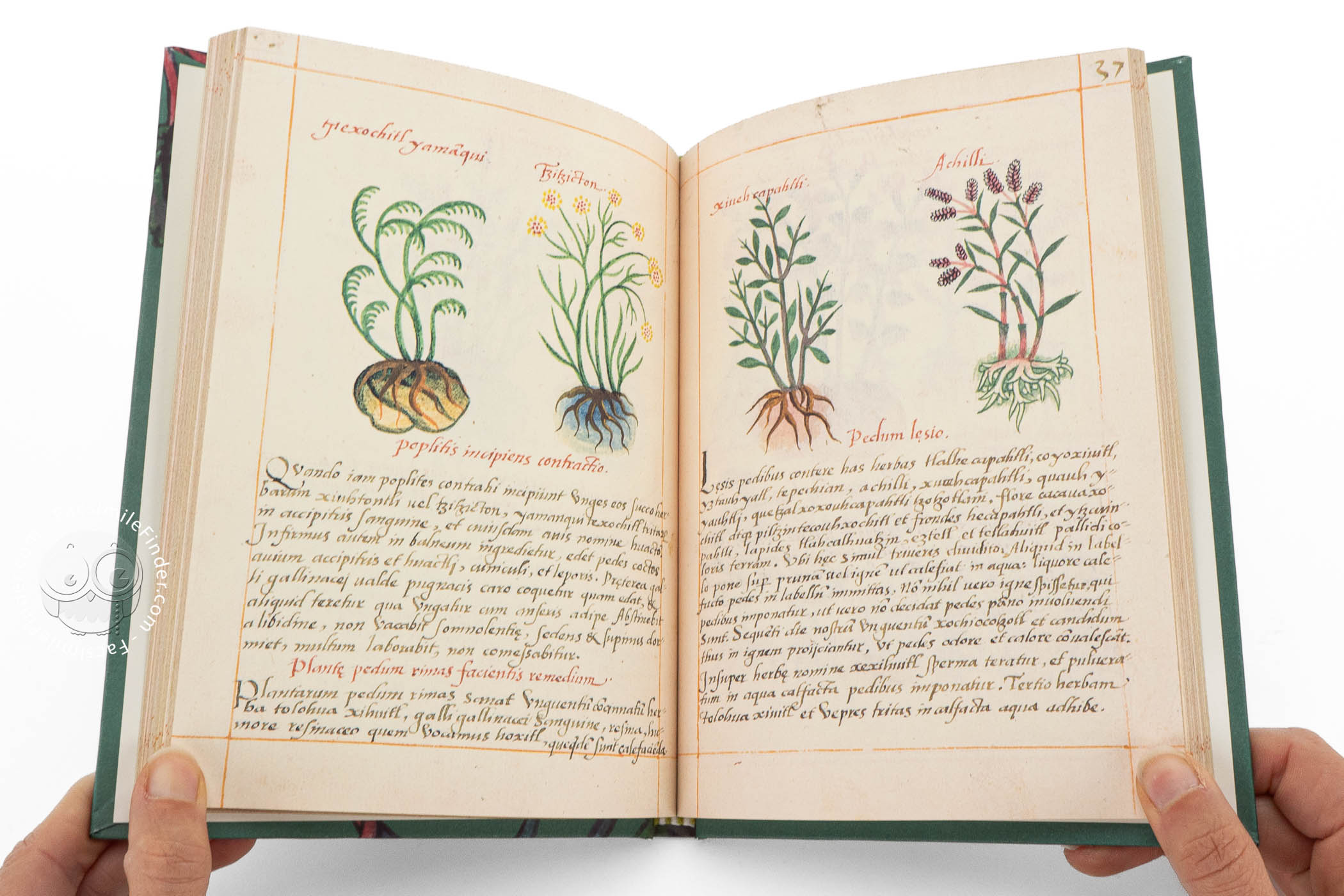
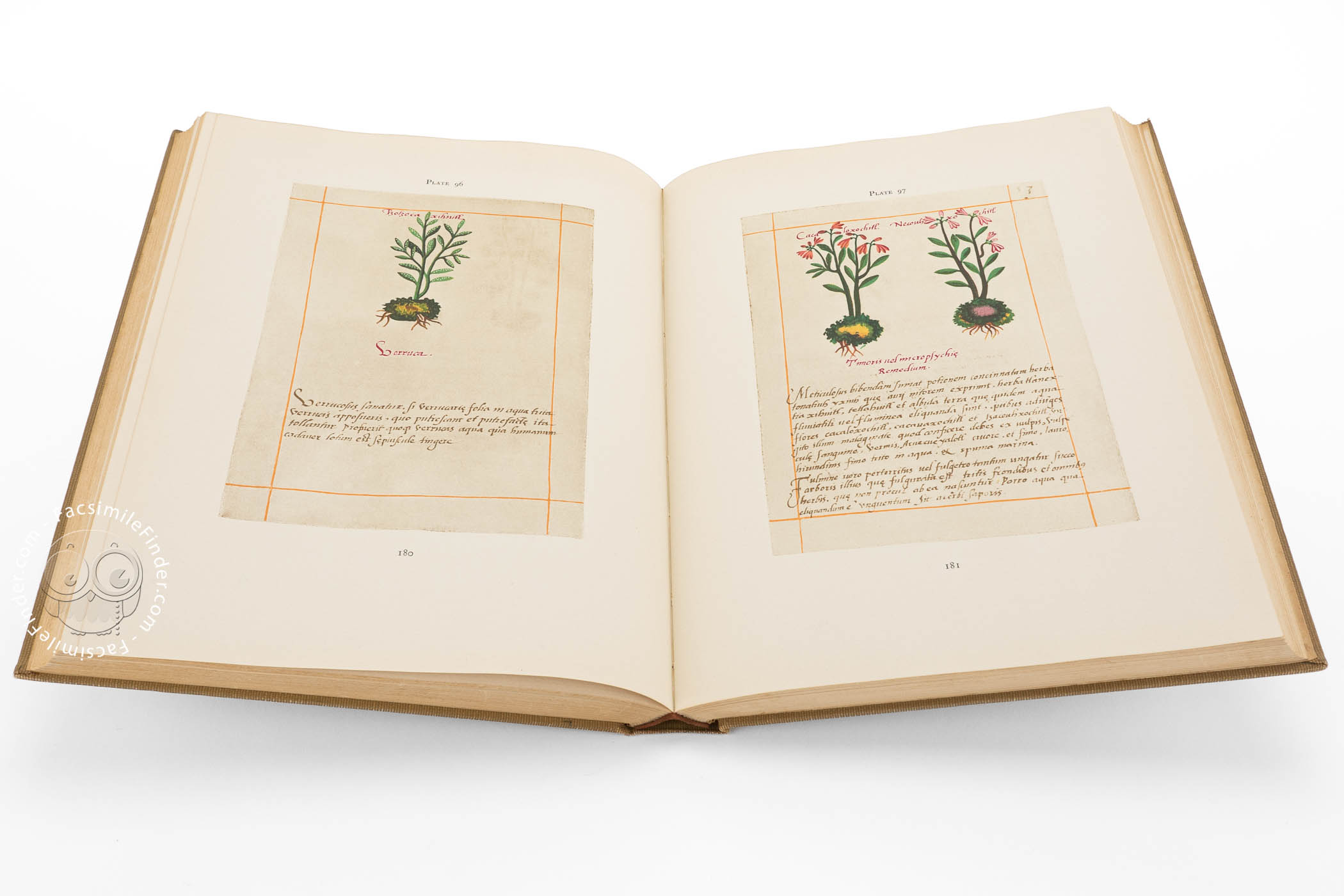
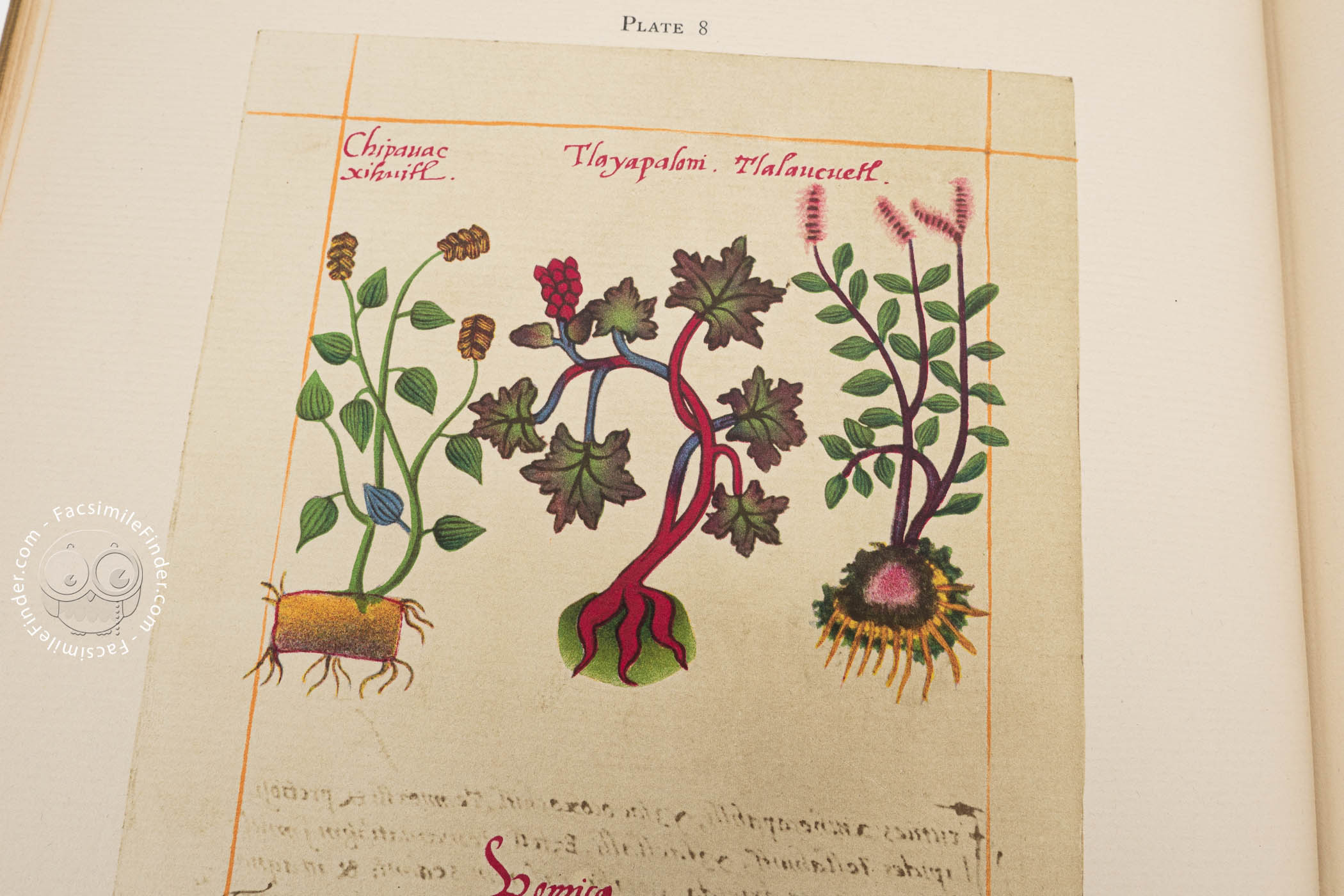
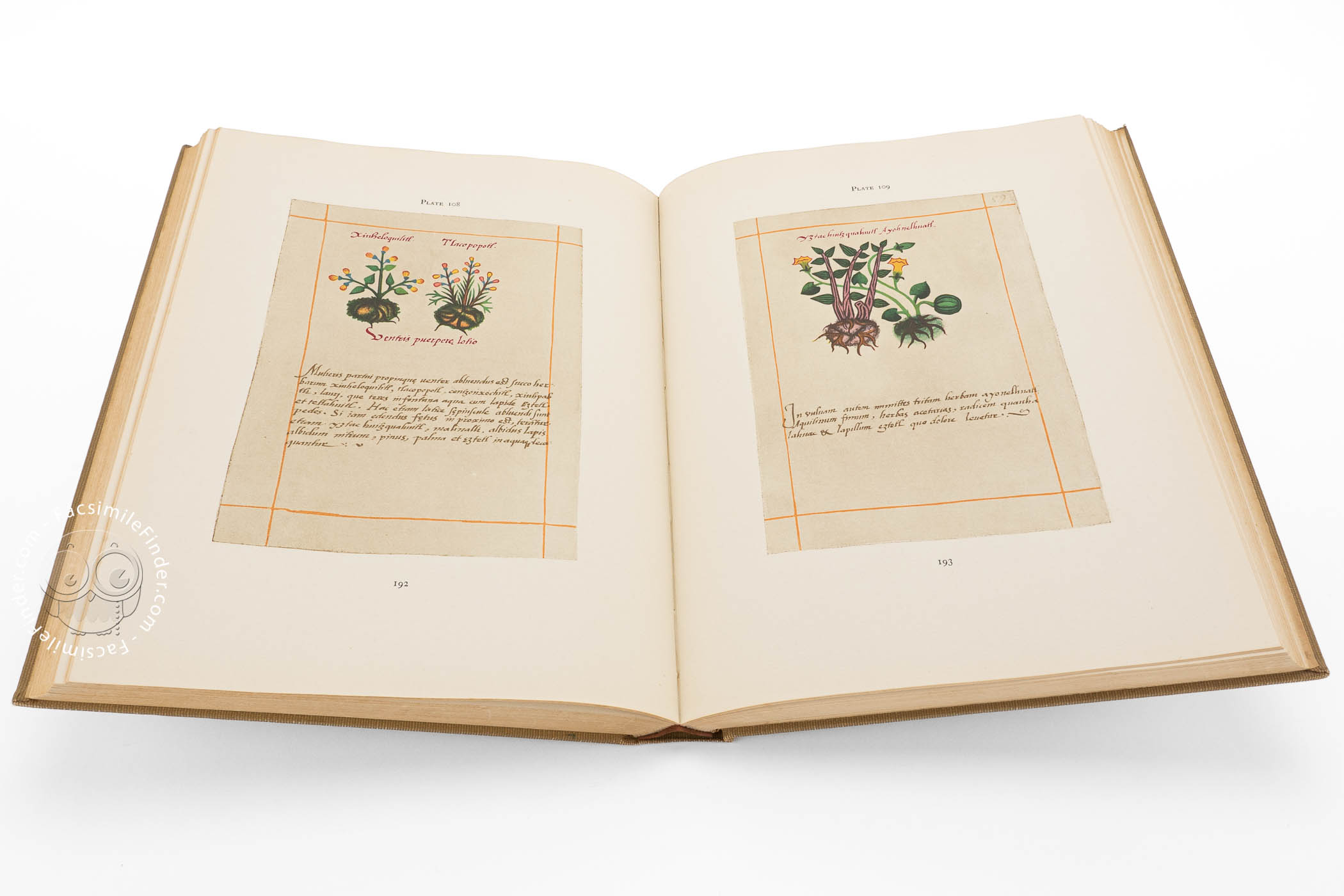
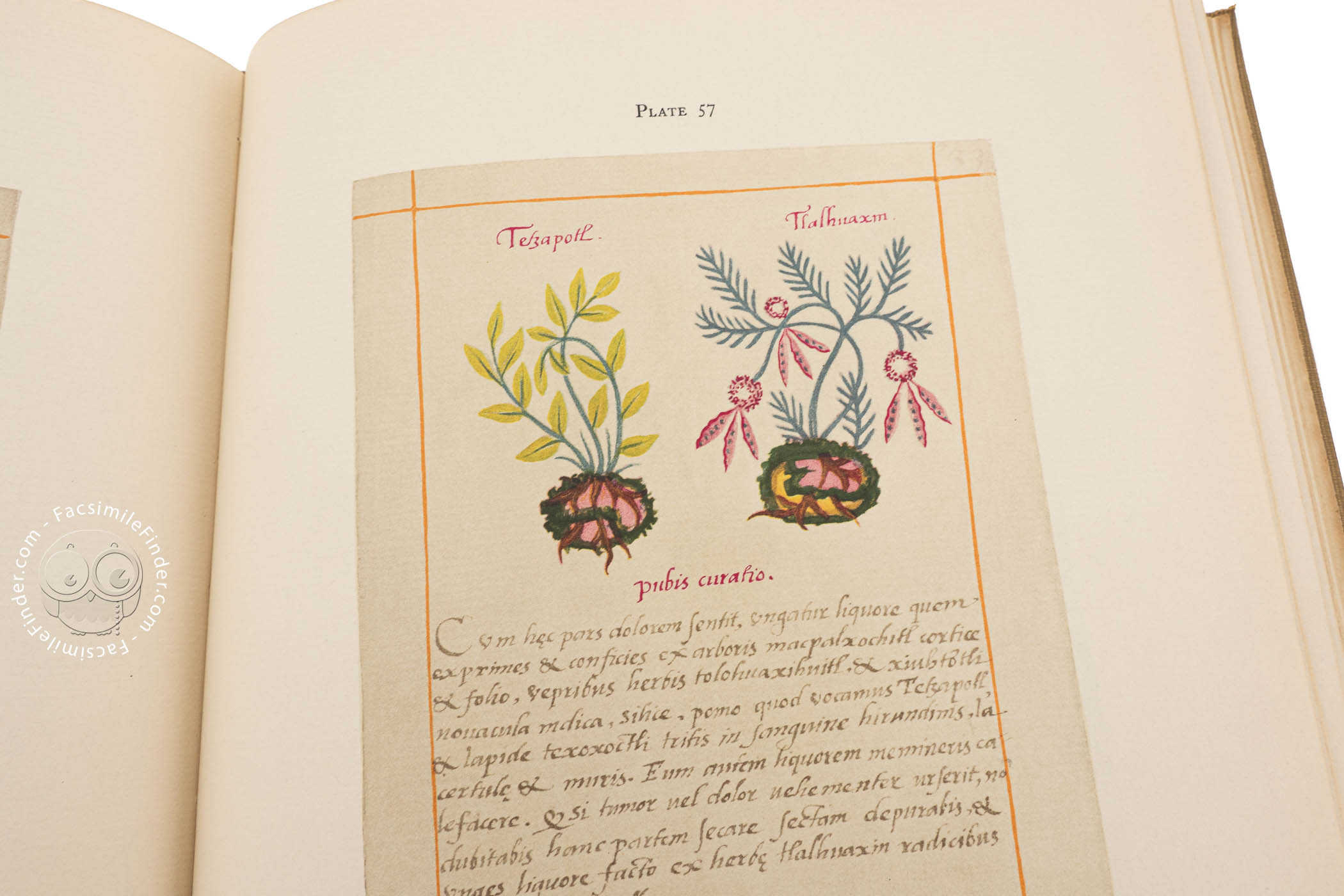
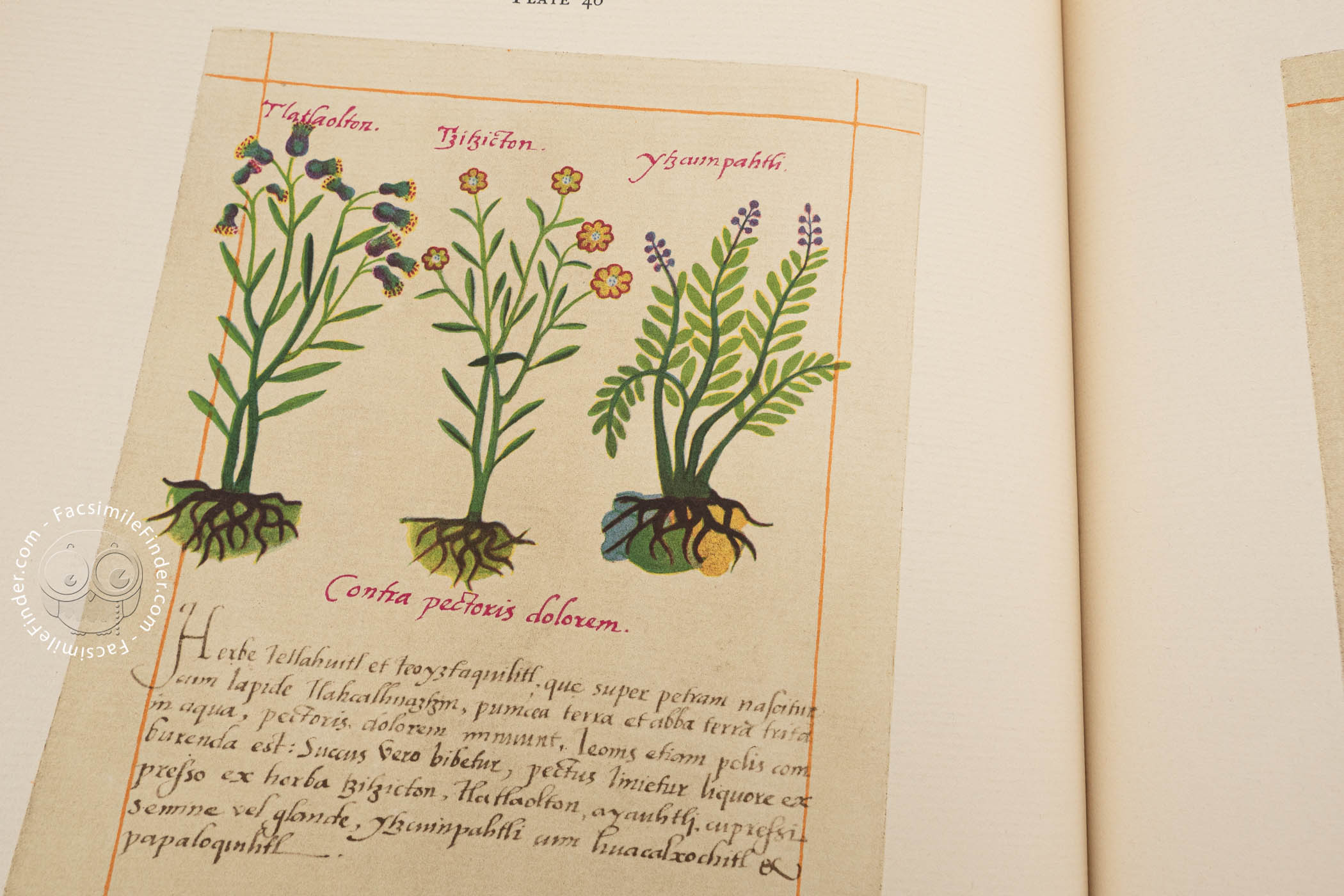
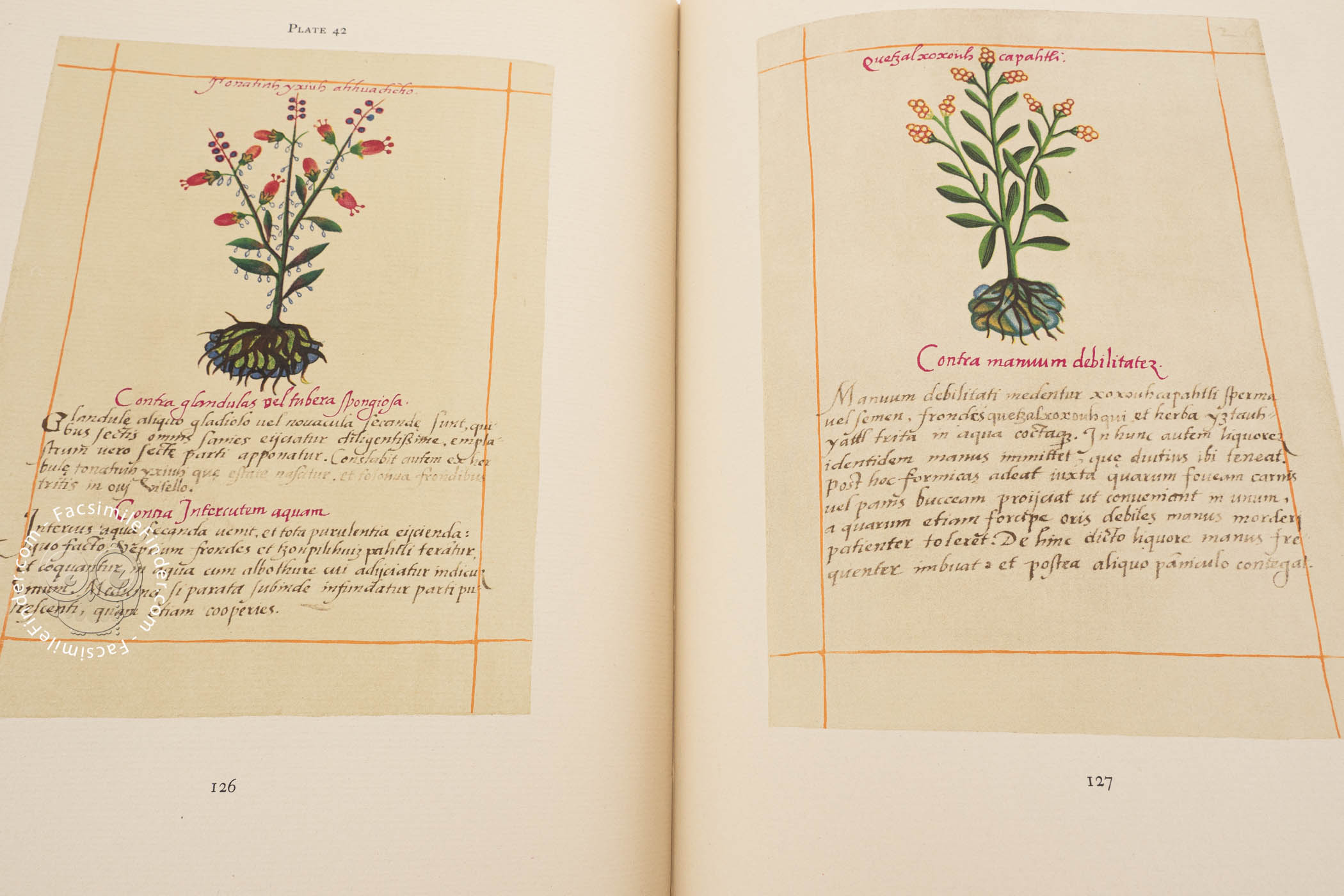
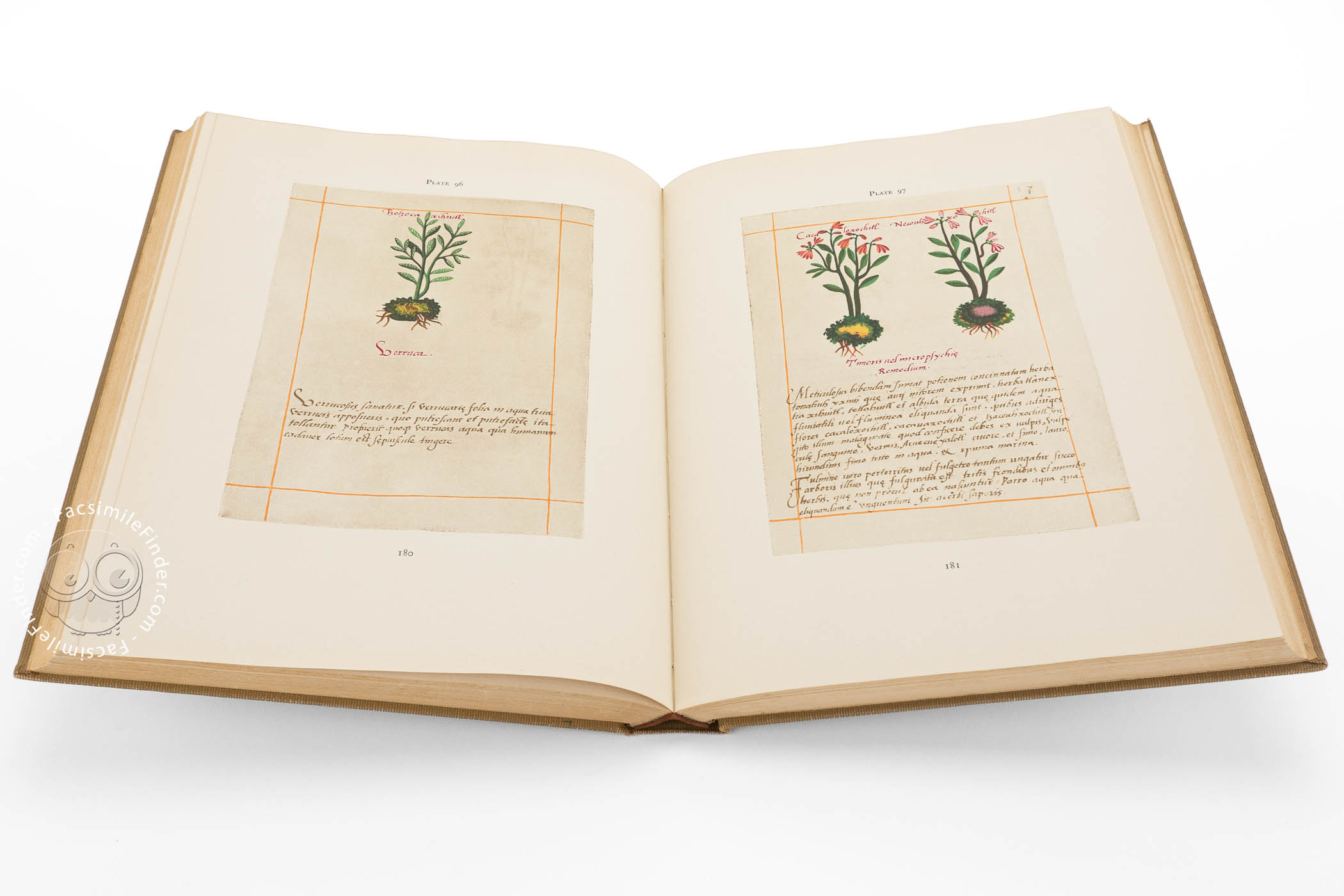
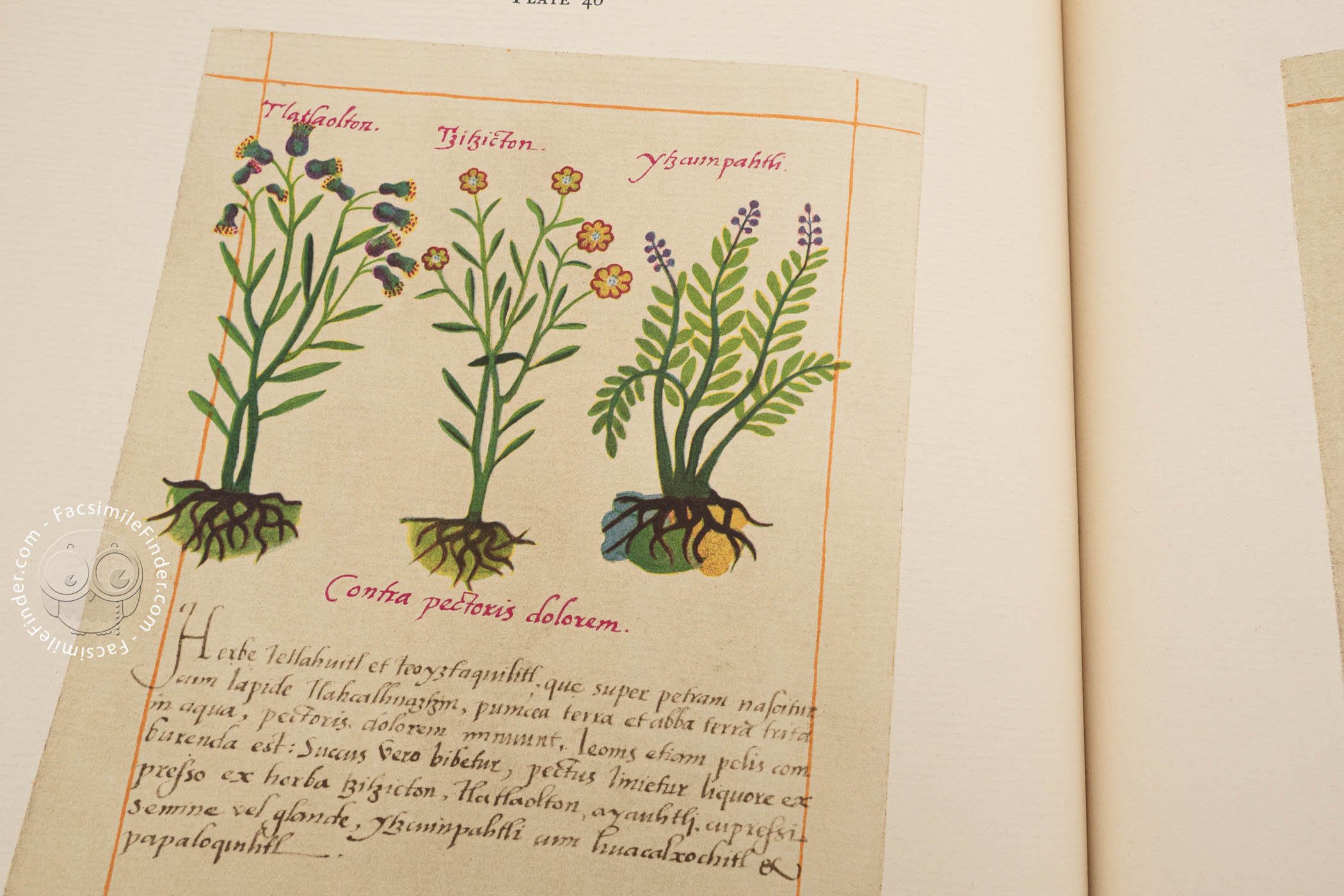
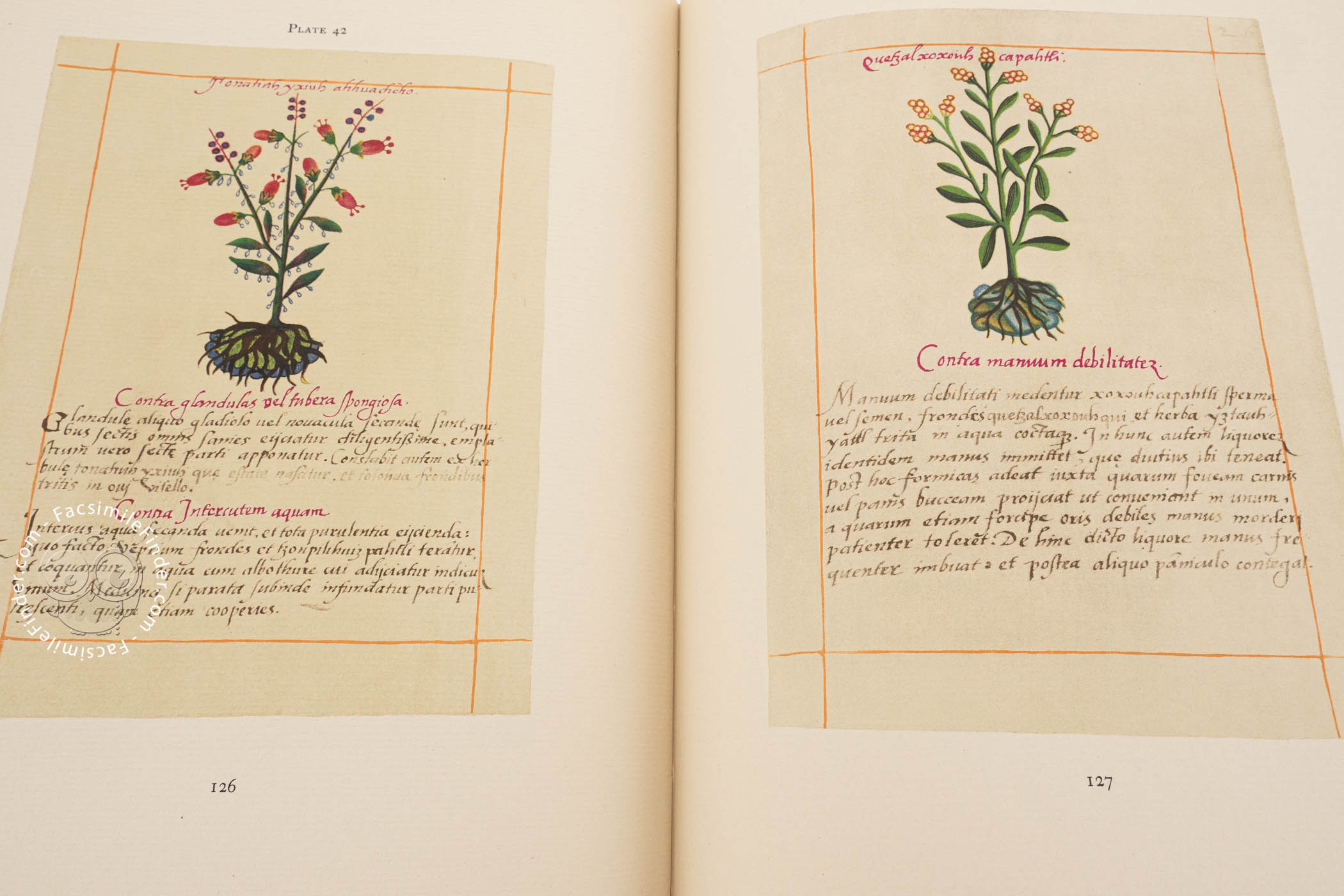
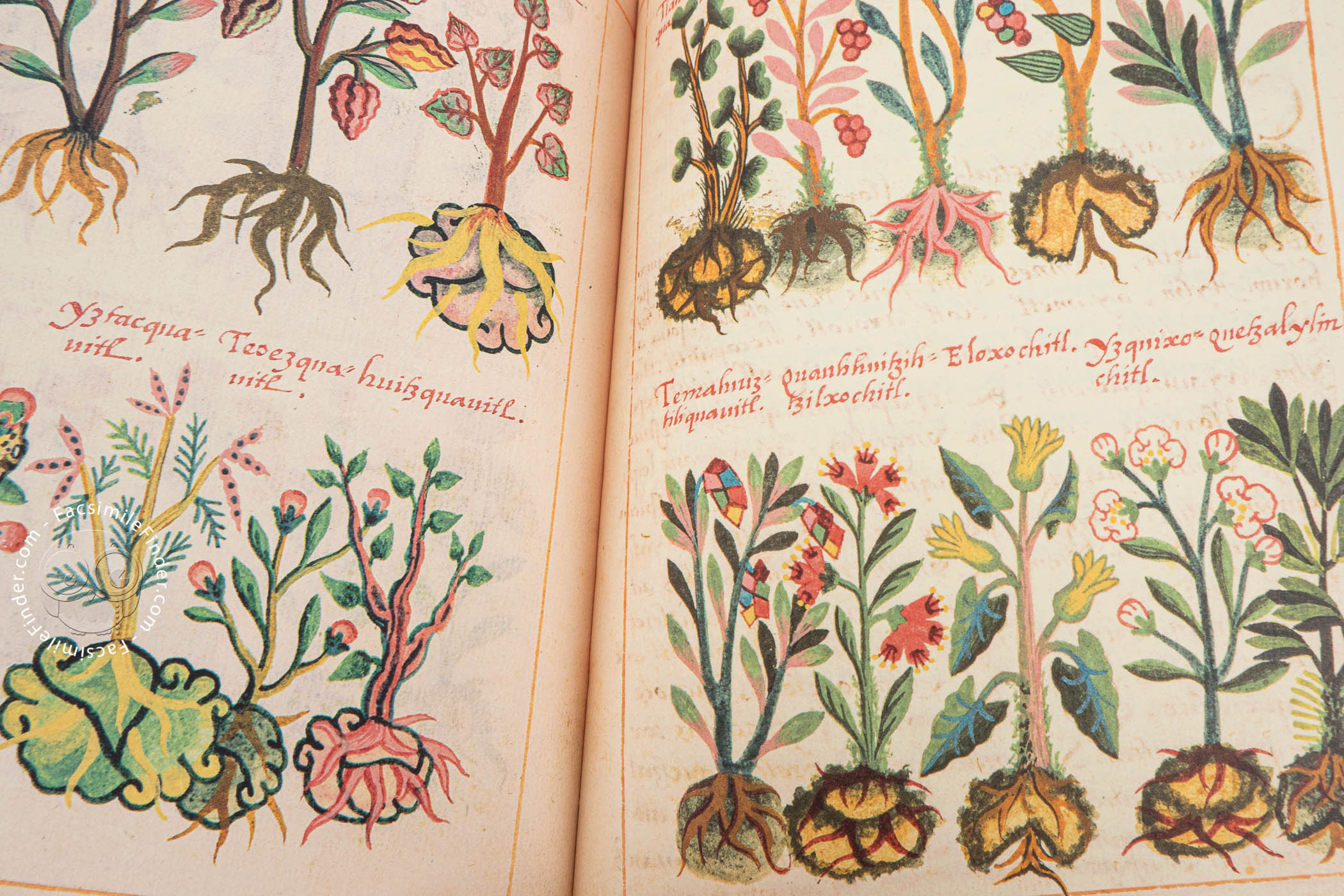
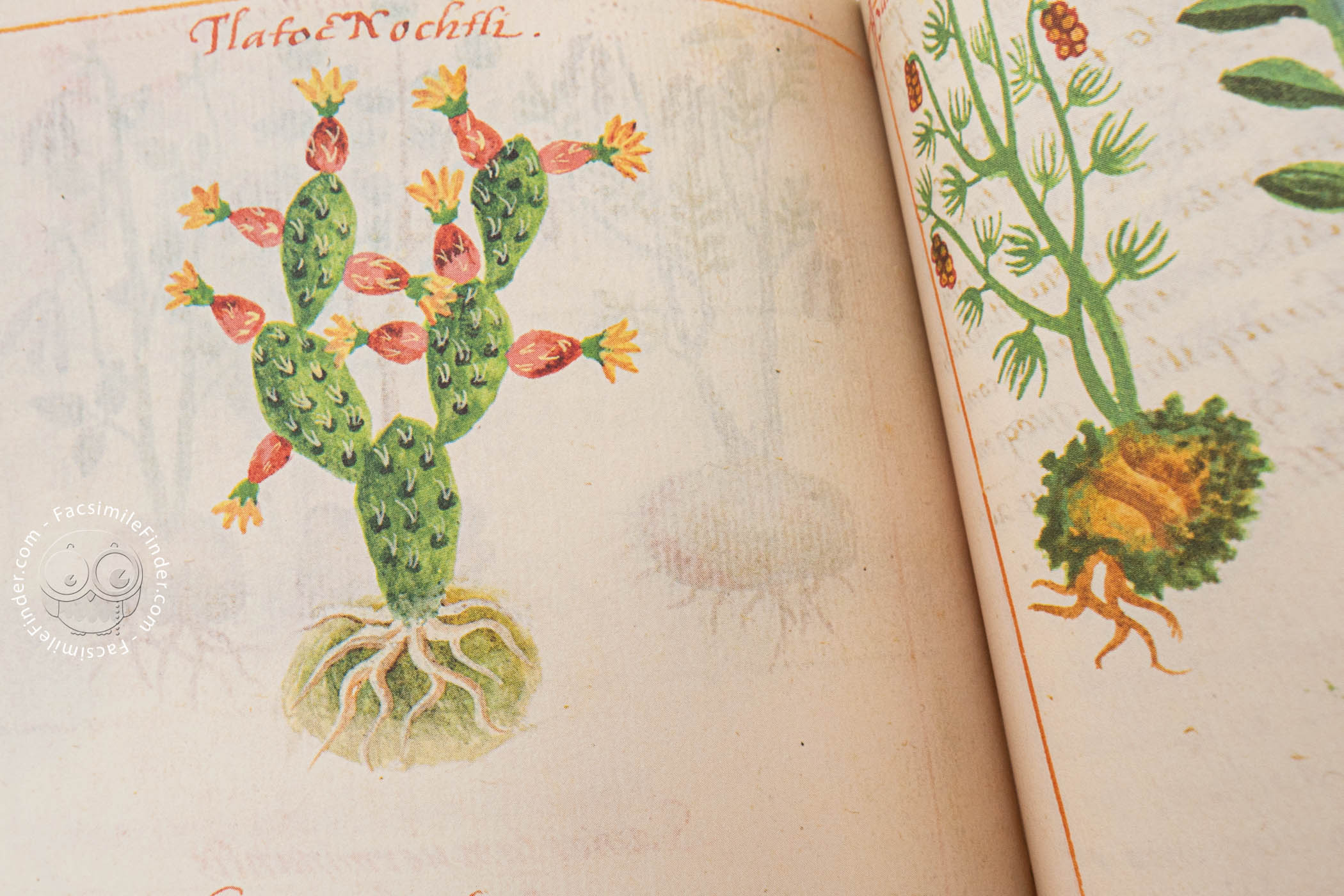
A rare note of process survives: the text was first written in Aztec (Nahuatl) on loose sheets by Martinus and translated into Latin by Juannes Badianus, a native “Reader” at the same college. The book’s care and beauty lie not in gilded splendour but in its disciplined clarity—illustrations serve identification, pairing plants with recipes and directions for preparation and use.
Medicine, Materia Medica, and Accepted “Magic”
Often called America’s earliest medical book, the manuscript preserves remedies rooted in botanical practice, but also in stones and animal substances—charms as much as medicines—shaped for a Christian readership that tolerated certain kinds of healing wonder while omitting spoken incantations.
Color as Material Memory
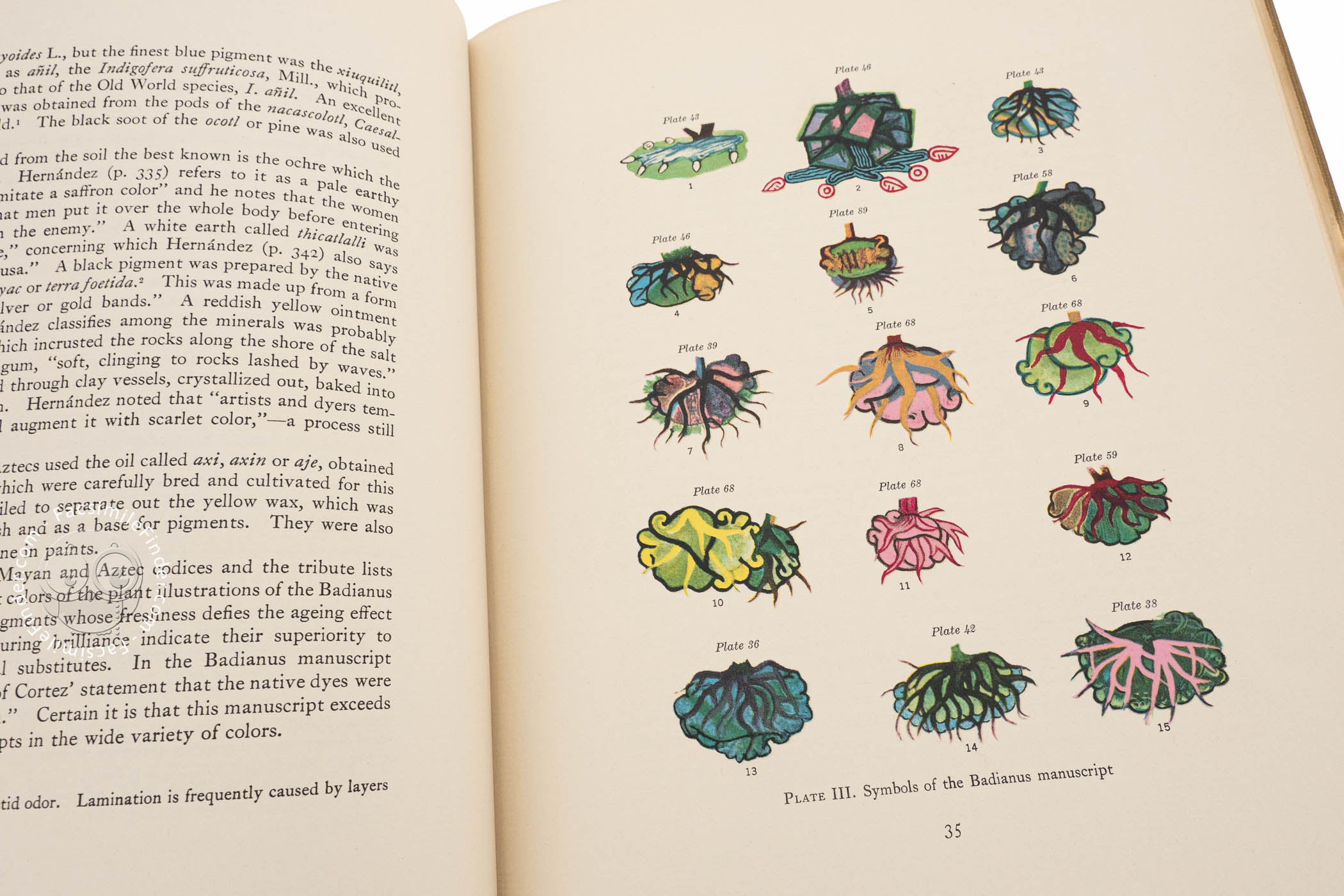
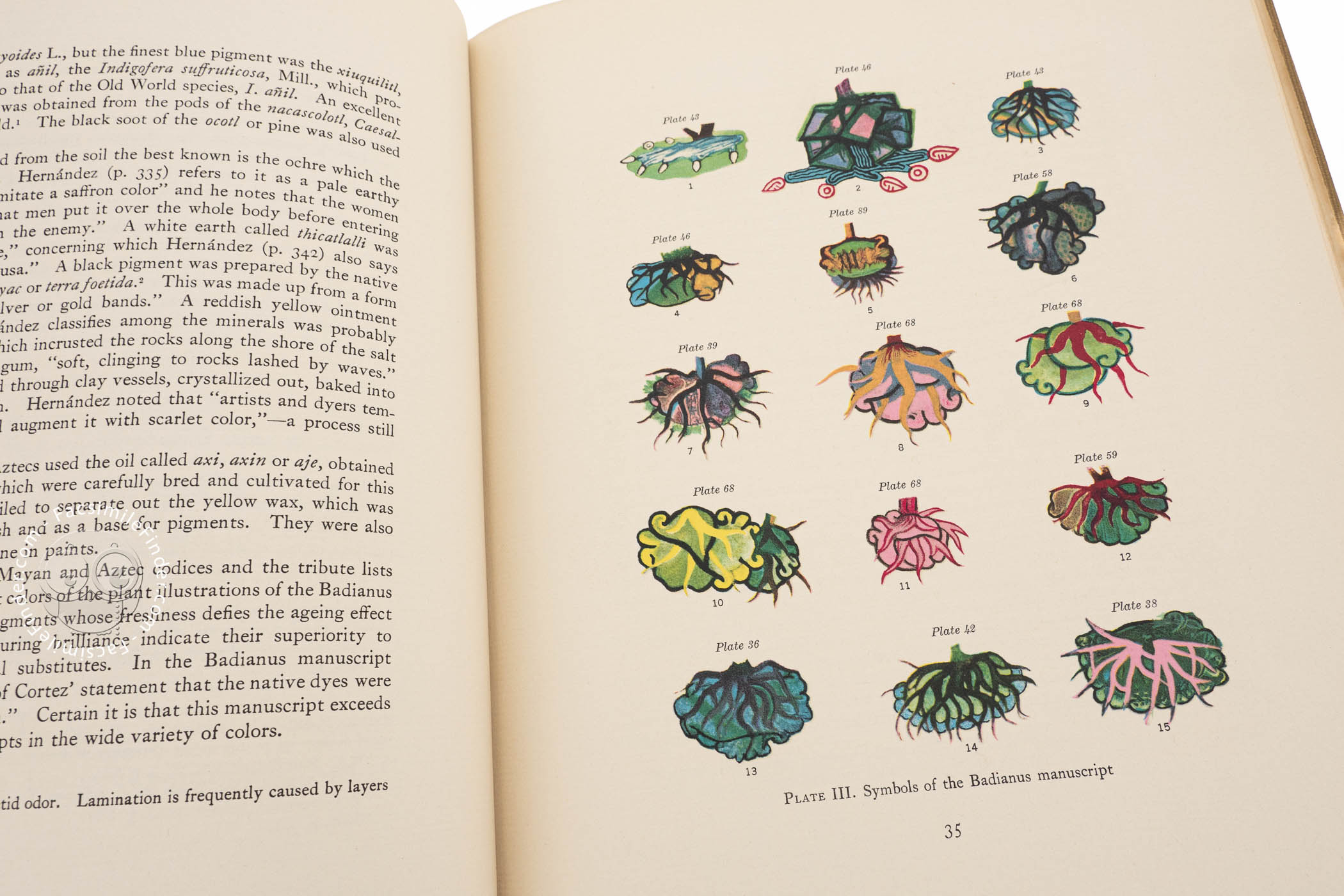
A final clue to the manuscript’s world lies in its colour range and its striking survival. The palette is broad and still vivid, pointing to a context in which dyes and pigments could be produced, handled, and stabilized with confidence.
Specific colours are enumerated—red, blue, green, black, white, yellow, orange, brown, and purple—suggesting an intention to record botanical forms not only by outline but by chromatic identity. In that light, the illustrations operate on two levels at once: they support recognition of plants for use in remedies, and they preserve a record of materials and craft practice embedded in 16th century Mexico.
Insights from the Commentary
1. Translation as Cultural Mediation
The Badianus Manuscript is not simply a record of indigenous medicine rendered into Latin, but a text transformed by translation. Juan Badiano must be understood as more than a linguistic intermediary: his role was also conceptual, adapting Nahua therapeutic knowledge into forms legible to a sixteenth-century European learned readership. That is why the manuscript adopts the appearance of a European herbal, with references and disease categories recognizable to contemporary physicians, even when its plant knowledge and many of its names remain deeply rooted in Nahua practice.
In this sense, Badiano appears almost as a co-author, reshaping oral or written material associated with Martín de la Cruz into a manuscript capable of circulating within colonial power structures. What survives on the page, then, is not pure transmission but negotiated knowledge—indigenous medicine reframed through the rhetoric of Latin medicine and scholastic authority.
2. The Yolloxochitl and the Problem of Meaning
Although later tradition associated the yolloxochitl (“heart-flower”) with cardiac treatment, in the Libellus it is prescribed for Abdericam mentem, a learned Greco-Roman expression for a kind of mental stupor. This apparent contradiction opens a crucial interpretive question. In Nahua thought, the heart was not merely a physical organ but a seat of cognition, emotion, memory, and vital force.
The Latin diagnosis obscures an indigenous conceptual framework in which mental and affective disturbance could be expressed through the language of the heart. The result is a striking example of how colonial translation can displace native meanings without entirely erasing them. The manuscript preserves the Nahuatl name, but the therapeutic logic has been partially recoded through European terminology.
3. A Colonial Herbal as Testimony and Survival
The manuscript is an intercultural artifact born within the highly controlled environment of the Colegio de Santa Cruz de Tlatelolco, where indigenous scholars were trained within a colonial Christian framework. Precisely for that reason, the Libellus can be read in two ways at once: as a demonstration of successful acculturation and as a subtle act of cultural resilience. Its format, structure, and medical vocabulary align it with European materia medica, yet its Nahuatl plant names, visual strategies, and underlying therapeutic assumptions preserve another intellectual world beneath that surface.
The codex may be a copy of a now-lost original in Nahuatl, which deepens its status as a fragile witness to knowledge under pressure. What the Badianus Manuscript finally reveals is not a passive borrowing of European models, but the capacity of indigenous learned culture to appropriate foreign forms in order to endure, adapt, and leave testimony.
We have 2 facsimiles of the manuscript "Badianus Manuscript":
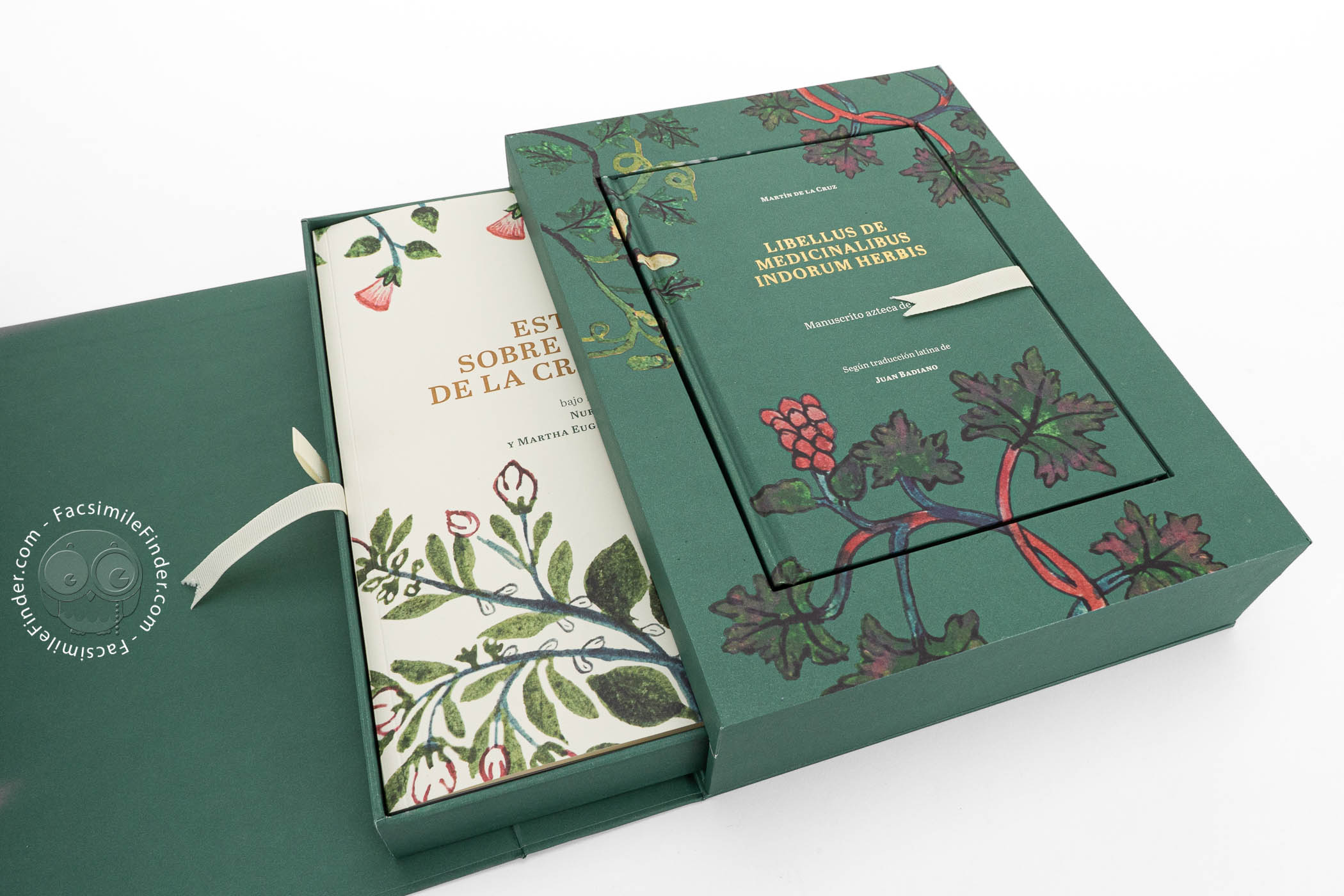
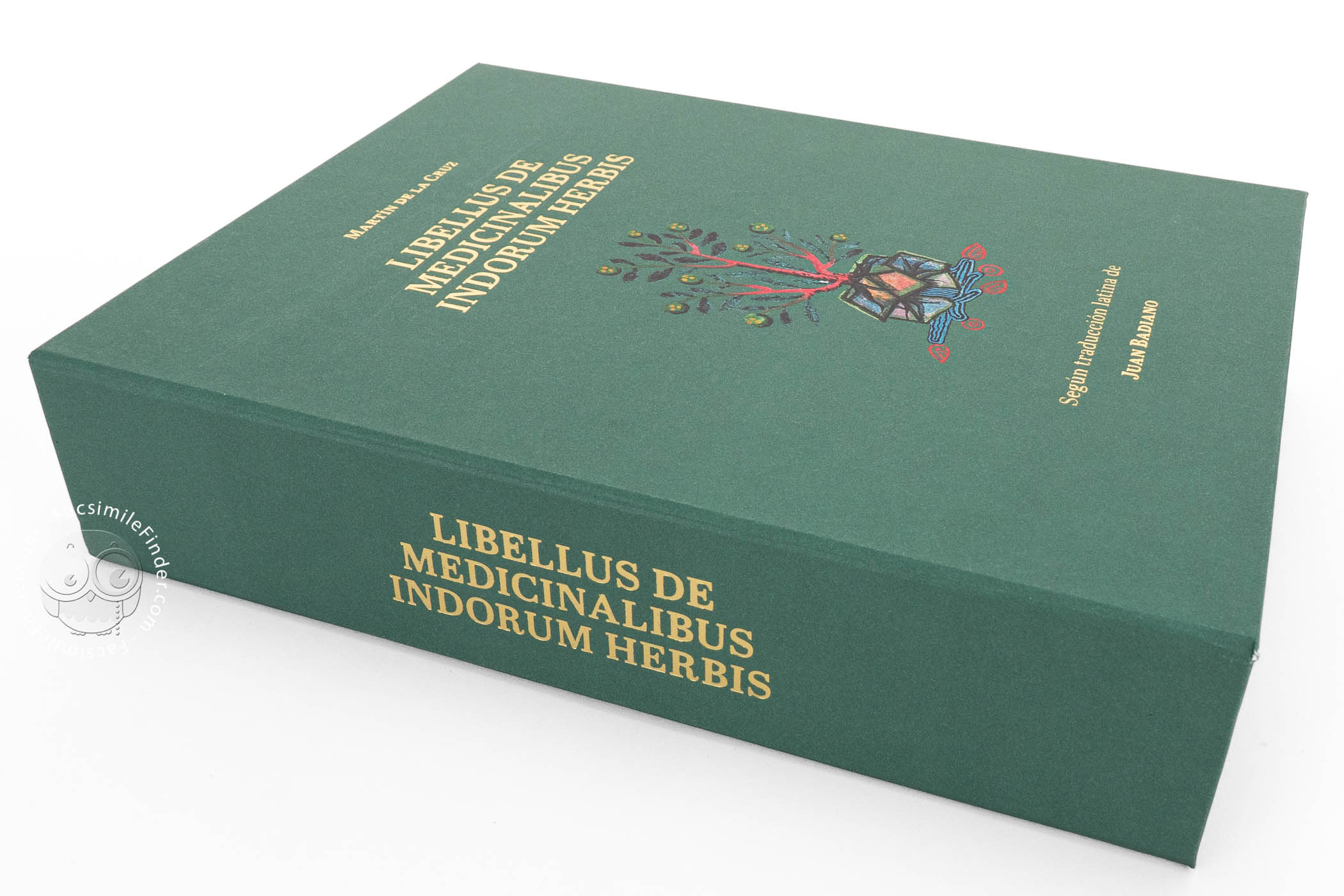
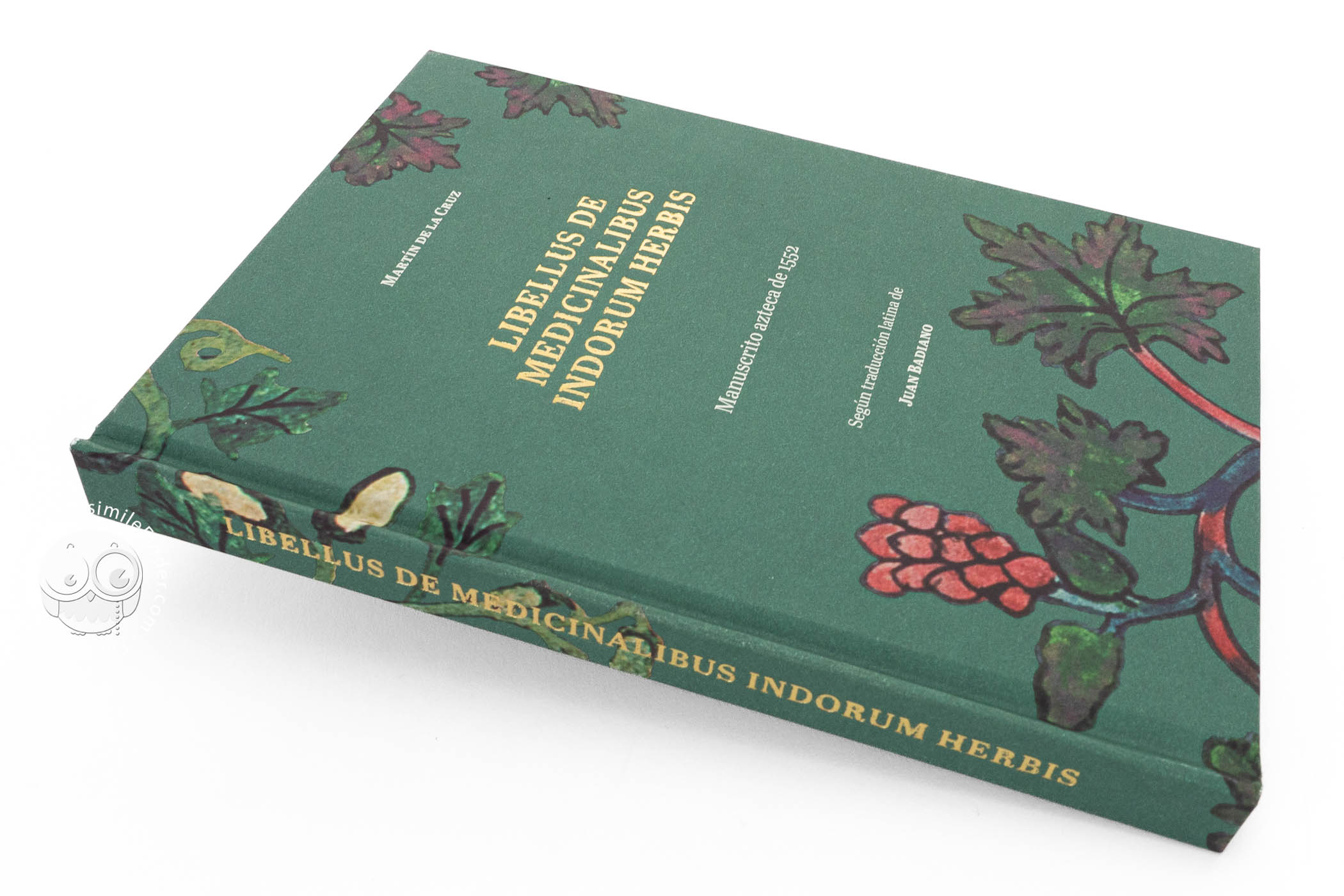
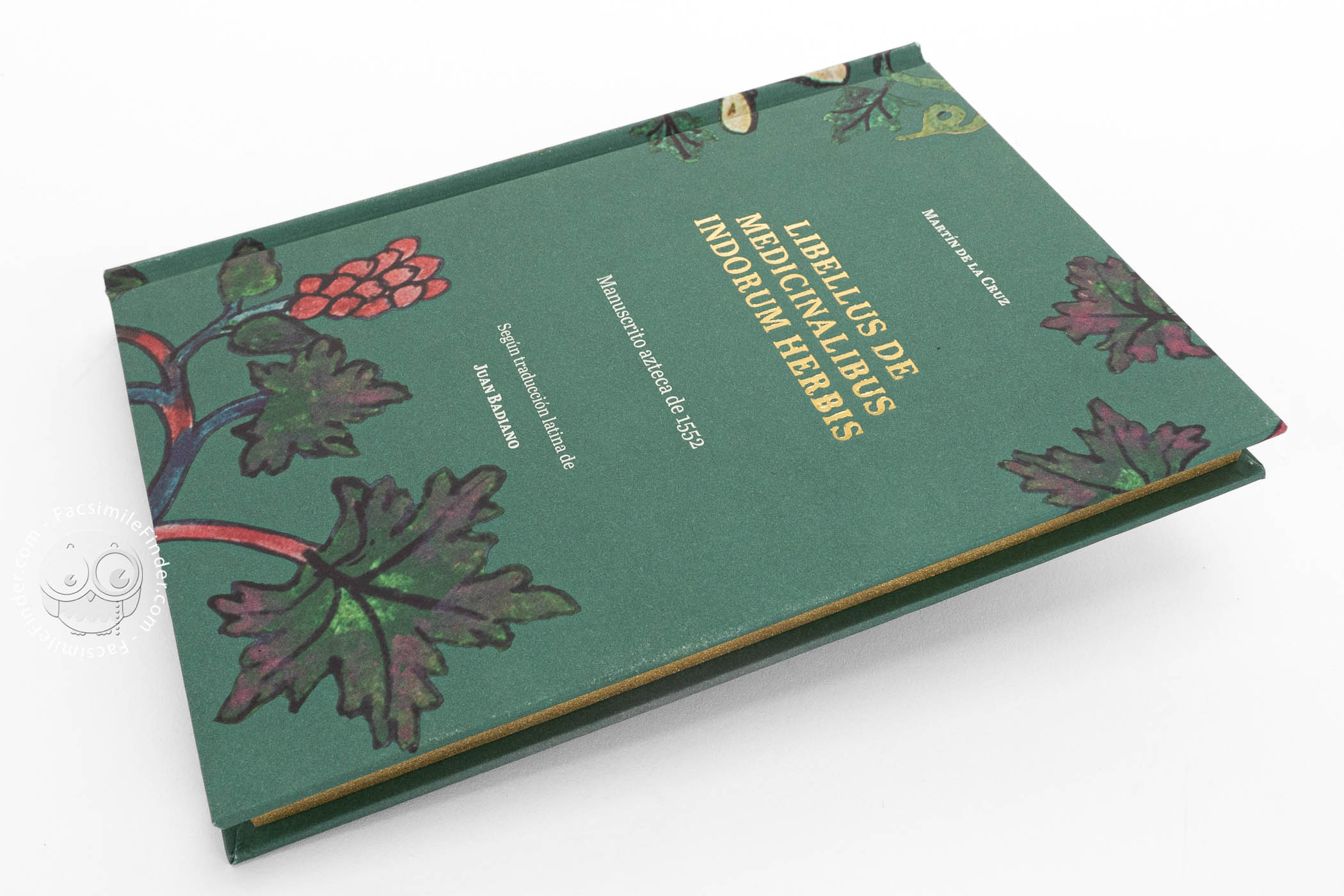
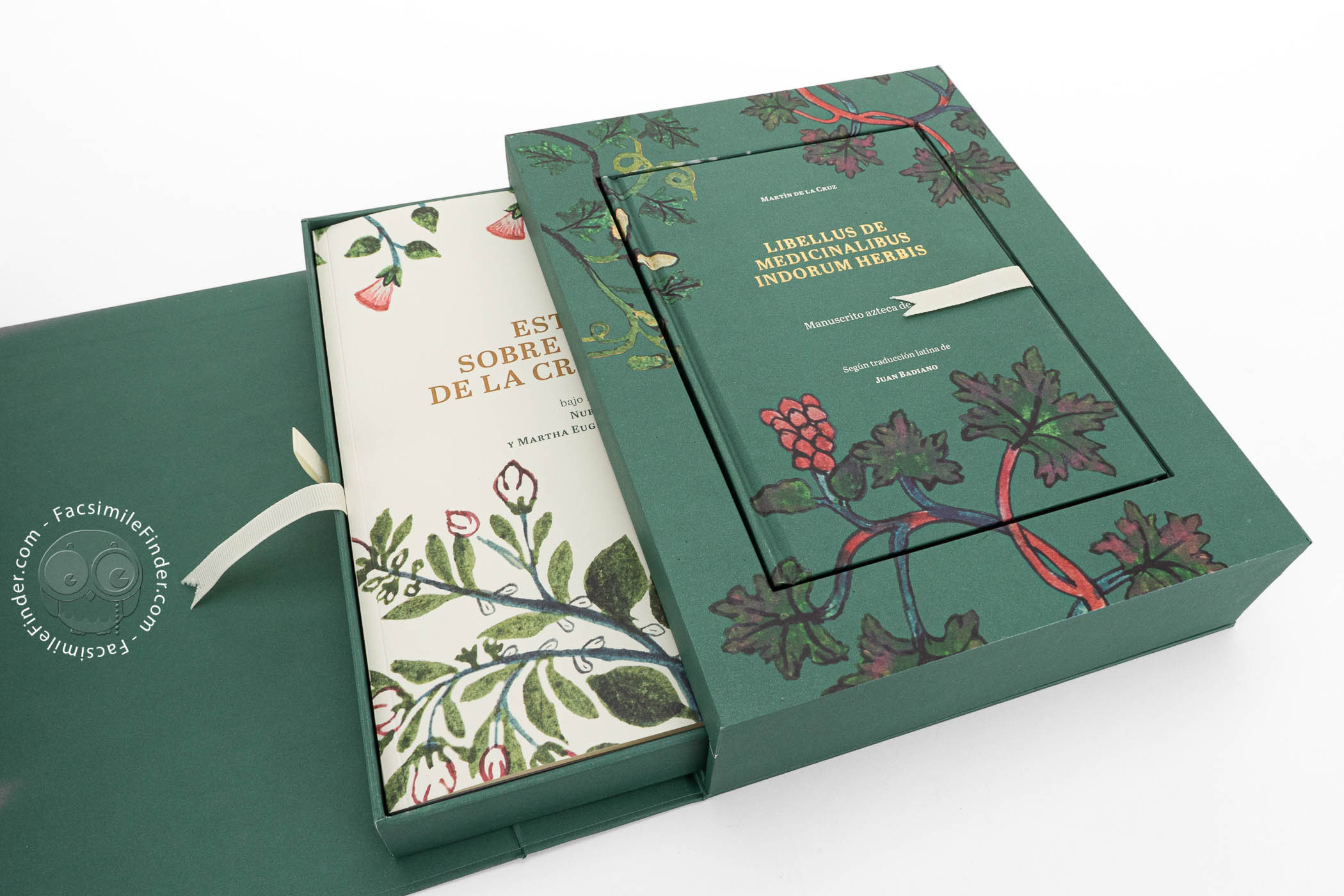
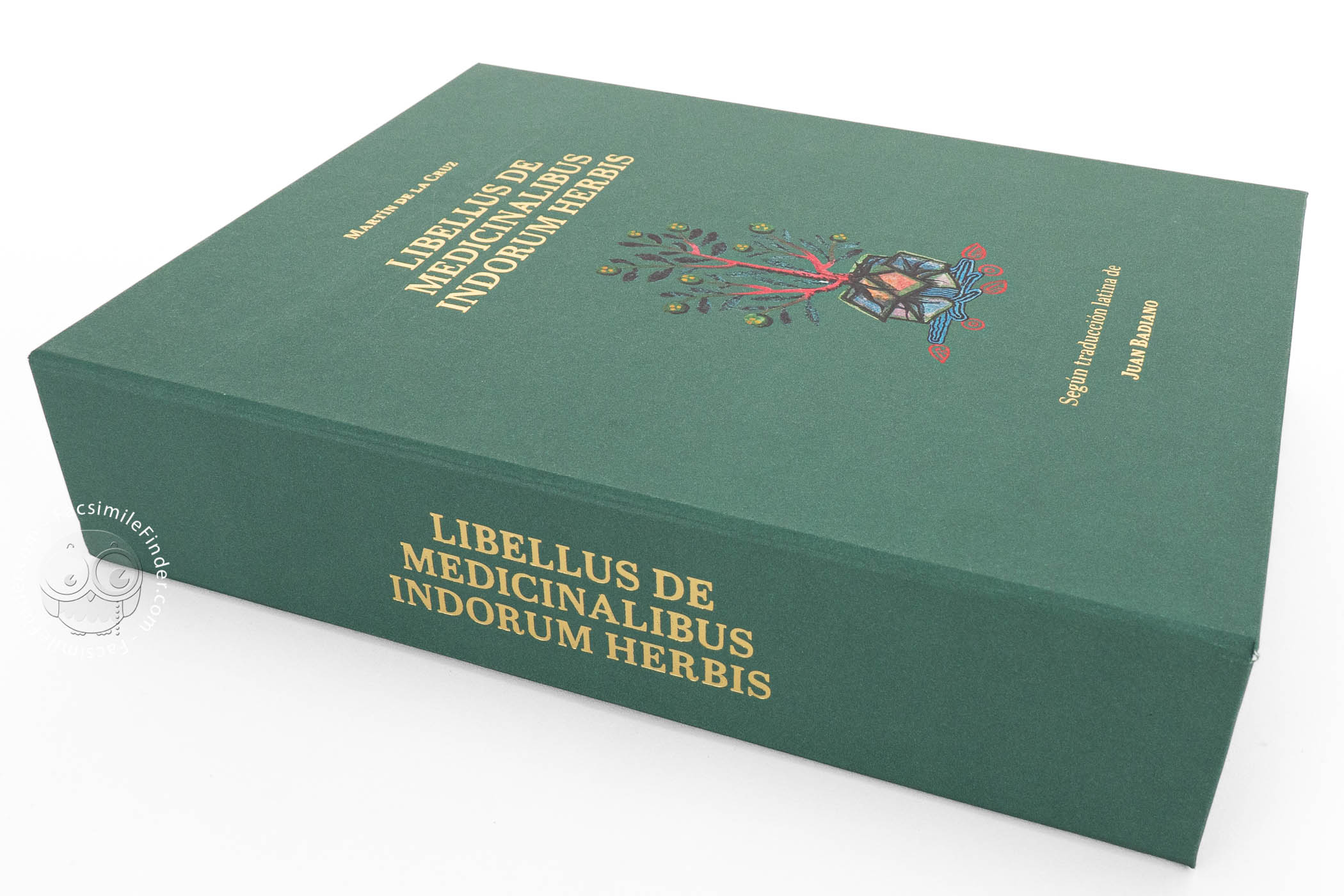
- Libellus de Medicinalibus Indorum Herbis facsimile edition published by Libros FacMed UNAM, 2022
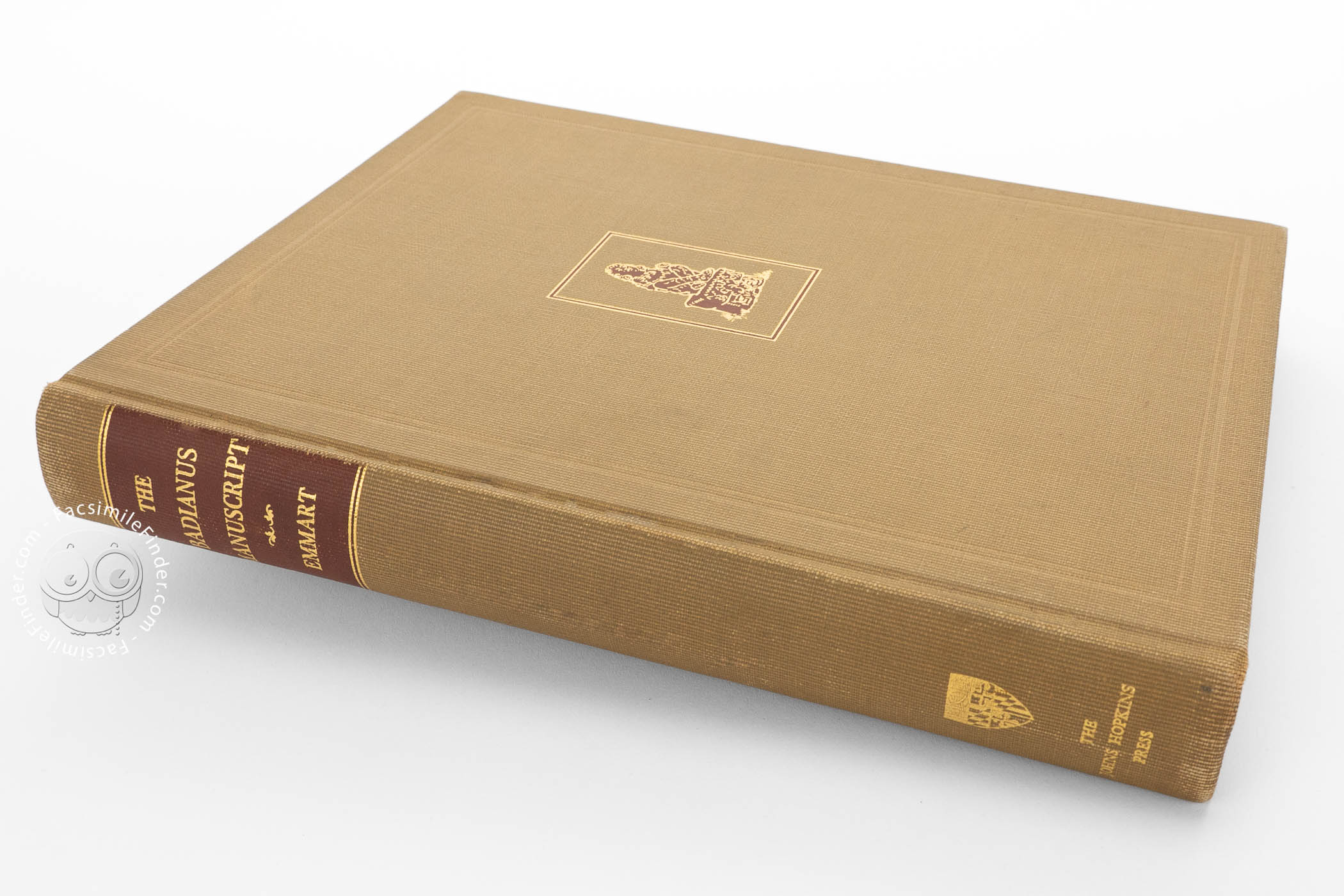
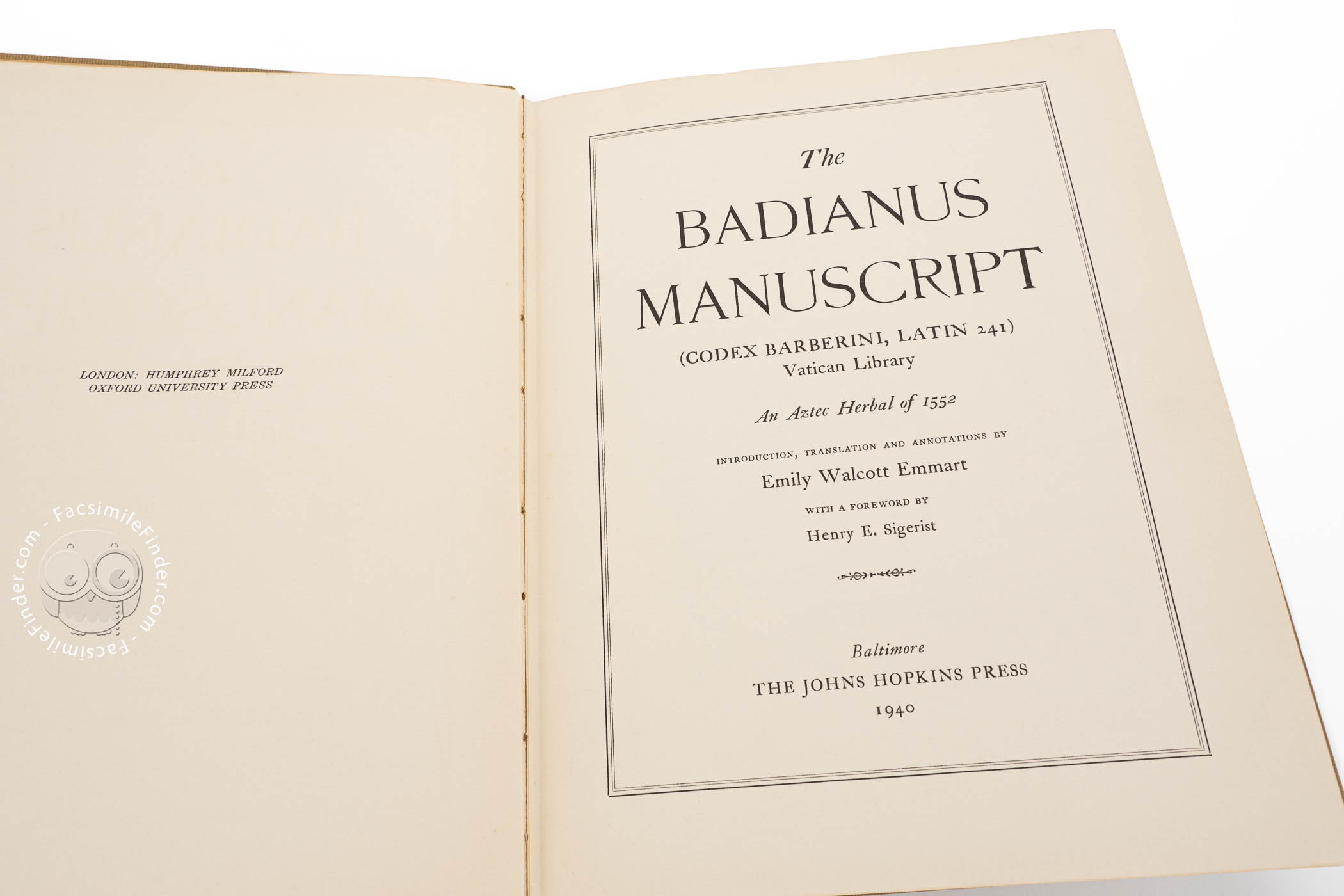
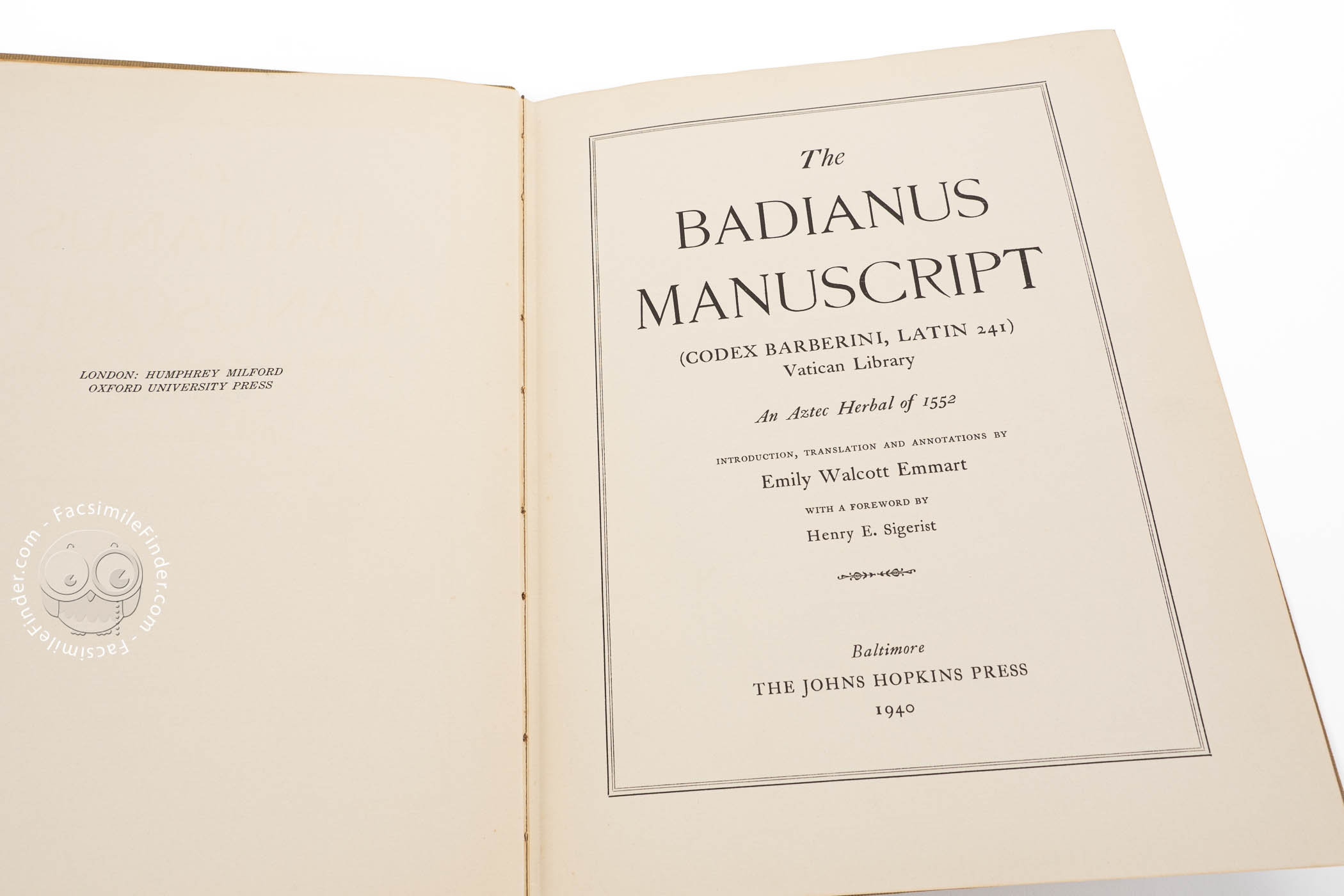
- Badianus Manuscript facsimile edition published by The John Hopkins Press, 1940