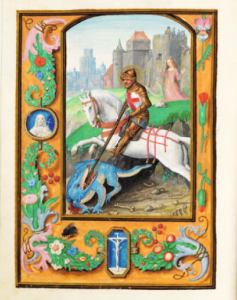
The Da Costa Book of Hours
The Da Costa Hours is a testimony of a shining moment and extreme splendour for the miniature Flemish tradition, which reached its climax in the early 16th century.


Everything concerning the original manuscript, including essays on the language, the style, the artists, the miniatures.
The Da Costa Hours is a testimony of a shining moment and extreme splendour for the miniature Flemish tradition, which reached its climax in the early 16th century.
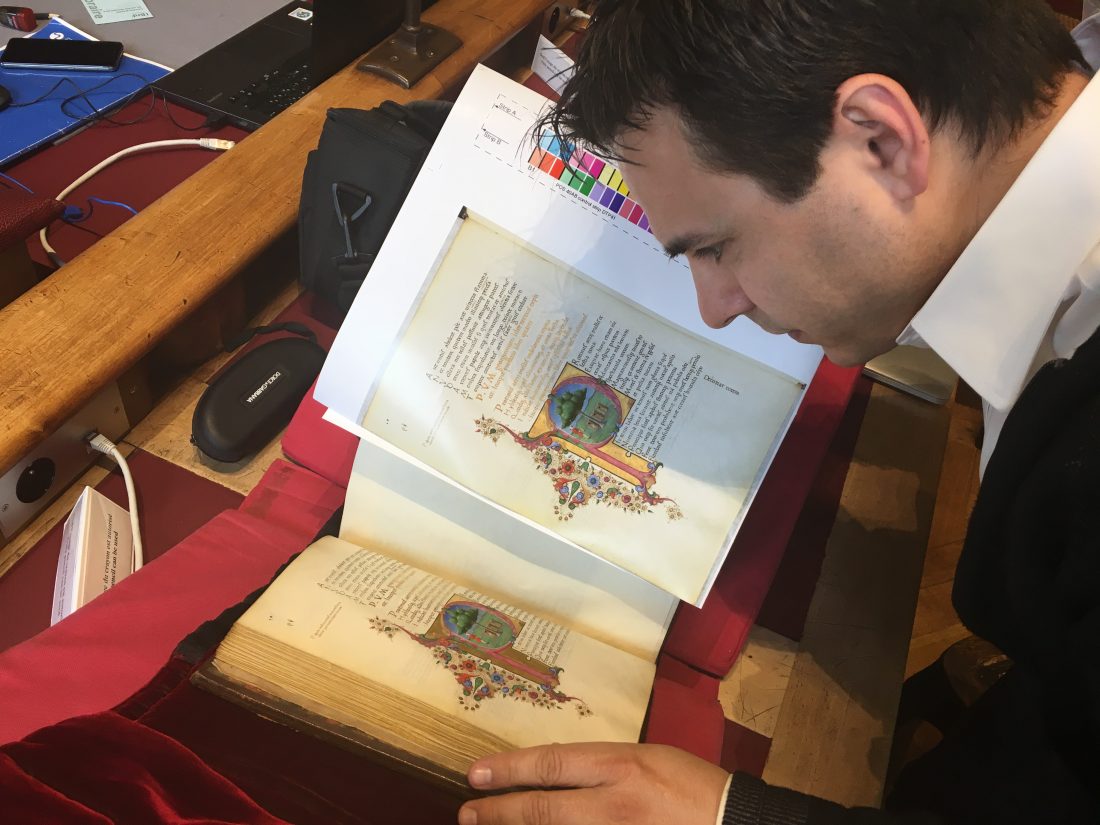
Last week, in exactly 21 hours, I traveled to the BnF in Paris, browsed a wonderful Italian Renaissance manuscript, learned some interesting facts on digitization, had lunch, and took a pleasant walk along the Seine. Finally, at 1:00AM, I was back home. Here’s the report on my day at the BnF.
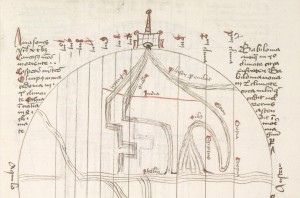
A brief discussion of the maps in Huntington Library HM 83, a fifteenth-century manuscript made in Lübeck, Germany, which show in stages what was thought would happen to the world during the Apocalypse.
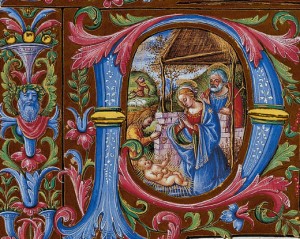
Christmas is coming, and we would like to celebrate it with the history of the extraordinary Missal of the Nativity.
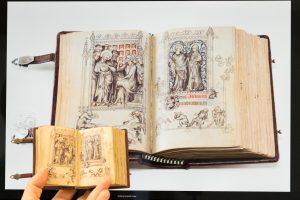
Fellow facsimile lovers, here is a treat for you: the finished version of an essay on the topic of distortion, soon to be featured on the Essays & Studies Series published for The English Association by Boydell and Brewer. I hope you’ll find it interesting!
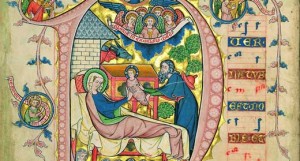
The Codex Gisle is finally available! To celebrate this amazing facsimile, we’re happy to publish an article by Judith Oliver, author of “Singing with Angels”, a book entirely devoted to the beautiful gradual illuminated by Gisela von Kerssenbrock. Thanks, Judy!
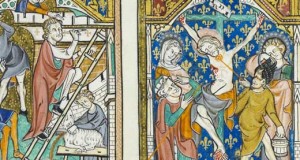
The Peterborough Psalter in Brussels, the most beautiful of the Fenland manuscripts, has just been announced as the next facsimile by Quaternio Verlag Luzern.
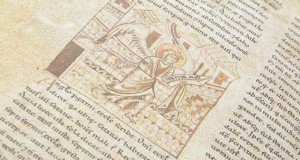
There are only three extant Beatus of Liébana manuscripts written and illustrated outside the Iberian Peninsula: the Berlin codex is, among them, the most peculiar. By Peter K. Klein
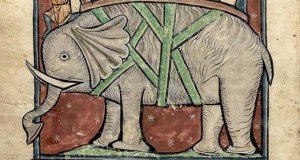
Altough tremendously distinct from all other bestiaries, the five manuscripts of the Third Family (England; 13th century) have received much less scholarly attention than the bestiaries of other families. Ilya Dines discusses their features and origin.
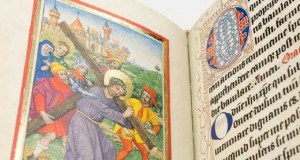
The Master of the St. Petersburg Liber Precum assumes an important place in Cologne painting between the tradition of Stefan Lochner and that of artists beholden to the traditions of early Netherlandish painting. Text by James H. Marrow.